
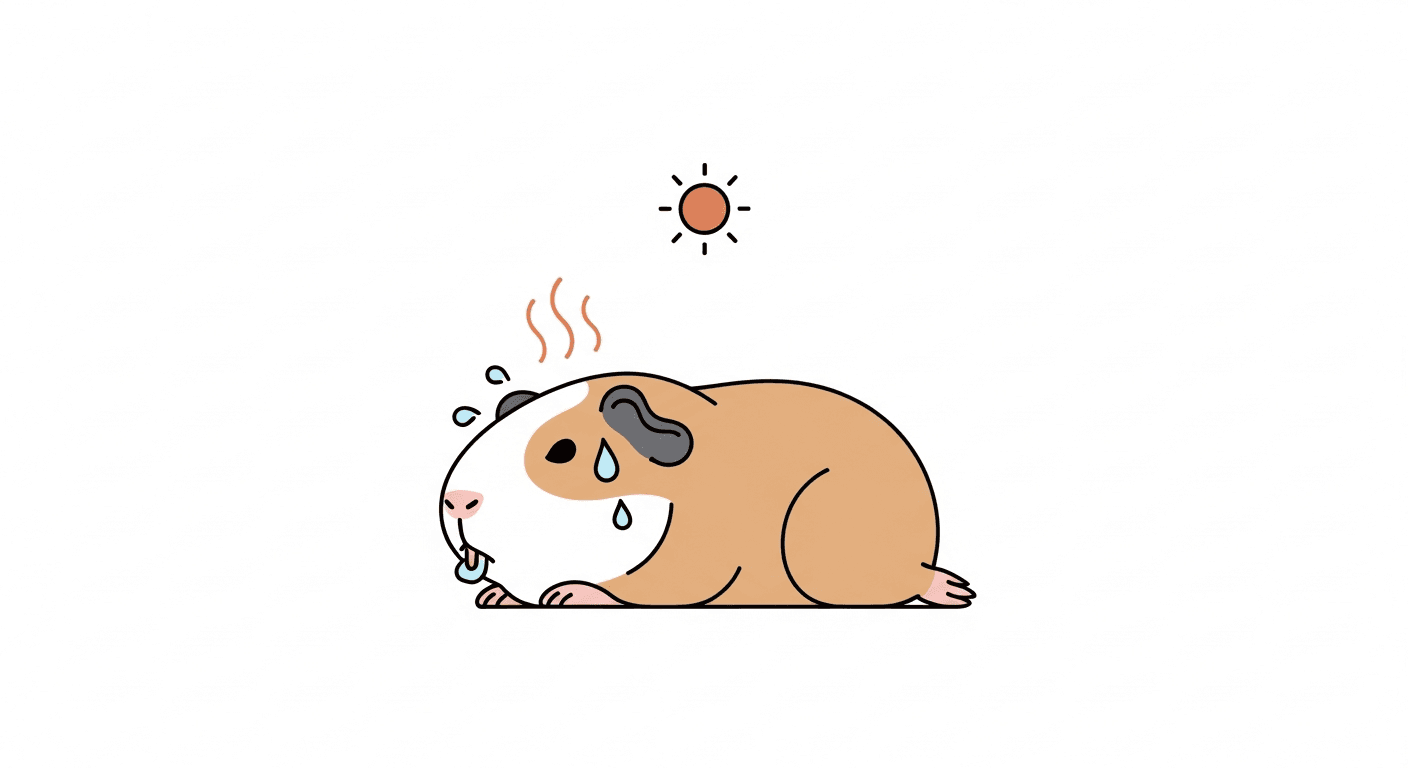
What Is Heat Stress in Guinea Pigs?
Guinea pigs are extremely sensitive to heat and have no effective way to cool themselves. They cannot pant efficiently and have no sweat glands. Ambient temperatures above 26°C (79°F) place guinea pigs at risk; temperatures above 30°C (86°F) can be rapidly fatal. Heatstroke is a genuine emergency that kills within hours.
Risk factors include direct sunlight on the cage, poor ventilation, humidity combined with warmth, and obesity.
First 3 Steps at Home
- Move to a cool area immediately: Bring the guinea pig indoors to the coolest room. Place on a cool (not ice-cold) wet towel. Do not immerse in cold water — the temperature shock worsens the situation.
- Offer cool water: If the guinea pig can swallow, offer fresh cool water from a dropper or syringe in small amounts. Do not force water into an unresponsive animal.
- Apply cool damp cloths: Apply to the ears, paws, and belly — areas where blood vessels are close to the surface. Replace every 2 minutes as cloths warm up.
When to Go to the Vet Immediately
- Unresponsive or semi-conscious guinea pig
- Labored, open-mouth breathing
- Convulsions or muscle tremors
- Drooling without improvement after 10 minutes of cooling
- Body temperature that does not reduce — a vet can provide IV fluids to support recovery
Follow-Up Care Checklist
- Keep ambient temperature between 18–24°C (65–75°F) year-round
- Never place the cage in direct sunlight or in a conservatory
- On hot days, provide a ceramic tile for the guinea pig to lie on — it stays cool naturally
- Use a fan to circulate air (do not point directly at the animal)
- Monitor water intake — dehydration and heat stress escalate together
Track Temperature and Behavior with TailRounds
Log daily behavior, water intake, and environmental temperature in the TailRounds Daily Log to build a record that helps identify heat-related patterns before they become emergencies.
Book a Vet Appointment
Any guinea pig that has experienced heatstroke should be evaluated by a vet within 24 hours even if they appear recovered. Internal organ stress may not be immediately visible. Book at Happy Paws now.
Summary for Your Clinic Visit
Note the ambient temperature at the time of the episode, duration of exposure, what first aid you provided, and the animal's current status. Bring any temperature logs you have available.
Continue Reading
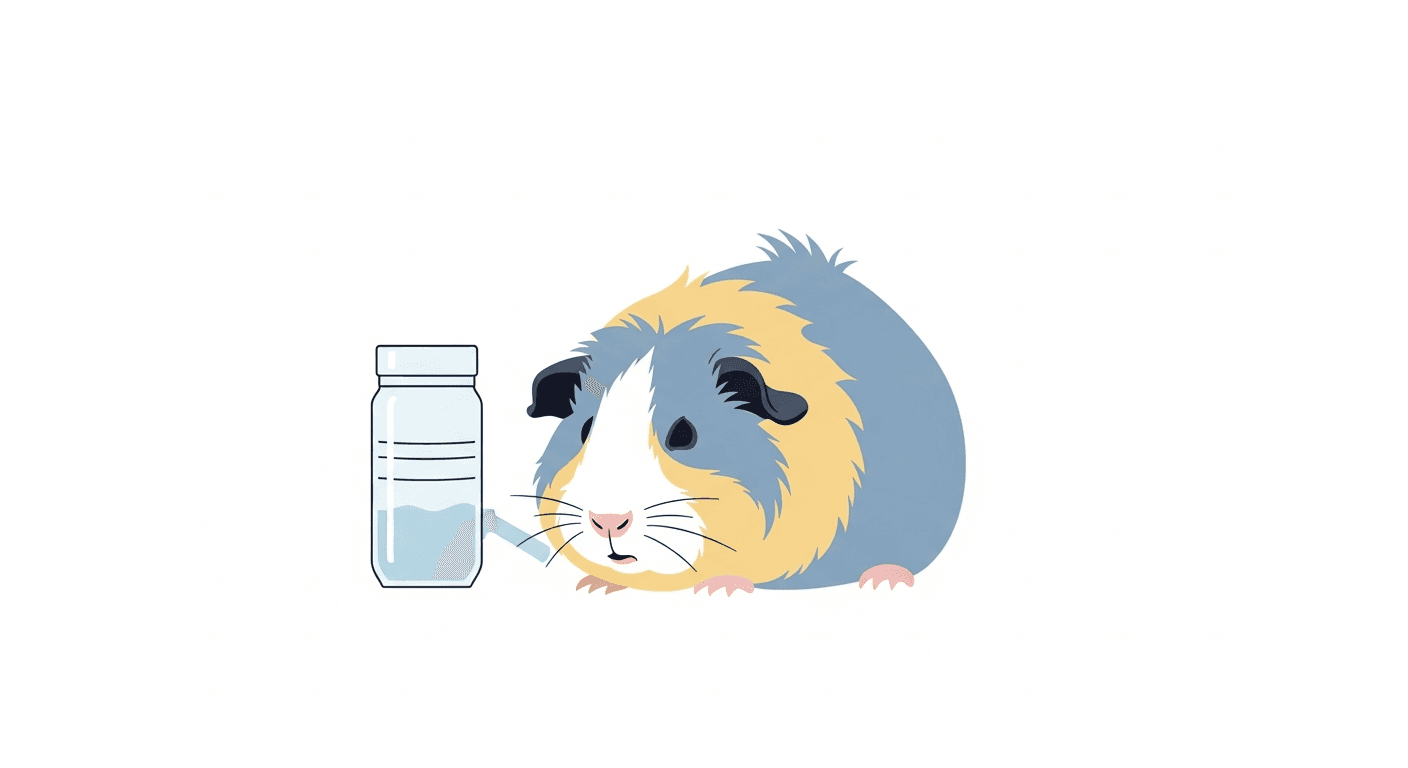 🐹 Guinea Pig Health
Guinea Pig Dehydration: Signs and How to Improve Hydration
Dehydrated guinea pigs deteriorate quickly. Learn to assess hydration at home and how to encourage water intake effectively.
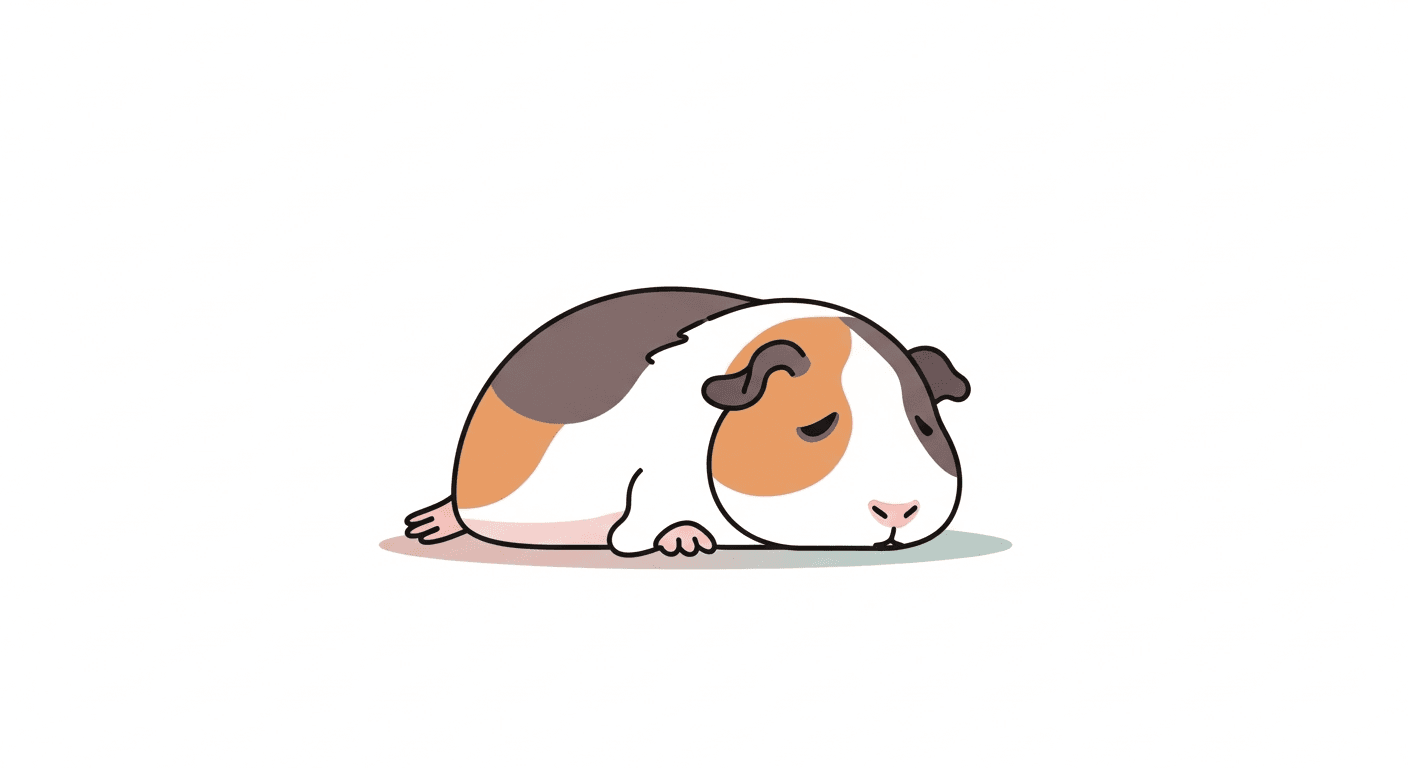 🐹 Guinea Pig Health
Lethargic Guinea Pig: When Tiredness Becomes a Medical Problem
Guinea pigs are naturally active and social. Sudden or progressive lethargy is always worth investigating. Learn the common causes and when to act.
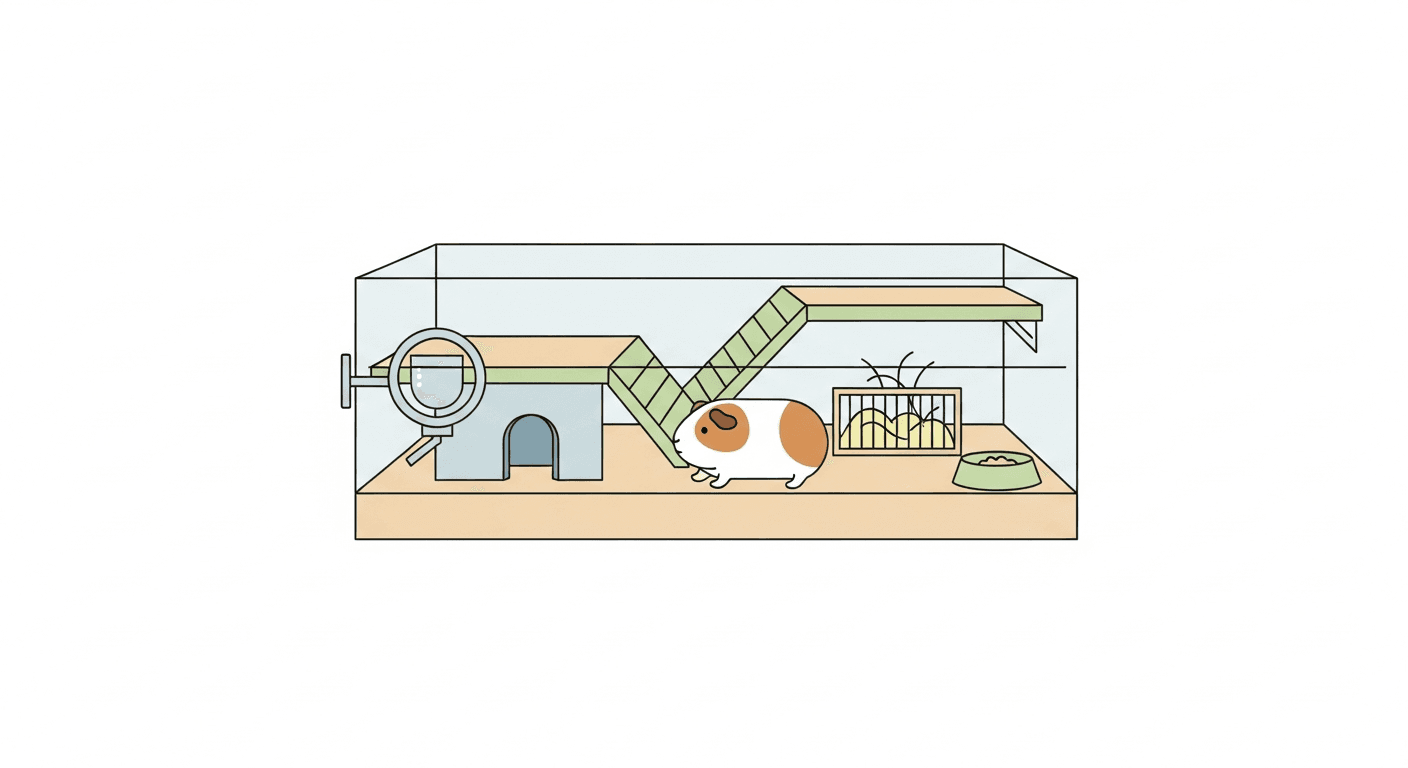 🐹 Guinea Pig Health
Guinea Pig Housing Guide: Space, Bedding, and Temperature
Proper housing is the foundation of guinea pig health. Learn the minimum space requirements, best bedding types, and environmental conditions guinea pigs need.
 🐹 Guinea Pig Health
Guinea Pig Emergency Signs: When to Act Fast and What to Do
Certain guinea pig symptoms require immediate veterinary attention. Learn the emergency warning signs that cannot wait and how to prepare for rapid transport.