
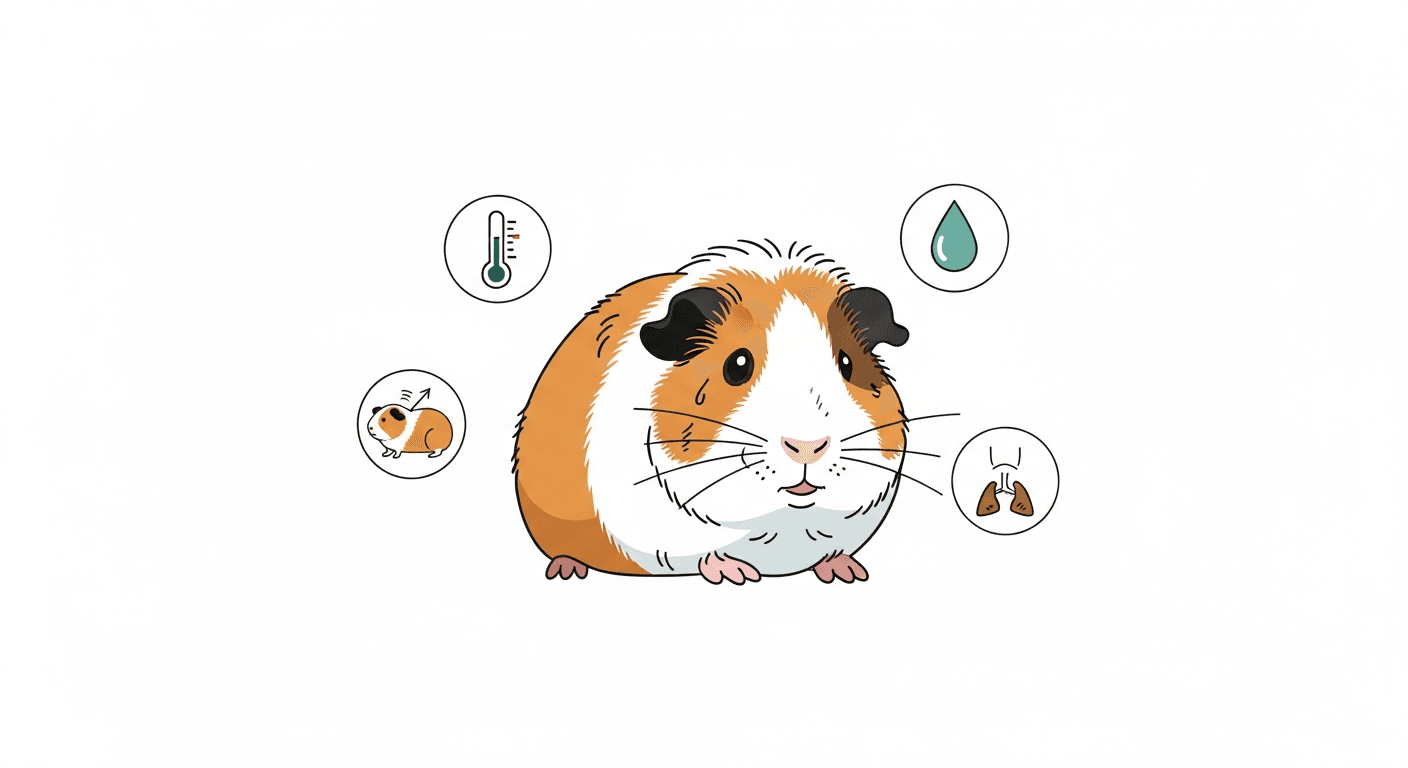
What Counts as a Guinea Pig Emergency?
Because guinea pigs hide illness and deteriorate rapidly, what looks like a mildly concerning symptom in other animals may represent a genuine emergency in a guinea pig. A healthy guinea pig can become critically ill within 12–24 hours when gut motility stops, when respiratory infection progresses, or when a urinary blockage develops.
Knowing the emergency signs means the difference between a treatable case and a fatality. When in doubt, call your vet — it's always better to be told it's not urgent than to wait and find out it was.
First 3 Steps at Home
- Stop eating for more than 6 hours: This is an immediate concern in guinea pigs. Their gut requires constant movement. Wrap the guinea pig in a fleece to keep warm, contact your vet immediately, and do not offer food you haven't discussed with the vet in case of blockage.
- Stabilize temperature: A sick guinea pig often becomes hypothermic. Keep them at 20–22°C (68–72°F). Wrap in a warm cloth (not hot) and hold them gently. This reduces the physiological stress while you arrange transport.
- Gather your records and call ahead: Tell the clinic the guinea pig's age, when symptoms started, last time it ate or drank, and the primary symptom. This helps the team prepare and prioritize your arrival.
When to Go to the Vet Immediately
- Complete refusal to eat for 6+ hours
- No droppings for 4+ hours — possible gut stasis
- Labored, open-mouth breathing or any respiratory distress
- Seizures, convulsions, or uncontrolled muscle tremors
- Unresponsive or barely conscious animal
- Visible injury, significant bleeding, or obvious fracture
- Suspected heatstroke — temperatures over 30°C
- Straining to urinate with no output — possible urinary blockage
- Sudden severe head tilt or rolling — inner ear or neurological event
Follow-Up Care Checklist
- Keep an emergency vet contact number easily accessible — identify an exotic-capable clinic in your area
- Have a transport carrier lined with warm fleece ready at all times
- Know your guinea pig's baseline weight — any rapid weight loss is a warning sign
- Maintain a daily log so you notice immediately when normal behavior changes
- Schedule regular wellness exams — early detection prevents most emergencies
Track Health Daily with TailRounds
The TailRounds Daily Log is your early warning system. Log eating, droppings, activity, and weight daily. The pattern you build over weeks makes it immediately obvious when something has changed — even before it reaches emergency status.
Book a Vet Appointment
Don't wait until an emergency to establish a relationship with an exotic vet. Book a wellness exam at Happy Paws now so your team knows your guinea pig before a crisis occurs.
Summary for Your Clinic Visit
In an emergency, bring your daily log, note all symptoms and when they started, include any medications or supplements the guinea pig is on, and if possible bring a fresh fecal sample. Stay calm — your vet team will take it from there.
Continue Reading
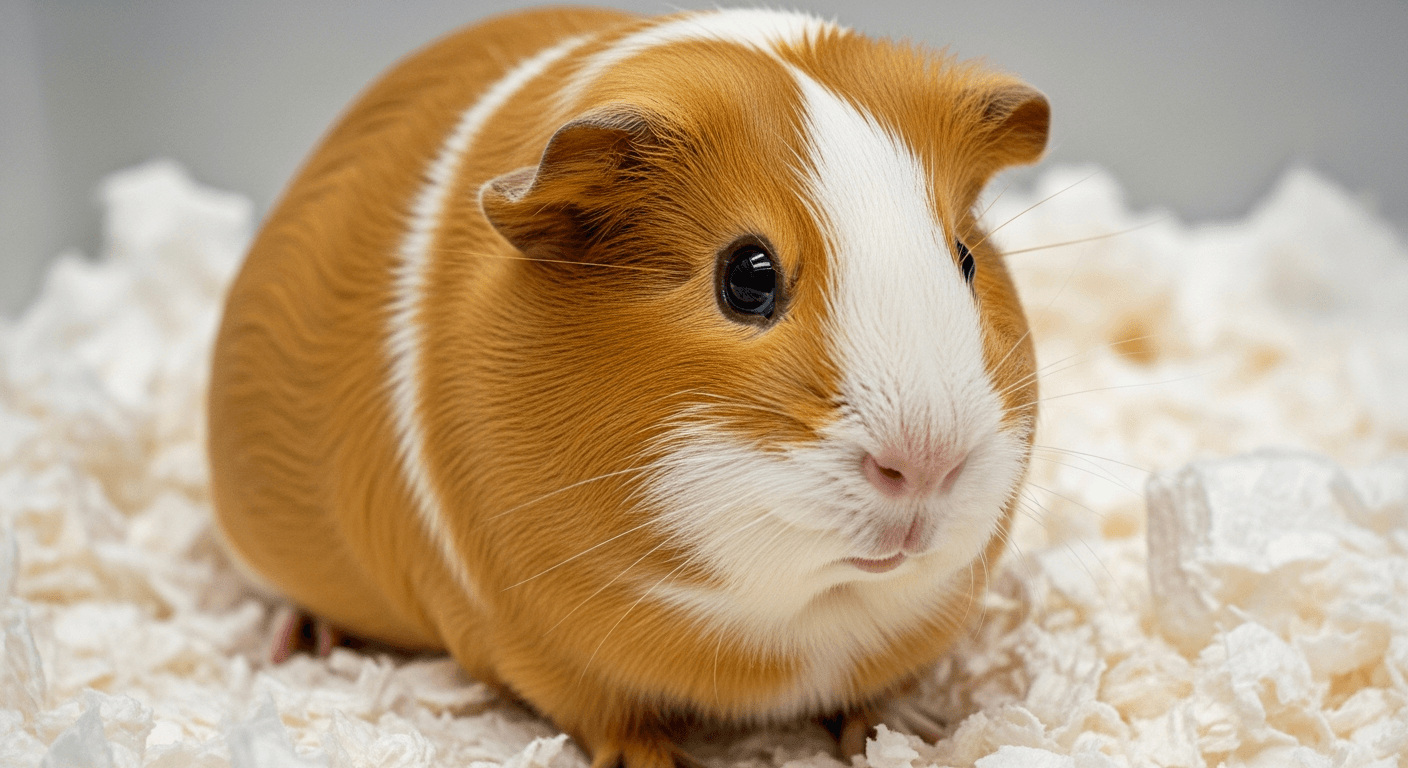 🐹 Guinea Pig Health
Guinea Pig Not Eating: Causes and When to Act
Like rabbits, guinea pigs cannot safely skip meals. Learn the common causes of appetite loss and how quickly you need to respond.
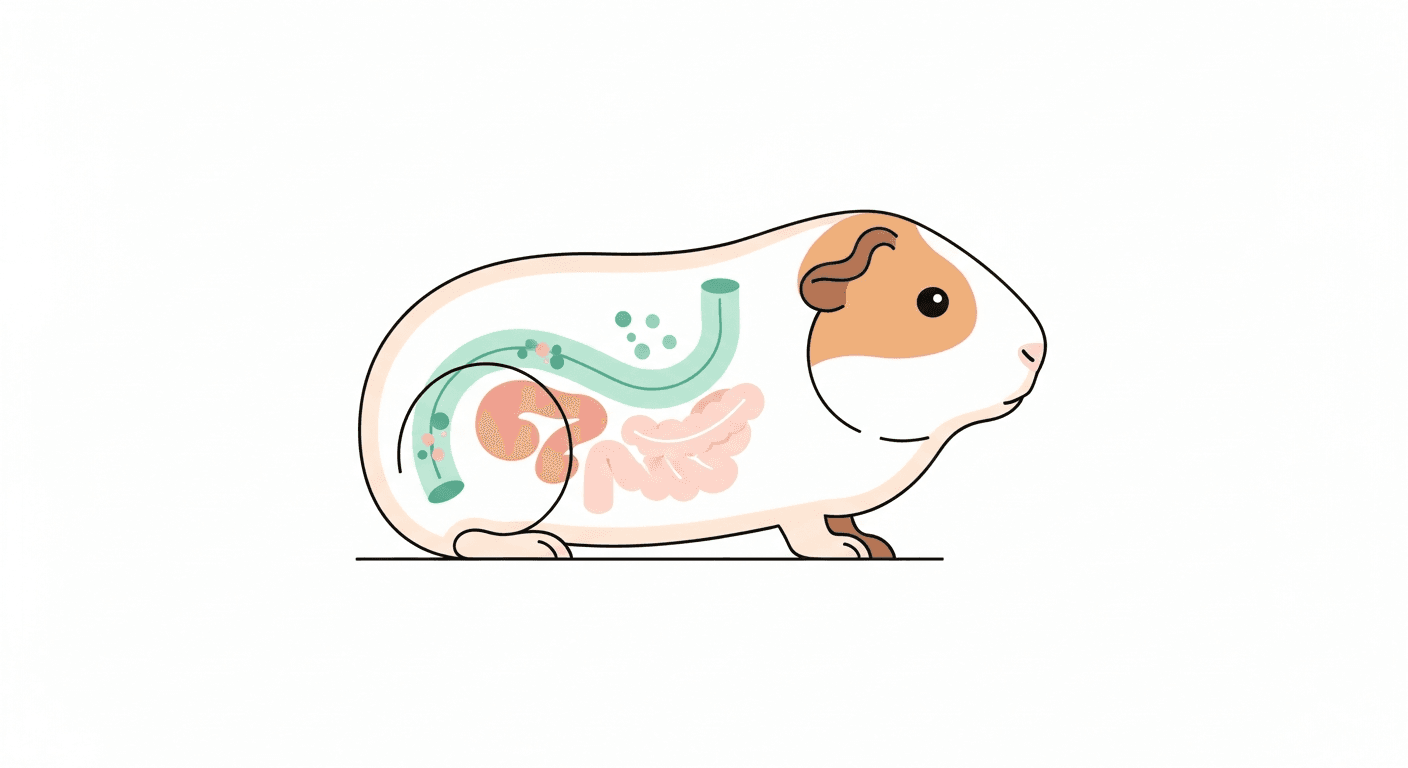 🐹 Guinea Pig Health
Guinea Pig Gut Health: Preventing GI Slowdown and Bloat
A healthy gut is the center of guinea pig health. Learn what causes gut problems, the warning signs, and how to maintain gut motility through diet and care.
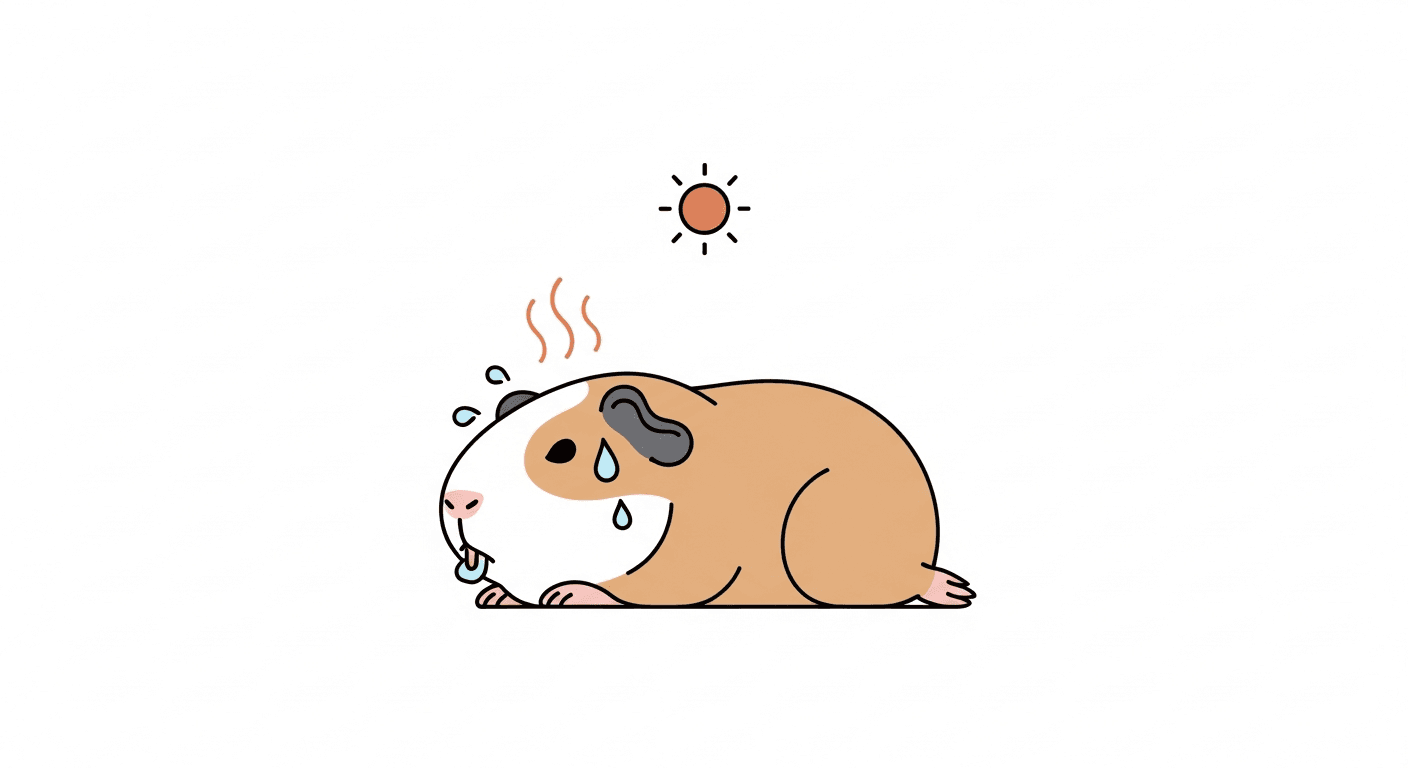 🐹 Guinea Pig Health
Heat Stress in Guinea Pigs: Recognizing Heatstroke and Keeping Your Pig Cool
Guinea pigs cannot tolerate high temperatures. Learn the signs of heatstroke, emergency first aid, and how to prevent heat stress year-round.
 🐹 Guinea Pig Health
Daily Guinea Pig Care Routine: Essential Health Monitoring
A consistent daily care routine is the best protection against common guinea pig diseases. This checklist keeps you and your guinea pig on track every day.