
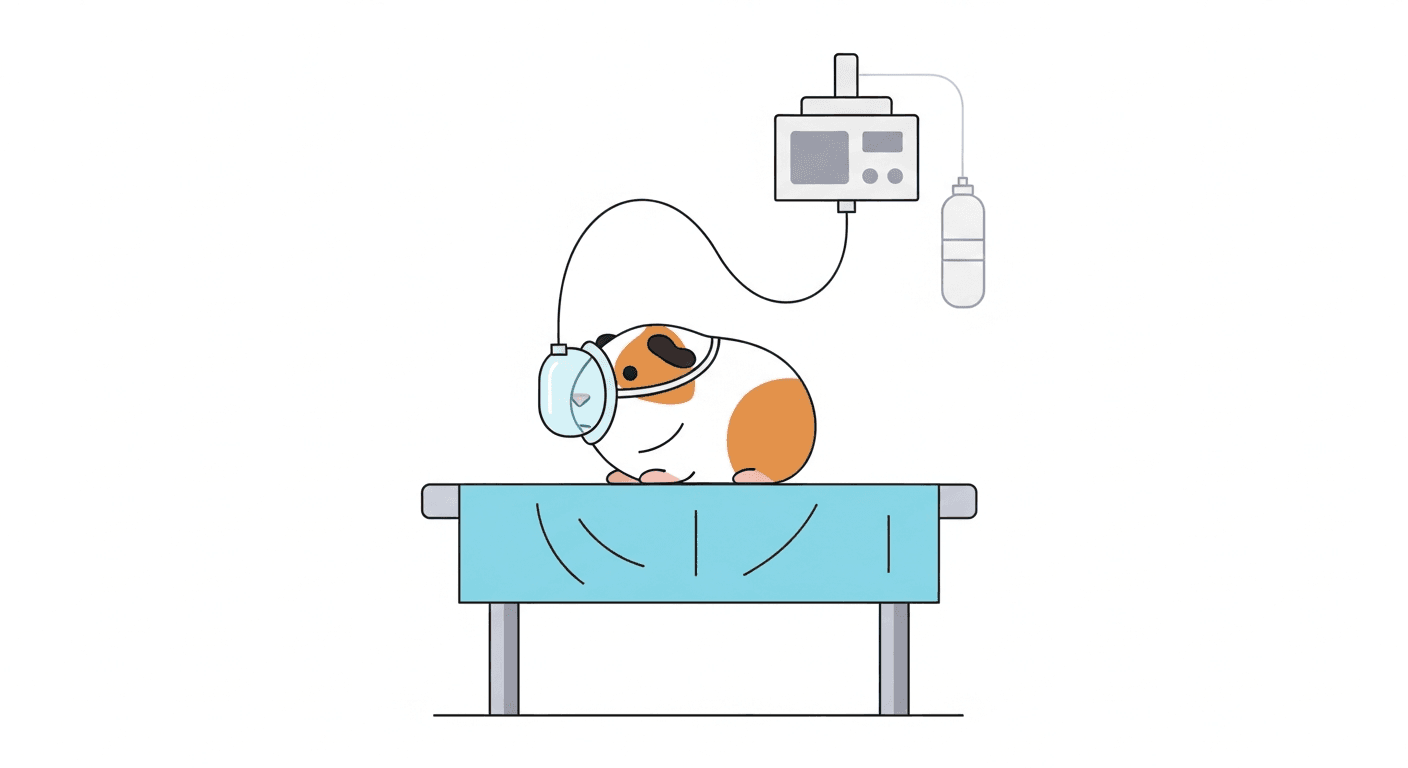
Are Guinea Pigs High-Risk Anesthesia Patients?
Yes — guinea pigs carry higher anesthesia risk than companion dogs and cats. Their small body size, high metabolic rate, sensitivity to temperature changes, and tendency to go into shock under stress all contribute to this elevated risk. Additionally, guinea pigs are obligate nasal breathers with tiny airways, making intubation and respiratory management challenging. However, experienced exotic vets with guinea pig anesthesia protocols perform procedures safely every day. The key is choosing a vet experienced with small exotic mammals and being prepared.
First 3 Steps to Prepare Your Guinea Pig for Surgery
- Do not fast before surgery: Unlike dogs and cats who fast for 8–12 hours pre-surgery, guinea pigs should continue to eat right up until the procedure. Fasting causes hypoglycemia and worsens GI stasis risk in guinea pigs. Most exotic vets will confirm this — if a vet tells you to fast your guinea pig for 8+ hours, ask to discuss this recommendation further.
- Ensure optimal health going into surgery: If the guinea pig is dehydrated, hypothermic, or severely unwell, discuss whether stabilization before anesthesia is possible. A more stable patient is always a safer anesthesia patient.
- Arrange for post-surgical warmth and monitoring: Prepare a warm recovery space (22–24°C), high-value foods for immediate post-surgical encouragement, critical care syringe feeding, and pain medication access. Know the signs of post-surgical complications to watch for overnight.
When to Call the Vet After Surgery
- Guinea pig not eating within 4–6 hours of arriving home
- No droppings within 6 hours
- Temperature below 37°C
- Signs of incision complications: discharge, swelling, opening
Follow-Up Care Checklist
- Administer pain medication exactly as prescribed — pain is the primary reason guinea pigs stop eating post-surgery
- Syringe feed critical care every 4–6 hours if the guinea pig isn't eating voluntarily
- Keep all post-surgical recheck appointments
Track Post-Surgical Recovery with TailRounds
Log eating, droppings, temperature, and incision appearance every 4–6 hours in the first 24 hours after surgery using the TailRounds Daily Log.
Book a Vet Appointment
Choose a vet experienced with guinea pig anesthesia for any procedure. Book at Happy Paws — our exotic team has extensive small mammal surgical experience.
Summary for Your Clinic Visit
Tell your vet your guinea pig's age, weight, current health status, any medications being given, and confirm the fasting protocol with them before the day of surgery.
Continue Reading
 🐹 Guinea Pig Health
Guinea Pig Not Eating: Causes and When to Act
Like rabbits, guinea pigs cannot safely skip meals. Learn the common causes of appetite loss and how quickly you need to respond.
 🐹 Guinea Pig Health
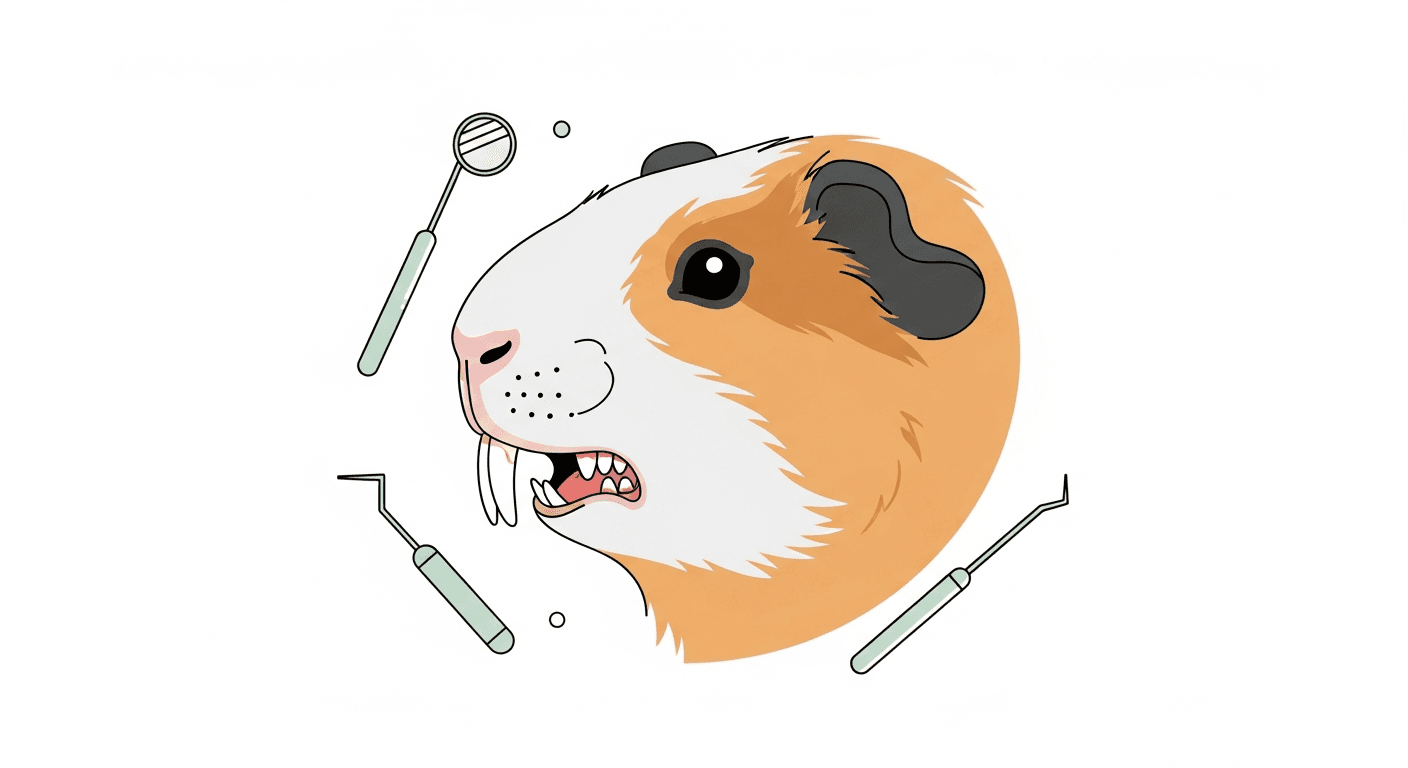
Guinea Pig Dental Disease: Malocclusion and Tooth Spurs
Dental disease is the leading health problem in guinea pigs. Learn how it develops, what symptoms look like, and why regular dental checks are essential.
 🐹 Guinea Pig Health
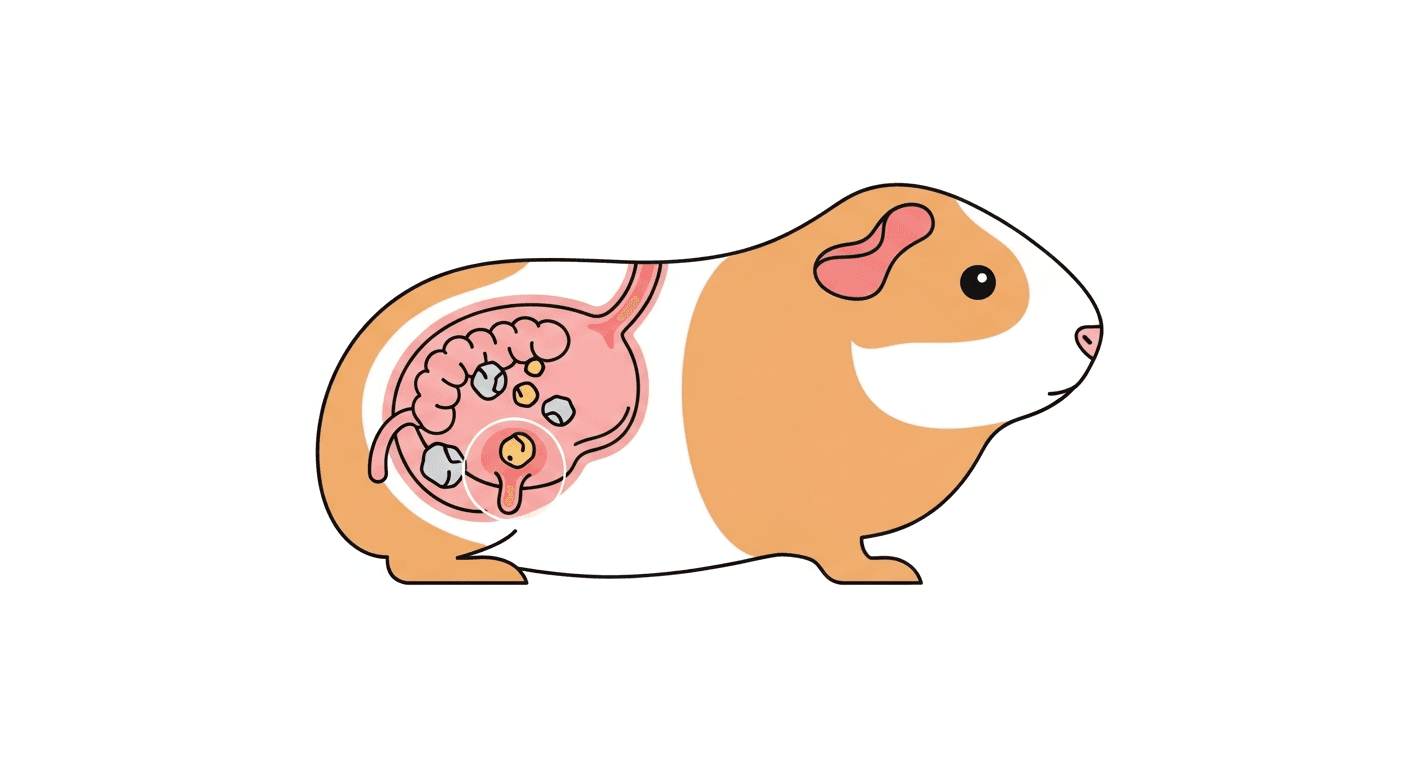
Bladder Stones in Guinea Pigs: Signs and Surgical Treatment
Calcium oxalate and calcium carbonate stones in guinea pig bladders cause severe pain and can be life-threatening. Learn the signs and what treatment involves.
 🐹 Guinea Pig Health
Daily Guinea Pig Care Routine: Essential Health Monitoring
A consistent daily care routine is the best protection against common guinea pig diseases. This checklist keeps you and your guinea pig on track every day.