
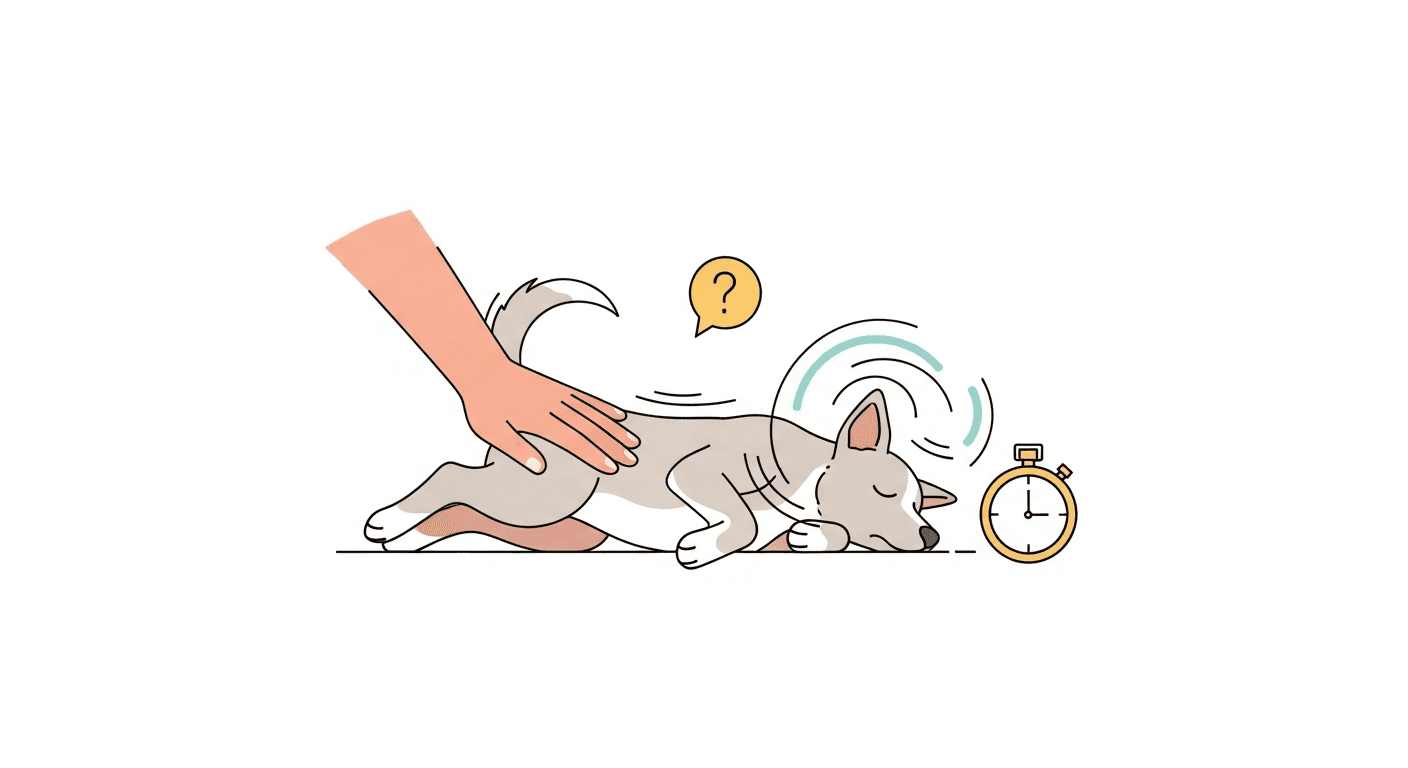
What a Seizure Looks Like in a Pet
Seizures in pets can be frightening to witness, but staying calm is the most important thing you can do. A seizure is caused by abnormal electrical activity in the brain, which can have many causes — epilepsy, poisoning, head trauma, liver disease, low blood sugar, and more. The seizure itself usually lasts 1–2 minutes, though it may feel much longer when you're watching it happen.
A typical tonic-clonic (grand mal) seizure in a dog or cat may include:
- Sudden loss of consciousness or awareness
- Stiff, rigid muscle contractions followed by rhythmic paddling or jerking of the limbs
- Jaw champing, drooling, or frothing at the mouth
- Involuntary urination or defecation
- Eyes that appear glassy, open, or rolled back
- Vocalization — whining or howling in some animals
Focal (partial) seizures are more subtle — a pet may only show facial twitching, repetitive chewing or licking motions, sudden aggression, or fly-snapping behavior (snapping at invisible things).
What to Do During a Seizure
- Stay calm and do not panic: Your pet cannot hear or respond to you during the active seizure phase. Panicking won't help, but staying focused will allow you to act correctly.
- Time the seizure from the first moment it begins: Use your phone stopwatch. This is critical information for your vet. A seizure lasting more than 5 minutes is called status epilepticus and is a medical emergency.
- Clear the area: Gently push away any furniture, sharp edges, or stairs your pet could fall against. Do not restrain the pet's limbs — this can cause injury to both of you.
- Do not put your hands near the mouth: Contrary to old advice, pets do not swallow their tongues during seizures. Putting fingers in the mouth risks a serious bite — seizing animals have no control over their jaw muscles.
- Keep the environment dim and quiet: Turn off loud music or TV if possible. Stimulation can prolong some seizures.
- Record on video if safe to do so: Even 30 seconds of footage showing the seizure helps your vet enormously in determining seizure type and potential cause.
The Post-Seizure Phase (Postictal Period)
After the seizure stops, your pet will enter the postictal phase — a period of confusion, disorientation, temporary blindness, or extreme hunger that can last from minutes to hours. This is normal and does not require intervention beyond keeping the pet safe and calm.
- Speak softly and reassuringly — your voice helps orient them
- Keep other pets and children away — a postictal pet can act unpredictably
- Offer water once they're able to stand and swallow safely
- Do not expect normal behavior for 30–60 minutes after the seizure
When to Call the Vet Immediately
- The seizure lasts more than 3–5 minutes (status epilepticus — life-threatening)
- Multiple seizures occur within 24 hours (cluster seizures)
- This is the pet's first ever seizure
- The pet does not start to recover within 30 minutes of the seizure ending
- The pet is a known epileptic but this seizure was longer or more intense than usual
- The pet experienced recent head trauma, possible poisoning, or has a known illness
Log the seizure details immediately in the TailRounds Daily Log — duration, behavior during and after, any suspected triggers. This data is invaluable at your next vet visit. Use TailRounds AI Triage for immediate guidance on urgency.
Book a Vet Appointment After Any Seizure
Even a single, short seizure that resolves completely warrants a veterinary evaluation to identify the underlying cause. Many causes of seizures are manageable with medication or treatment. Don't dismiss it as a one-off without investigation. Book a vet appointment today, or find a clinic near you for urgent evaluation.
Continue Reading
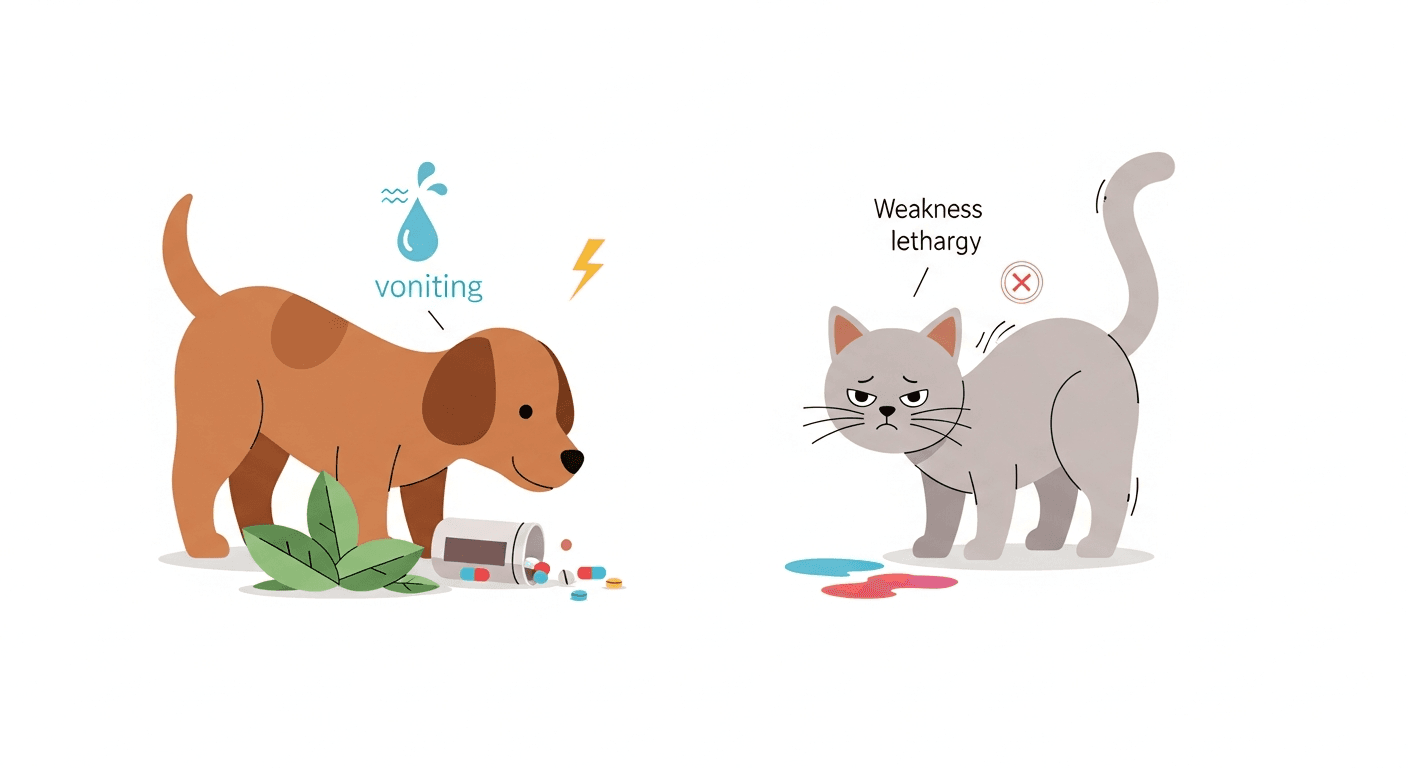 🚑 First Aid
Pet Poisoning: Signs to Watch For and What to Do Immediately
Learn the warning signs of poisoning in dogs and cats, the most common toxins in the home, and the emergency steps to take right now.
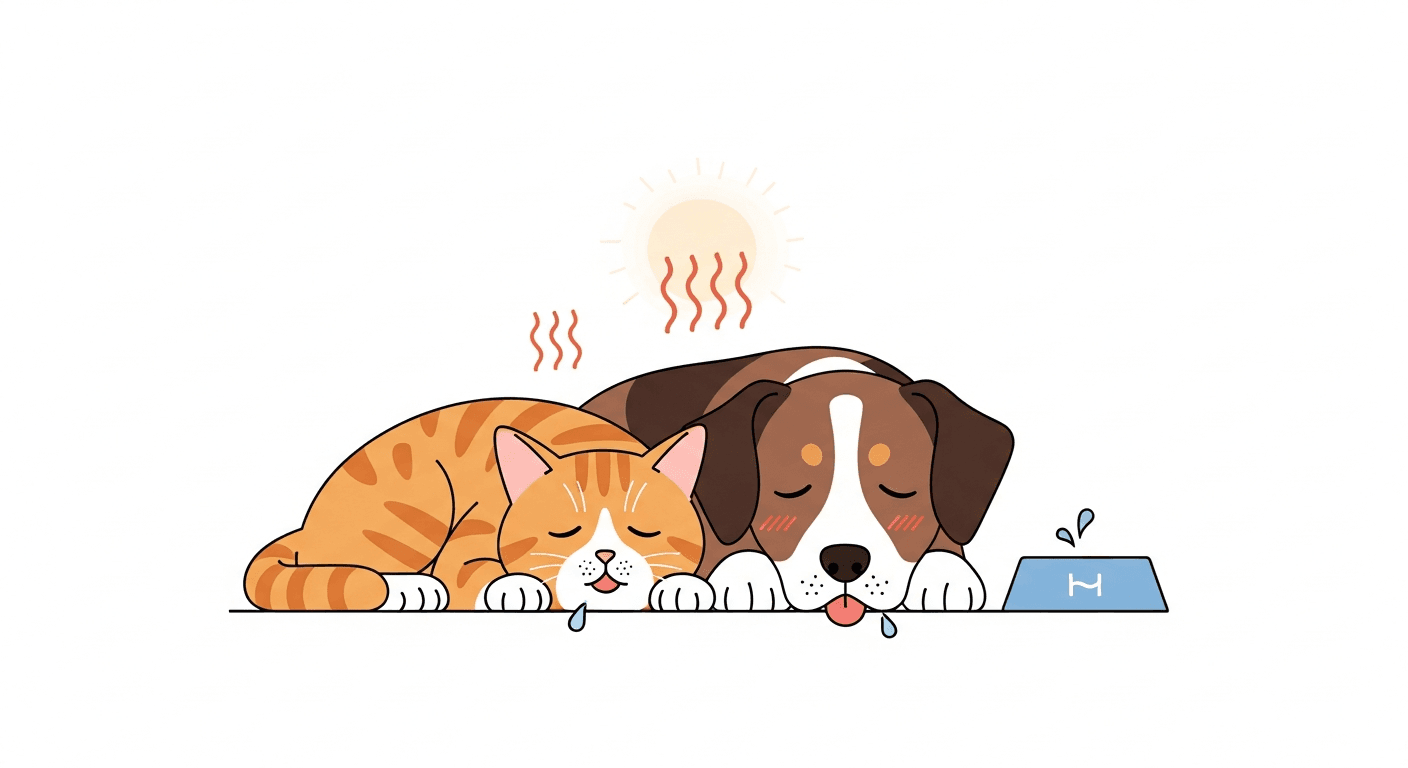 🚑 First Aid
Heatstroke in Pets: How to Recognize It and What to Do
Heatstroke can kill a pet within minutes. Learn the warning signs, immediate cooling steps, and when veterinary care is non-negotiable.
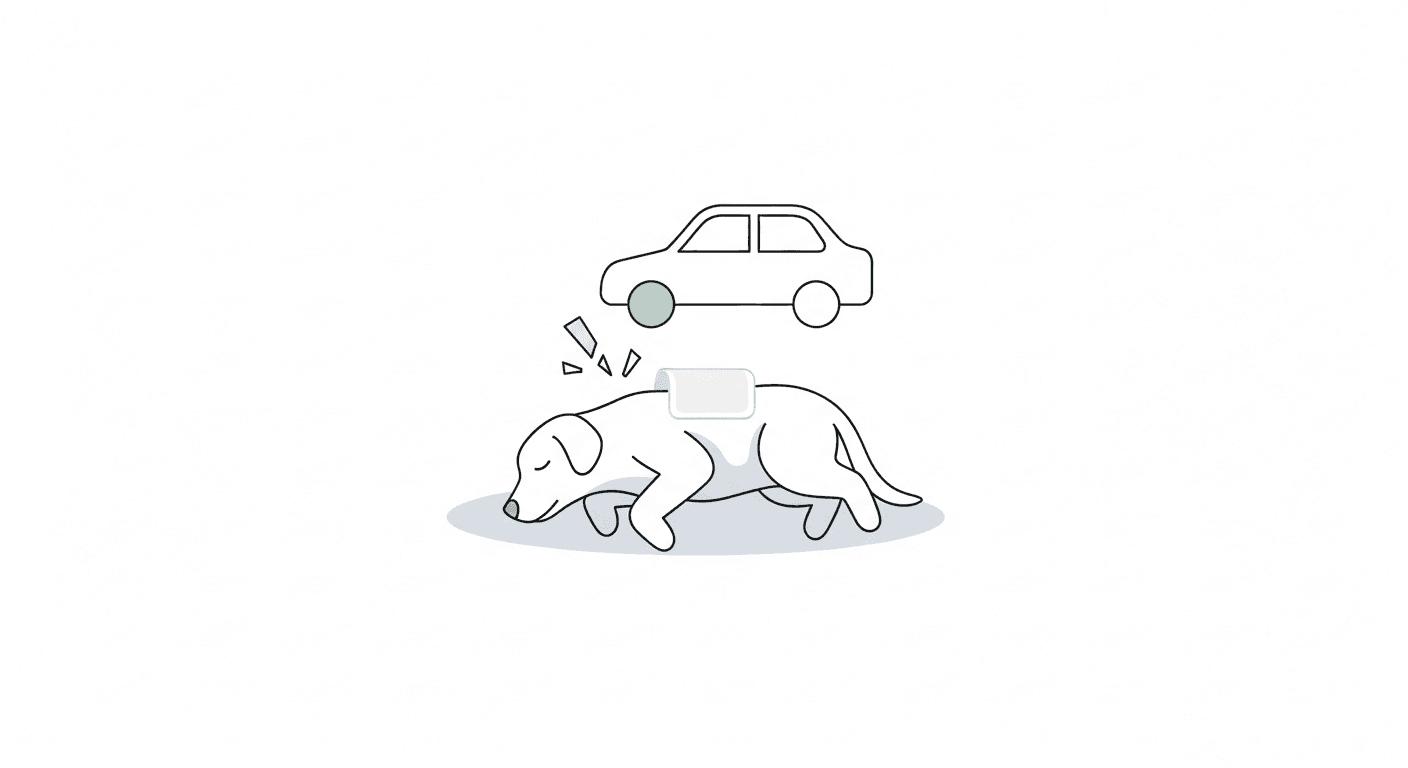 🚑 First Aid
Dog Hit by Car: What to Do in the First Minutes
Immediate first aid steps for a dog struck by a vehicle — how to move them safely, what injuries to expect, and how to get them to a vet fast.
 🚑 First Aid
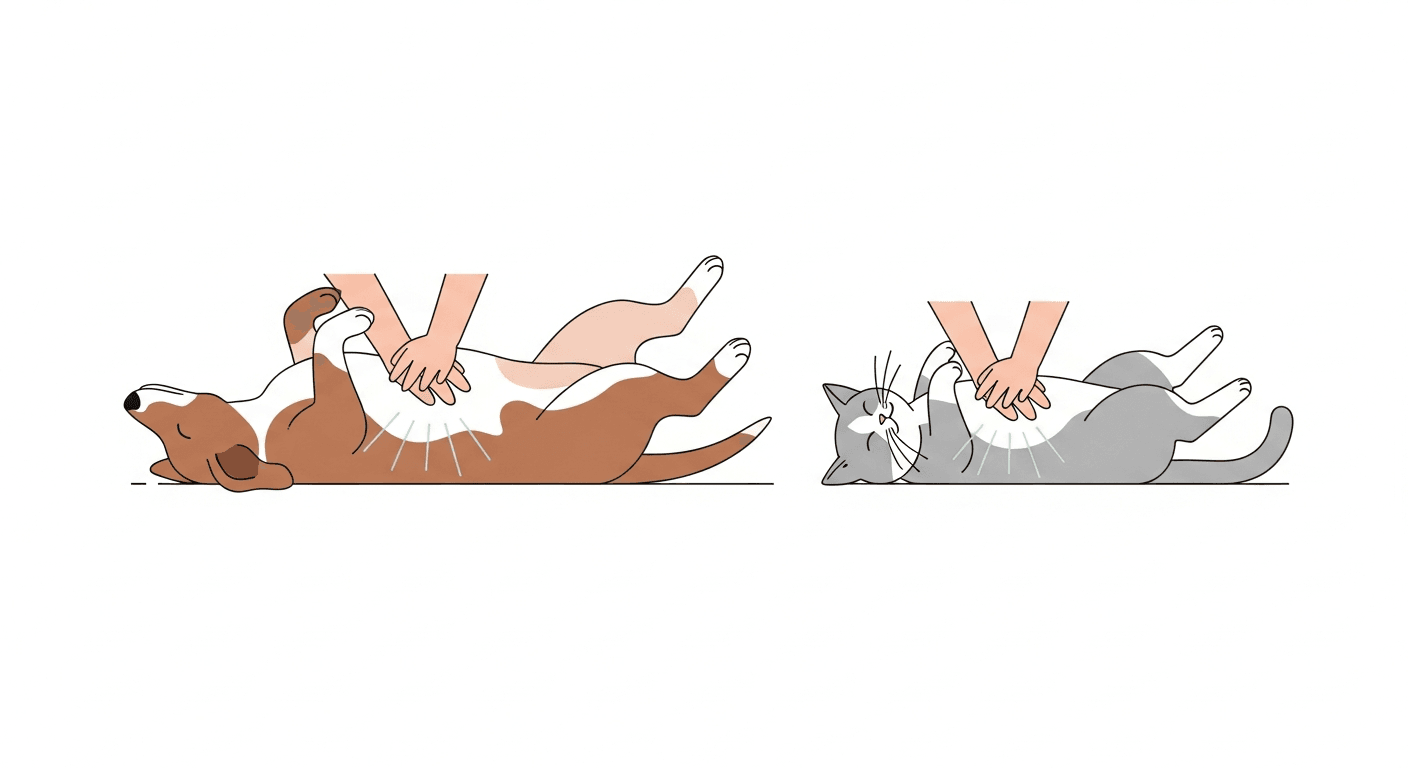
How to Perform CPR on a Dog or Cat: A Step-by-Step Guide
Learn pet CPR — how to check for pulse, perform chest compressions, and give rescue breaths for dogs and cats of different sizes, based on current guidelines.