
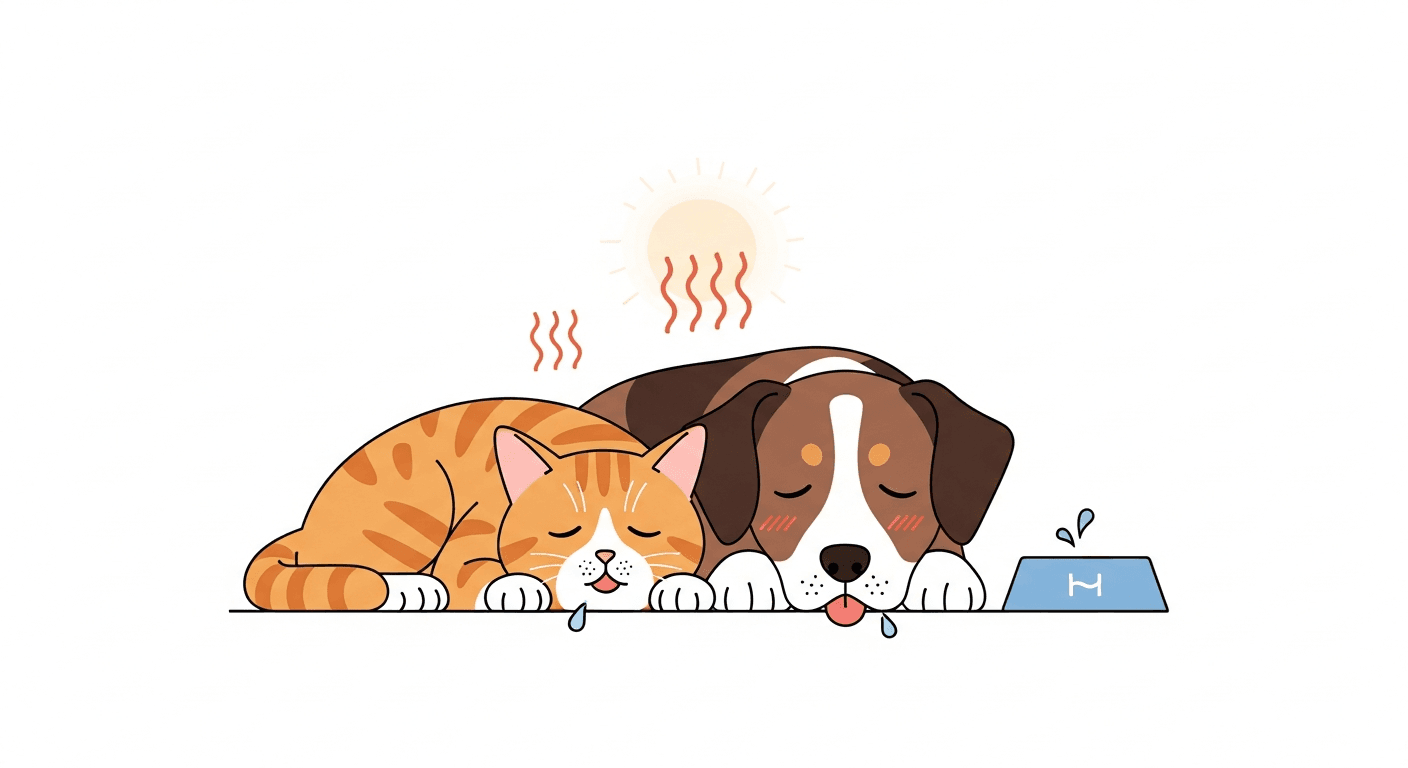
Why Heatstroke Kills Fast
Dogs and cats do not sweat the way humans do. Dogs pant to release heat, and cats groom themselves to cool down — but both mechanisms become rapidly overwhelmed in high heat and humidity. When the body's core temperature exceeds 104°F (40°C), organ damage begins. Above 107°F (41.7°C), brain damage, kidney failure, and cardiovascular collapse can occur within minutes. Heatstroke is not a situation where you watch and wait — every minute at dangerously high body temperature causes irreversible harm.
High-risk situations include:
- Being left in a parked car (temperatures inside can reach 160°F/71°C in minutes even with windows cracked)
- Exercising in hot weather, especially in brachycephalic breeds (Bulldogs, Pugs, Persian cats, French Bulldogs)
- Being left outdoors without shade or water during a heat wave
- Being enclosed in a room without ventilation or air conditioning
- Any situation where panting doesn't effectively cool the animal
Signs of Heatstroke
Recognize these warning signs immediately:
- Early: Excessive panting (more intense than usual), drooling, seeking cool surfaces, restlessness
- Moderate: Bright red gums and tongue, rapid heart rate, weakness, stumbling, vomiting, glazed eyes
- Severe/emergency: White or grey gums, loss of coordination, bloody diarrhea or vomit, collapse, muscle tremors, seizures, unconsciousness
Immediate First Aid Steps
- Move the pet out of heat immediately: Get them into an air-conditioned space or at minimum into full shade with airflow.
- Begin cooling — but do it correctly: Apply cool (not cold or icy) water to the pet's body. Focus on the neck, armpits, groin, and paw pads where blood vessels are close to the surface. Use a wet cloth or gentle pouring — do not submerge in ice water. Ice causes surface blood vessels to constrict, actually trapping heat inside.
- Use a fan to enhance evaporative cooling: Direct a fan toward the wet pet. This dramatically speeds up cooling.
- Offer small sips of cool water: Do not force water — a heat-affected pet may inhale it. Small sips if they're alert and able to swallow.
- Take rectal temperature if you have a thermometer: Normal is 101–102.5°F (38.3–39.2°C). If above 104°F (40°C), continue cooling and get to the vet. Stop active cooling once temperature reaches 103°F (39.4°C) — overcooling causes hypothermia.
- Get to the vet immediately, even if they seem to improve: Internal organ damage from heatstroke is not visible from the outside and can worsen dramatically hours after the animal cools down.
What Not to Do
- Do not use ice or ice-cold water — causes vasoconstriction and traps heat internally
- Do not cover with wet towels — wet towels over the body trap heat; keep the animal wet and exposed to airflow
- Do not give aspirin, ibuprofen, or any fever-reducing medication — these are dangerous or toxic to pets
- Do not leave the pet alone while cooling — their condition can deteriorate rapidly
- Do not assume they're fine once they seem to improve — internal damage continues silently
Get Veterinary Care Without Delay
Heatstroke requires IV fluids, close monitoring of kidney function, blood pressure support, and sometimes medication to prevent brain swelling. Home cooling alone is not sufficient treatment. Use TailRounds AI Triage to assess urgency while you prepare to leave. Book a vet appointment or head directly to the nearest emergency clinic — call ahead and say "suspected heatstroke" so they can prepare. Find a clinic near you now.
Continue Reading
 🚑 First Aid
Hypothermia in Pets: Signs, Safe Warming, and When to See a Vet
How to recognize and treat hypothermia in dogs and cats — safe rewarming techniques, what not to do, and why mild hypothermia still needs monitoring.
 🚑 First Aid
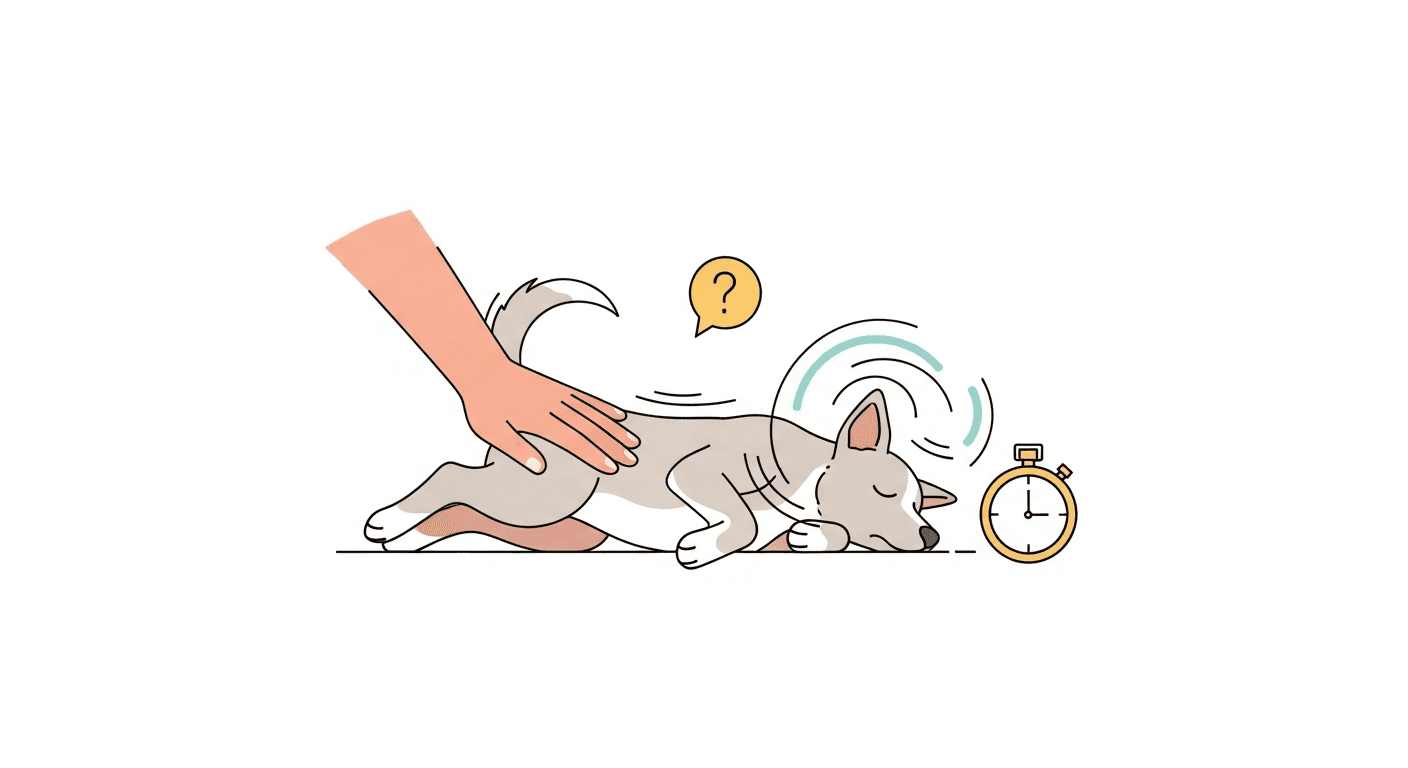
Pet Seizure First Aid: How to Help During and After a Seizure
What to do when your dog or cat has a seizure — how to keep them safe, what to time and observe, and when seizures become life-threatening.
 🚑 First Aid
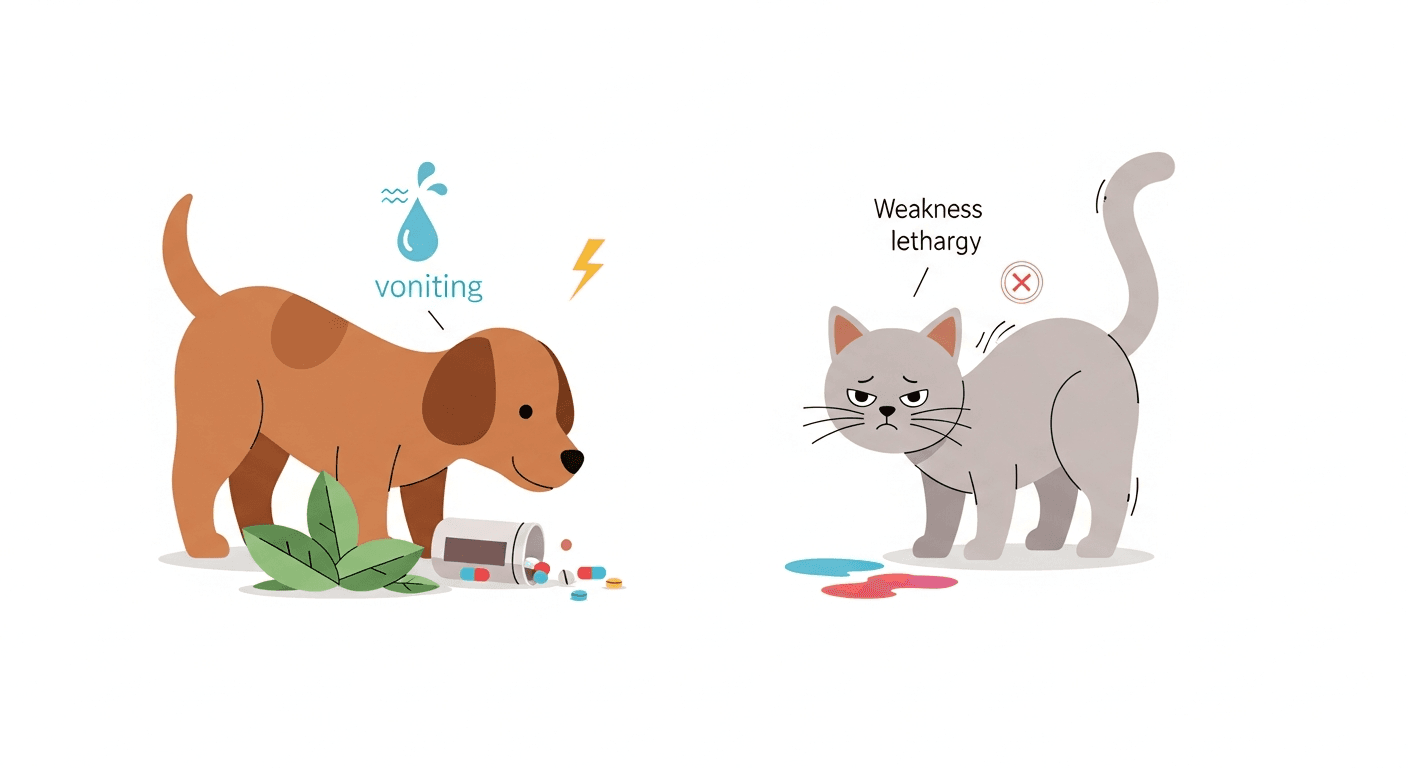
Pet Poisoning: Signs to Watch For and What to Do Immediately
Learn the warning signs of poisoning in dogs and cats, the most common toxins in the home, and the emergency steps to take right now.
 🚑 First Aid
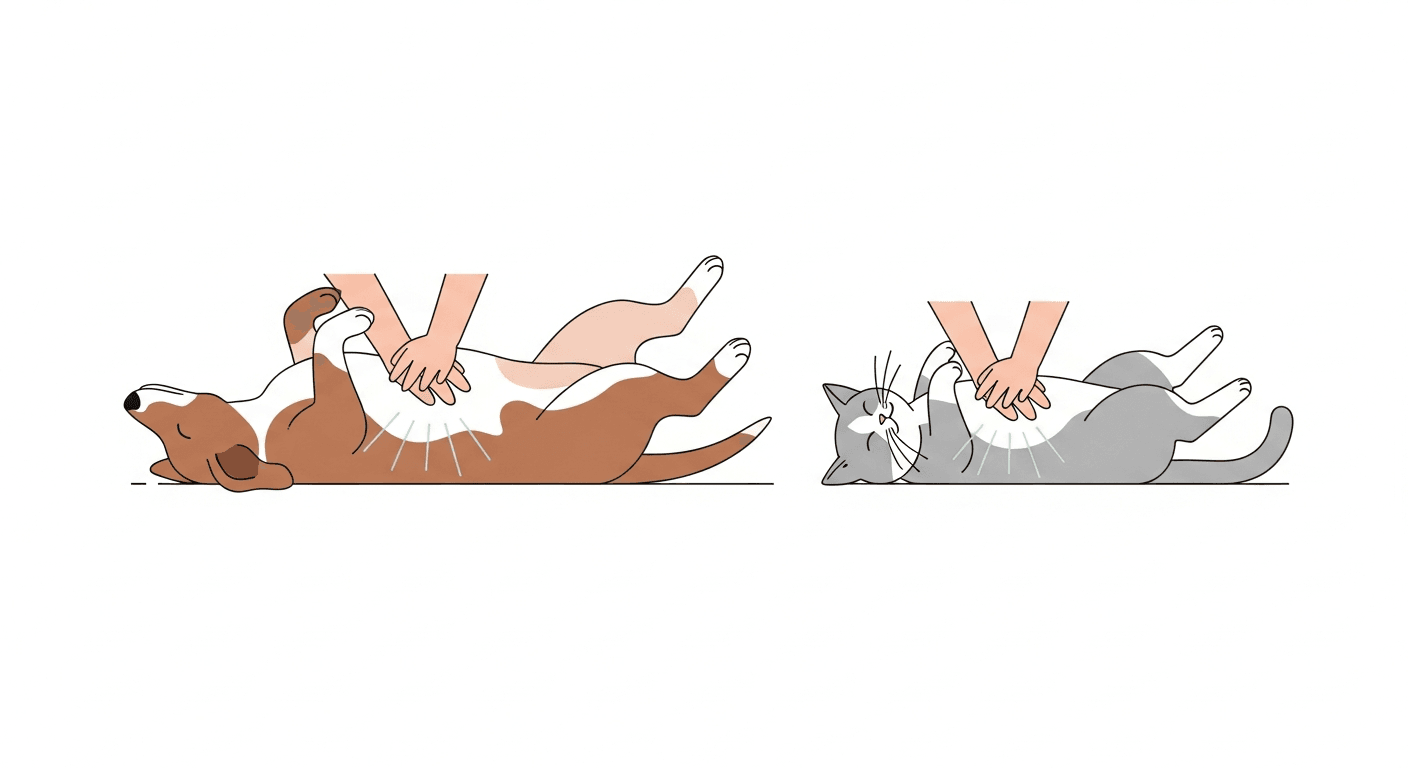
How to Perform CPR on a Dog or Cat: A Step-by-Step Guide
Learn pet CPR — how to check for pulse, perform chest compressions, and give rescue breaths for dogs and cats of different sizes, based on current guidelines.