

Why Every Pet Owner Needs a First Aid Kit
Veterinary emergencies rarely happen during clinic hours. They happen on weekend hikes, at 2am, on holiday trips, and in situations where the nearest emergency clinic is 45 minutes away. A well-stocked pet first aid kit does not replace veterinary care — it buys you time and improves your pet's chances when you cannot get professional help immediately. The American Veterinary Medical Association and Red Cross both recommend that all pet owners keep a basic kit at home and in their vehicle.
A good kit serves three functions: control immediate threats (bleeding, airway), provide basic wound care, and monitor vitals until you reach professional help.
The Core First Aid Kit Checklist
Wound Care
- Sterile gauze pads (non-stick, multiple sizes)
- Rolled gauze bandage (conforming bandage)
- Self-adhesive elastic bandage (Vetrap or Coban)
- Medical adhesive tape
- Blunt-tipped bandage scissors
- Sterile saline solution (for wound flushing and eye irrigation)
- Chlorhexidine solution or wipes (diluted to 0.05% for wound use)
- Tweezers (for visible splinters or debris — never for probing)
- Disposable gloves (nitrile, at least 2 pairs)
Monitoring and Assessment
- Digital rectal thermometer (normal: 101–102.5°F / 38.3–39.2°C)
- Petroleum jelly (for thermometer lubrication)
- Small penlight or torch (for examining mouth, eyes, wounds)
- Magnifying glass (for examining small wounds or debris)
- Stethoscope — optional but useful for listening to heart and breathing
Restraint and Safety
- Soft muzzle (sized for your pet — keep your dog's size noted)
- E-collar / cone of shame (to prevent licking)
- Extra leash and collar
- Thick gloves or a towel (for handling fractious or scared injured pets)
Medications and Supplements
- Your pet's regular medications (keep a 3-day emergency supply)
- Diphenhydramine (antihistamine — for bee stings, only at vet-advised dose for your pet's weight)
- Activated charcoal — only if specifically advised by poison control/vet
- Saline eyewash drops
- Do NOT include: Ibuprofen, aspirin, acetaminophen, naproxen — all dangerous or lethal to pets
Documents and Information
- Your vet's phone number and after-hours emergency contact
- Nearest 24-hour emergency clinic address and phone number
- ASPCA Poison Control: (888) 426-4435
- A printed summary of your pet's: medications, known allergies, medical history, microchip number, and vaccine dates
- A recent photo of your pet (for lost pet identification if needed)
Travel Add-Ons (for the Car Kit)
- Portable water bowl and a water bottle
- Mylar emergency blanket (for hypothermia or shock)
- Instant cold pack (for swelling and burns)
- A small rigid board (for transporting injured pets with suspected spinal injuries)
- Pet life jacket if you regularly spend time near water
Keep It Organized and Current
A first aid kit is useless if you can't find items quickly in a crisis. Use a clearly labeled waterproof bag or box. Check the kit every 6 months: replace expired medications and saline, check that bandages haven't been used, and update your pet's medical information as their health changes.
Log your pet's current medications and health status in the TailRounds Daily Log — you can print this information from the app for your kit. Use TailRounds AI Triage in any emergency to get guidance while you act. Book a wellness visit and ask your vet to review your kit and advise on anything specific to your pet's conditions. Find a clinic near you and save their number in your kit now — before you need it.
Continue Reading
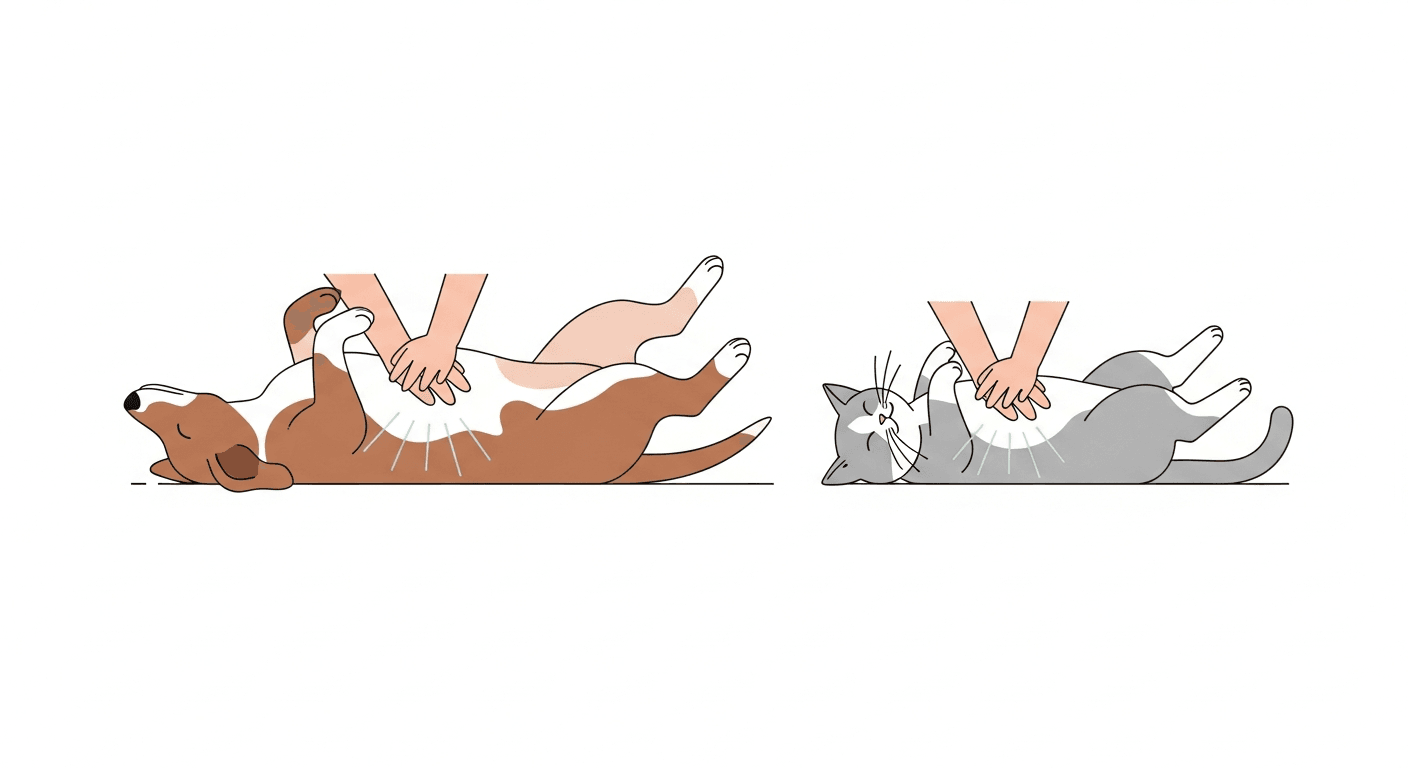 🚑 First Aid
How to Perform CPR on a Dog or Cat: A Step-by-Step Guide
Learn pet CPR — how to check for pulse, perform chest compressions, and give rescue breaths for dogs and cats of different sizes, based on current guidelines.
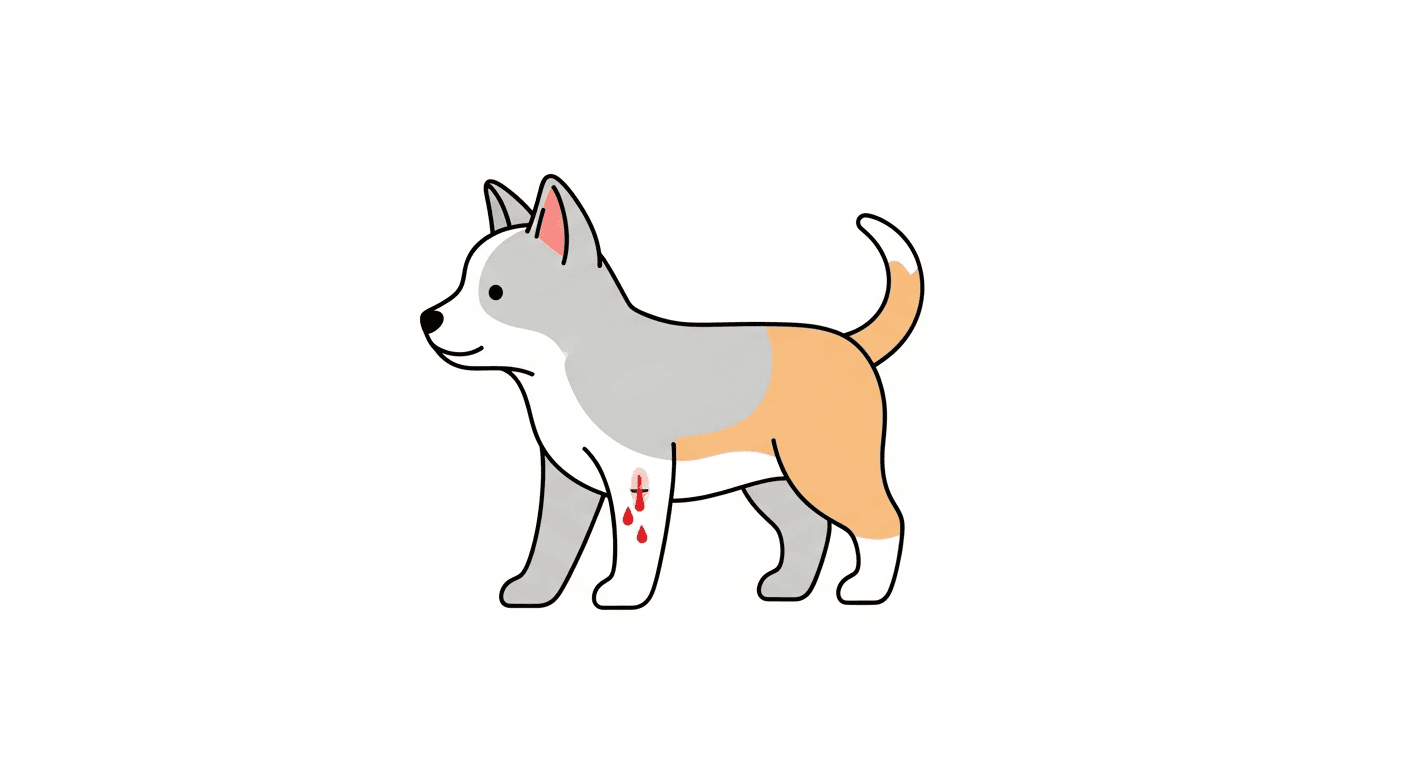 🚑 First Aid
Stopping Bleeding in Pets: A Practical First Aid Guide
How to control bleeding from cuts, wounds, and injuries in dogs and cats — correct pressure technique, tourniquets, and when to rush to the vet.
 🚑 First Aid
Paw Pad Cuts and Burns: First Aid for Your Pet's Feet
How to clean and treat paw pad cuts, burns, and abrasions in dogs and cats — safe bandaging, signs of infection, and when stitches are needed.
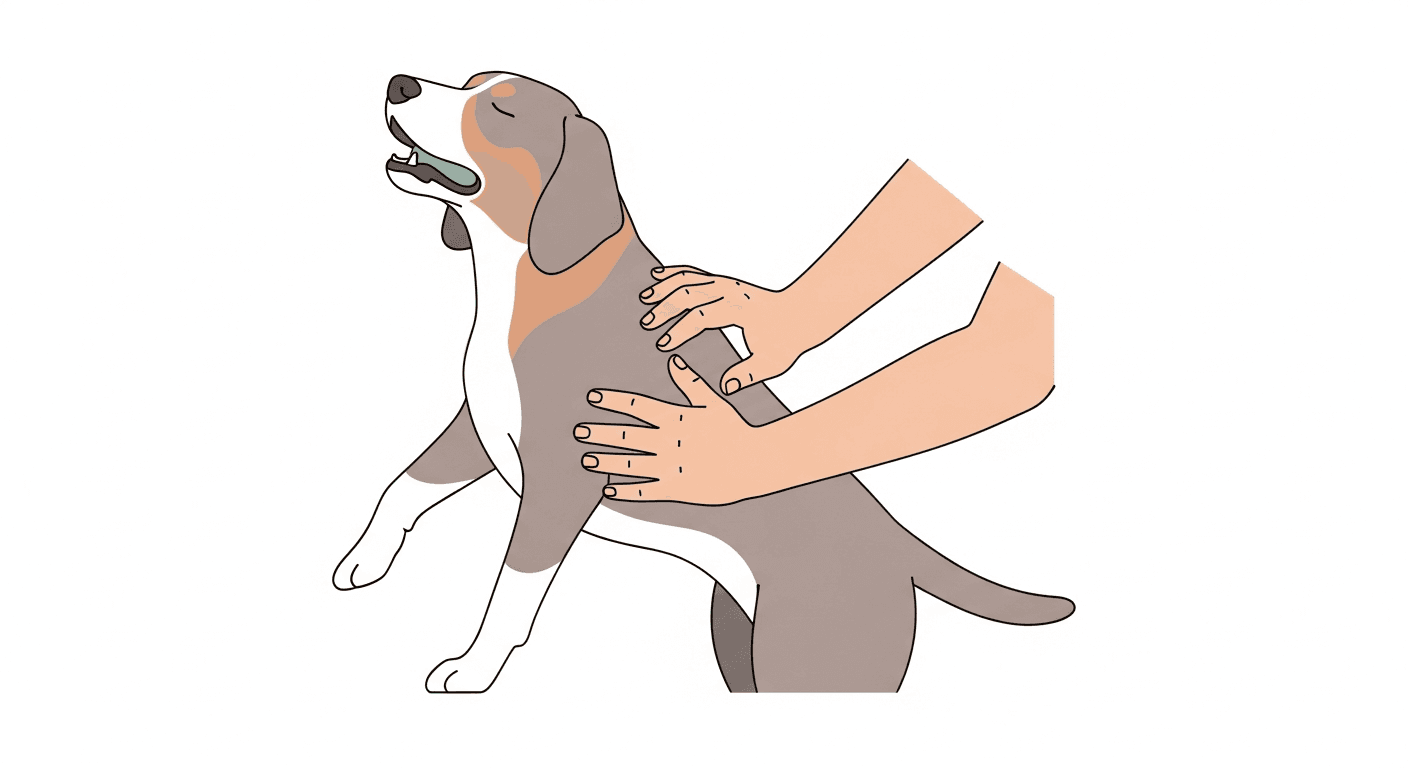 🚑 First Aid
Dog Choking: How to Help a Dog With Airway Obstruction
Step-by-step guide to helping a choking dog, including the canine Heimlich maneuver, what to look for, and when to rush to the vet.