
Not All Swallowed Objects Are Equal
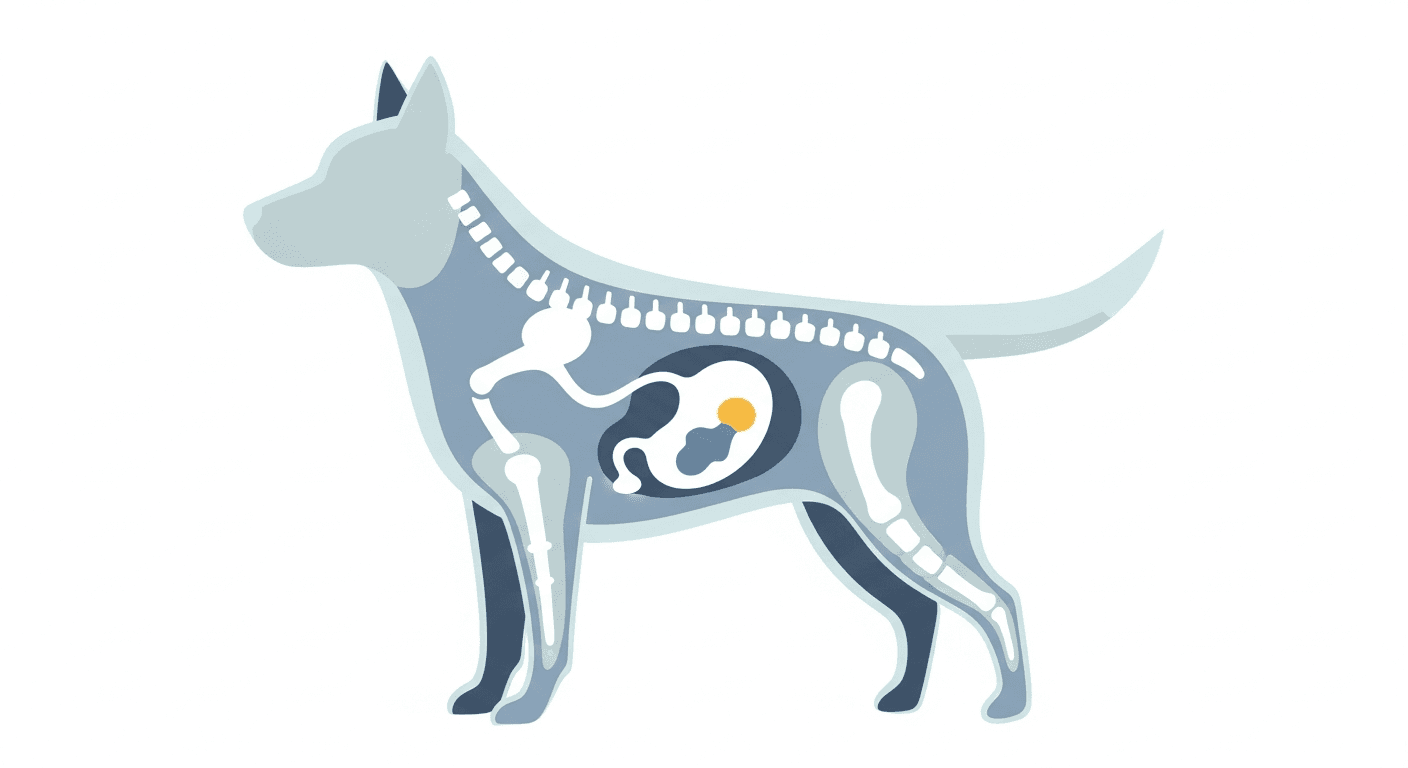
Dogs especially — but cats too — swallow objects that were never meant to be eaten. Socks, underwear, corn cobs, toy parts, string, chicken bones, rocks, coins, hair ties, and medication bottle lids are among the most commonly retrieved foreign bodies in veterinary practice. Whether a swallowed object becomes a crisis depends on its size, shape, material, and location in the gastrointestinal tract at any given time.
Objects can cause problems in several ways:
- Airway obstruction: If caught at the back of the throat or in the larynx before being swallowed. This is choking — see the choking first aid guide.
- Esophageal obstruction: An object stuck in the esophagus causes distress, gagging, regurgitation of food immediately after eating, and excessive drooling. This is an urgent situation.
- Gastric obstruction: Object in the stomach may cause vomiting, reluctance to eat, and abdominal pain. The stomach can hold many objects without immediate obstruction, but some are dangerous regardless — sharp objects, batteries, magnets, and zinc-containing coins.
- Intestinal obstruction: As an object moves into the small intestine, it can become lodged and cause a complete or partial blockage. Signs: vomiting, abdominal pain, bloating, complete loss of appetite, no feces production. This is a surgical emergency.
- Linear foreign body: String, thread, tinsel, or fishing line can anchor at one end (often the tongue or pylorus) and cause the intestines to "bunch up" — one of the most dangerous configurations. Never pull on string hanging from a pet's mouth or anus.
Immediately Dangerous Objects
Some objects require emergency vet care regardless of symptoms:
- Batteries: Alkaline batteries leak and cause severe chemical burns to the GI tract. Lithium disc batteries are especially dangerous.
- Magnets (especially multiple): Can attract across intestinal walls and cause perforations.
- Sharp objects: Needles, fish hooks, bone shards — risk perforation at any stage.
- Zinc-containing coins (US pennies minted after 1982): Dissolve in stomach acid and cause zinc toxicity.
- Large or expandable objects: Objects like foam, towels, or items that expand with moisture can completely obstruct rapidly.
Signs of GI Obstruction
- Repeated vomiting (especially after every meal or drink)
- Abdominal pain — hunching, reluctance to be touched on the belly, restlessness
- Complete loss of appetite
- No bowel movements or very small, frequent attempts without production
- Bloated or distended abdomen
- Rapid deterioration: lethargy, weakness, pale gums
What You Can and Cannot Do at Home
Home options are extremely limited. Do not induce vomiting without veterinary instruction — vomiting a sharp object can lacerate the esophagus, and vomiting certain objects can cause them to lodge in a worse position. Do not give your pet food or water while waiting for vet evaluation — if surgery is needed, a full stomach is a risk for anesthesia.
What you can do: call your vet immediately, note the exact object (take a photo of the packaging), estimate when and how much was swallowed, and monitor for symptom onset. Log all observations in the TailRounds Daily Log. Use TailRounds AI Triage to get guidance while you contact your vet.
Get Veterinary Advice Immediately
Even if your pet seems fine after swallowing something, call a vet immediately. Many objects need to be retrieved before they move from stomach to intestine. The 2–4 hour window after ingestion is when endoscopic retrieval (no surgery required) is often possible. After that, surgery may be the only option. Book an urgent vet appointment or use the clinic finder to reach an emergency practice.
Continue Reading
 🚑 First Aid
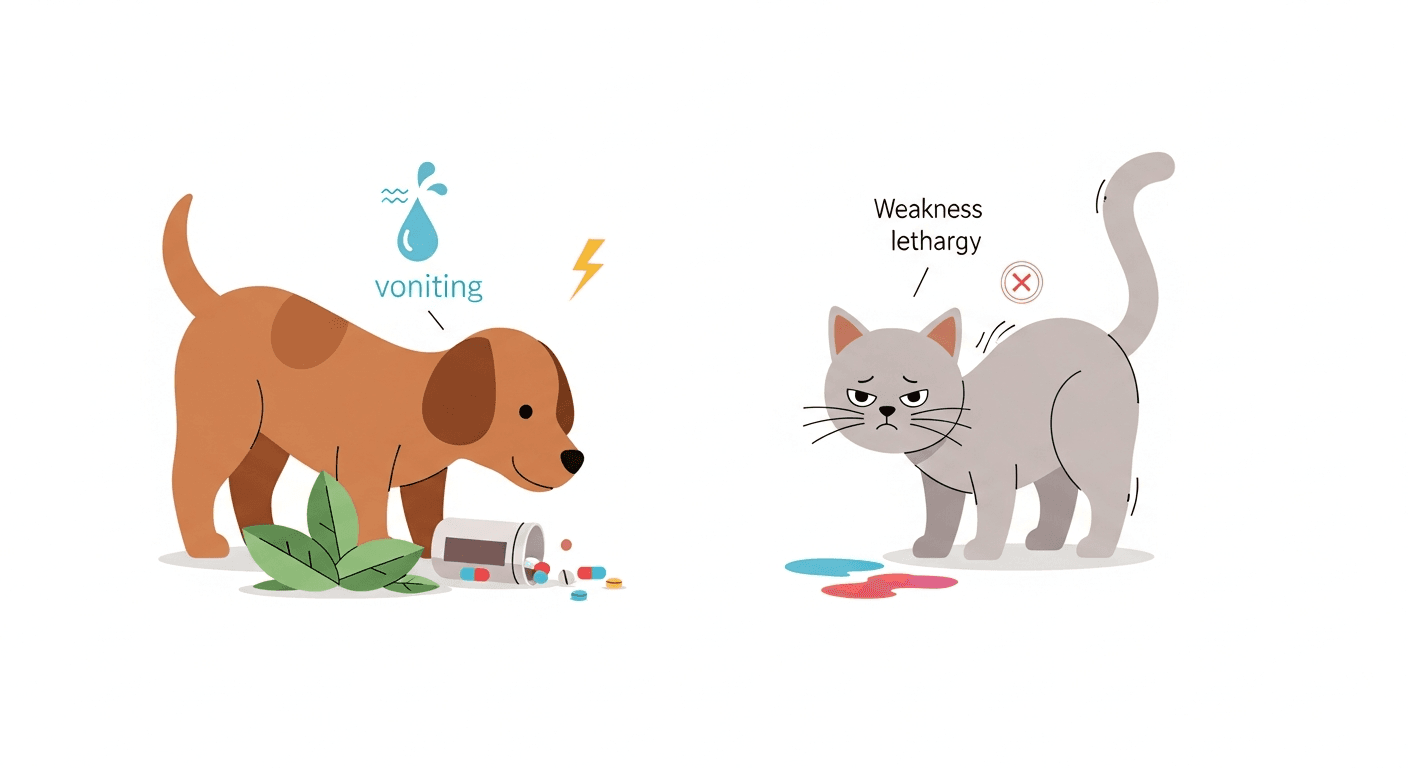
Pet Poisoning: Signs to Watch For and What to Do Immediately
Learn the warning signs of poisoning in dogs and cats, the most common toxins in the home, and the emergency steps to take right now.
 🚑 First Aid
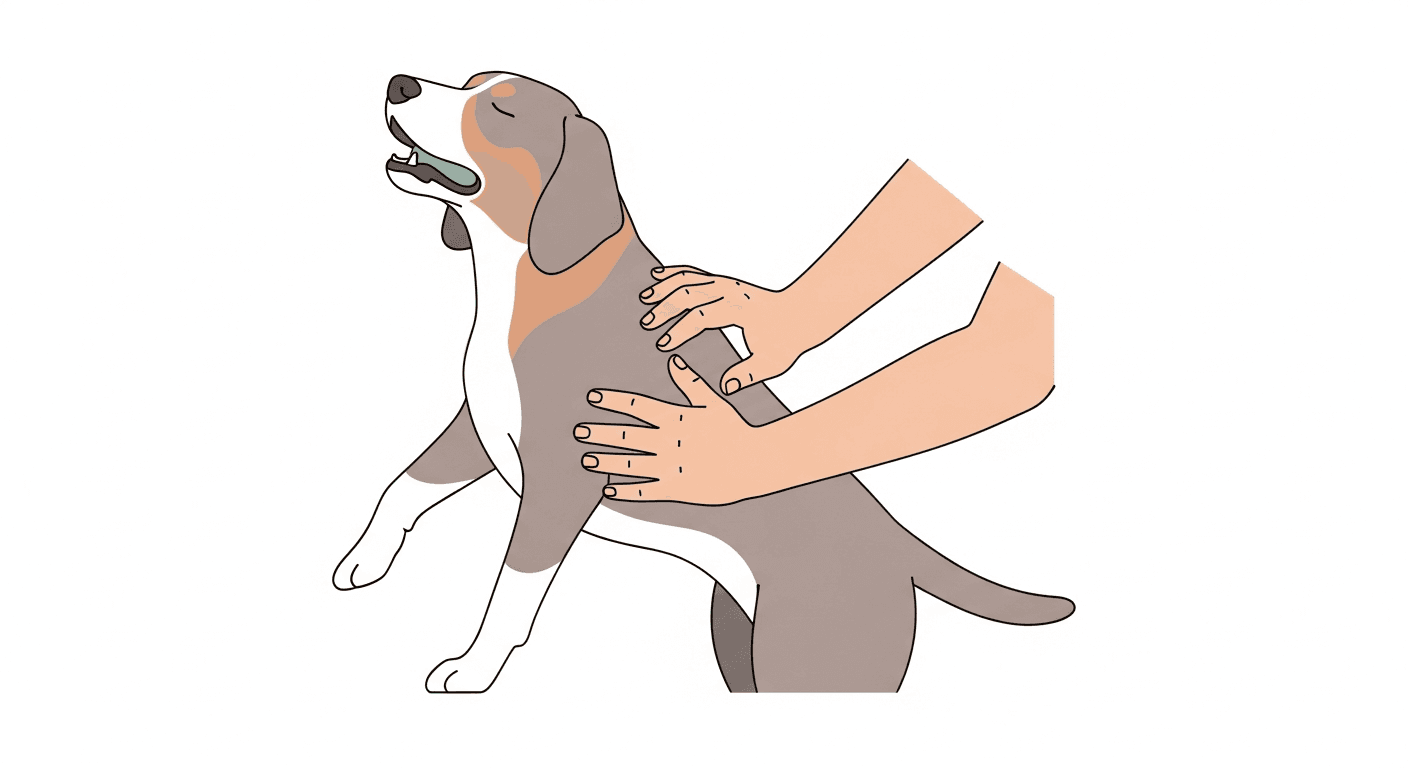
Dog Choking: How to Help a Dog With Airway Obstruction
Step-by-step guide to helping a choking dog, including the canine Heimlich maneuver, what to look for, and when to rush to the vet.
 🚑 First Aid
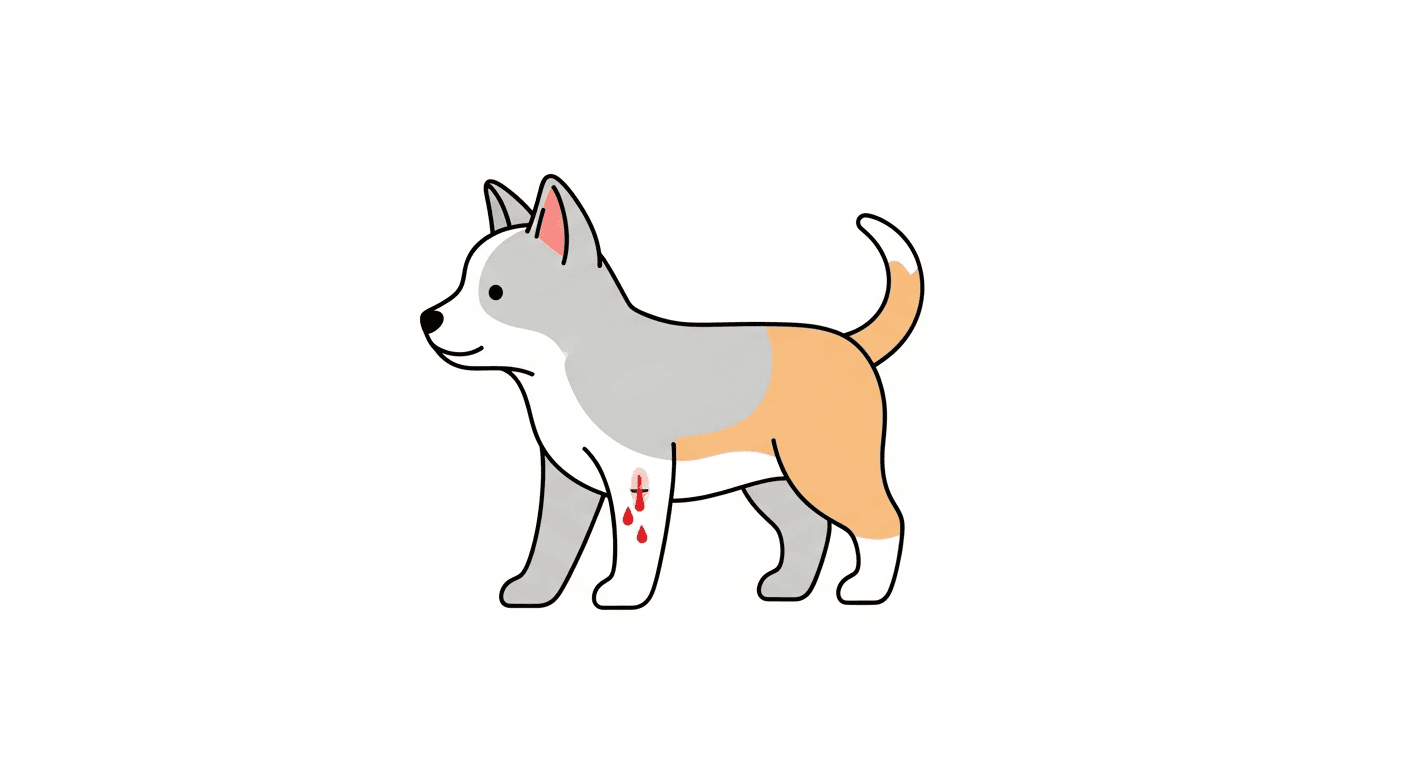
Stopping Bleeding in Pets: A Practical First Aid Guide
How to control bleeding from cuts, wounds, and injuries in dogs and cats — correct pressure technique, tourniquets, and when to rush to the vet.
 🚑 First Aid
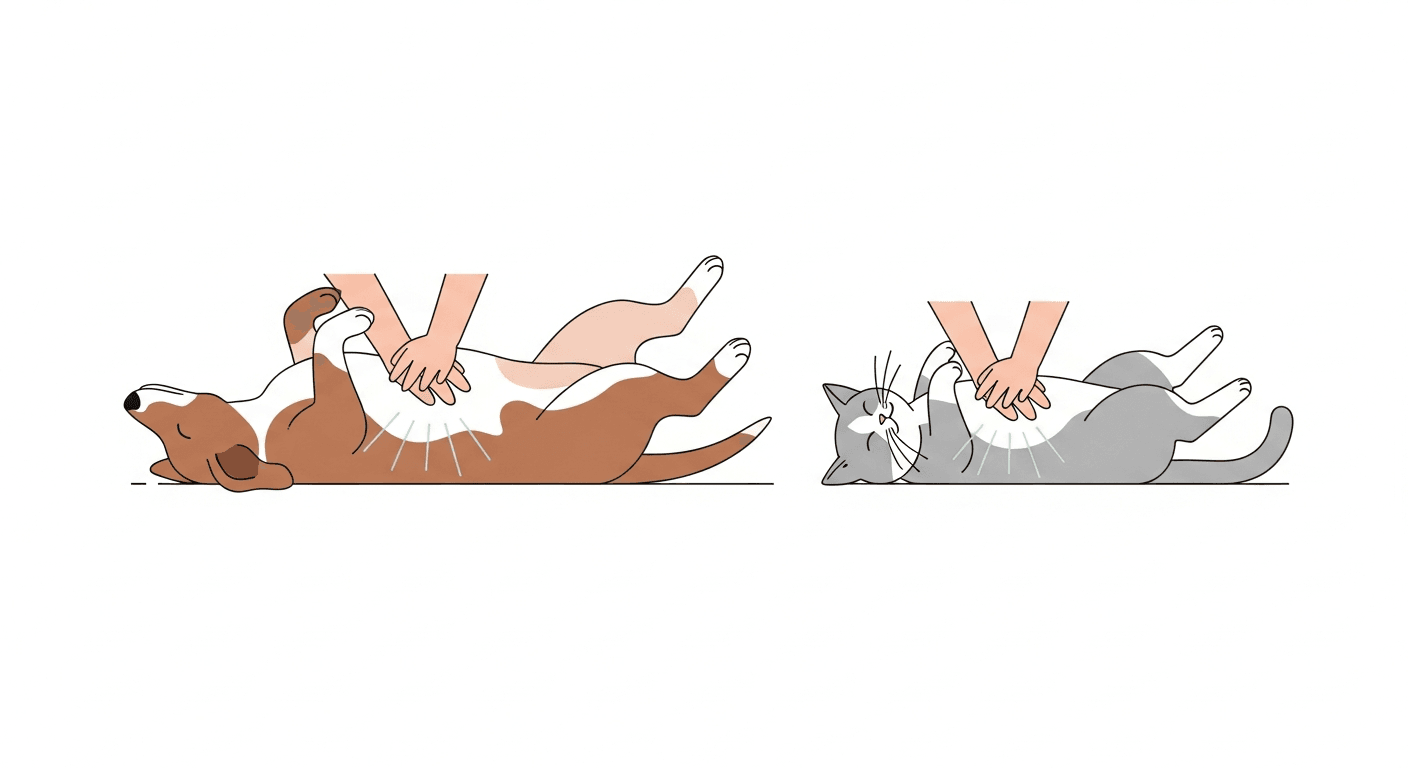
How to Perform CPR on a Dog or Cat: A Step-by-Step Guide
Learn pet CPR — how to check for pulse, perform chest compressions, and give rescue breaths for dogs and cats of different sizes, based on current guidelines.