
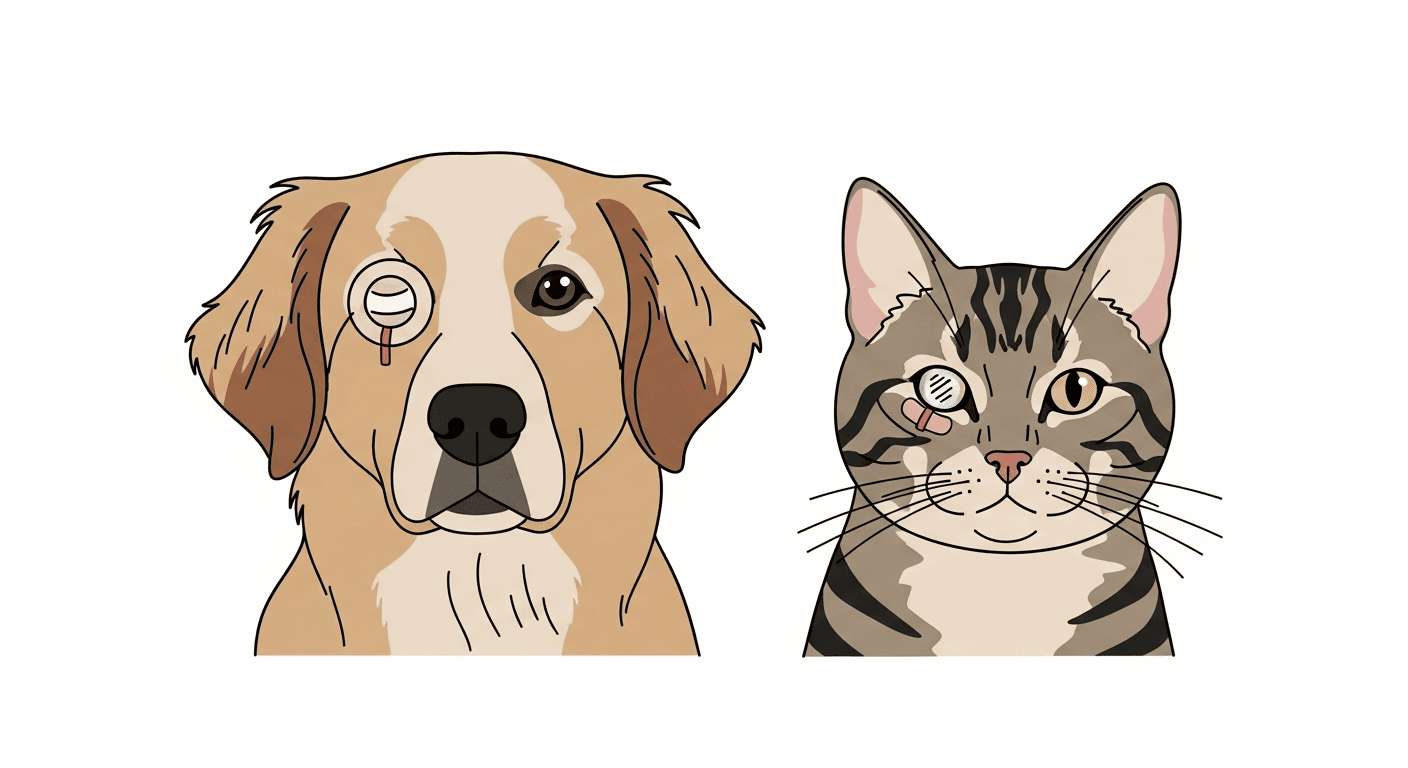
Why Eye Injuries Require Urgent Attention
The eyes are among the most delicate and rapidly deteriorating structures in the body. A corneal scratch that is fine in the morning can become a deep ulcer with permanent scarring by evening. A chemical splash can cause irreversible damage within minutes. And conditions like eye prolapse (proptosis), where the eyeball is displaced from the socket — most commonly in brachycephalic breeds like Pugs and Shih Tzus — require surgical reposition within the hour to preserve vision.
Any eye injury should be treated with urgency. Do not take a "wait until tomorrow" approach with the eyes.
Types of Eye Injuries and What to Do
Corneal Scratches and Ulcers
- Signs: Squinting, keeping the eye shut, pawing at the eye, tearing, redness, cloudiness of the cornea
- First aid: Prevent the pet from pawing — use an e-collar immediately. Do not apply any eye drops unless prescribed. Flush gently with sterile saline if there is obvious debris.
- Vet care: Same day. Corneal ulcers are treated with antibiotic drops and must be rechecked frequently — they can rapidly worsen.
Foreign Object in the Eye
- Signs: Sudden onset squinting, tearing, redness, pawing at eye
- First aid: Flush gently with sterile saline or clean water to attempt to dislodge the object. Do not attempt to remove an embedded object with tweezers or fingers. Do not rub the eye — this embeds the object deeper.
- Vet care: Required if flushing does not resolve the issue, or if the object appears embedded.
Eye Prolapse (Proptosis)
- Signs: The eyeball is partially or fully displaced from the socket — unmistakable. Common in Pugs, Bulldogs, Shih Tzus, and Pekingese after head trauma or struggle.
- First aid: Keep the eye moist with saline-soaked gauze or a wet cloth — do NOT let it dry out. Do not attempt to push the eye back in. Transport immediately.
- Vet care: Emergency surgery within 1–2 hours gives the best chance of saving the eye. Time is absolutely critical here.
Chemical Splash
- Signs: Sudden pain, tearing, redness, swelling around the eye after contact with a liquid or aerosol
- First aid: Flush immediately and continuously with clean water or saline for 15–20 minutes. Hold the eyelid open and allow water to flow across the eye surface. This is the single most important step — dilution reduces damage dramatically.
- Vet care: Immediately after flushing. Bring the chemical packaging so the vet knows what was involved.
Prevent Pawing — Always
For any eye injury, the pet's instinct to paw at the painful eye is the most dangerous behavior. It can turn a minor scratch into a ruptured globe. Use an e-collar (cone of shame) immediately, before transport. Keep one in your pet first aid kit. Log the injury time and symptoms in the TailRounds Daily Log, and use TailRounds AI Triage to confirm urgency.
Book a Same-Day Eye Appointment
No eye injury should wait until the next available slot — call specifically requesting a same-day urgent appointment. Book at Happy Paws or find the nearest veterinary ophthalmology service via the clinic finder.
Continue Reading
 🚑 First Aid
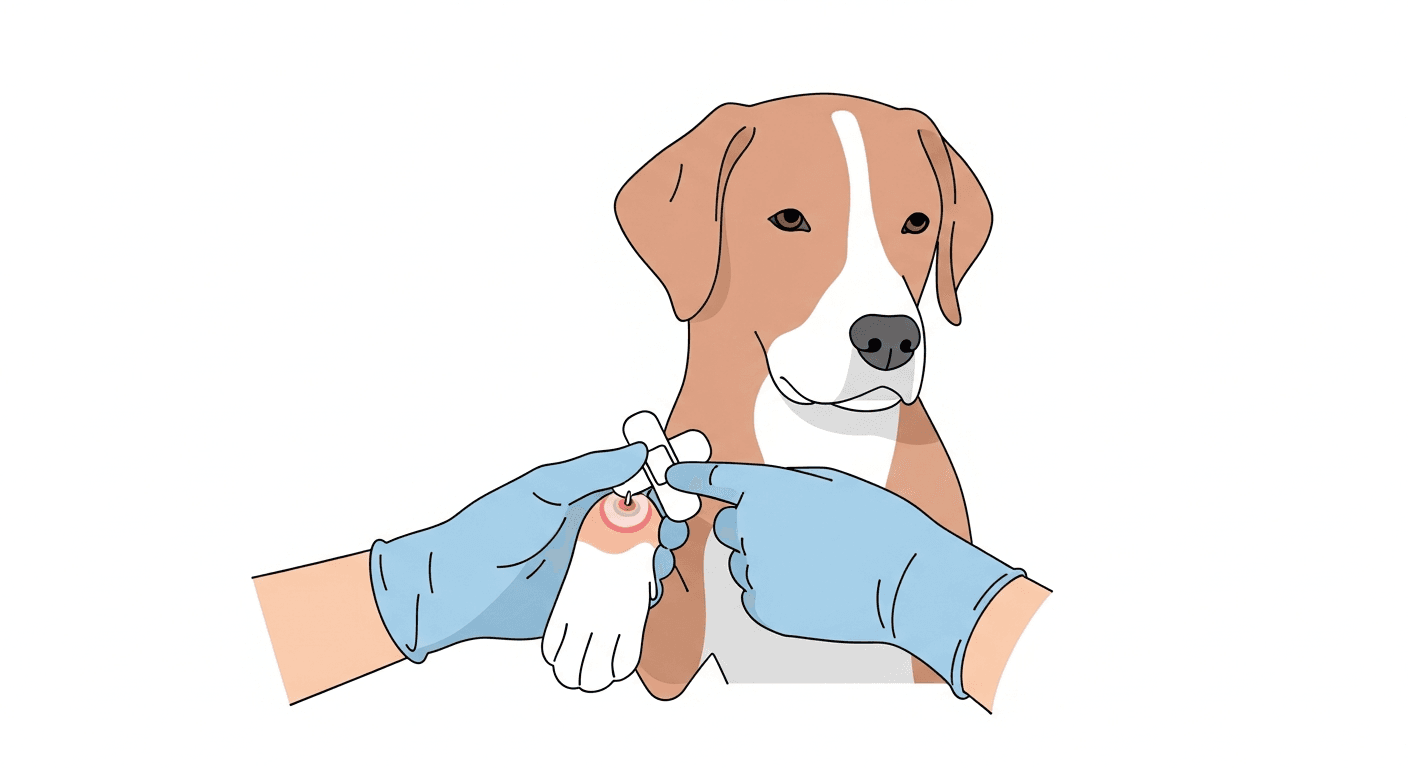
Dog Bite Wound: First Aid Steps for Your Pet
How to clean, assess, and treat a dog bite wound on another pet — first aid steps, signs of infection, and when stitches or antibiotics are needed.
 🚑 First Aid
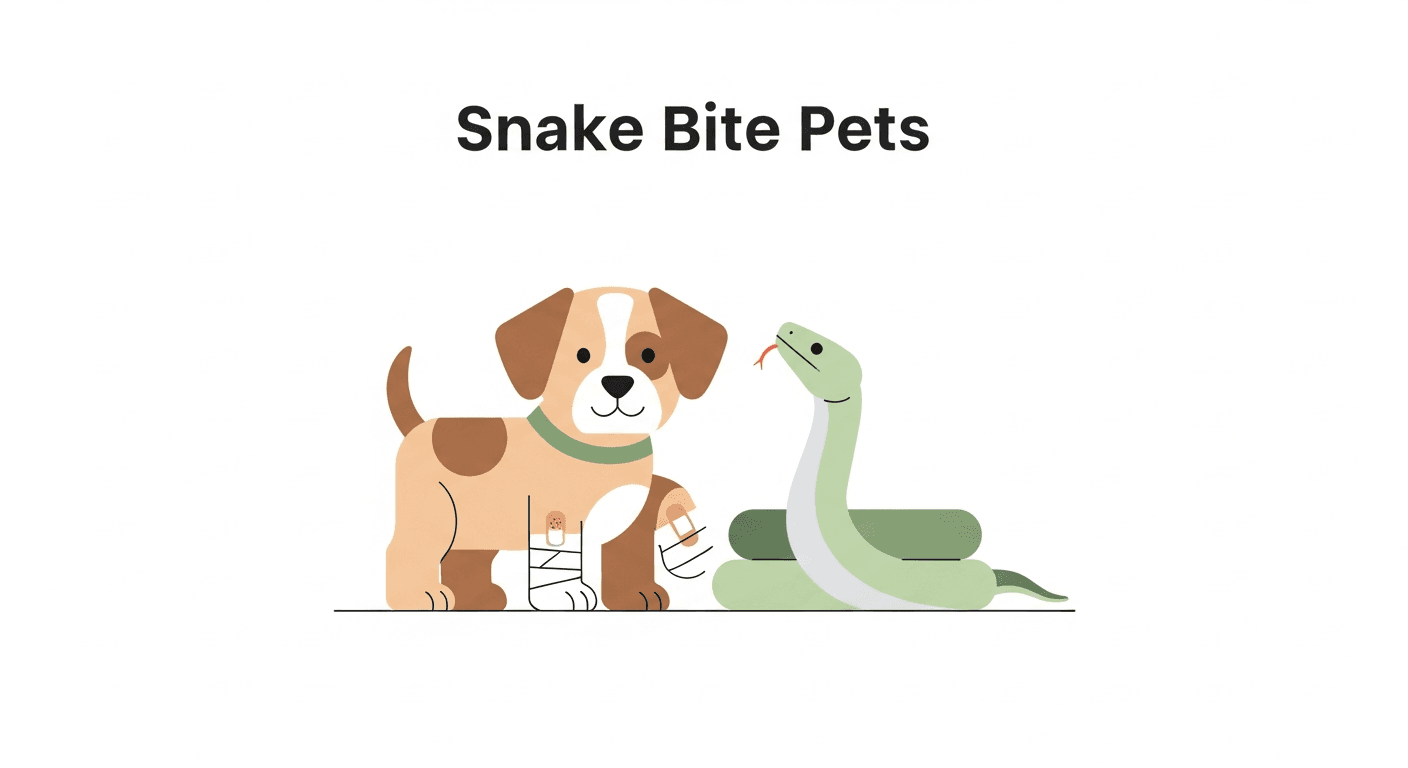
Snake Bite in Dogs and Cats: Emergency Steps and What to Expect
What to do if your dog or cat is bitten by a snake — identifying venomous vs non-venomous bites, first aid steps, and why the vet visit can't wait.
 🚑 First Aid
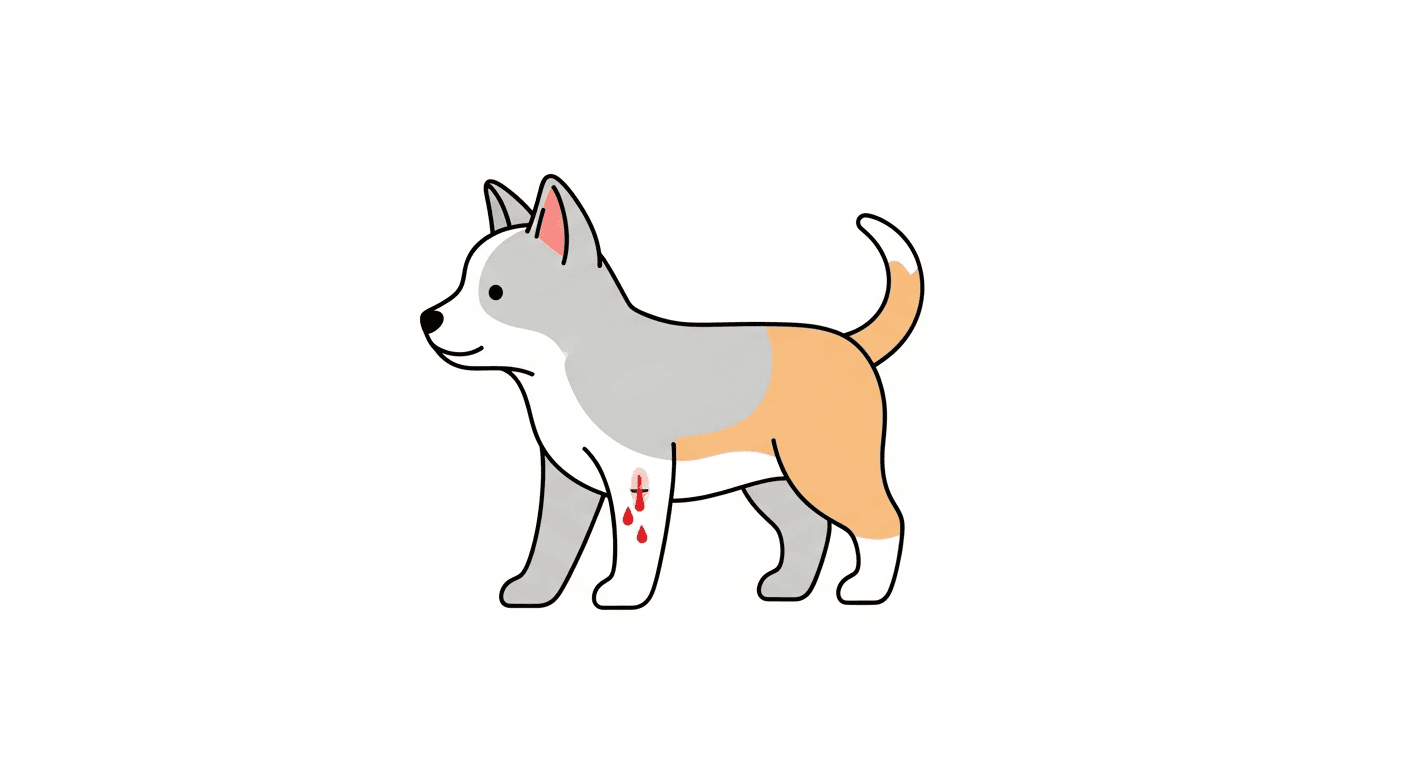
Stopping Bleeding in Pets: A Practical First Aid Guide
How to control bleeding from cuts, wounds, and injuries in dogs and cats — correct pressure technique, tourniquets, and when to rush to the vet.
 🚑 First Aid
Building a Pet First Aid Kit: Everything You Need and Why
The complete checklist for a home and travel pet first aid kit — what to include, what to avoid, and how to use the kit in a real emergency.