
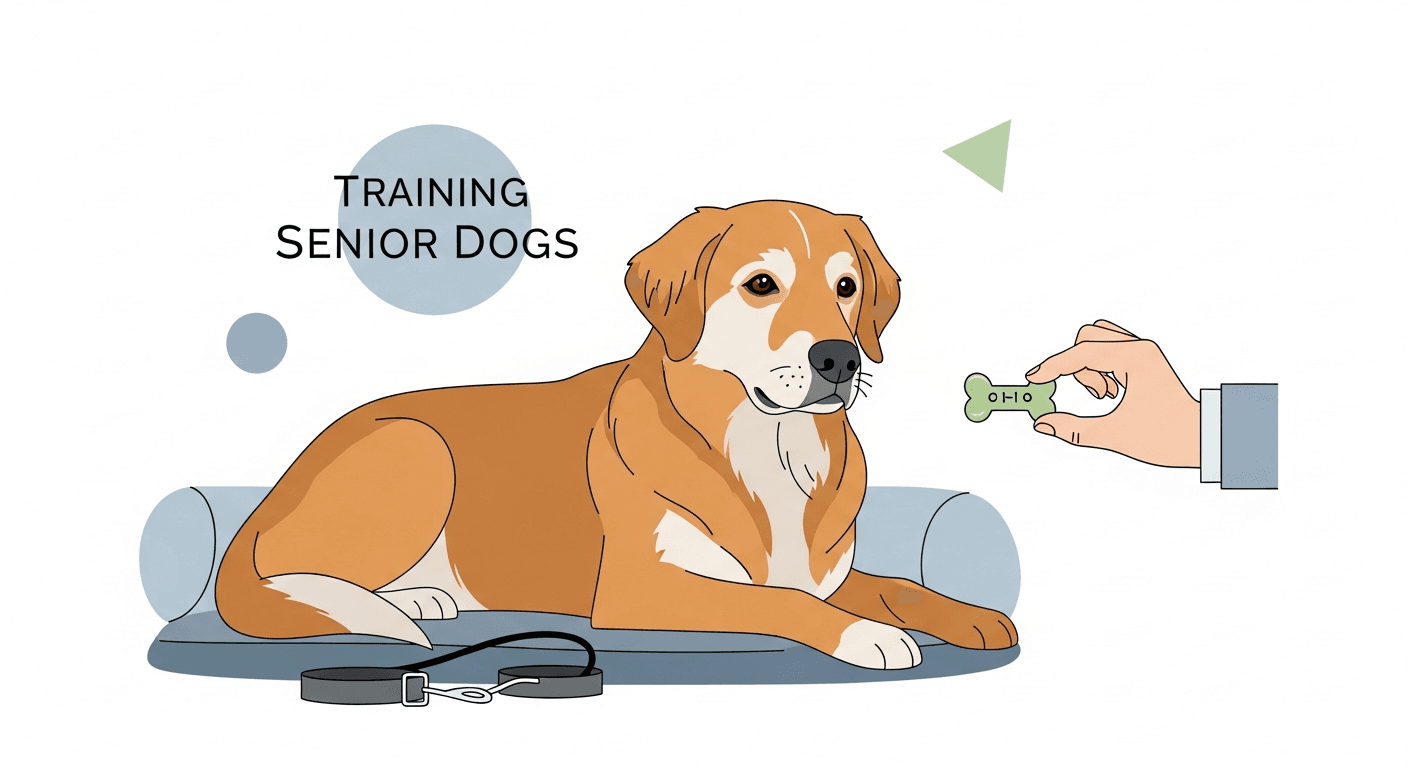
Can You Teach an Old Dog New Tricks? The Science Says Yes
The saying "you can't teach an old dog new tricks" is demonstrably wrong — and clinging to it can deny senior dogs the mental stimulation and behavior management they need for a high quality of life. Research into canine cognition confirms that adult and senior dogs retain the capacity for new learning throughout their lives. The learning process may be slower and the methods need adjustment, but the capacity is real.
In fact, training becomes more important — not less — as dogs age. Mental stimulation is a key component of cognitive health in senior dogs. Regular learning tasks and enrichment activities are associated with slower cognitive decline and better quality of life. A senior dog that has nothing to do mentally is more likely to develop anxiety, compulsive behaviors, and cognitive dysfunction syndrome.
Physical Considerations: Adapting Training for Aging Bodies
Before beginning or modifying a training program for a senior dog, a veterinary check is essential. Many behavioral changes in older dogs (reluctance to lie down, snapping when touched, reduced enthusiasm for walks) are actually signs of pain — arthritis, joint disease, dental pain, or other age-related conditions. Training over pain is ineffective and unkind. Get medical issues under control first.
- Avoid high-impact movements: Do not ask a senior dog with arthritis to do repeated sits and stands, or jumps, or fast running. Modify exercises to be low-impact.
- Use raised food bowls for training: Asking an arthritic dog to eat treats from the floor repeatedly can be uncomfortable. Deliver treats at a height that does not require lowering their head far.
- Shorter, more frequent sessions: Senior dogs tire mentally and physically faster. Five minutes three times a day may be more appropriate than fifteen minutes once.
- Softer treats: Many senior dogs have dental issues that make hard treats painful. Use soft, easily chewed treats.
- Watch for fatigue: Panting, lagging attention, and reluctance to continue are signs the session should end.
Cognitive Changes: Recognizing and Adapting for CDS
Canine Cognitive Dysfunction Syndrome (CDS) — sometimes called dog dementia — affects a significant proportion of dogs over ten years old. Signs include disorientation, getting stuck in corners, forgetting house training, altered sleep patterns, reduced interaction with family, and decreased responsiveness to familiar cues. CDS does not mean the dog cannot learn, but it does mean that learning new things is harder and that patience must be greatly extended.
- Keep training tasks short, simple, and highly rewarding
- Focus on reinforcing existing well-known behaviors rather than teaching complex new chains
- Use very high-value food rewards to maintain engagement
- Maintain a predictable daily routine — this reduces confusion and anxiety in dogs with CDS
- Discuss with your vet whether any supplements (such as SAMe or omega-3 fatty acids) or medications can support cognitive function during training
Effective Training Activities for Senior Dogs
The best training activities for senior dogs engage the brain without straining the body:
- Scent work: Hiding treats or a specific scent and asking the dog to find them is mentally exhausting (in a good way) with minimal physical demand. Excellent for senior dogs.
- Trick maintenance: Continuing to practice known tricks keeps the training relationship active and provides mental stimulation without new learning pressure.
- Mat work and settle: Teaching or reinforcing calm, settled behavior on a mat is low-impact and genuinely useful.
- Stationary puzzle feeders: Snuffle mats, Licki mats, and slow feeders provide mental engagement without the need for training sessions per se.
- Simple new tricks: Targeting a hand with their nose, touching an object on cue, or finding named items around the house are achievable and engaging.
Managing Behavioral Changes in Senior Dogs
Many senior dogs develop new behavioral issues — increased anxiety, noise phobia, house training regressions, or increased reactivity — that have a medical or cognitive component. Always rule out medical causes first. Log any behavioral changes you observe — when they started, what they look like, how frequent they are — in the TailRounds Daily Log and bring this record to your vet. Book an appointment at Happy Paws Veterinary Clinic for a full senior wellness check before attributing behavioral changes to "just getting old." Use TailRounds AI Triage if any changes seem concerning or sudden.
Continue Reading
 🎾 Dog Training
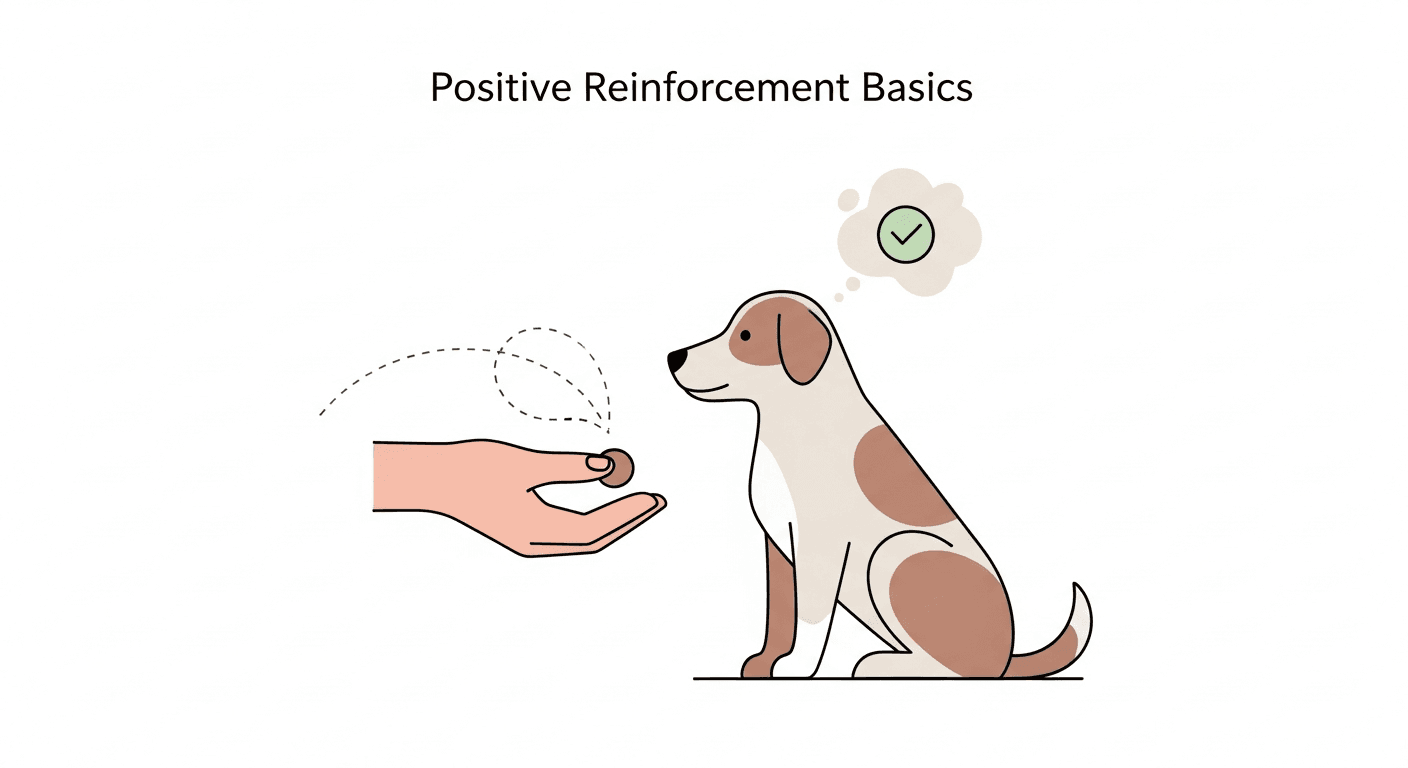
Positive Reinforcement Training: The Science and How to Apply It
Understand how positive reinforcement works in dog training, why it outperforms punishment-based methods, and how to apply it effectively.
 🎾 Dog Training
Fear-Based Behaviors in Dogs: Recognition and Compassionate Management
Understand the signs of fear-based behaviors in dogs, how to identify triggers, and evidence-based approaches to help a fearful dog.
 🎾 Dog Training
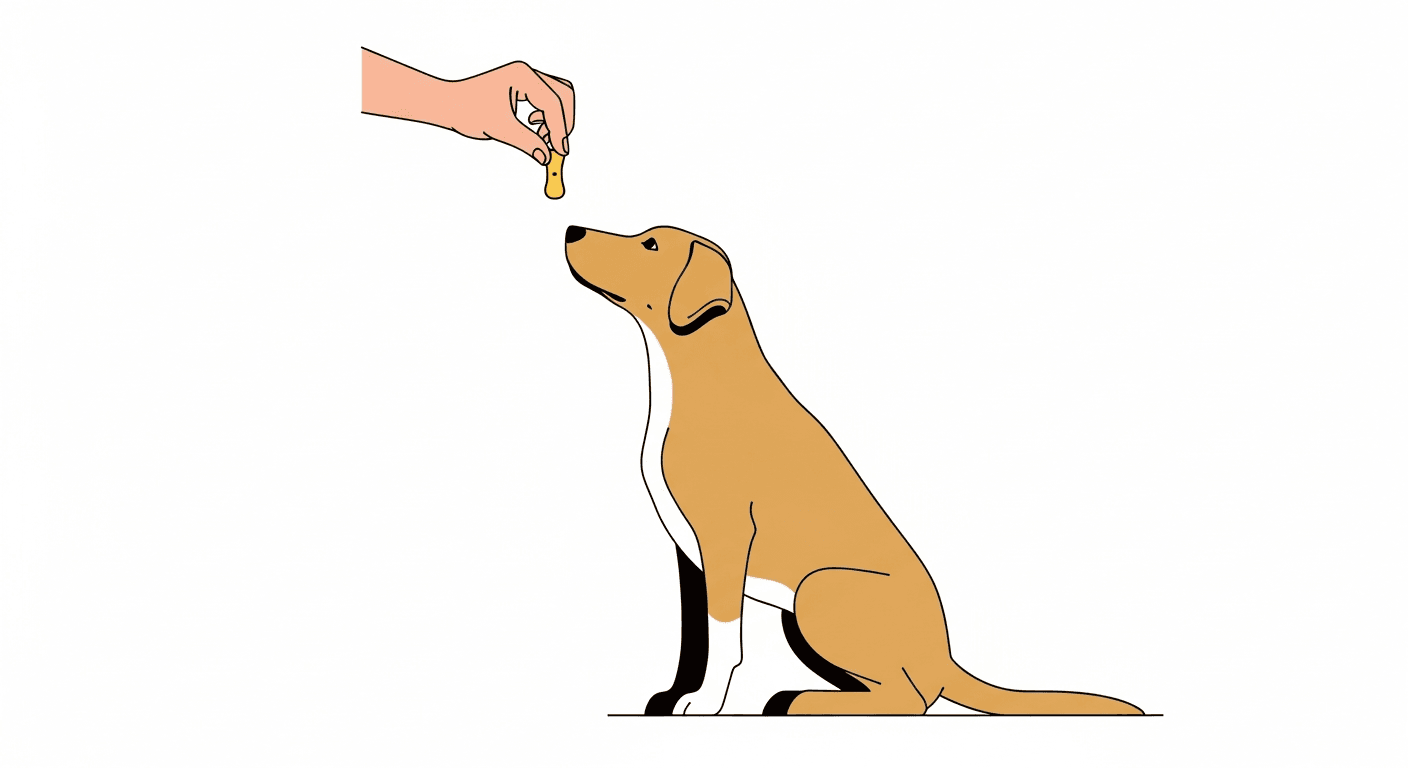
Teaching the Sit Command: A Step-by-Step Guide for Dogs
Learn how to teach your dog the sit command using positive reinforcement. Includes troubleshooting tips for stubborn or distracted dogs.
 🎾 Dog Training
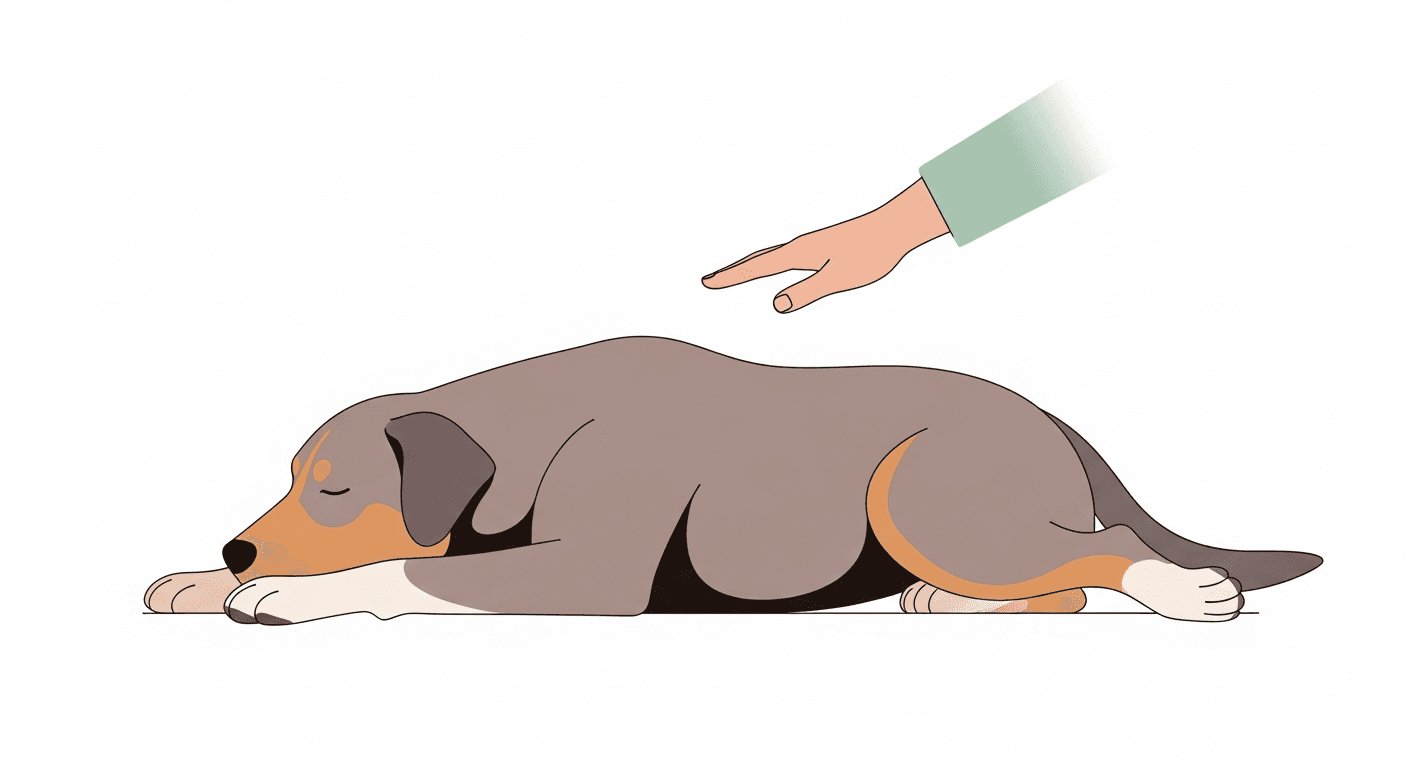
Down/Lie Down Command: Teaching Your Dog to Settle on Cue
How to teach your dog a reliable down command using luring and shaping methods, plus tips for making the down a calm, settled position.