
Understanding Fear in Dogs: Why It Matters
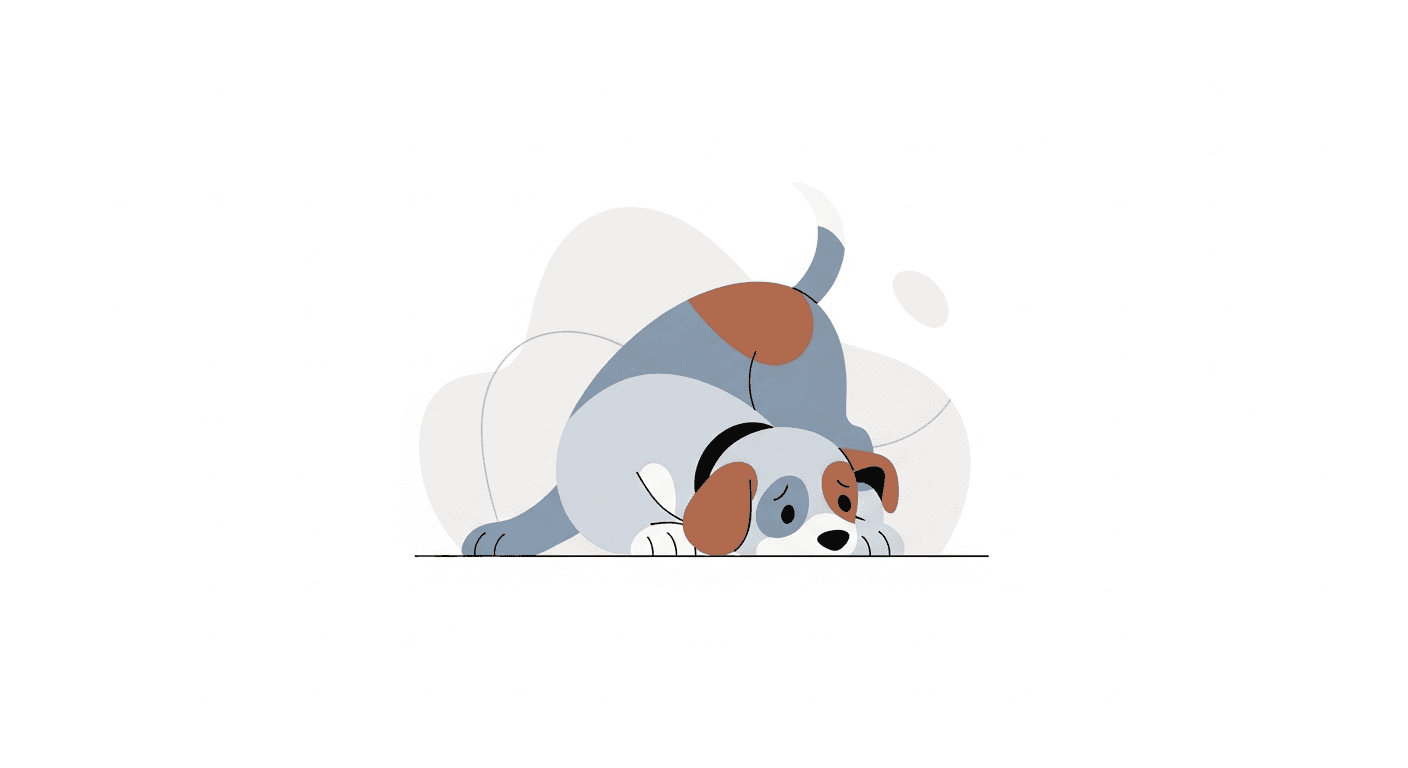
Fear is a normal, adaptive emotion that exists in all animals — including dogs — to help them avoid genuine danger. In domestic dogs, however, the fear response can become miscalibrated, triggering in situations that are not actually dangerous. A dog that is terrified of thunderstorms, strangers, other dogs, or ordinary household sounds is not choosing to be difficult — they are experiencing a genuine emotional response that feels as real and urgent to them as a genuine threat would.
Understanding that fearful behavior is emotional rather than behavioral is critical because it completely changes how you should respond. Punishing fear-based behavior does not address the underlying emotion — it adds fear of punishment on top of the original fear, often making the behavior worse or suppressing visible warning signals (making the dog more dangerous, not less). Compassionate, evidence-based approaches that address the underlying emotional state are the only way to create lasting change.
Recognizing Fear: A Comprehensive Guide to Body Language
Fear is expressed through a spectrum of body language signals. Many of the early signals are subtle and easily missed. Learning to read them means you can intervene before the dog reaches a state of panic or aggression.
- Subtle stress signals: Lip licking (not after food), yawning when not tired, looking away, sniffing the ground in an unfocused way, blinking rapidly
- Moderate fear signals: Ears flat against the head, tail tucked under the body, body lowered or crouching, whale eye (showing the whites of the eyes), refusing food or treats
- High arousal fear signals: Trembling, panting when not hot, pacing, excessive drooling, trying to hide or escape, freezing, dilated pupils
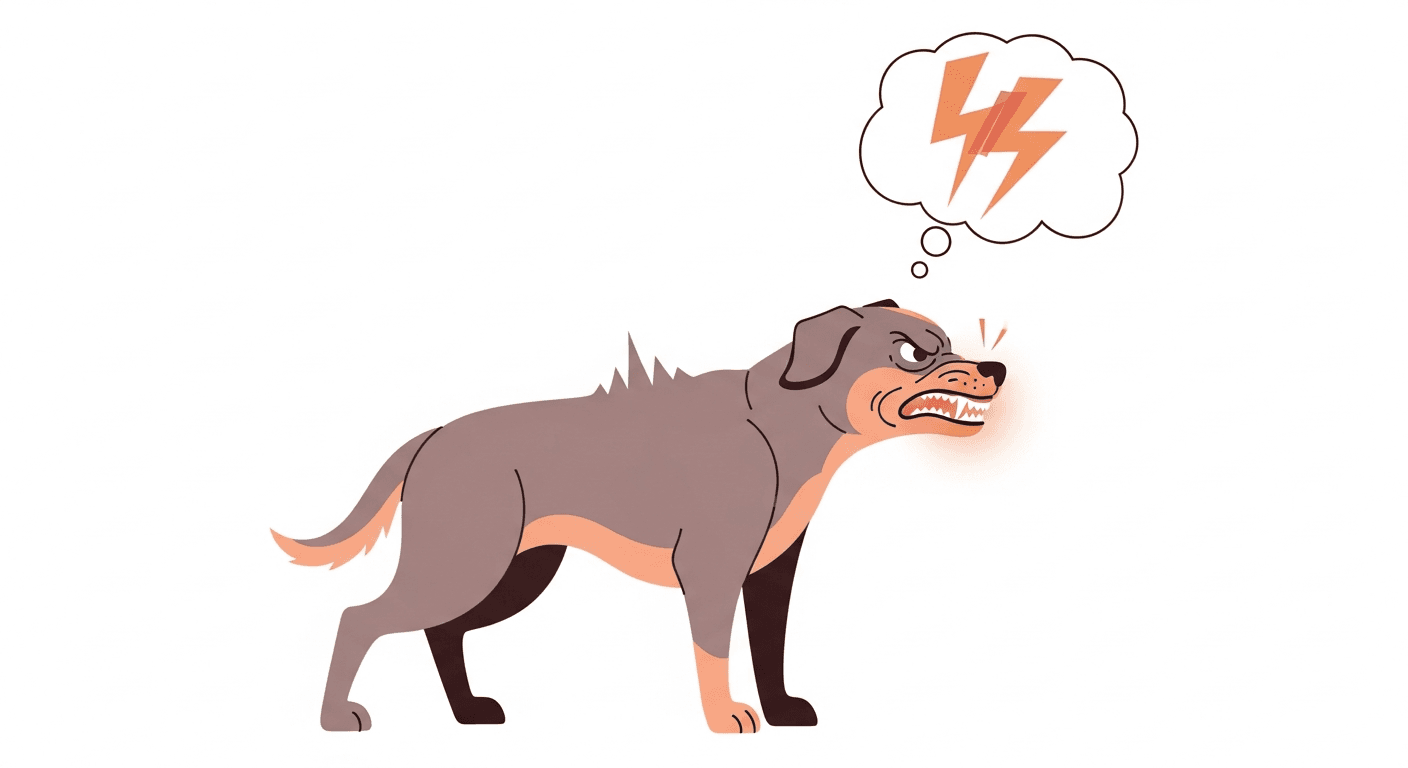
- Fear-driven aggression signals: Growling, snapping, lunging, biting — usually accompanied by the above body language (the dog is scared, not dominant)
A relaxed dog has a loose, wiggly body, soft eyes, and normal breathing. Any time you see the above signals, take them seriously and respond by reducing whatever is causing the fear.
Common Fear Triggers in Dogs
- Loud noises: thunder, fireworks, gunshots, construction
- Unfamiliar people, especially men, people in hats, people moving unpredictably
- Other dogs — particularly unfamiliar or high-energy ones
- Veterinary clinics and grooming salons
- Car travel
- Being alone
- New environments
- Specific objects: umbrellas, vacuum cleaners, bicycles
The Two Main Behavior Modification Approaches
Desensitization involves exposing the dog to the fear trigger at such a low level of intensity that no fear response is triggered. The stimulus is then gradually and incrementally increased in intensity while the dog remains below their anxiety threshold. This process is slow and requires patience — rushing it is the most common mistake.
Counter-conditioning pairs the fear trigger with something the dog loves — typically high-value food — so that the dog begins to associate the previously scary thing with something positive. The trigger predicts the treat; over many repetitions, the emotional response to the trigger changes from fear to positive anticipation.
These two methods are used together: present the trigger at a low intensity (desensitization) while pairing it with treats (counter-conditioning). The critical rule: always stay below threshold. If the dog is showing fear signals, you are too close or the stimulus is too intense. Increase distance or reduce intensity before proceeding.
What to Do During a Fear Response
- Do not force the dog to confront the fear: Flooding (forced exposure) can make fear much worse and damage your relationship with the dog.
- Do not punish fear signals: Growling, trembling, or trying to hide are communications — suppressing them does not resolve the underlying emotion.
- Do not reassure with excessive soothing: Calm, matter-of-fact behavior from you is more helpful than anxious coddling. You can pat and speak calmly, but avoid communicating that you are worried — dogs read our emotional tone.
- Create distance from the trigger: Move away from whatever is causing the fear until the dog's body language relaxes. This is the most important immediate action.
- Allow the dog to choose: Let them hide if they want to, move away from things, or stay behind you. Giving the dog agency reduces the panic response.
When to Involve a Veterinarian or Behaviorist
Seek professional help if the fear is severe (affecting quality of life), generalized (many triggers rather than one specific one), getting worse over time, accompanied by aggression, or has appeared suddenly in a previously confident dog (sudden onset can indicate pain or a neurological issue). A veterinary behaviorist can assess whether medication would support the behavior modification process — for many severely fearful dogs, medication is the difference between slow progress and genuine improvement.
Book an appointment at Happy Paws Veterinary Clinic to discuss your dog's fear responses, and document triggers, frequency, and intensity using the TailRounds Daily Log. Use TailRounds AI Triage if you need guidance on whether the situation warrants urgent professional attention.
Continue Reading
 🎾 Dog Training
Dog Aggression: Recognizing Warning Signs and Management Strategies
Learn to identify early warning signs of dog aggression and understand management and training strategies to keep your household safe.
 🎾 Dog Training
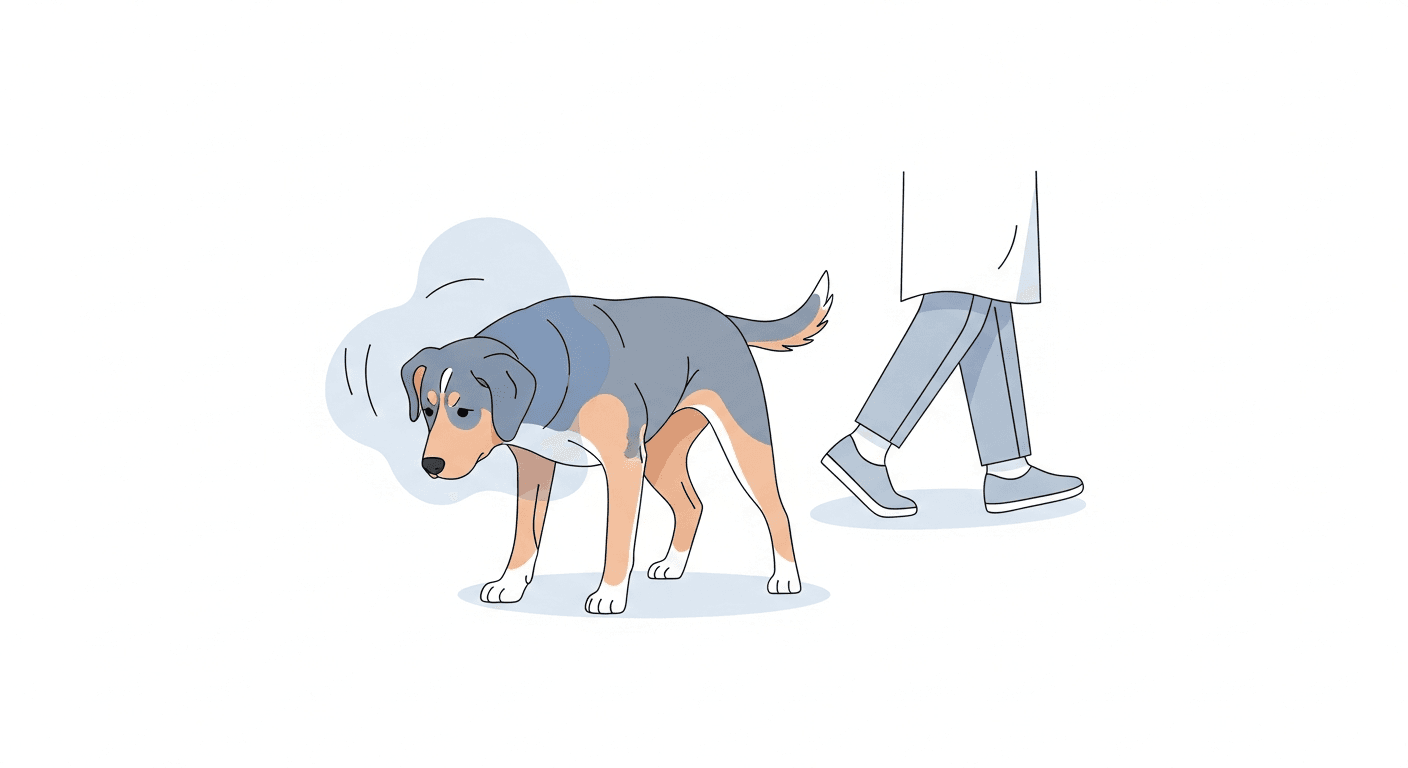
Dog Separation Anxiety: Causes, Signs, and Solutions
Understand dog separation anxiety and learn a step-by-step desensitization protocol to help your dog become comfortable being alone.
 🎾 Dog Training
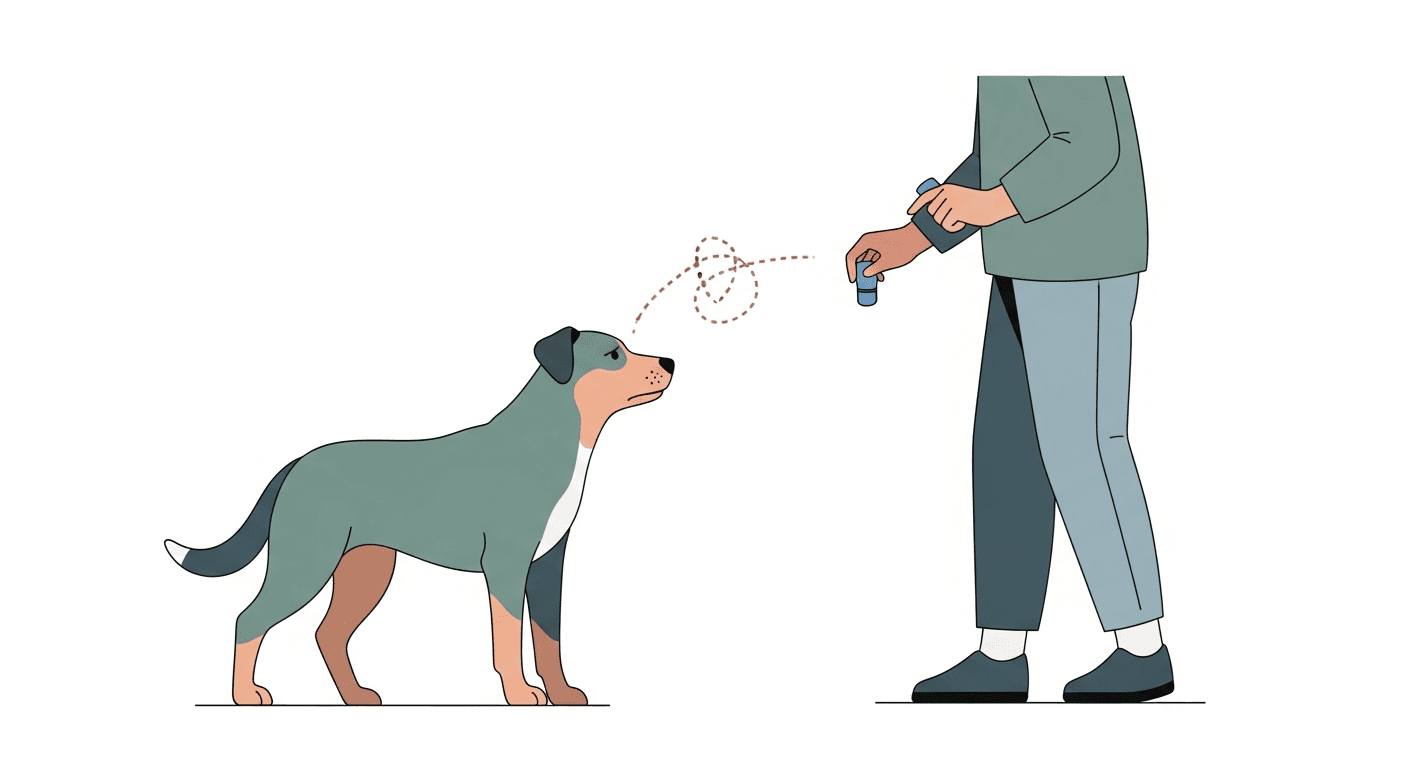
Reactive Dog Training: Help Your Dog Stay Calm Around Triggers
A practical guide to managing and training a reactive dog, covering threshold training, BAT, and real-world management strategies.
 🎾 Dog Training
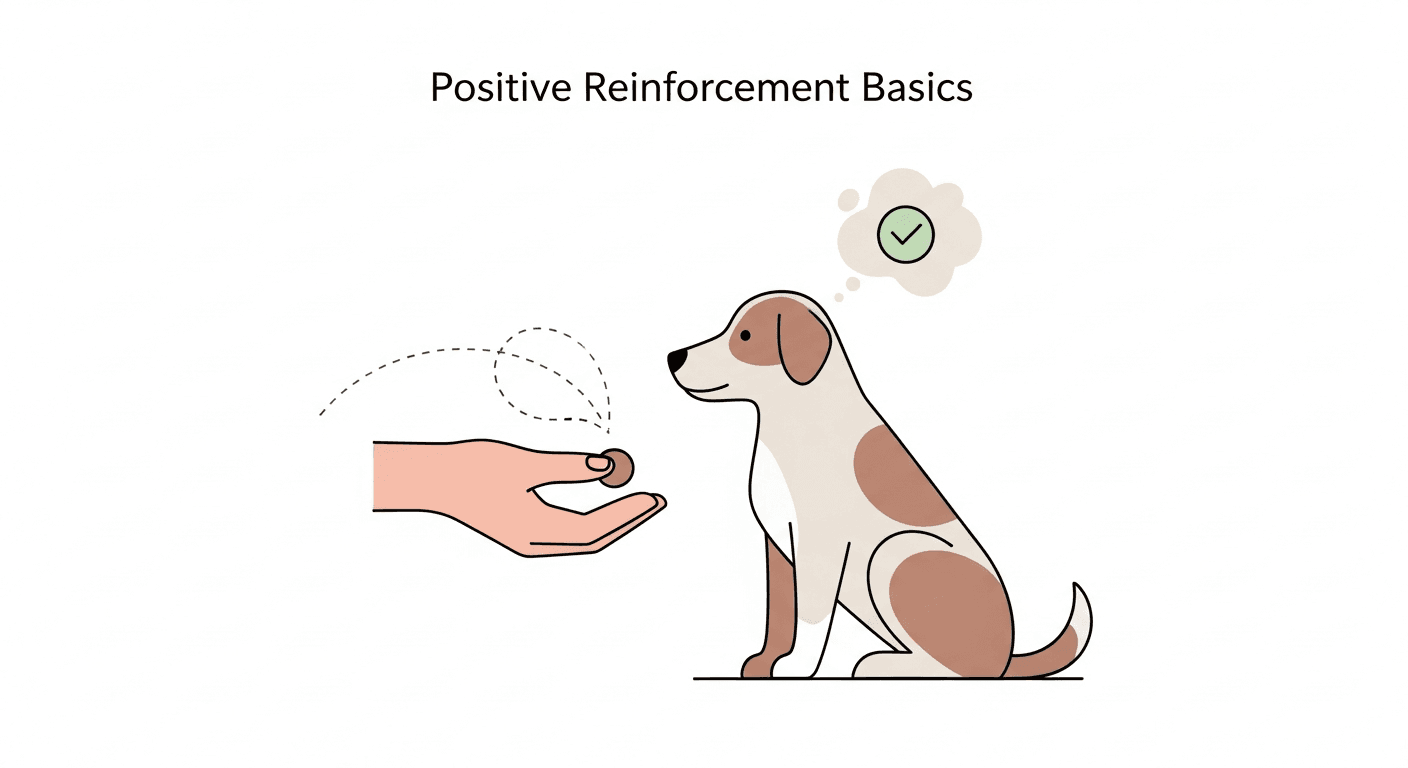
Positive Reinforcement Training: The Science and How to Apply It
Understand how positive reinforcement works in dog training, why it outperforms punishment-based methods, and how to apply it effectively.