
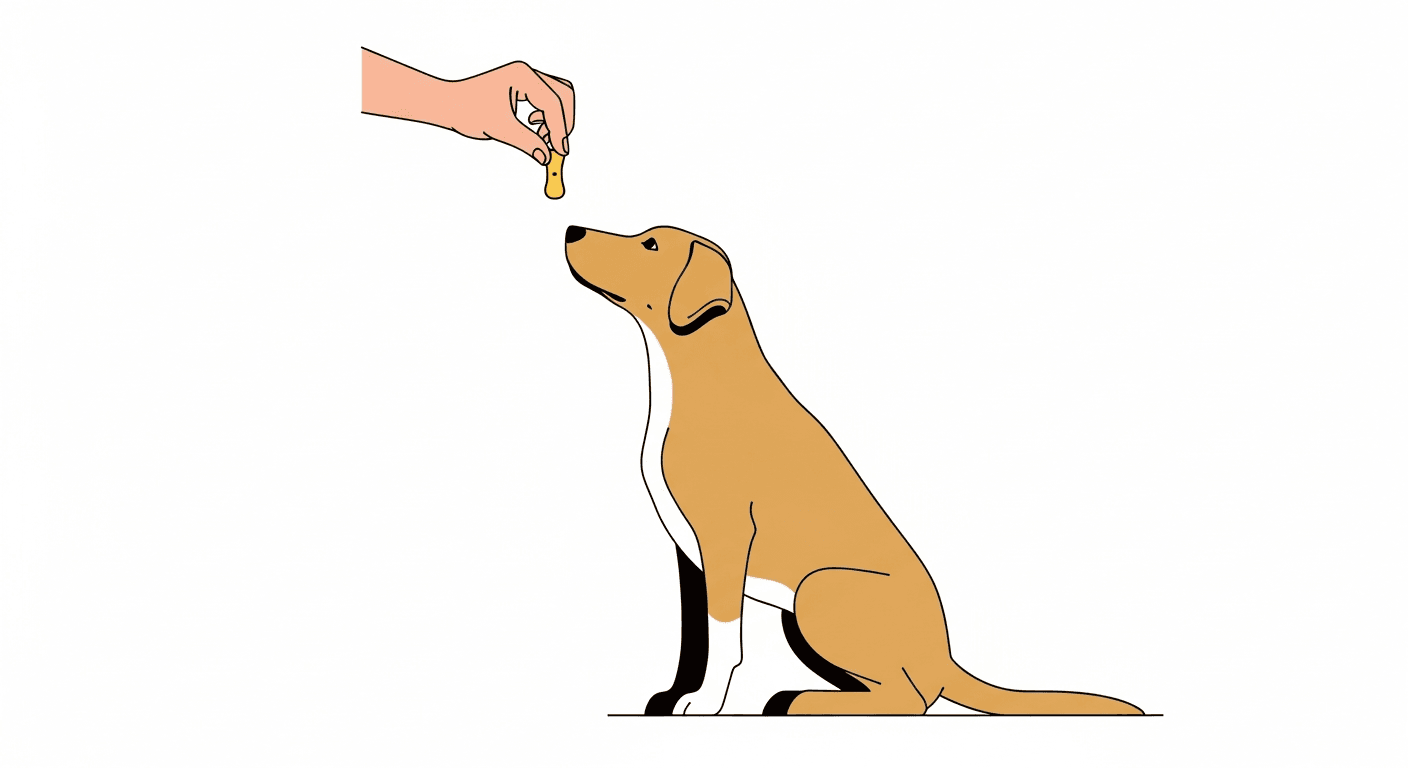
Why "Sit" Is the Foundation of All Dog Training
The sit command is usually the very first thing a dog learns — and for good reason. It is simple, fast to teach, and immediately useful in real life. A dog that sits on cue can be asked to sit before meals, before going through a door, before greeting visitors, and before crossing the road. It gives you a calm, predictable behavior to request whenever you need your dog to pause and focus. More importantly, a successful early sit session teaches your dog a crucial lesson: paying attention to you and doing what you ask produces good things. That foundation transfers to every other skill you will ever teach.
Most puppies can learn a basic sit in a single five-minute session. Adult dogs who have never been trained often take slightly longer, but the method is identical and the results are just as reliable. The key is setting up the situation so that success is almost inevitable, then rewarding it immediately.
What You Need Before You Start
- High-value treats: Small pieces (pea-sized) of something your dog loves — chicken, cheese, hot dog, or commercial training treats. Kibble works only if your dog is hungry and highly food-motivated.
- A quiet environment: Start in your living room or backyard with no other dogs, children, or distractions present. Once the behavior is solid, you can add distractions.
- A calm, neutral tone: Excitement can amp your dog up. Speak in a steady, clear voice when giving the cue.
- Short sessions: Two to five minutes, three to five times per day is ideal. Dogs learn better in short, frequent repetitions than in one long marathon session.
- A hungry (but not desperate) dog: Training just before a meal when your dog is motivated but not frantic works best.
Step-by-Step: Teaching the Sit Using a Lure
- Stand in front of your dog with a treat pinched between your thumb and index finger. Let your dog sniff it so they know it is there.
- Slowly move the treat up and back — from your dog's nose, straight up and then slightly toward their tail. This movement naturally tips their head back and lowers their rear end toward the ground. Do not push down on their hindquarters; the lure alone should do the work.
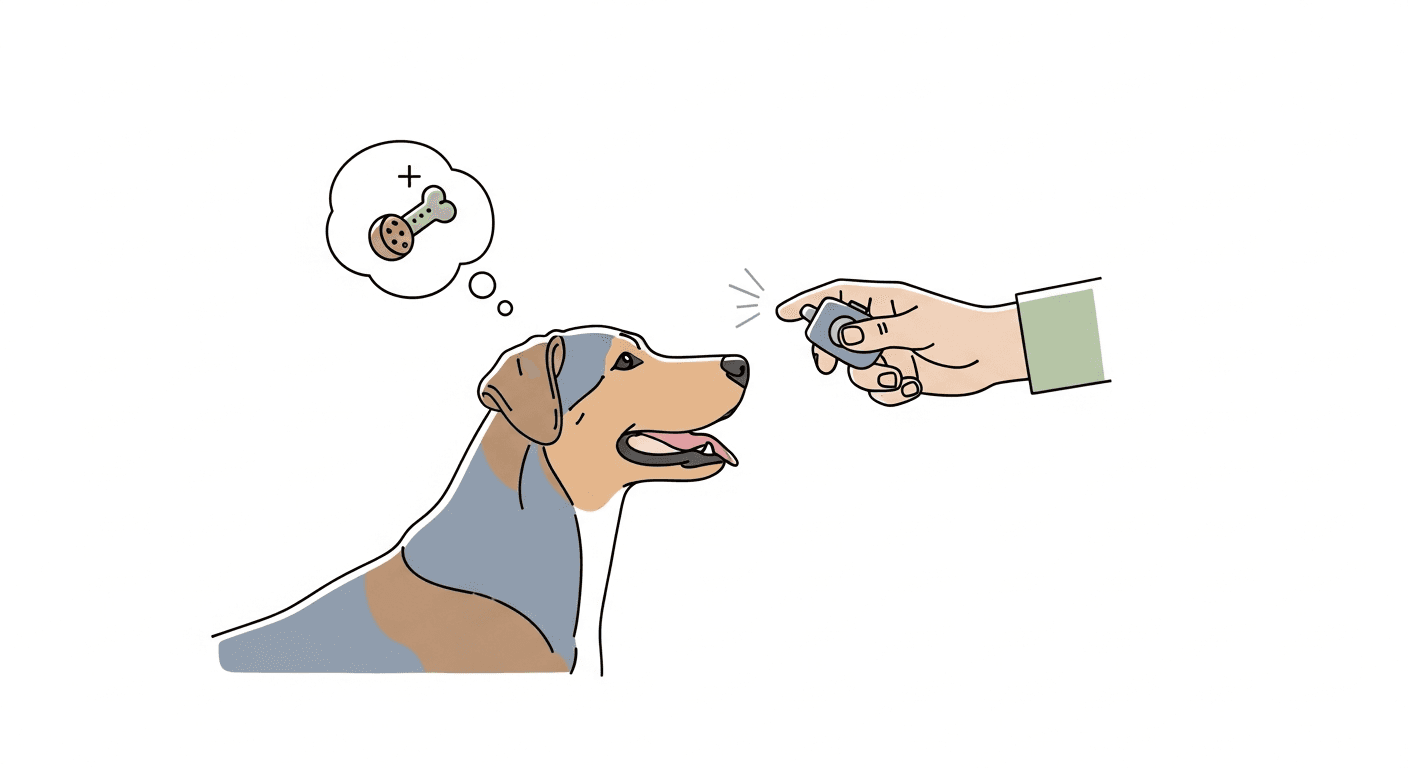
- The moment their bottom touches the floor, say "Yes!" (or click if using a clicker) and immediately deliver the treat. Timing is critical: the reward must come within one to two seconds of the sit.
- Release your dog with a release word such as "okay" or "free" before repeating. This teaches them that sit has a beginning and an end — which makes teaching "stay" much easier later.
- Repeat five to eight times per session. Most dogs are offering reliable lure-following sits within the first session.
- Fade the lure: Once your dog is following the hand motion reliably, begin to use an empty hand in the same motion. Still reward from your treat hand immediately after they sit. This transfers the behavior from following food to responding to a hand signal.
- Add the verbal cue: Once your dog is sitting reliably from the hand signal, say "Sit" once — clearly and calmly — just before you make the gesture. Over many repetitions, the word becomes the trigger and you can phase out the hand signal if you choose, or keep both.
Common Problems and How to Fix Them
- Dog jumps up instead of sitting: Your treat hand is probably moving too high. Keep the lure motion slow and low — just a few centimeters above nose height, then angling back.
- Dog backs up instead of sitting: Practice near a wall so the dog cannot step backward. The wall behind them encourages the rear end to go down instead of away.
- Dog won't look at you or ignores the lure: Your treat may not be motivating enough. Upgrade to something higher value, or wait until your dog is a little hungrier.
- Dog sits but immediately pops back up: You are not releasing before they stand on their own. Say your release word the instant they sit and get their treat, so the session stays crisp. Begin teaching "stay" as a separate behavior once the sit itself is solid.
- Dog knows sit at home but ignores you outside: This is normal — behaviors need to be generalized. Practice in five to ten new locations (garden, driveway, park car park) before expecting reliability in high-distraction environments.
Proofing: Building a Rock-Solid Sit
A sit that only works in your kitchen is not yet a fully trained sit. Proofing means gradually increasing difficulty so your dog learns to perform the behavior regardless of the environment or distraction level. Work through this hierarchy slowly, going back a step if your dog struggles:
- Sit in different rooms of the house
- Sit in the garden
- Sit on the driveway
- Sit in the car park of a quiet park
- Sit with other dogs visible at a distance
- Sit at the park with dogs nearby
- Sit when a person approaches to greet
- Sit before meals, doors, and car rides
Each new context is a new lesson for your dog. Keep treats present when adding difficulty. Once the behavior is completely reliable, you can use life rewards (going for a walk, getting their dinner, greeting a friend) instead of food treats for everyday asks.
Integrating Sit Into Daily Life
The fastest way to maintain a trained sit is to use it constantly in real-life situations. Ask for a sit before every meal. Ask for a sit before attaching the leash. Ask for a sit at every kerb. Ask for a sit before your dog greets visitors. This builds the habit into your dog's daily routine so the behavior becomes automatic — a polite default that your dog offers without being asked. Many well-trained dogs will automatically sit when they want something from their owner, because the pattern of "sit = good things happen" is so deeply ingrained.
Track your training progress and note which distractions still challenge your dog using the TailRounds Daily Log. Keeping brief notes on each session helps you identify patterns and plan the next step. If your dog is showing any signs of anxiety or fear during training, consult your vet first — use TailRounds AI Triage to check if what you are seeing is behavioral or has a medical component.
Continue Reading
 🎾 Dog Training
Positive Reinforcement Training: The Science and How to Apply It
Understand how positive reinforcement works in dog training, why it outperforms punishment-based methods, and how to apply it effectively.
 🎾 Dog Training
Down/Lie Down Command: Teaching Your Dog to Settle on Cue
How to teach your dog a reliable down command using luring and shaping methods, plus tips for making the down a calm, settled position.
 🎾 Dog Training
Stay Command Training: Teaching Your Dog to Wait Patiently
A complete guide to teaching your dog a reliable stay command, covering duration, distance, and distraction proofing step by step.
 🎾 Dog Training
Clicker Training for Dogs: A Complete Beginner's Guide
Learn how to use a clicker to train your dog faster and more precisely. Covers charging the clicker, timing, shaping, and fading the clicker.