
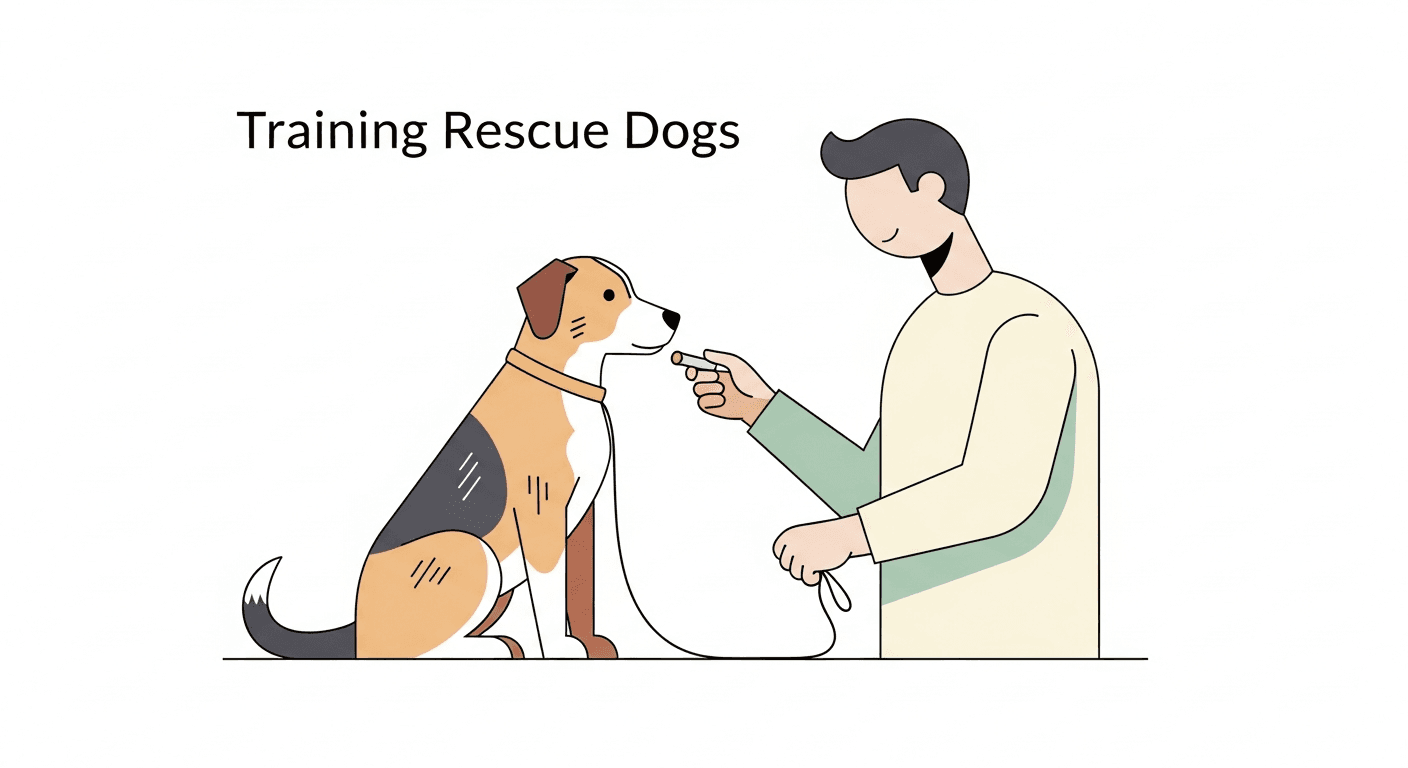
The Rescue Dog Reality: What to Expect
Adopting a rescue dog is one of the most rewarding things you can do — and also one of the most misunderstood experiences. Many adopters expect the dog to be immediately grateful and well-adjusted, and are surprised when the dog is fearful, reactive, house-soils, or behaves very differently from how they appeared at the shelter. This is normal. The shelter environment is extremely stressful, and the dog you meet at the shelter may be quite different from the dog you bring home.
The "3-3-3 rule" is a useful framework many rescue advocates share: for the first three days, the dog is overwhelmed and shut down. In the first three weeks, they start to show their real personality, which may include challenging behaviors that were suppressed by shelter stress. In the first three months, they begin to feel settled and secure. Understanding this timeline prevents enormous amounts of frustration and unrealistic early expectations.
The First Days: Decompress Before You Train
The biggest mistake new rescue adopters make is starting training too soon. The priority for the first one to two weeks is decompression — giving the dog time to decompress from the stress of shelter life and begin to feel safe in the new environment.
- Keep the house quiet. Limit visitors and children in the home for the first week.
- Give the dog their own safe space — a crate or a comfortable corner they can retreat to and are never disturbed in.
- Do not force interactions. Let the dog choose when to approach and engage.
- Maintain a predictable routine from day one. Same feeding times, same walk times, same bedtime routine. Predictability is enormously calming for anxious dogs.
- Use leash umbilical cording (keeping the dog on a leash attached to you) to prevent unsupervised accidents and to allow the dog to observe your daily routines and learn the rhythm of the household.
Building Trust Before Building Behaviors
With rescue dogs — particularly those with unknown histories, trauma, or chronic stress — the relationship foundation matters more than any individual training behavior. A dog that trusts you will work with you; a dog that fears or distrusts you will not.
- Find what they love: Discover their food and toy hierarchy early. What gets their tail going? What do they absolutely love? These become your training currency.
- Let them choose interaction: Practice letting the dog approach you rather than reaching toward them. Crouch sideways (less threatening than facing head-on) and let them come to sniff.
- Hand-feed meals: For fearful dogs, feeding all meals from your hand for the first week or two builds an extremely strong positive association with your presence.
- Mark and reward calm behavior: Any time the dog is relaxed near you, quietly say "yes" and drop a treat. Build the association that being near you is profitable and safe.
- Keep early training sessions short and positive: Five minutes of happy, successful training is far better than twenty minutes of struggling.
Common Rescue Dog Behavioral Challenges
- House training regression: Many rescue dogs are not reliably house-trained or need to learn the specific household routine from scratch. Use the same approach as puppy house training — schedule, supervision, reward successes, and ignore accidents.
- Fear-based behaviors: Hiding, flinching at movement, growling when cornered, or hiding under furniture are all common. Never force interaction. Use gentle counter-conditioning with high-value treats. See our guide on fear-based behaviors in dogs for detailed methods.
- Separation anxiety: Very common in rescue dogs who may have experienced abandonment or multiple rehomings. Begin building alone-time tolerance in tiny increments from the first days home. See our separation anxiety guide.
- Resource guarding: Dogs from competitive shelter environments, or those that experienced food scarcity, may guard food intensely. Implement management immediately and begin the trading game protocol.
- Leash reactivity: Many rescue dogs have had no leash training and find the constraint of the leash frustrating. Start leash training in low-distraction environments and build slowly.
Starting Formal Training: When and How
Once your dog appears comfortable in the home — approaching you voluntarily, eating well, sleeping soundly, and showing some playfulness — formal training can begin. Start with the simplest, most positively reinforced behaviors: name recognition, sit, eye contact. Keep sessions to five minutes maximum. Use your highest-value treats.
Enroll in a positive-reinforcement group class, which provides socialization as well as structured training. Make sure the trainer is familiar with fearful and reactive dogs. Avoid any class or trainer that uses force, punishment, or aversive tools.
Track behavioral progress from day one — what the dog would and would not do at first, and what has changed over weeks — in the TailRounds Daily Log. This record is invaluable for identifying patterns, celebrating progress, and informing any vet or behavioral consultations. Book an appointment at Happy Paws Veterinary Clinic within the first two weeks for a full health check — many behavioral issues in rescue dogs have a medical component.
Continue Reading
 🎾 Dog Training
Fear-Based Behaviors in Dogs: Recognition and Compassionate Management
Understand the signs of fear-based behaviors in dogs, how to identify triggers, and evidence-based approaches to help a fearful dog.
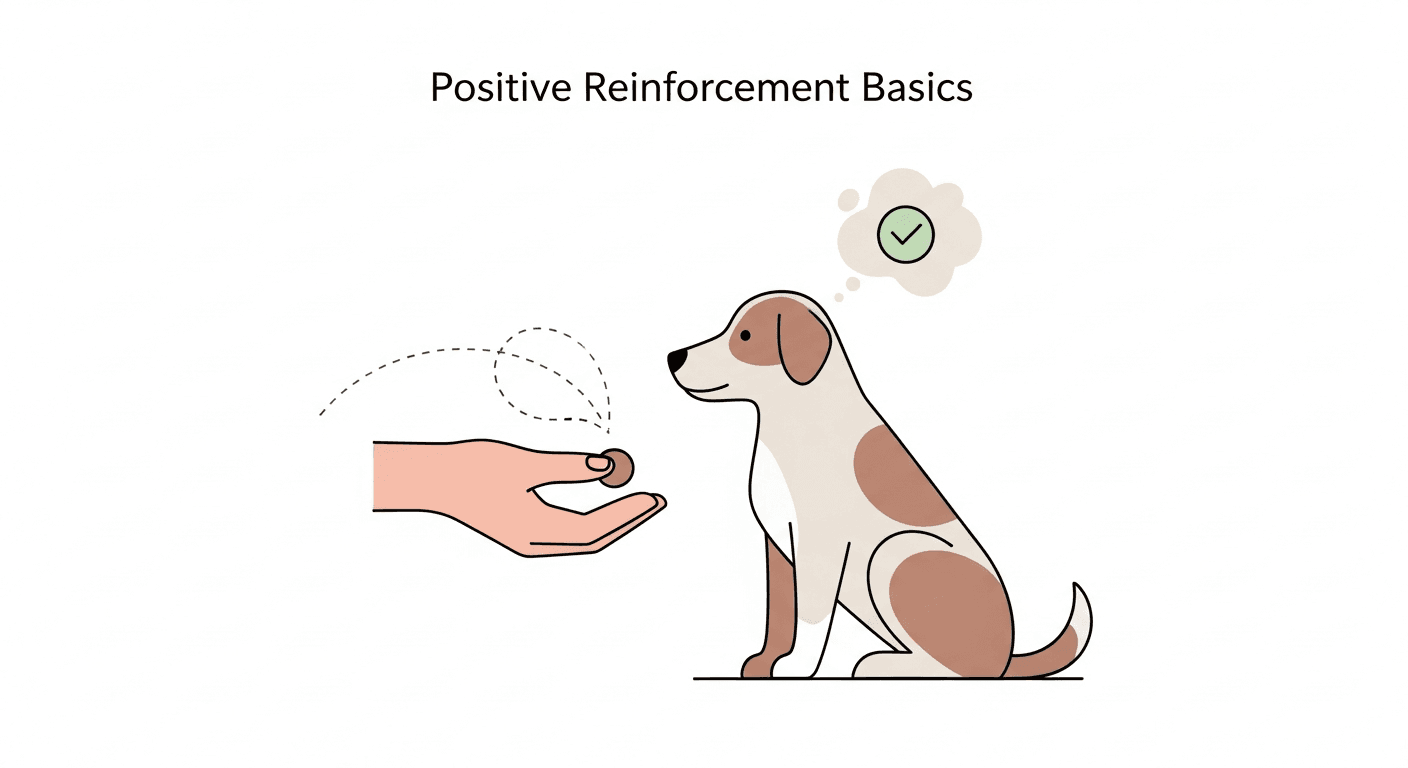 🎾 Dog Training
Positive Reinforcement Training: The Science and How to Apply It
Understand how positive reinforcement works in dog training, why it outperforms punishment-based methods, and how to apply it effectively.
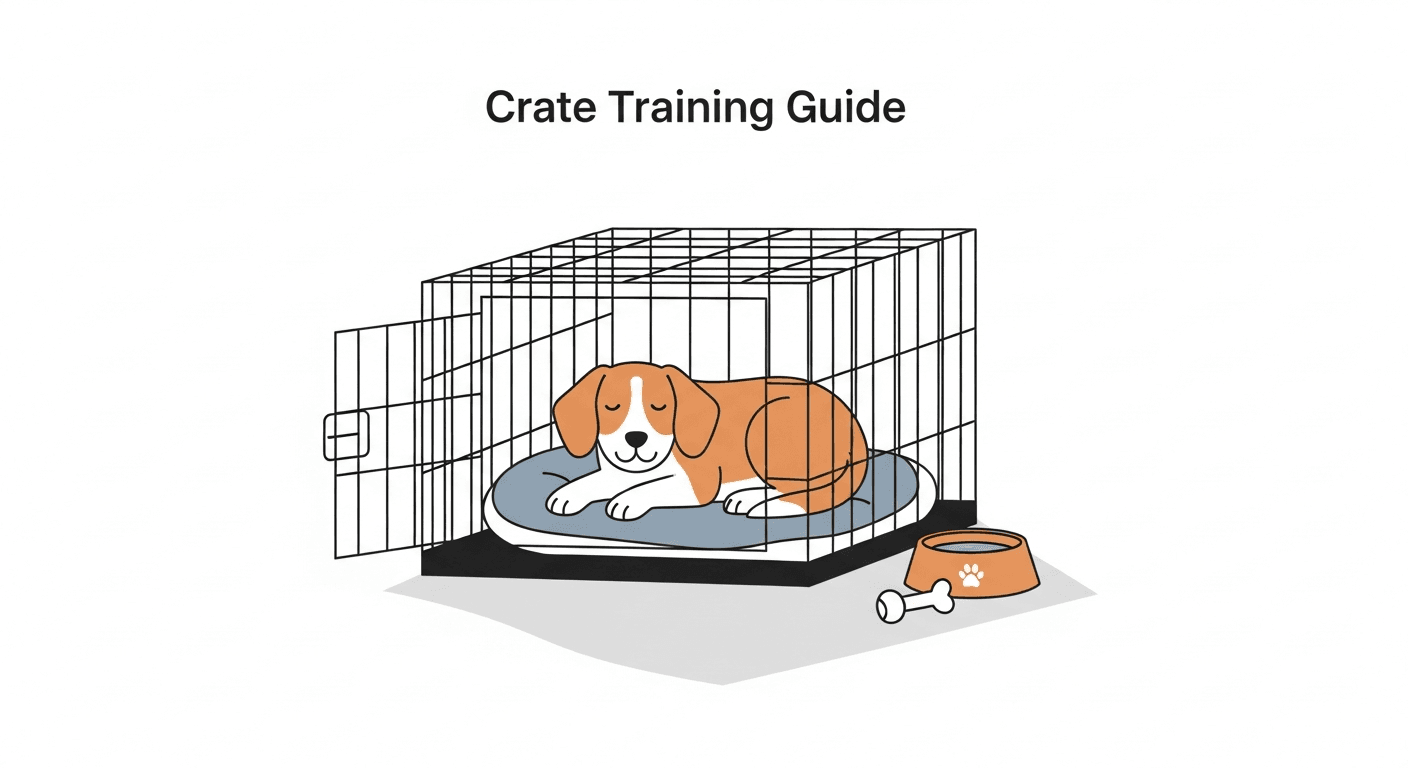 🎾 Dog Training
Crate Training Step by Step: Making the Crate a Safe Haven
Learn how to crate train your dog or puppy humanely, covering crate selection, introduction steps, and building up to overnight use.
 🎾 Dog Training
Dog Separation Anxiety: Causes, Signs, and Solutions
Understand dog separation anxiety and learn a step-by-step desensitization protocol to help your dog become comfortable being alone.