
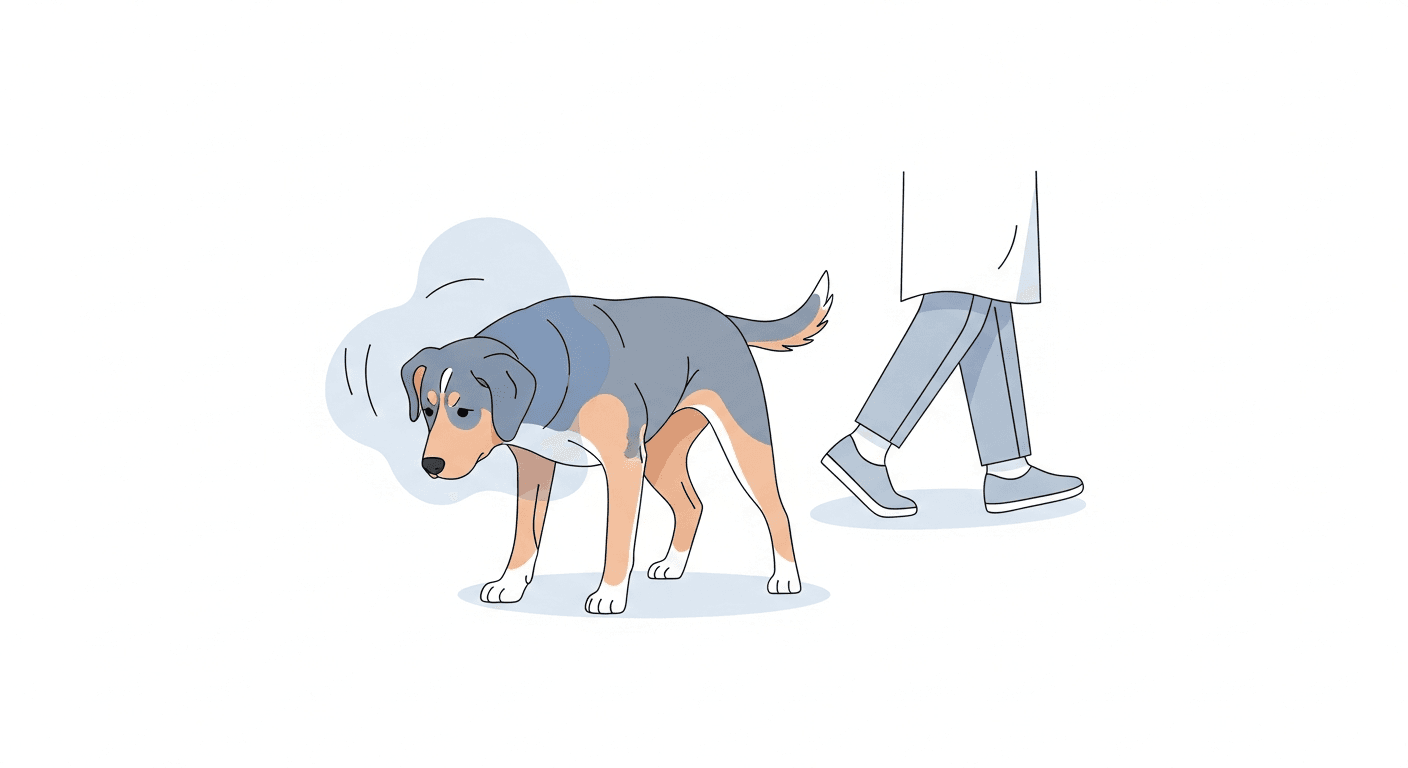
What Is Separation Anxiety in Dogs?
Separation anxiety is a genuine anxiety disorder in which a dog experiences significant psychological distress when separated from their primary attachment figure — usually a person, but sometimes another dog. It is not misbehavior, stubbornness, or spite. The dog is experiencing something similar to a panic attack, and the behaviors associated with it — destructive chewing, constant barking, self-injury, and inappropriate elimination — are distress responses, not choices.
True separation anxiety must be distinguished from "separation frustration" or "boredom behaviors." A dog that destroys items out of boredom when left for long periods, but is not actually distressed, requires more enrichment and exercise rather than a desensitization protocol. True separation anxiety dogs show distress that begins immediately when you start pre-departure routines, intensifies rapidly within the first thirty minutes of departure, and does not resolve with more exercise or enrichment alone.
Signs and Symptoms of Separation Anxiety
- Distress behaviors that occur only or primarily when left alone (barking, howling, whining, destructive chewing, scratching at doors)
- Pacing, drooling, or panting as you prepare to leave
- Toileting inside despite being house-trained, only when left alone
- Attempting to escape — sometimes causing self-injury (broken nails, damaged teeth, lacerated paws)
- The dog settling down only when the owner returns
- Shadow-following: sticking to the owner's side constantly when at home
- Signs of distress visible on cameras within five to ten minutes of departure
A home camera or doorbell camera pointed at your dog is an invaluable diagnostic tool. If you are unsure whether your dog has separation anxiety or simply barks for a few minutes and then settles, review the footage from your last few departures.
The Desensitization Protocol: Step by Step
The only proven method for treating separation anxiety is systematic desensitization — exposing the dog to the experience of being alone in tiny, manageable increments so the anxiety response never has a chance to activate. The critical rule is to stay below the anxiety threshold at all times. If the dog is anxious, the session is too long.
- Pre-departure desensitization: Practice departure cues (picking up keys, putting on shoes, picking up your bag) without actually leaving. Do this dozens of times per day until these cues no longer trigger anxiety in your dog.
- Threshold departures: Step outside the front door for one second, then return and act completely calmly. Your dog should be calm when you return. If they are calm, repeat ten to twenty times per day.
- Build duration by seconds, not minutes: Once one second is easy, try five seconds. Then ten. Then thirty. Then one minute. Go back a step any time your dog shows distress. Progress is often measured in weeks, not days.
- Depart in a calm, matter-of-fact way: Long, emotional goodbyes increase anxiety. Leave calmly. Return calmly. No big greetings — wait for your dog to settle before giving attention when you return.
- Use food-stuffed Kongs or puzzle feeders for short absences: High-value food given only during departures can create a positive association with your absence. Give the Kong as you leave; pick it up when you return.
- Avoid leaving the dog for longer than their current threshold: While you are training, the dog should not experience full-blown anxiety sessions. If you must leave for longer than the dog can handle, arrange for a dog sitter, take the dog to work, or use doggy daycare.
Medication: When Is It Needed?
For moderate to severe separation anxiety, behavior modification alone is often not sufficient or is too slow to be practical. Anti-anxiety medication prescribed by a veterinarian can lower the baseline anxiety level enough for the desensitization protocol to be effective. This is not "sedating" the dog — appropriate anxiolytic medication makes the dog able to actually learn during training sessions rather than being too anxious to process information.
Options include daily medications (fluoxetine, clomipramine) that take two to four weeks to reach therapeutic effect, and situational medications (such as trazodone) that can be used for specific situations while waiting for the daily medication to take effect. This is a conversation for your veterinarian. Book an appointment at Happy Paws Veterinary Clinic to discuss whether medication is appropriate for your dog. Track your dog's behavior each day in the TailRounds Daily Log — this record will be enormously valuable for your vet to assess progress and adjust the treatment plan.
Supporting Your Dog Long-Term
- Practice "alone time" even when you are home — teach your dog that relaxing in another room from you is normal and safe
- Avoid punishing any anxiety-related behaviors — this adds fear to distress, making it worse
- Ensure your dog has adequate exercise and mental stimulation daily
- Consider whether your dog's daily routine provides enough predictability — anxious dogs often thrive on consistent schedules
- Build a support network: neighbors, dog walkers, or doggy daycare can ensure the dog is never left beyond their current threshold during training
Continue Reading
 🎾 Dog Training
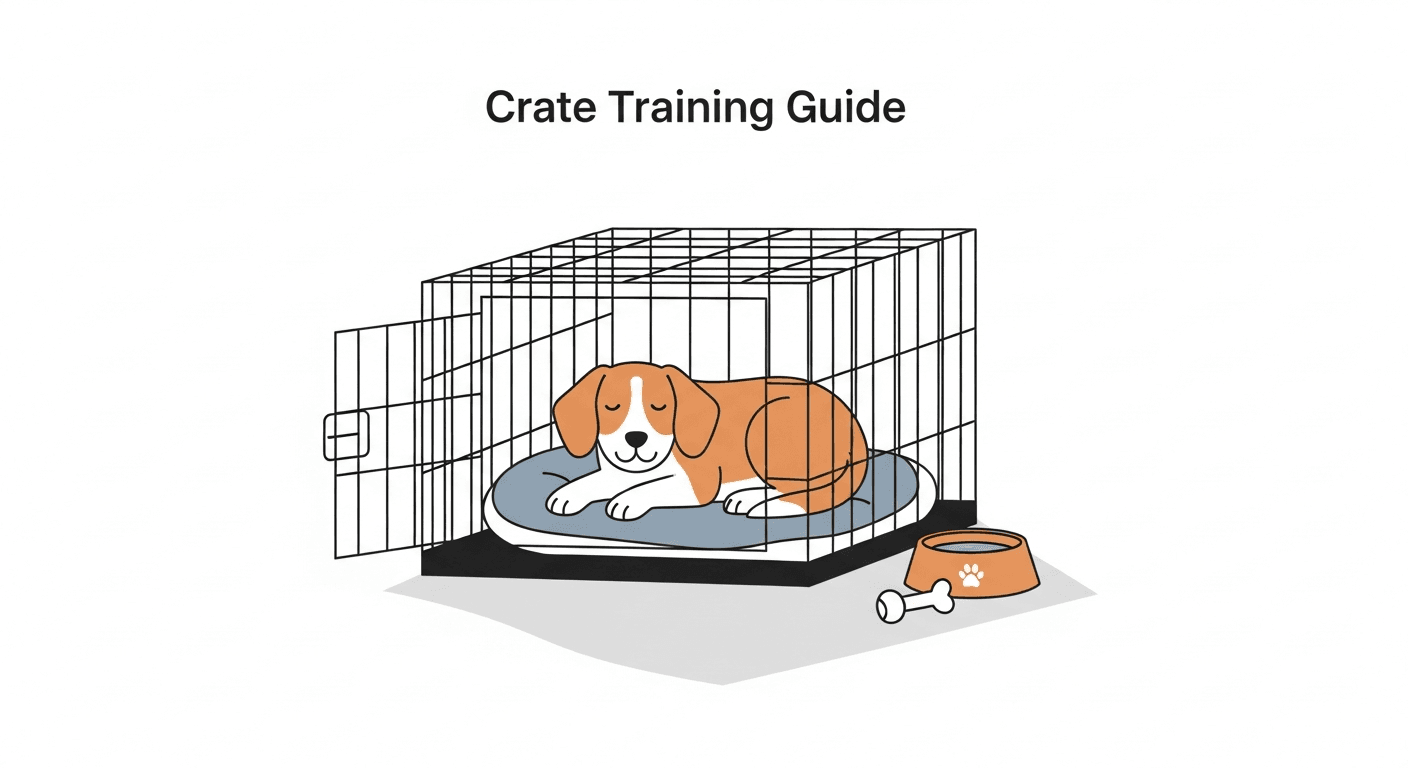
Crate Training Step by Step: Making the Crate a Safe Haven
Learn how to crate train your dog or puppy humanely, covering crate selection, introduction steps, and building up to overnight use.
 🎾 Dog Training
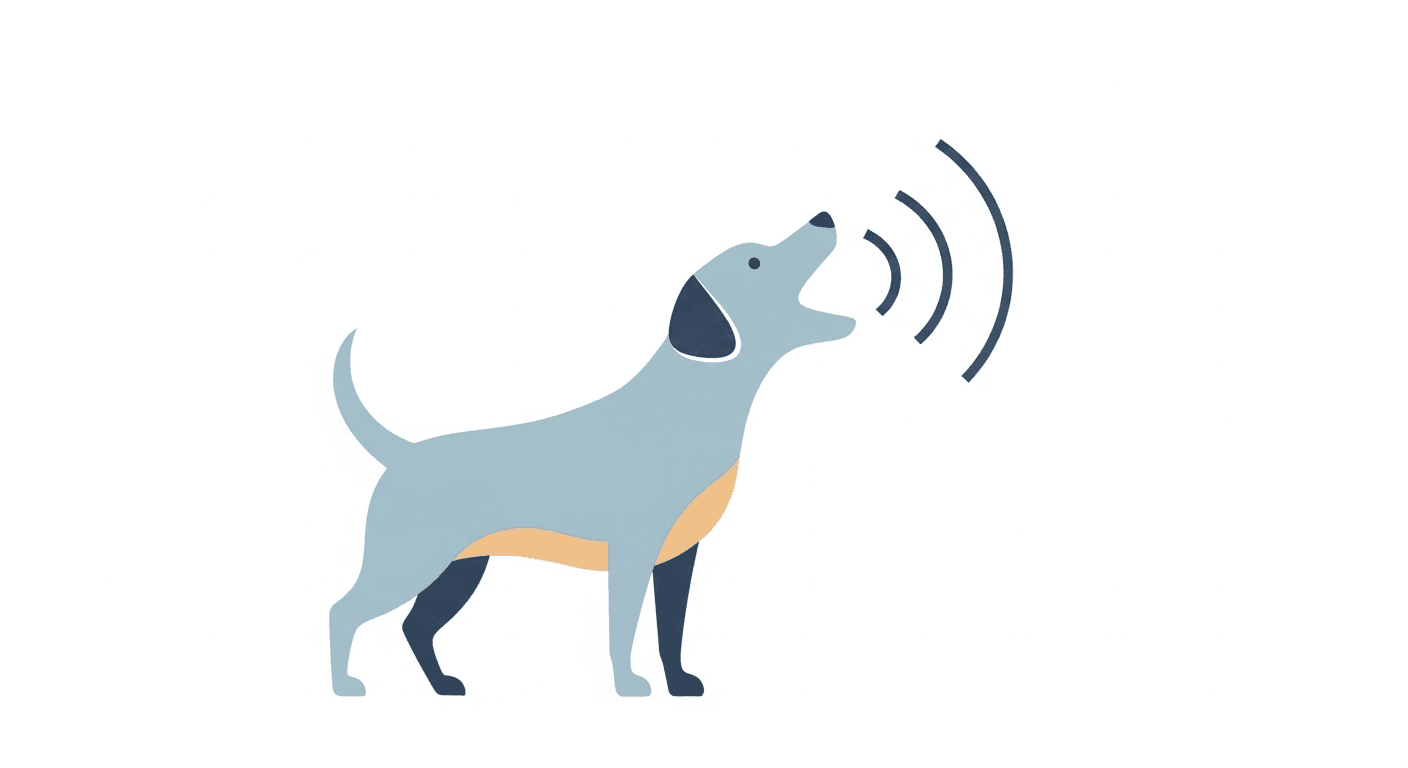
Stopping Excessive Barking: What Works and What Doesn't
Understand why your dog barks excessively and learn proven training strategies to reduce nuisance barking without punishment.
 🎾 Dog Training
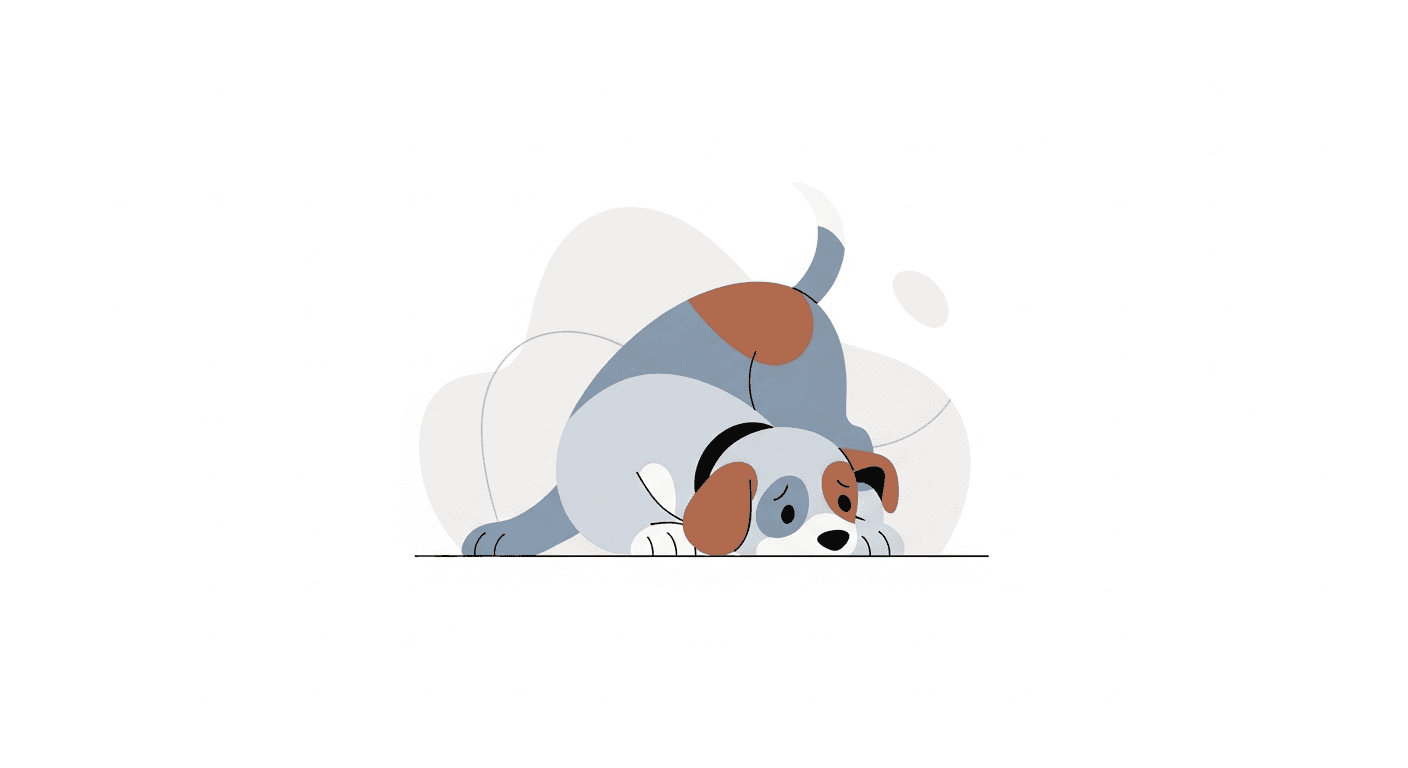
Fear-Based Behaviors in Dogs: Recognition and Compassionate Management
Understand the signs of fear-based behaviors in dogs, how to identify triggers, and evidence-based approaches to help a fearful dog.
 🎾 Dog Training
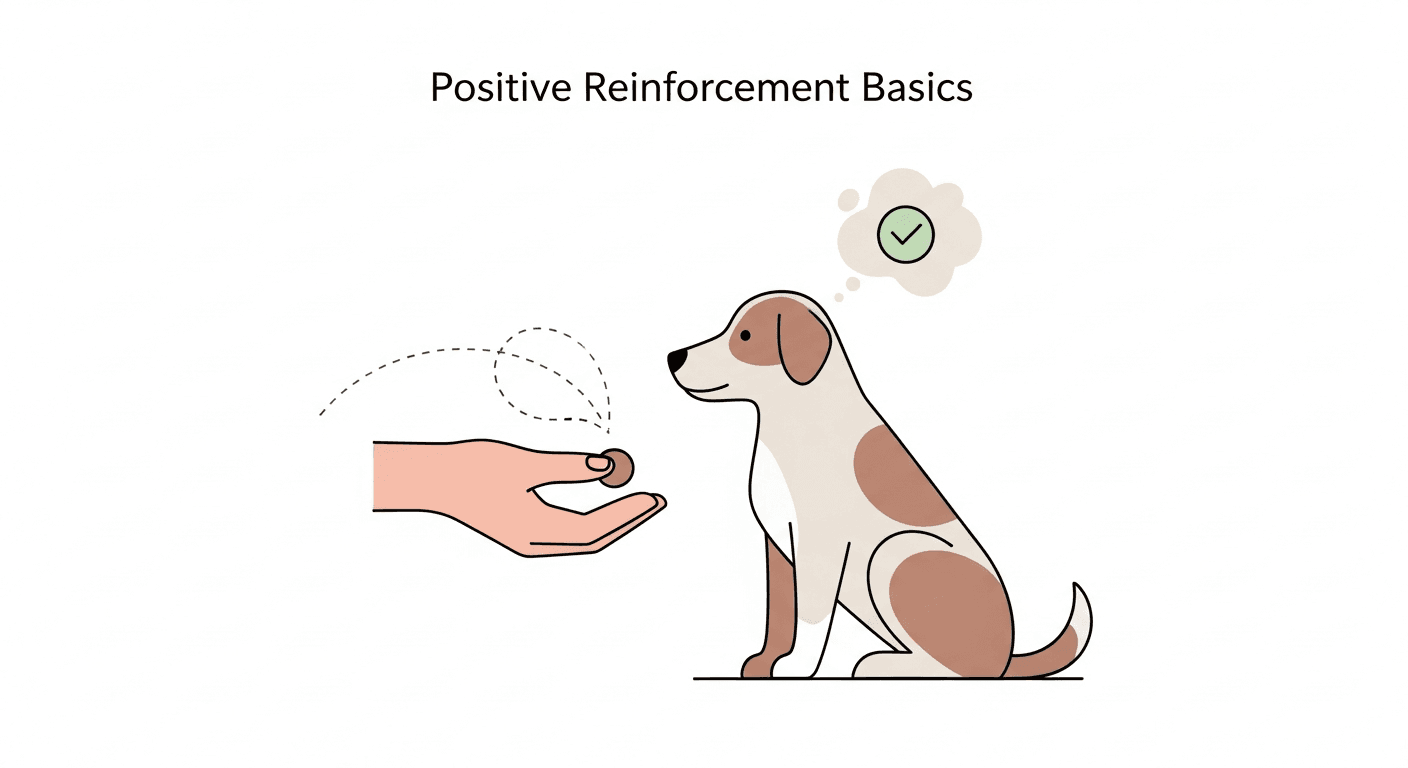
Positive Reinforcement Training: The Science and How to Apply It
Understand how positive reinforcement works in dog training, why it outperforms punishment-based methods, and how to apply it effectively.