
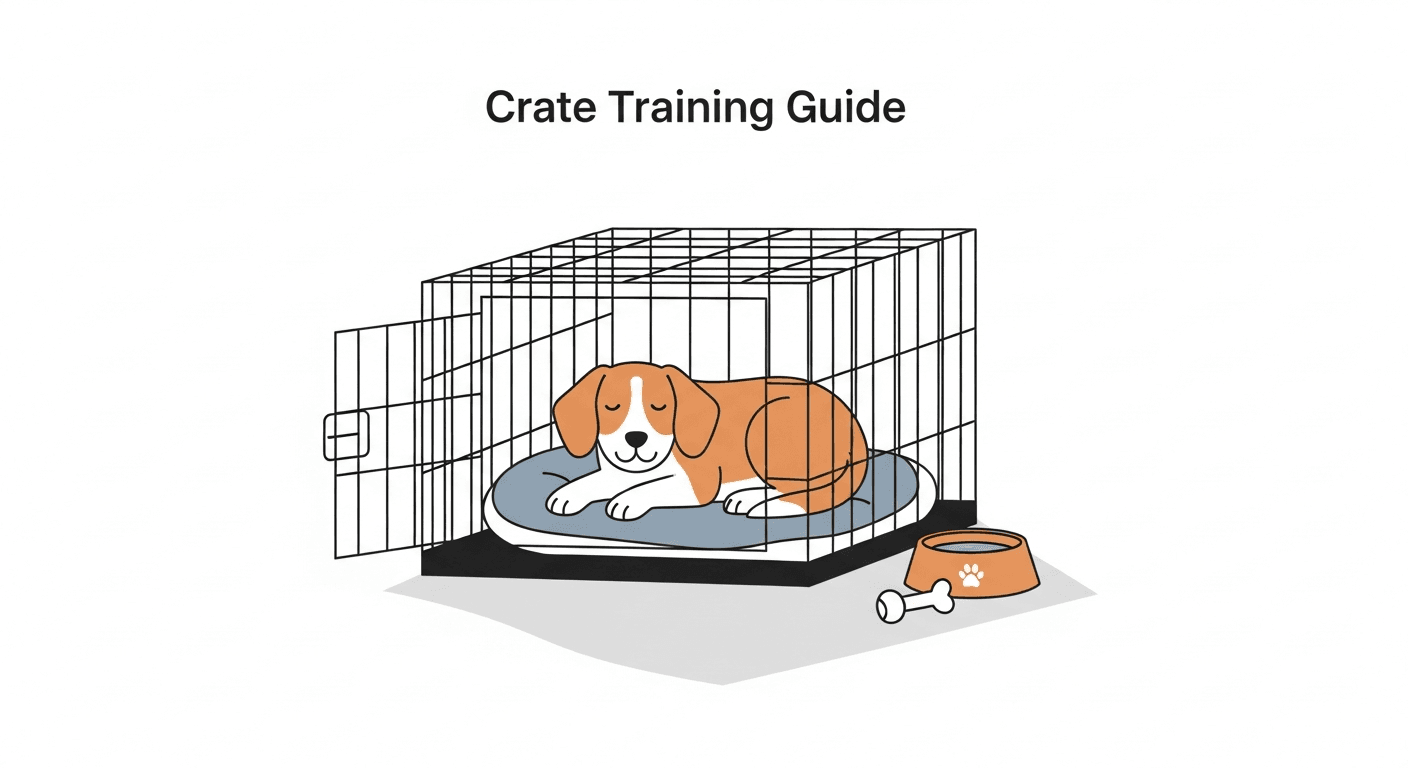
Why Use a Crate? The Benefit for Dogs and Owners
When introduced humanely, a crate is not a punishment or a cage — it is a den. Dogs are denning animals by nature, and most will actively seek out small, enclosed spaces to rest. A well-trained dog typically walks voluntarily into their crate to nap and treats it as their own private space. For owners, a crate-trained dog is much safer when unsupervised (cannot chew wires, swallow objects, or access hazards), travels more easily, recovers from surgery or illness with less stress, and is generally easier to manage during the chaotic puppy phase.
The key to successful crate training is patience and never using the crate as punishment. If the crate is associated with isolation, being sent away when bad, or being left too long, the dog will hate it. If it is associated with meals, treats, comfortable naps, and safety, the dog will love it.
Choosing the Right Crate
- Size: The crate should be large enough for your dog to stand, turn around, and lie down in all directions comfortably — and no larger for potty training purposes. Too large and the dog may use one end as a toilet.
- Wire crates: Well-ventilated, easy to clean, collapsible for travel. Most dogs do well in them. Add a cover over three sides and top to create a more den-like feel.
- Plastic (airline) crates: More enclosed feel, preferred by some dogs for the den feeling. Required for air travel.
- Soft-sided crates: Lightweight and portable but not suitable for dogs in the early stages of crate training who may scratch or chew at the sides.
- For growing puppies, purchase the size for the adult dog and use a divider to block off part of the crate initially.
Step-by-Step Crate Introduction
- Place the crate in a social area. Start in the living room or bedroom — somewhere your dog can see and hear family activity. Dogs who are crated in isolated areas take longer to accept the crate.
- Leave the door open and let your dog explore. Do not close the door yet. Toss treats or meals inside so your dog goes in voluntarily. Do this for one to three days.
- Begin feeding meals in the crate. Place the food bowl just inside the entrance, then gradually move it further back over several meals until your dog walks fully in to eat. This builds a strong positive association.
- Close the door briefly during a meal. Once your dog is comfortable eating fully inside, close the door while they eat. Open it as soon as they finish and before they show any distress. Over several sessions, keep it closed for longer after they finish eating.
- Build duration with treats and Kongs. Give your dog a stuffed Kong or chew inside the closed crate. Start with five minutes, then ten, then twenty, gradually working up. Stay in the room at first, then begin leaving briefly.
- Practice short absences. Leave the room while your dog is settled in the crate. Return before they become distressed. Build up to leaving the house for short periods — ten minutes, then thirty, then an hour.
- Overnight crating. Most puppies can manage the crate overnight once they are comfortable in it during the day. Place the crate beside your bed so you can hear them and reassure them. Puppies under twelve weeks may need one or two toilet breaks overnight.
How Long Can a Dog Be Crated?
- 8–10 weeks old: maximum 30–60 minutes (except overnight)
- 11–14 weeks: 1–3 hours maximum
- 15–16 weeks: 3–4 hours
- 17+ weeks and adults: maximum 4–5 hours during the day
- No dog should be crated for more than 5 hours at a stretch during the day, and never as a long-term substitute for exercise and companionship.
Common Problems and Solutions
- Dog whines or barks in the crate: You have moved too fast. Go back to shorter durations and make the crate more positive. Do not let the dog out while they are actively barking — wait for even a two-second pause and then open the door calmly. If letting them out while barking, you are reinforcing the barking.
- Dog refuses to enter the crate: The association is not strong enough yet. Spend more time tossing treats in, feeding meals inside, and never forcing entry. Try a higher-value food reward like pieces of chicken.
- Dog toilets in the crate: Either the crate is too large (reduce the space), the dog is being left too long, or there is a medical issue such as a bladder infection. If the crate is appropriate size and duration, consult your vet. Log toilet habits and crate duration in the TailRounds Daily Log to spot patterns.
- Dog is distressed even after gradual introduction: May indicate separation anxiety rather than simple crate discomfort. See our guide on dog separation anxiety solutions or book a behavioral consultation at Happy Paws Veterinary Clinic.
When to Stop Using the Crate
Many owners crate their dogs through puppyhood and then gradually grant more freedom as trust is established. When your dog is reliably house-trained, is not destructive when unsupervised, and is comfortable being left alone without distress, you can begin leaving the crate door open while you are out and see how they manage. Leave the crate available always — most well-trained dogs continue to use it as a resting spot voluntarily for life because it remains their safe den.
Continue Reading
 🎾 Dog Training
Puppy Potty Training: A Complete Guide to House Training Success
A step-by-step potty training guide for puppies covering schedules, signals, accident handling, and common house training mistakes.
 🎾 Dog Training
Dog Separation Anxiety: Causes, Signs, and Solutions
Understand dog separation anxiety and learn a step-by-step desensitization protocol to help your dog become comfortable being alone.
 🎾 Dog Training
Positive Reinforcement Training: The Science and How to Apply It
Understand how positive reinforcement works in dog training, why it outperforms punishment-based methods, and how to apply it effectively.
 🎾 Dog Training
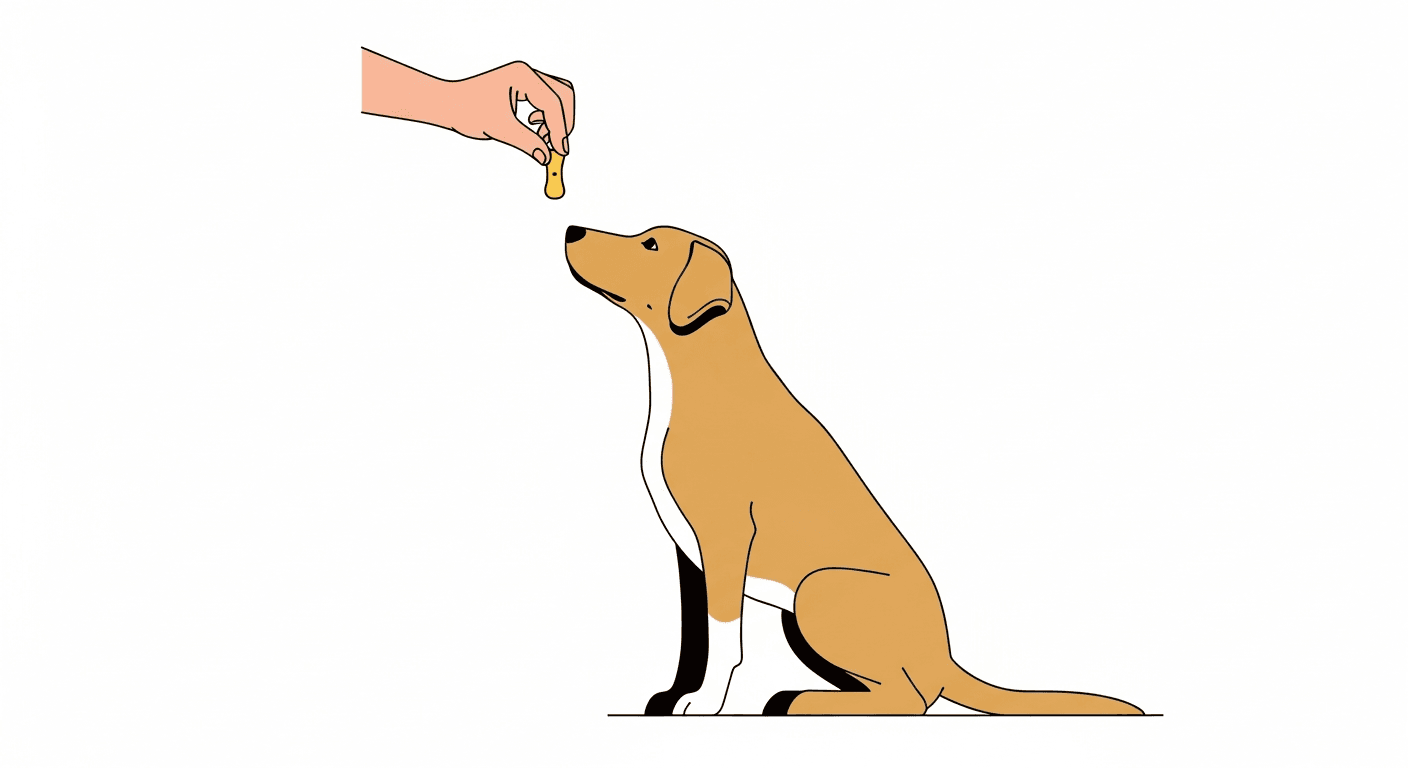
Teaching the Sit Command: A Step-by-Step Guide for Dogs
Learn how to teach your dog the sit command using positive reinforcement. Includes troubleshooting tips for stubborn or distracted dogs.