
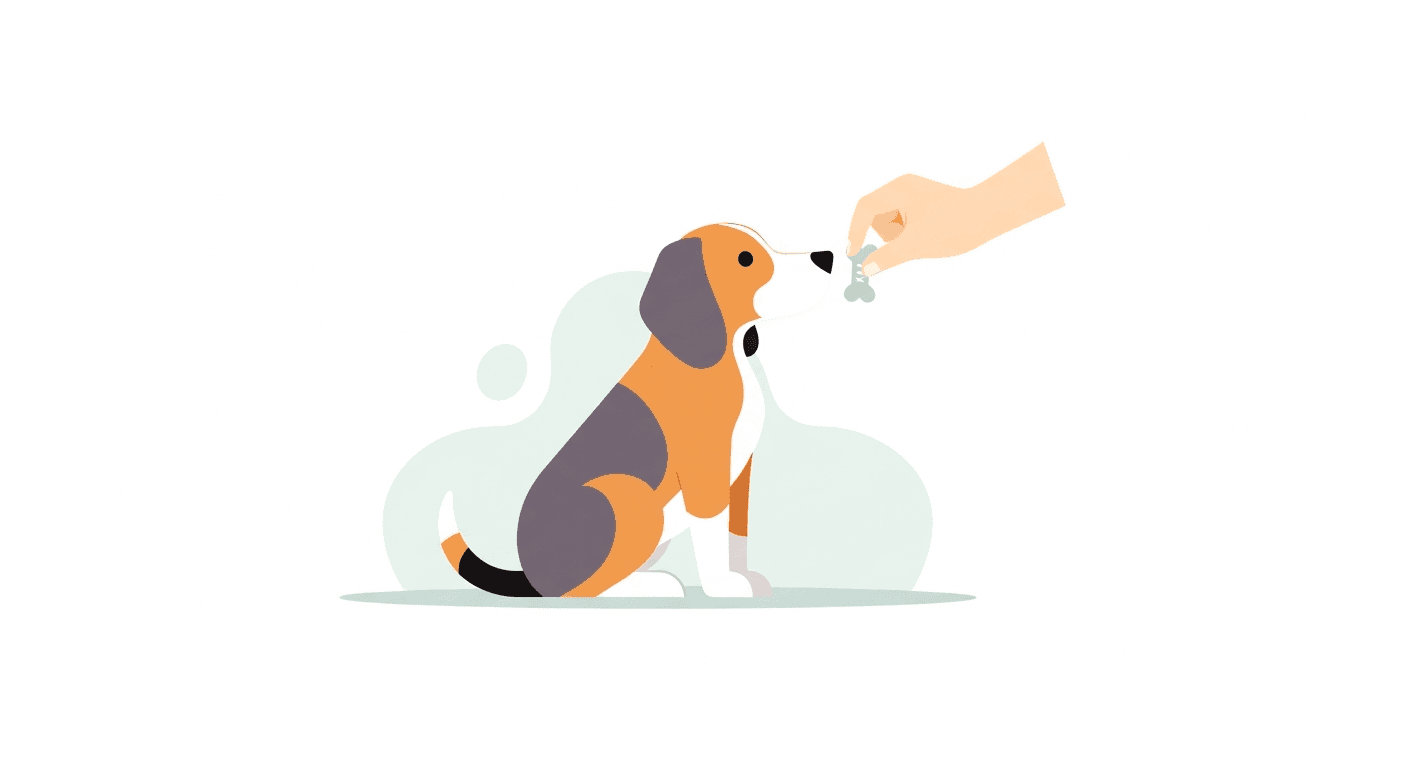
Understanding What "Stay" Really Means
Stay is one of the most practically useful behaviors you can teach a dog, yet it is also one of the most commonly taught incorrectly. Many owners teach a dog to sit and then simply walk away, hoping the dog stays put — but without a formal stay cue, the dog has no idea they are supposed to hold position. A properly trained stay means: "Do not move from this position until I release you." The three components trainers always work on are duration (how long), distance (how far away you move), and distraction (what is happening around the dog). Each must be built separately and incrementally.
The other critical concept is the release cue. Without a clear release word such as "okay," "free," or "break," your dog cannot know when the stay is over and when they are allowed to move. Teaching a consistent release word is just as important as teaching the stay itself.
Prerequisites Before Teaching Stay
- Your dog should have a reliable sit or down that they can hold for at least two seconds before you begin.
- Choose a release word and be consistent — do not switch between "okay," "free," and "all done."
- Have high-value treats readily accessible.
- Begin in a low-distraction environment: a quiet room, garden, or hallway with no other animals or people around.
- Plan for two-to-three-minute sessions with a clear start and end.
Step 1: Building Duration (Time)
Start with your dog in a sit directly in front of you. The very first goal is simply one second of stillness before the reward. Here is the progression:
- Ask for sit. The moment they sit, say "Stay" in a calm, clear voice.
- Wait one second, then reward with a treat while they are still sitting (do not wait until they have moved).
- Say your release word and encourage your dog to move. Give no treat for the release itself — you want the stay to be the rewarded behavior.
- Over five to ten repetitions, gradually increase the time before rewarding: two seconds, then three, then five, then eight. Do not increase too fast — if your dog breaks position more than two out of five attempts, you are moving too quickly.
- Build up to thirty seconds, then sixty, then two minutes over multiple sessions. Most dogs can hold a two-minute stay within one to two weeks of daily practice.
Step 2: Adding Distance
Only after your dog can hold a stay for at least thirty seconds with you standing right next to them should you begin adding distance. Move too fast on this and the stay will fall apart.
- Ask for sit-stay. Take one step back. Immediately step forward again and reward before your dog moves.
- Gradually increase: two steps back, three steps, then to the end of the room. Return to your dog to reward — do not call them to you yet, as this teaches them that moving ends the stay in a good way.
- Once you can walk to the far end of your room and back, begin adding a pause at the far point before returning.
- Practice going to different positions: behind your dog, to the side, out of sight briefly (peek around a doorframe).
Step 3: Adding Distractions
This is where many training plans fail — owners add too much distraction too soon. Work through this list slowly, adding distractions only after your dog is solid at the previous level:
- Another person walks across the room
- You drop an item on the floor (not food)
- A toy rolls past
- Another person talks to you
- You move around erratically
- Practice in the garden
- Practice on a walk on leash at a quiet location
- Practice with another dog visible at a distance
Common Mistakes and How to Avoid Them
- Drilling duration, distance, and distraction all at once: Work on one variable at a time. When increasing distance, keep duration short. When adding distraction, reduce distance and duration.
- Repeating the cue: Say "stay" once. Repeating it teaches your dog that you do not mean it the first time.
- Punishing a broken stay: If your dog breaks, calmly reset them. Never scold — they may have broken because you progressed too fast. The mistake is yours, not theirs.
- Not using a release word: Without a clear release, your dog will begin self-releasing, making the stay unreliable.
- Calling the dog out of a stay to reward: This accidentally teaches them that moving ends the stay. Always return to your dog to reward.
Practical Uses and Proofing in Real Life
A solid stay is genuinely life-saving. A dog that will stay reliably at a kerb, stay while a door is opened, or stay when someone approaches your table at a cafe is a safer and more manageable dog in every context. Practice using stay in real situations: ask your dog to stay while you answer the door, while you prepare their food bowl, while you step outside briefly. The more contexts you practice in, the more reliable the behavior becomes.
Log your training sessions — including which distractions broke the stay and which didn't — in the TailRounds Daily Log. This helps you see your dog's progress over days and weeks and identify exactly which environments need more work. If your dog shows signs of anxiety or freezing during stay practice, it may indicate a fear-based response that warrants a conversation with your vet or a certified behaviorist. Use TailRounds AI Triage to help assess whether what you are seeing is normal training difficulty or something that needs professional input.
Continue Reading
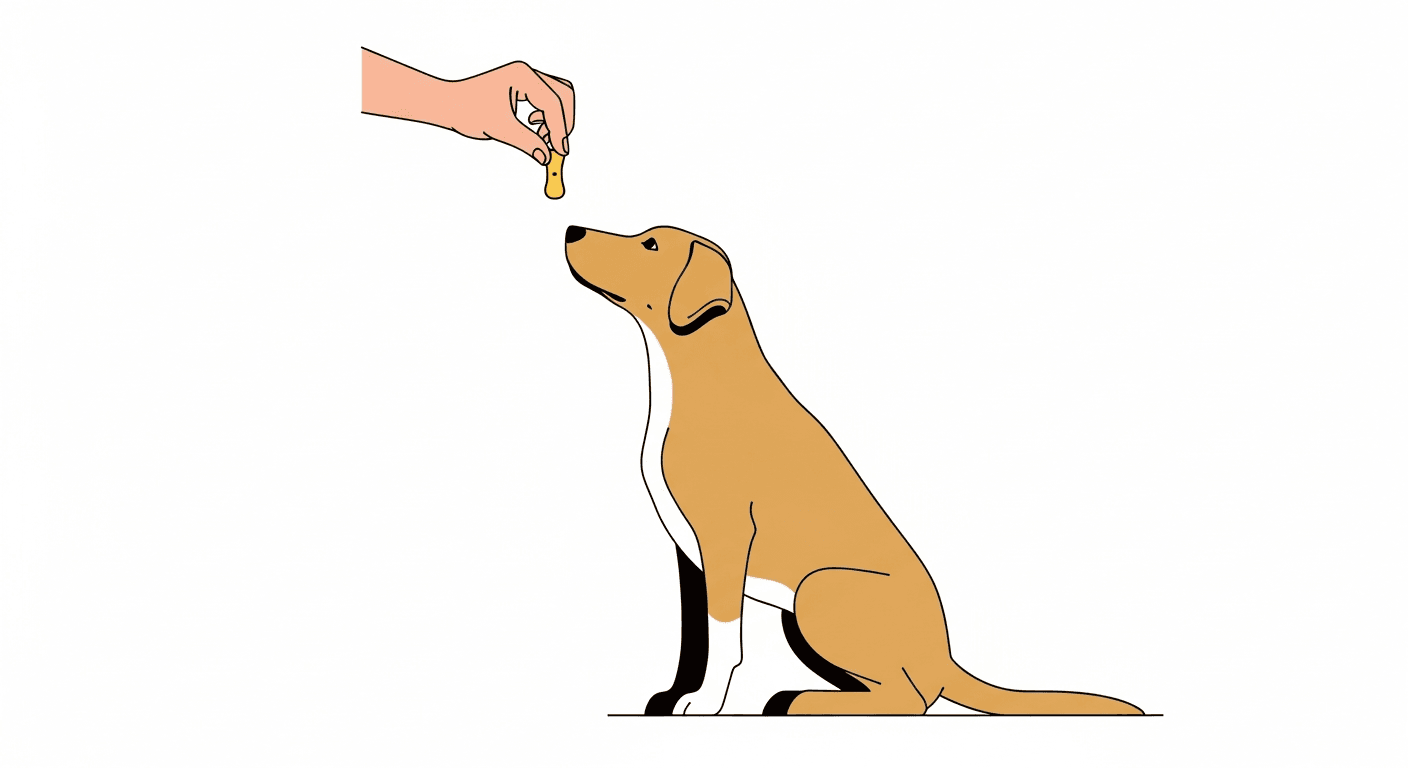 🎾 Dog Training
Teaching the Sit Command: A Step-by-Step Guide for Dogs
Learn how to teach your dog the sit command using positive reinforcement. Includes troubleshooting tips for stubborn or distracted dogs.
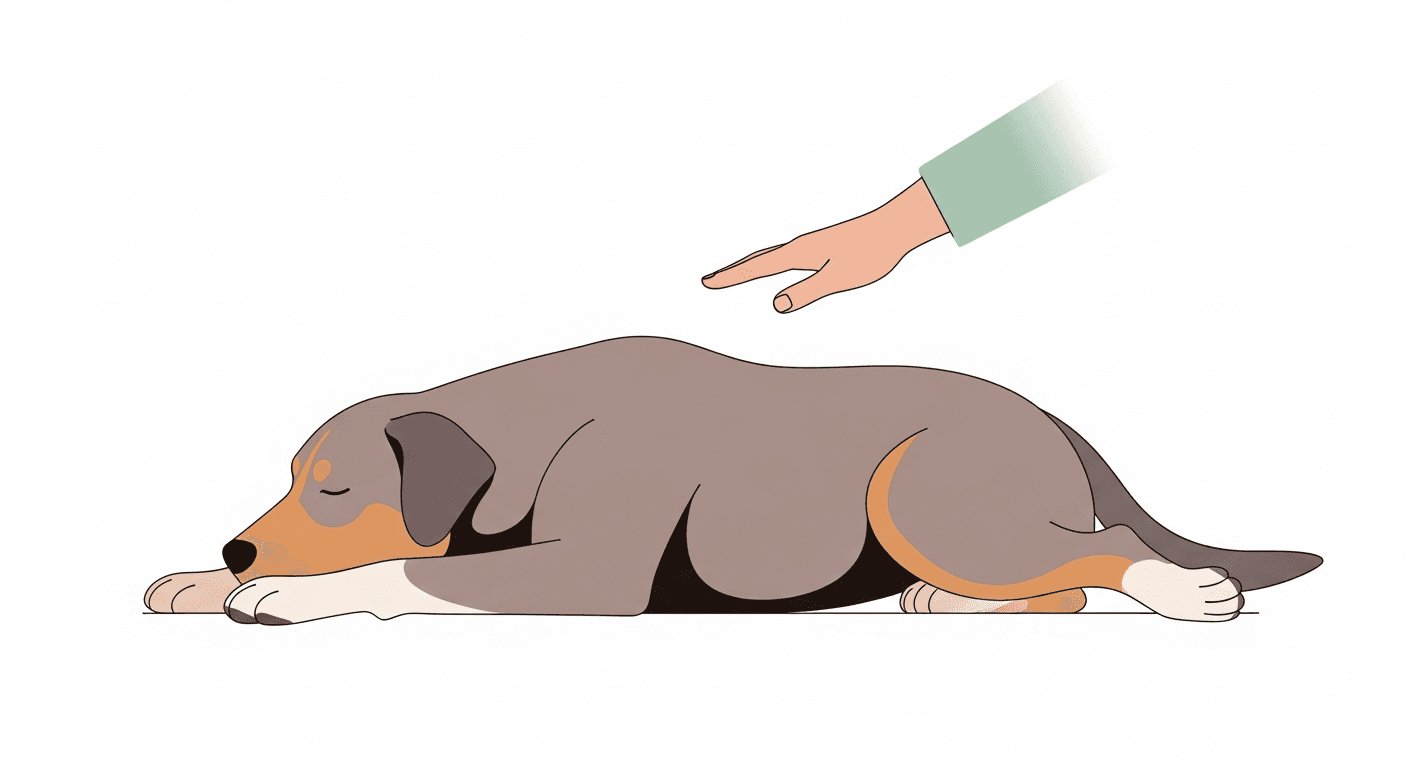 🎾 Dog Training
Down/Lie Down Command: Teaching Your Dog to Settle on Cue
How to teach your dog a reliable down command using luring and shaping methods, plus tips for making the down a calm, settled position.
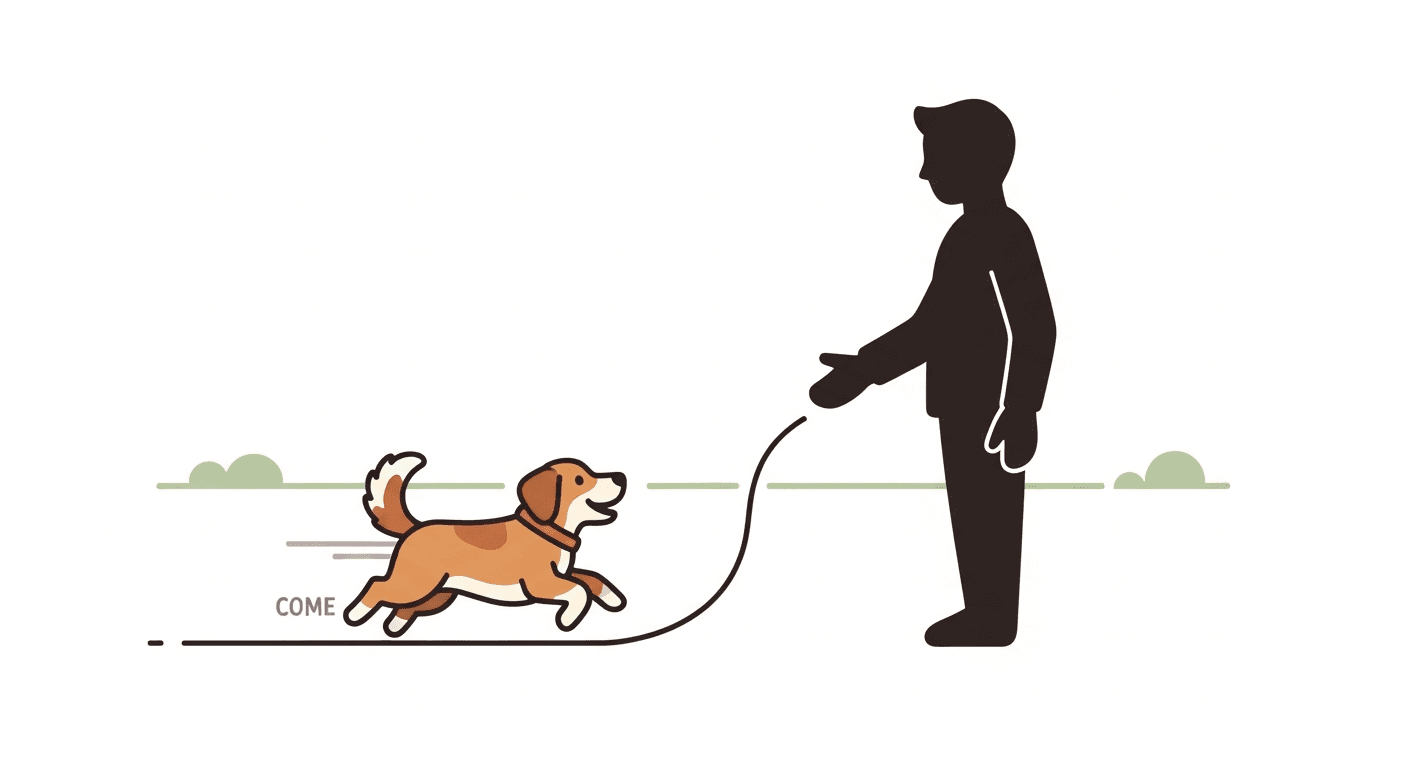 🎾 Dog Training
Recall Training: Teaching Your Dog a Reliable "Come" Command
Step-by-step recall training guide to build a fast, reliable come command that could save your dog's life in an emergency.
 🎾 Dog Training
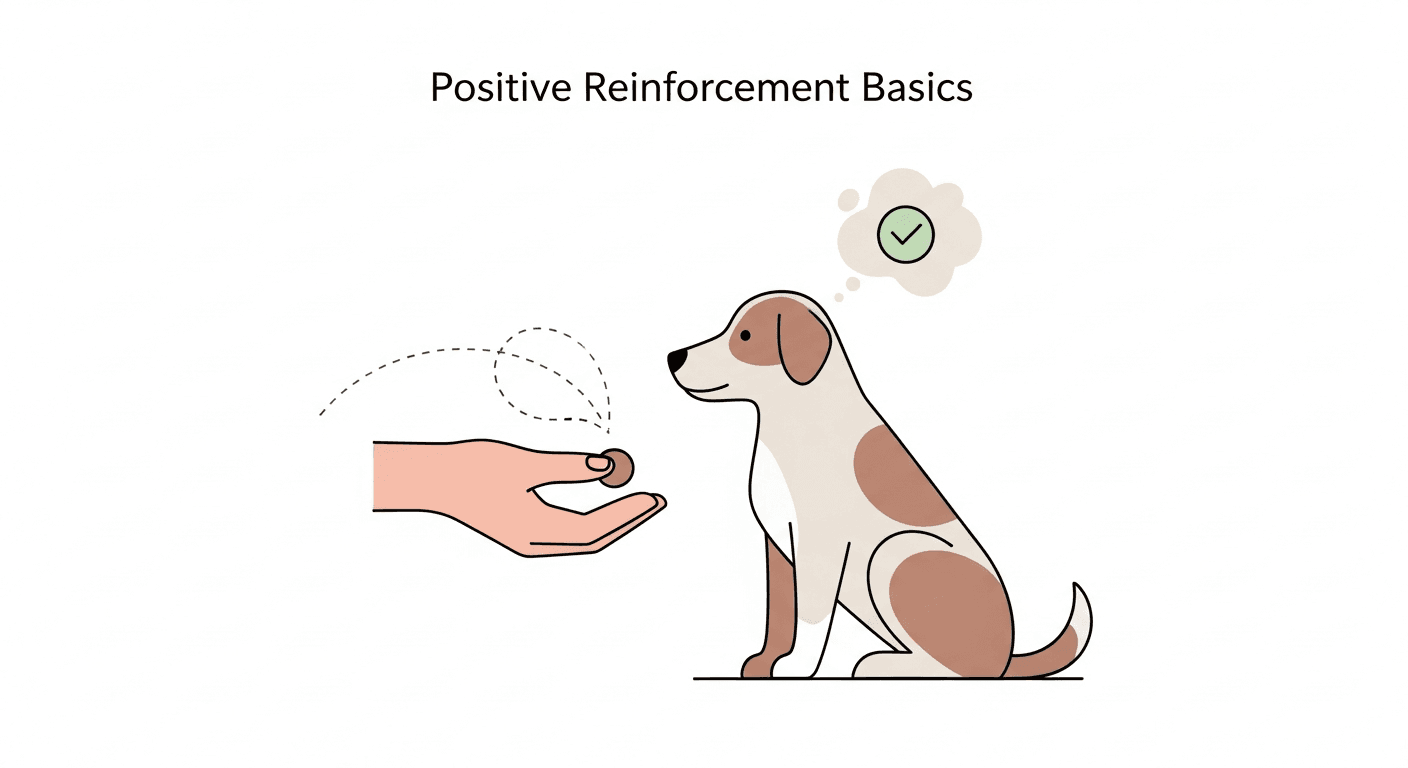
Positive Reinforcement Training: The Science and How to Apply It
Understand how positive reinforcement works in dog training, why it outperforms punishment-based methods, and how to apply it effectively.