
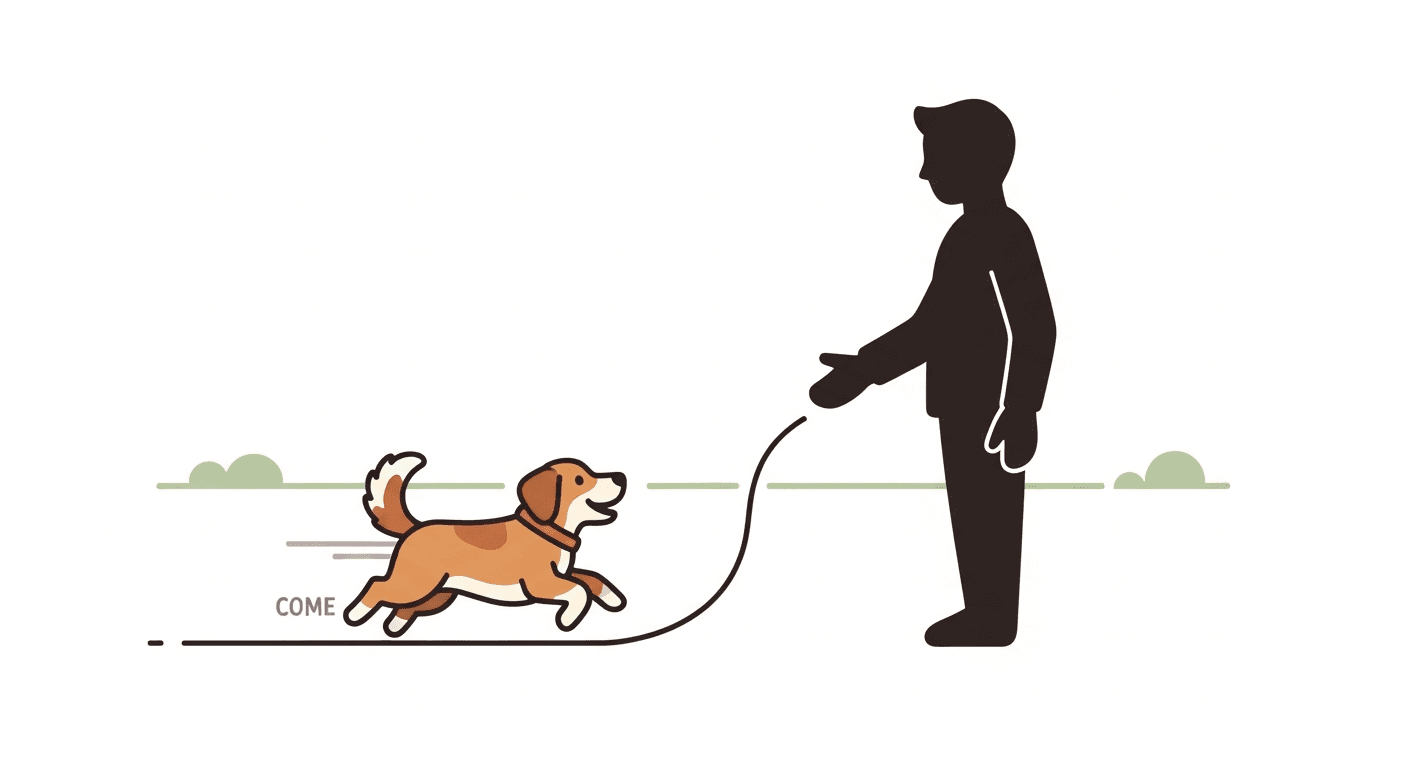
Why Recall Is the Most Important Command You Will Ever Teach
A reliable recall — your dog coming to you immediately when called, every single time, regardless of what else is happening — is the single behavior that can save your dog's life. A dog that comes when called can be stopped before running into traffic, before approaching an aggressive dog, before eating something toxic. Yet recall is also one of the most commonly untrained or poorly trained behaviors, often because owners underestimate how much dedicated work a truly reliable recall requires.
The golden rule of recall training is this: coming to you must always be the best thing that happens to your dog. Never call your dog to you to do something they find unpleasant — give a bath, clip nails, end a play session, or leave the dog park. If you must do those things, go and collect your dog instead of calling them. Once your dog learns that "come" sometimes means the fun stops, their recall will degrade rapidly.
Setting Up for Success: The Foundations
- Choose a recall word and stick to it. "Come," "here," "to me" — pick one and never use it again unless you are actively training or need your dog urgently. Using it casually when you cannot enforce it (inside the house when the dog is ignoring you) poisons the cue.
- Use the highest-value treats you can find. Recall deserves your dog's absolute favorite reward. Many trainers use hot dog pieces, chicken, cheese, or even a special squeaky toy. The reward must be better than whatever the dog was doing when called.
- Never punish a dog that comes to you, even if it took them a long time. Even if you are furious, even if they ran into the road, even if you have been calling for ten minutes — when they arrive, they must receive praise and reward. The dog is rewarded for the moment of coming, not for what happened before.
- Start on leash or long line. Never train recall off-leash until it is rock solid on a long line (5–10m). The long line allows you to prevent the dog from practicing the wrong choice (ignoring you) while the behavior is still being established.
Step-by-Step Recall Training
- Indoor recall game: With your dog in the same room, say their name followed by your recall word in a happy, excited tone. When they come to you, deliver a jackpot of five to ten small treats one at a time, giving lots of verbal praise. Let them finish, then release them. Do this ten times per session in the house.
- Two-person recall: Sit at opposite ends of a hallway with a family member. Take turns calling the dog — whoever calls gives the big reward while the other ignores the dog. This builds speed and excitement around the recall word.
- Garden recall on long line: Attach a 5m long line to the dog's harness. Let them sniff around, then call once in your happiest voice. If they come, jackpot treat. If they do not start moving toward you within two seconds, use the long line to apply gentle, steady pressure and reel them in. Reward when they arrive — the reward is for coming, even if you helped them. Never repeat the cue; call once and help if needed.
- Increase distance on long line: Use a 10m line. Practice in the garden, then in a quiet field or park car park. Build up until your dog is running to you from 10m away reliably.
- Add the touch finish: Train your dog to come all the way to you and touch your hand with their nose, or sit in front of you. This prevents "almost" recalls where the dog comes halfway and then veers off.
- Gradually increase distraction: Start with low-level distractions — another person standing nearby, a toy on the ground — and work up to practicing near other dogs, at the park, and eventually off-leash in a safely enclosed area.
The "Emergency Recall" — A Separate, Super-Charged Cue
Many trainers recommend teaching a separate emergency recall word — one that is never used in everyday training, only in genuine emergencies. The idea is that this word is so strongly conditioned to mean "something incredibly wonderful is about to happen" that it cuts through even the strongest distraction.
To build it: choose a word you would not normally use ("banana," "jackpot," "pizza"). Spend three weeks running to your fridge every time you say this word and giving your dog the most amazing treat they have ever had — pieces of roast chicken, a lick of peanut butter, whatever they love most. Do this daily. Then practice it outside occasionally. Keep it charged by using it rarely and rewarding lavishly every time. This word is your emergency brake for situations where a regular recall might not cut through.
Common Recall Problems
- Dog runs toward you then veers away: Make yourself more exciting — turn and run away from your dog. Most dogs cannot resist chasing. Reward lavishly when they catch you.
- Dog comes but slowly or reluctantly: Your reward is not high enough, or coming to you has previously meant something unpleasant. Rebuild with exceptional treats and ensure every recall ends with something the dog finds enjoyable.
- Dog is perfect in the garden but ignores you at the park: You generalized too quickly. Go back to the long line in new environments and rebuild the behavior in each location before going off-leash.
- Dog comes to just out of reach: Teach a hand-touch finish. Practice reaching out and touching the dog's collar gently as part of every recall reward sequence so they learn that collar touch means more good things, not the end of fun.
Maintaining Recall for Life
A recall that is not practiced is a recall that degrades. Build in recall practice every single day — even if it is just calling your dog from another room to get their dinner. Periodically use your recall in real situations with high-value rewards so the behavior stays sharp. Log your recall practice sessions and any situations where recall failed in the TailRounds Daily Log — this data helps you identify specific distractions or environments that need more work. If your dog is consistently refusing recall in a way that seems fear-based or anxiety-driven, consider booking a consultation at Happy Paws Veterinary Clinic to rule out pain or anxiety before continuing training.
Continue Reading
 🎾 Dog Training
How to Stop Leash Pulling: A Complete Training Guide
Practical methods to stop your dog pulling on the leash, covering loose-leash walking techniques, equipment choices, and common mistakes.
 🎾 Dog Training
Stay Command Training: Teaching Your Dog to Wait Patiently
A complete guide to teaching your dog a reliable stay command, covering duration, distance, and distraction proofing step by step.
 🎾 Dog Training
Positive Reinforcement Training: The Science and How to Apply It
Understand how positive reinforcement works in dog training, why it outperforms punishment-based methods, and how to apply it effectively.
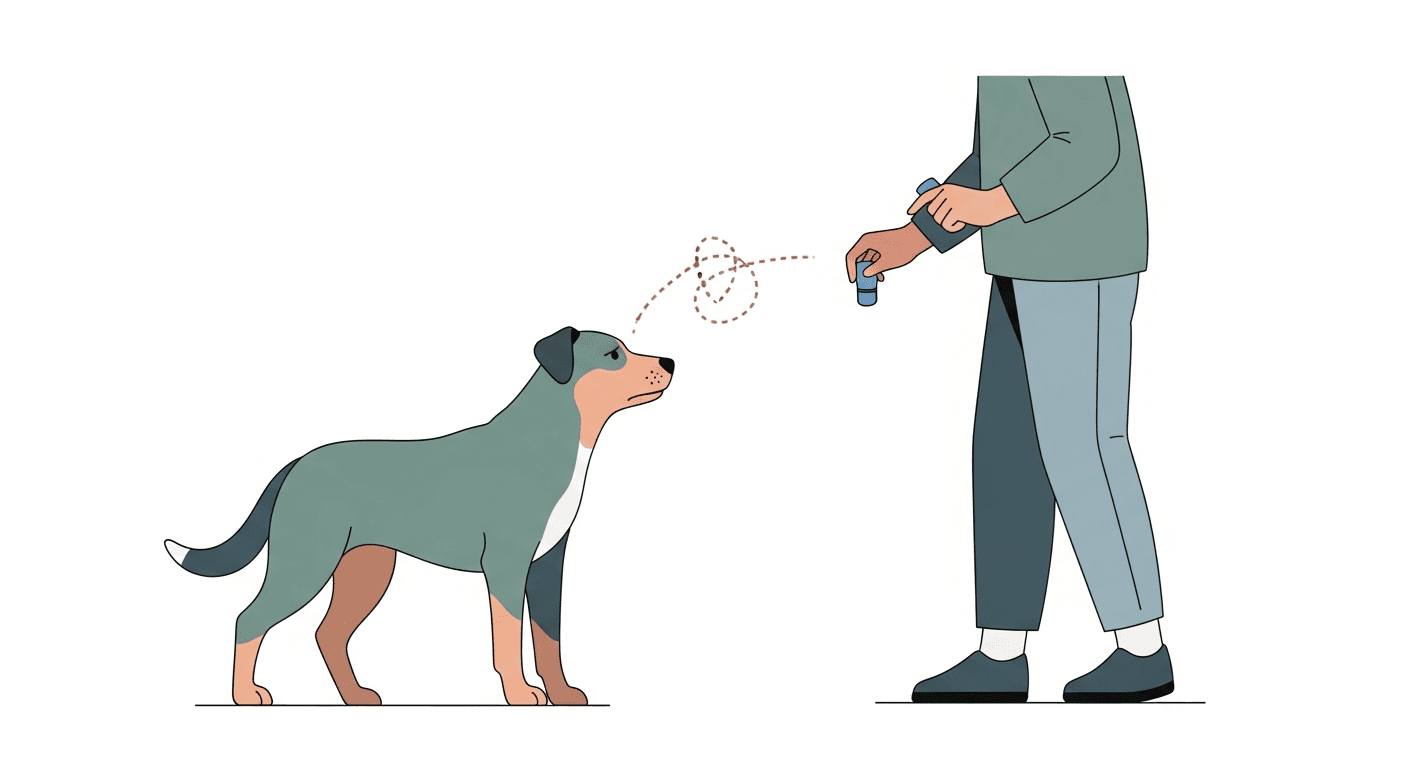 🎾 Dog Training
Reactive Dog Training: Help Your Dog Stay Calm Around Triggers
A practical guide to managing and training a reactive dog, covering threshold training, BAT, and real-world management strategies.