
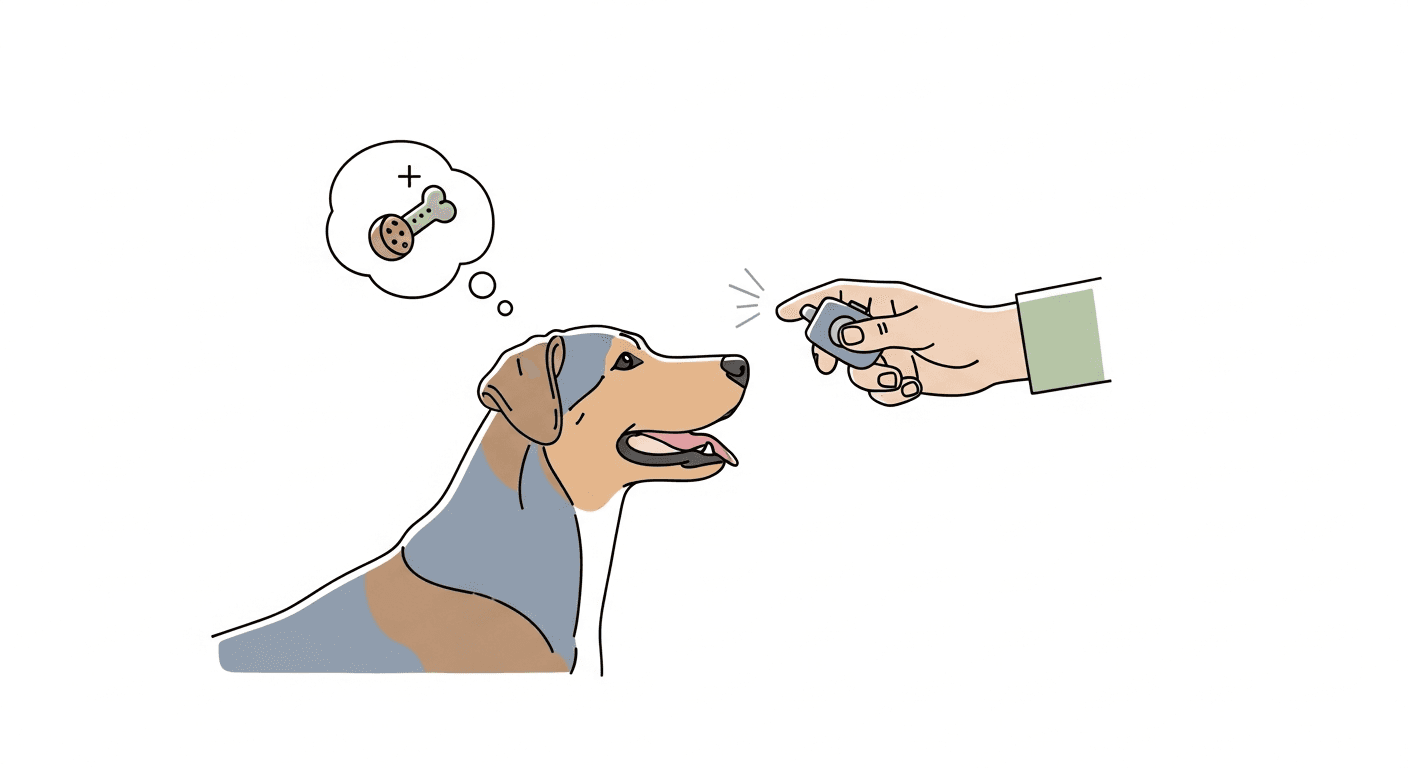
What Is a Clicker and Why Does It Work?
A clicker is a small handheld device that makes a sharp, consistent clicking sound when pressed. In dog training, it functions as a precise marker — a signal that tells the dog, at the exact moment it occurs, that they have done something that will earn a reward. The click is immediately followed by a treat (or another reward), and through many repetitions the click takes on the meaning of "Yes! That exact thing right there is going to get you a treat."
The reason a clicker is more effective than simply saying "good dog" is precision and consistency. A click sounds identical every time and takes about a fraction of a second to deliver. Human voices vary in tone, speed, and emotion, and "good dog" can be said in many different contexts that have nothing to do with training. The clicker's neutrality and precision allow the dog to identify exactly which microsecond of behavior caused the reward — and that precision speeds up learning significantly.
Step 1: Charging the Clicker
Before you can use the clicker for training, you must first pair it with food so that it gains meaning. This process is called "charging" the clicker and typically takes one to three short sessions.
- Sit quietly with your dog and a handful of small treats in your treat hand.
- Click the clicker once, then immediately (within one second) deliver a treat. Do not ask your dog to do anything. The click does not require any behavior from the dog yet — you are simply building the click-treat association.
- Repeat twenty times per session. Click, treat. Click, treat. Vary the time between clicks slightly so the dog is not predicting the pattern.
- Test: click when your dog is not looking at you. If their head snaps toward you expectantly, the clicker is charged. The click now predicts a reward.
Step 2: Using the Clicker to Mark Behaviors
Once the clicker is charged, you can use it to mark any behavior you want to reinforce. The moment the desired behavior occurs, click once, then deliver the treat. A few important rules:
- Click once: Do not double-click or click multiple times. One click marks one moment.
- Always follow a click with a treat: The clicker creates a promise. If you click, you must pay, even if you clicked by accident. Breaking this rule degrades the clicker's meaning.
- Click during the behavior, not after: If you are teaching a sit, click the moment the bottom touches the floor, not after the dog has been sitting for two seconds. Timing is the whole point of using a clicker.
- Deliver the treat from different positions: Where you deliver the treat after a click is a separate decision from what you clicked. This keeps the dog from simply moving to where they expect the treat rather than performing the behavior.
Shaping: Teaching Complex Behaviors with a Clicker
One of the most powerful uses of clicker training is "shaping" — building complex behaviors by rewarding small approximations toward the final goal. Instead of waiting for the perfect behavior, you click and reward any small step in the right direction, then raise the criterion as the dog makes progress.
Example — teaching your dog to push a ball with their nose:
- Click and treat for any glance toward the ball
- Click and treat only for moving toward the ball
- Click and treat only for sniffing the ball
- Click and treat only for touching the ball with their nose
- Click and treat only for pushing the ball
This "101 things to do with a box" approach (placing a novel object on the floor and clicking for any interaction) is an excellent way to teach dogs to be active problem-solvers. It builds confidence, creativity, and a strong "try things" attitude that transfers to all areas of training.
Fading the Clicker
The clicker is a training tool, not something you need forever. Once a behavior is fully trained and on a verbal or physical cue, you can maintain it without the clicker. Transition gradually:
- Begin using verbal praise ("yes!") instead of the click for behaviors that are already solid
- Use the clicker only for new learning or for improving the precision of existing behaviors
- Transition to life rewards (walks, play, access to garden) for maintaining known behaviors
Many experienced trainers keep the clicker available for teaching new behaviors but rarely use it for every training interaction with a dog whose known behaviors are well established. Track your dog's training progress and which behaviors are fully proofed versus still in training in the TailRounds Daily Log. If you want guidance on which tools are best for your specific dog, explore our full comparison in dog training tools compared.
Continue Reading
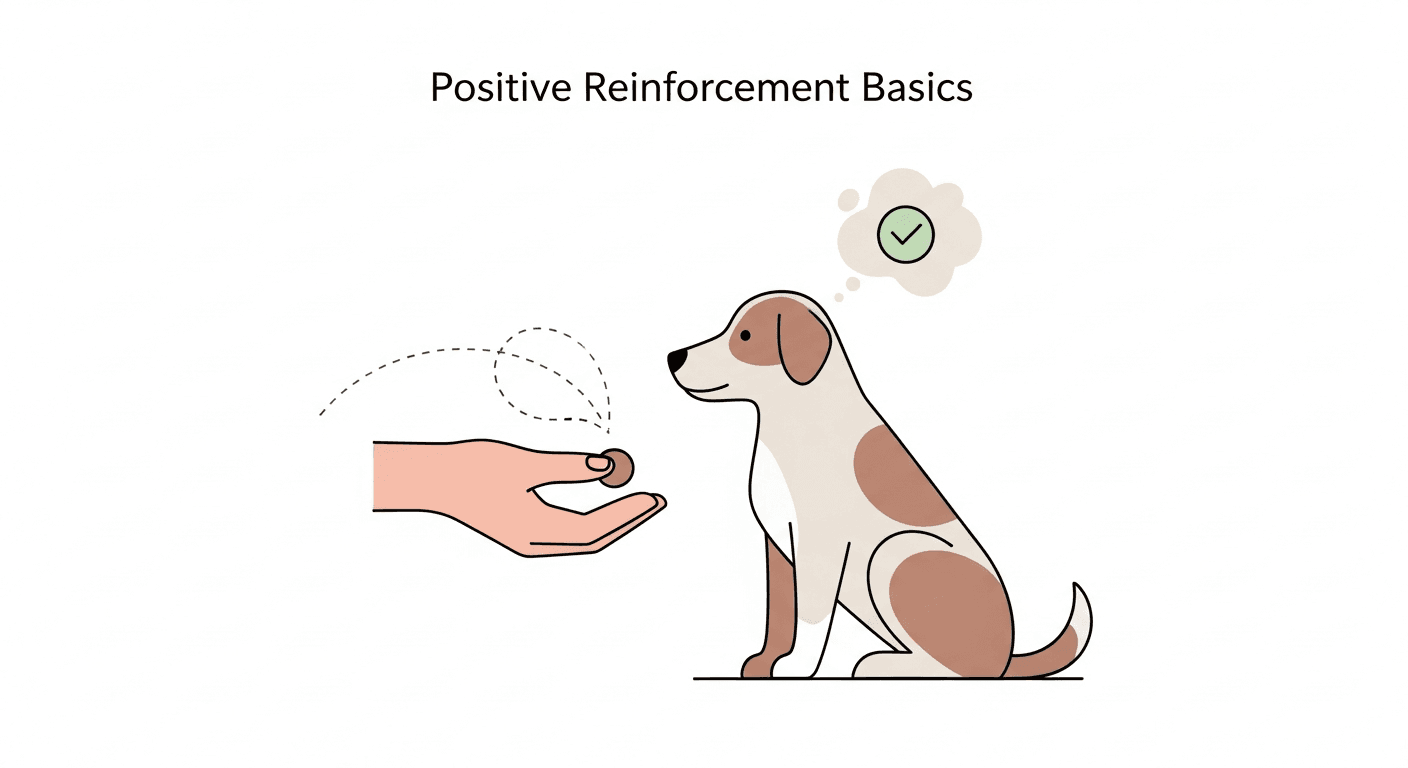 🎾 Dog Training
Positive Reinforcement Training: The Science and How to Apply It
Understand how positive reinforcement works in dog training, why it outperforms punishment-based methods, and how to apply it effectively.
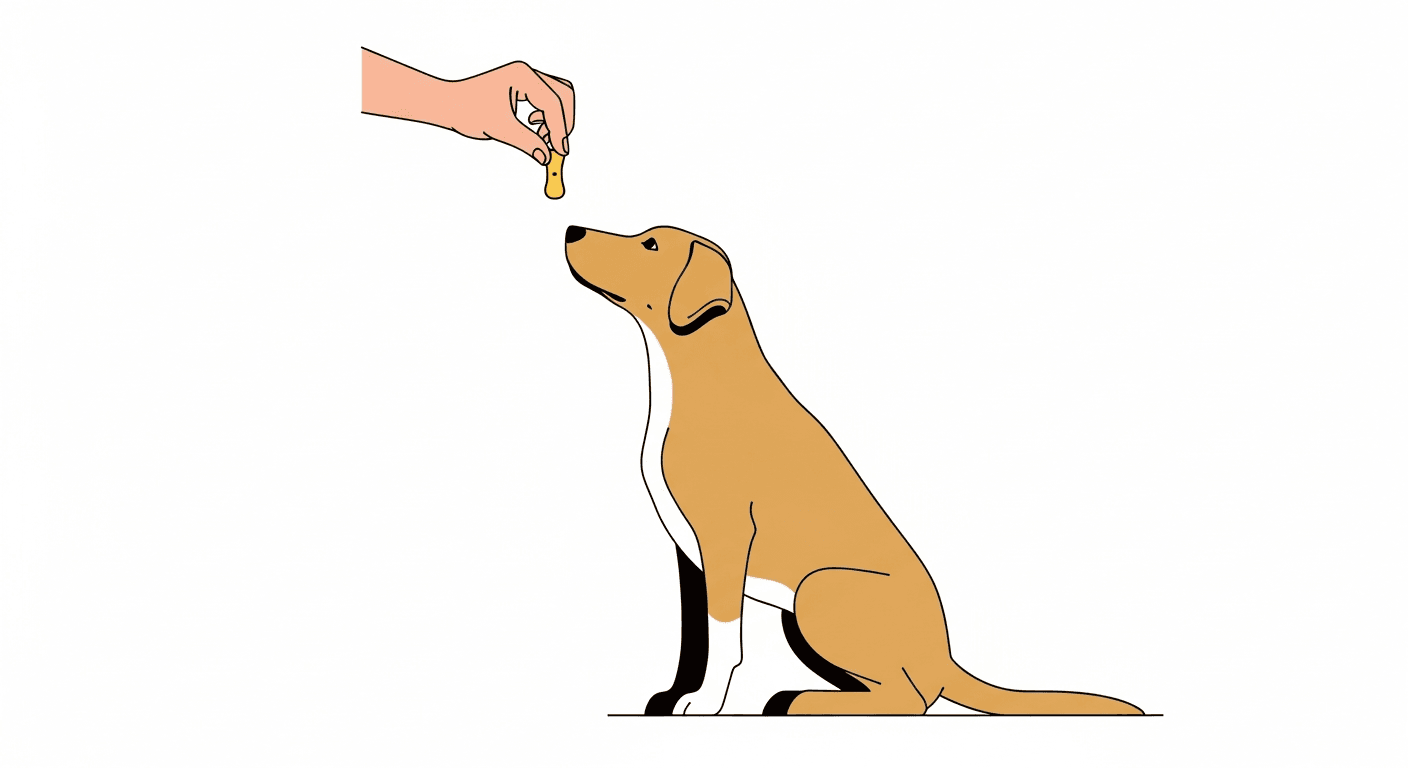 🎾 Dog Training
Teaching the Sit Command: A Step-by-Step Guide for Dogs
Learn how to teach your dog the sit command using positive reinforcement. Includes troubleshooting tips for stubborn or distracted dogs.
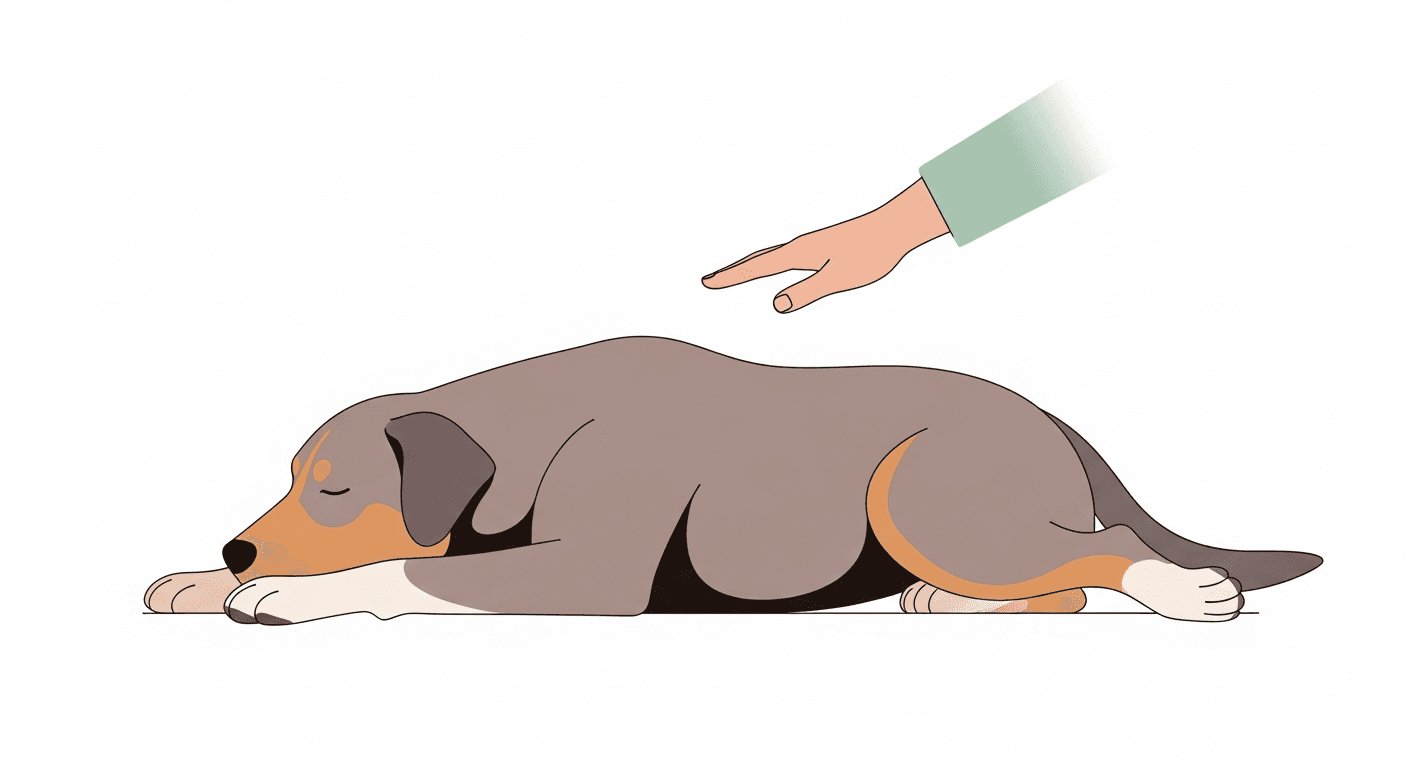 🎾 Dog Training
Down/Lie Down Command: Teaching Your Dog to Settle on Cue
How to teach your dog a reliable down command using luring and shaping methods, plus tips for making the down a calm, settled position.
 🎾 Dog Training
Dog Training Tools Compared: What Works, What Harms, and What to Choose
An evidence-based comparison of popular dog training tools — from harnesses and clickers to prong collars and e-collars — and expert recommendations.