What Is Resource Guarding?
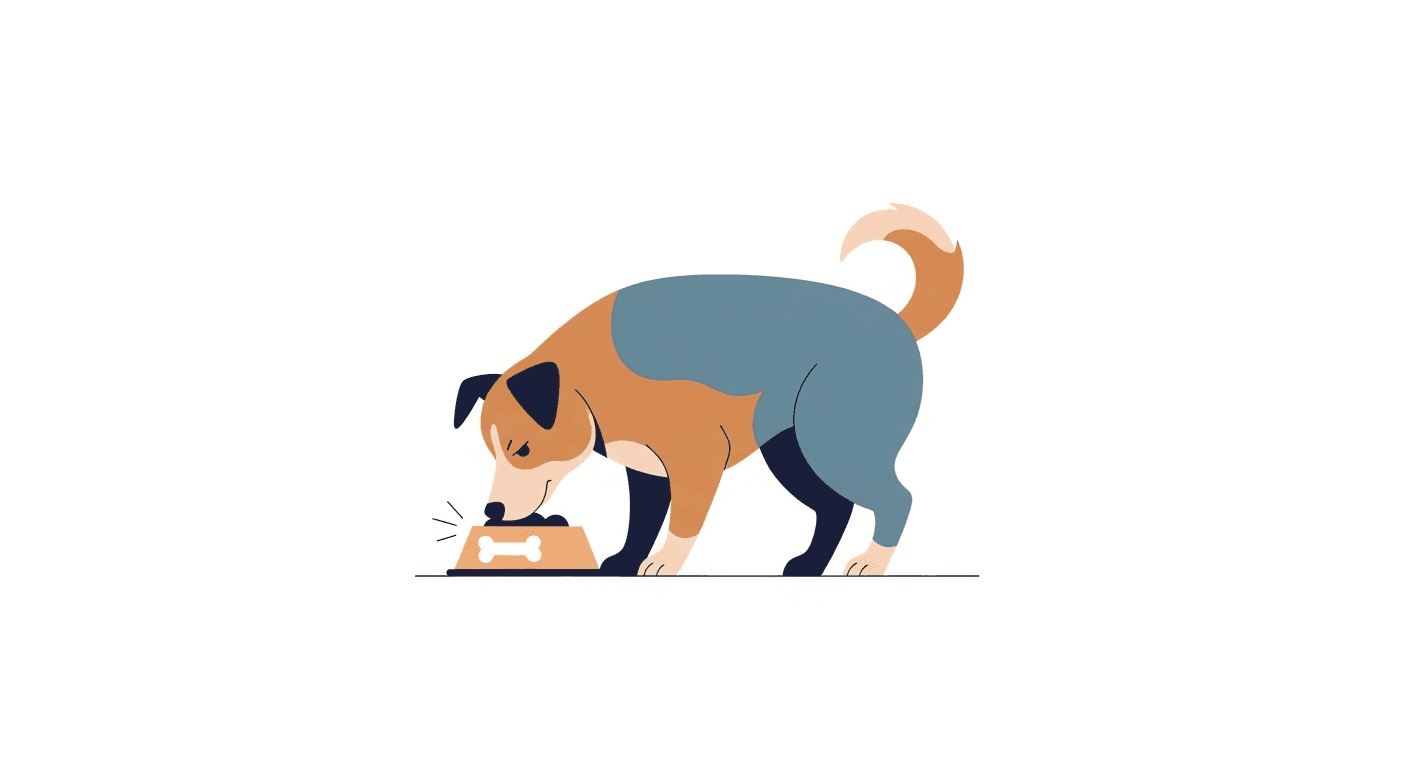
Resource guarding is behavior that a dog uses to keep others (people or animals) away from something they perceive as valuable. The resource being guarded can be food, a chew, a toy, a resting spot, a person, or even a space. The behaviors used to guard can range from subtle warning signals — stiffening, hard stares, eating faster — through to growling, snapping, and biting.
Resource guarding is a normal dog behavior rooted in survival instinct. In a natural or competitive environment, not guarding resources could mean losing them. The goal of training is not to eliminate the instinct — that is not possible — but to teach the dog that the presence of a human near their resource predicts something good, not something bad (loss of the resource). The dog is taught that humans approaching means "something better is coming," so there is no need to guard.
Safety note: Resource guarding that involves stiff body posture, direct hard staring, and biting (particularly in the context of young children in the household) warrants immediate professional assessment by a certified behaviorist or veterinary behaviorist. The management and training strategies below are appropriate for mild to moderate guarding but may not be sufficient for severe cases.
Prevention: Setting Up Puppies for Success
Prevention is far easier than treatment. If you have a puppy, practice these habituation exercises now:
- Regularly approach your puppy while they eat and drop a high-value treat (chicken, cheese) near the bowl. This teaches: "human approaching means something even better arrives."
- Practice gentle food bowl removal — pick up the bowl, add something wonderful to it, return it. Never make bowl removal a scary or unpredictable event.
- Swap chews and toys regularly: approach, offer an equally good or better item, take the original, give it back. Teach that giving something up does not mean losing it.
- Practice "drop it" and "leave it" from puppyhood so the dog has trained behaviors for relinquishing items without conflict.
The Trading Game: Core Modification Technique
The trading game is the most effective positive reinforcement approach for mild to moderate resource guarding. The principle: approaching the dog and offering something better than what they have creates a positive conditioned emotional response to your approach during eating or chewing.
- Give your dog a medium-value chew or food item. Allow them to settle.
- Approach slowly. Before any tension appears, toss a piece of high-value food (chicken, cheese) near the dog — not taking anything yet.
- Step away. Repeat many times. The approach now predicts something appearing, not something being taken.
- Once the dog is relaxed with your approach, practice picking up the chew while tossing high-value treats. Return the chew. The dog learns: "you take it, but it comes back and something amazing happens."
- Over weeks, build to being able to pick up the item and remove it entirely, with the dog relaxed throughout, because the history tells them something good always follows.
Management Strategies to Use Immediately
- Feed your dog in a separate room away from other pets and away from high-traffic areas
- Do not allow children near the dog while they are eating, chewing, or in possession of a high-value item
- Remove the dog before clearing up high-value chews rather than taking the item while they have it
- Ensure all family members know not to approach the dog's food bowl, take items from them, or disturb them while they eat
- If you have multiple dogs, feed separately
- Do not use the "alpha roll" or physical domination — this directly escalates guarding behavior and bite risk
Common Mistakes That Make Guarding Worse
- Punishing growls: Growling is a warning. Punishing it removes the warning, leading to bites without prior indication — which is much more dangerous.
- Repeatedly taking items: Repeatedly practicing item removal without building a positive association first teaches the dog that their concern about your approach was justified.
- Flooding: Deliberately standing next to the dog while they eat to "show them it's okay" floods them with the thing they are uncomfortable with, potentially worsening the response.
- Inconsistency: Some family members being relaxed about approaching while others use the trading game will slow progress. Everyone must follow the same protocol.
Document your dog's guarding incidents — what was being guarded, what triggered the response, what level of guarding occurred — in the TailRounds Daily Log. If guarding is escalating, has involved a bite, or exists in a household with children, contact a certified behaviorist and discuss medication support with your vet at Happy Paws Veterinary Clinic.
Continue Reading
 🎾 Dog Training
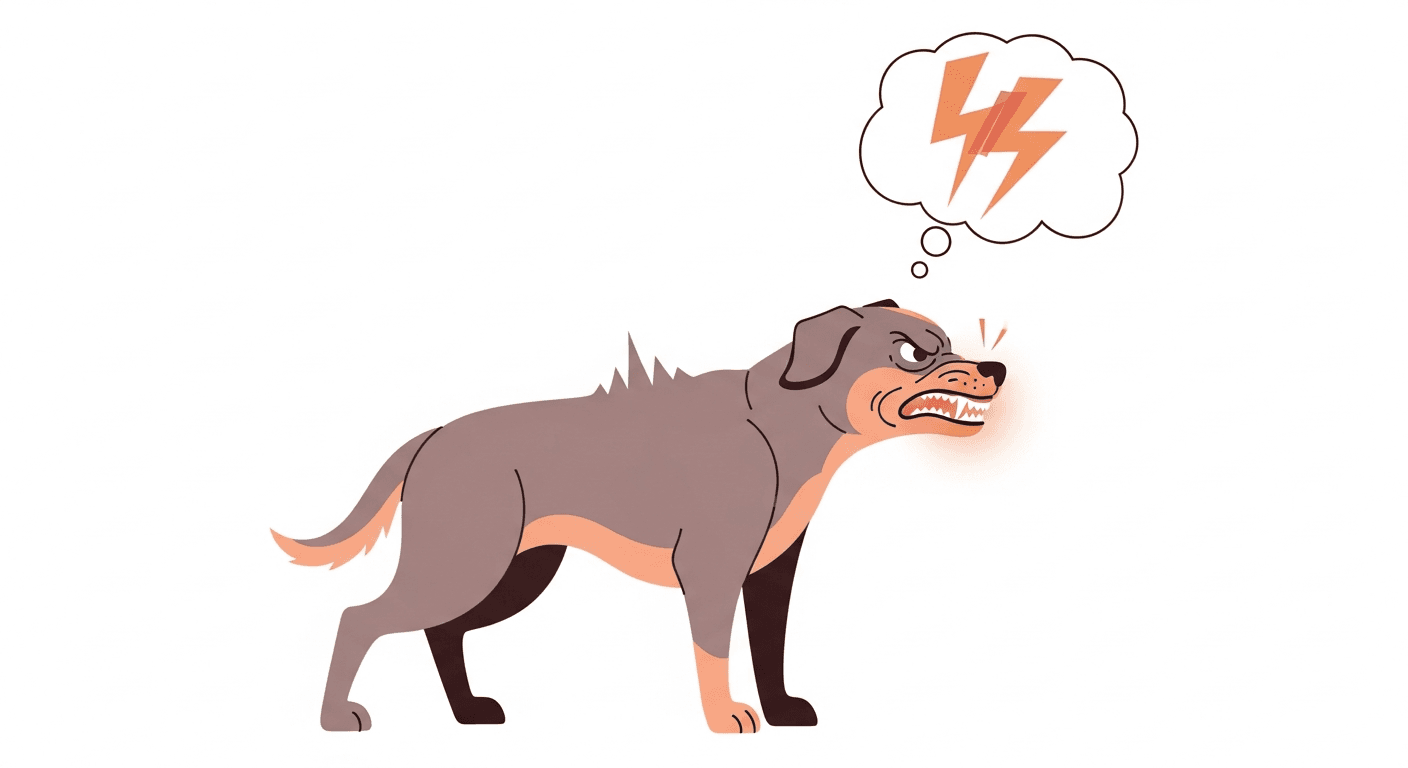
Dog Aggression: Recognizing Warning Signs and Management Strategies
Learn to identify early warning signs of dog aggression and understand management and training strategies to keep your household safe.
 🎾 Dog Training
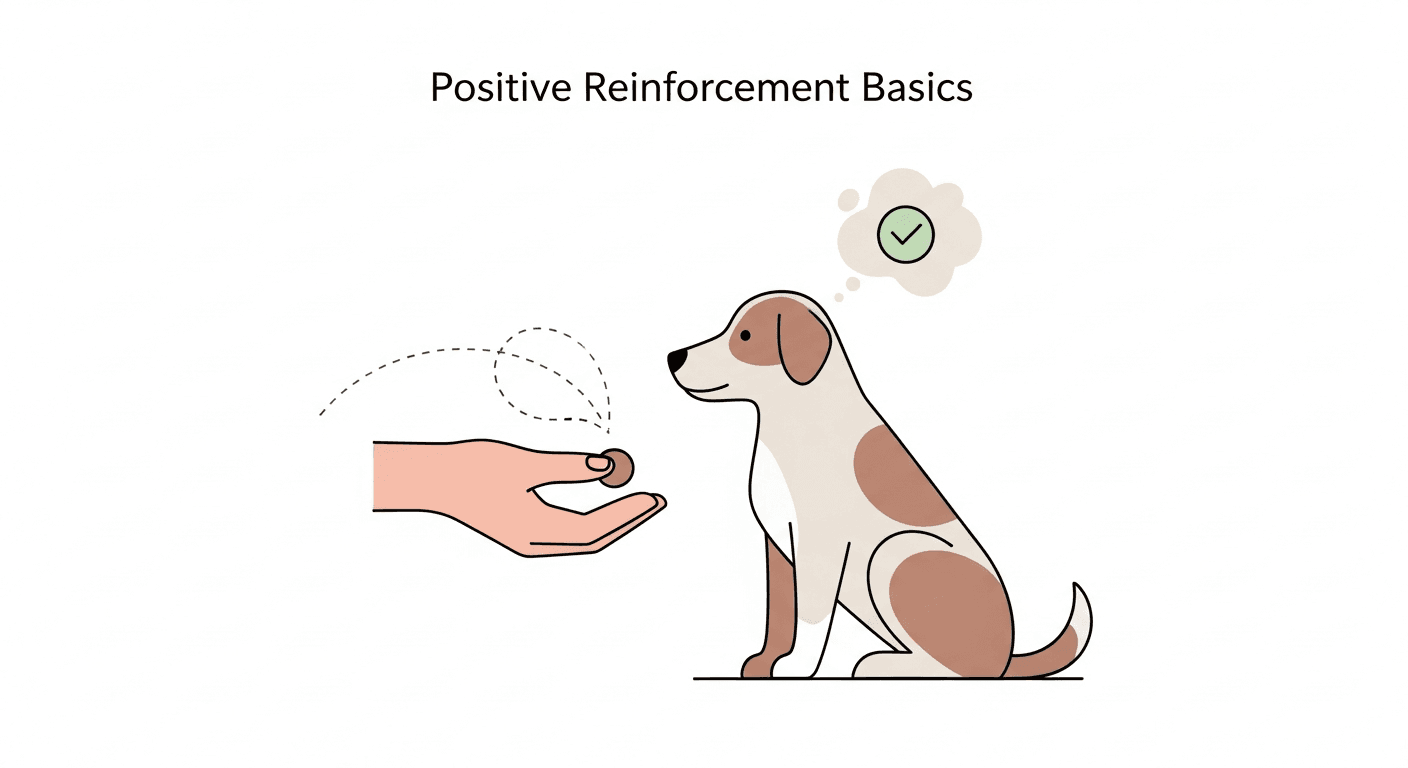
Positive Reinforcement Training: The Science and How to Apply It
Understand how positive reinforcement works in dog training, why it outperforms punishment-based methods, and how to apply it effectively.
 🎾 Dog Training
Fear-Based Behaviors in Dogs: Recognition and Compassionate Management
Understand the signs of fear-based behaviors in dogs, how to identify triggers, and evidence-based approaches to help a fearful dog.
 🎾 Dog Training
Training a Rescue Dog: Building Trust and Setting Foundations
How to successfully train a rescue dog, from the first days at home to building confidence and addressing common rescue dog behavioral challenges.