
Understanding Dog Aggression: It Is Communication, Not Evil
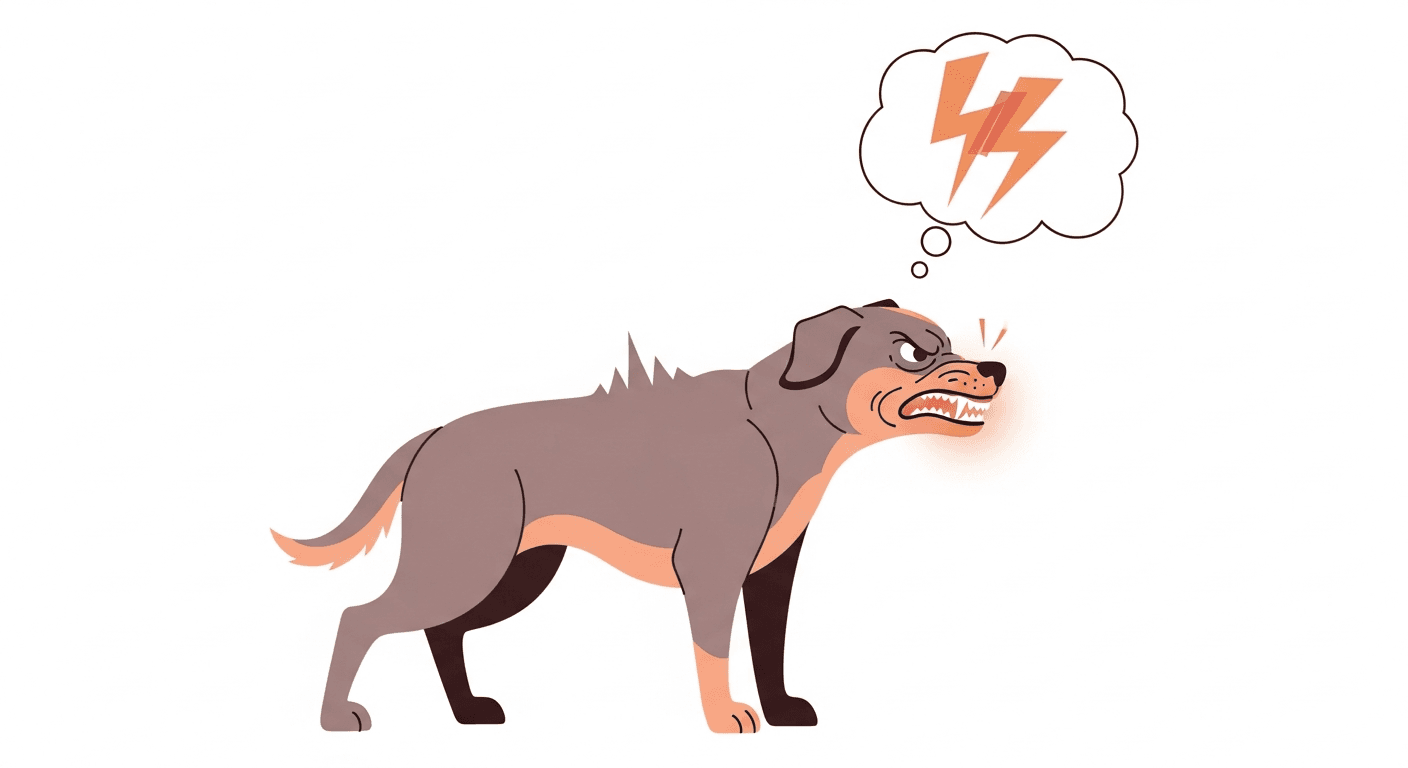
Aggression in dogs is a normal part of canine communication. It exists on a continuum — from a subtle lip curl warning all the way to a bite — and every stage of that continuum is a dog communicating that something is wrong. Dogs do not bite without warning; the warning signals are simply often missed or suppressed. Understanding aggression as communication, rather than as a character flaw or a sign of a "bad" dog, is the foundation of effective management and behavior modification.
It is also essential to understand that aggression almost always has a function: the dog is trying to create distance from something they find threatening, painful, or resource-worthy. Identifying that function is key to addressing the behavior. Aggression driven by fear requires a completely different approach than aggression driven by pain, resource guarding, or predatory behavior.
Important note: Serious aggression — particularly biting that breaks skin, unpredictable aggression without clear warning, or aggression toward children — requires immediate professional intervention from a certified applied animal behaviorist or veterinary behaviorist. This article covers recognition and management but is not a substitute for professional assessment.
The Aggression Ladder: Recognizing Escalating Warning Signals
Dogs communicate their discomfort through a hierarchy of signals before reaching a bite. Learning to read these signals allows you to intervene early and prevent escalation.
- Distance-increasing signals: Looking away, yawning, lip licking, sniffing the ground. These are appeasement signals that say "I am uncomfortable."
- Body stiffening: The dog freezes or becomes very still. This is significant — a frozen dog is a dog that is deciding what to do next.
- Staring: Hard, direct eye contact with a fixed gaze. Different from normal soft-eyed looking at you.
- Growling: Clear, direct communication that the dog is uncomfortable. Never punish a growl — it is a warning and suppressing it removes a critical early warning signal, making a bite more likely.
- Showing teeth (snarl): An escalation of the growl.
- Snapping: A quick bite at air, often with a miss — a final warning.
- Biting: The dog makes contact. A bite that does not break skin is called a "bite inhibited" bite — the dog is still showing restraint.
Types of Aggression and Their Causes
- Fear aggression: The most common type. Triggered by something the dog finds threatening. Often occurs when the dog cannot escape. Typically characterized by a tucked tail, flattened ears, and a crouched posture alongside the aggression.
- Pain-elicited aggression: Any dog in pain may bite when touched. A previously gentle dog that suddenly snaps when handled near a specific area should see a vet before any training is attempted.
- Resource guarding: Aggression around food, toys, spaces, or people. See our separate guide on resource guarding solutions.
- Territorial aggression: Directed at strangers approaching the home or property.
- Redirected aggression: When a dog cannot reach the target of their arousal and redirects onto the nearest available person or dog.
- Leash reactivity: Aggression displayed only when on leash, often from frustration or fear. See our guide on reactive dog training.
Immediate Management Strategies
Management means preventing the dog from practicing aggressive behavior while you work on behavior modification. These are not permanent solutions but are essential to keep everyone safe during training:
- Use baby gates, dog crates, and management tools to prevent access to trigger situations
- Muzzle training — teach your dog to wear a well-fitted basket muzzle comfortably before they need it. A muzzle is not a punishment; it is a safety tool.
- Keep on leash in situations where the dog might encounter triggers
- Avoid known trigger situations until you have professional guidance
- Post a warning on your front door if strangers trigger the dog
- Educate family members and visitors about not approaching the dog in ways that trigger aggression
When to Seek Professional Help
Seek professional help immediately if your dog has bitten or snapped at a person, has bitten hard enough to break skin, has lunged aggressively at a child, shows aggression that appears unpredictable (no visible warning), or is getting worse despite management. Look for a certified professional dog trainer (CPDT-KA), a Board Certified Veterinary Behaviorist (DACVB), or a Certified Applied Animal Behaviorist (CAAB). Avoid trainers who use dominance theory, choke chains, prong collars, or shock collars for aggression — these approaches suppress warning signals and increase bite risk.
Always start with a veterinary check if aggression has appeared suddenly or changed in character — pain is a very common and frequently missed cause of aggression. Book an appointment at Happy Paws Veterinary Clinic to rule out medical causes, and use TailRounds AI Triage to assess urgency if the situation is escalating. Document specific incidents — triggers, body language, context — in the TailRounds Daily Log to help your vet and behaviorist identify patterns.
Continue Reading
 🎾 Dog Training
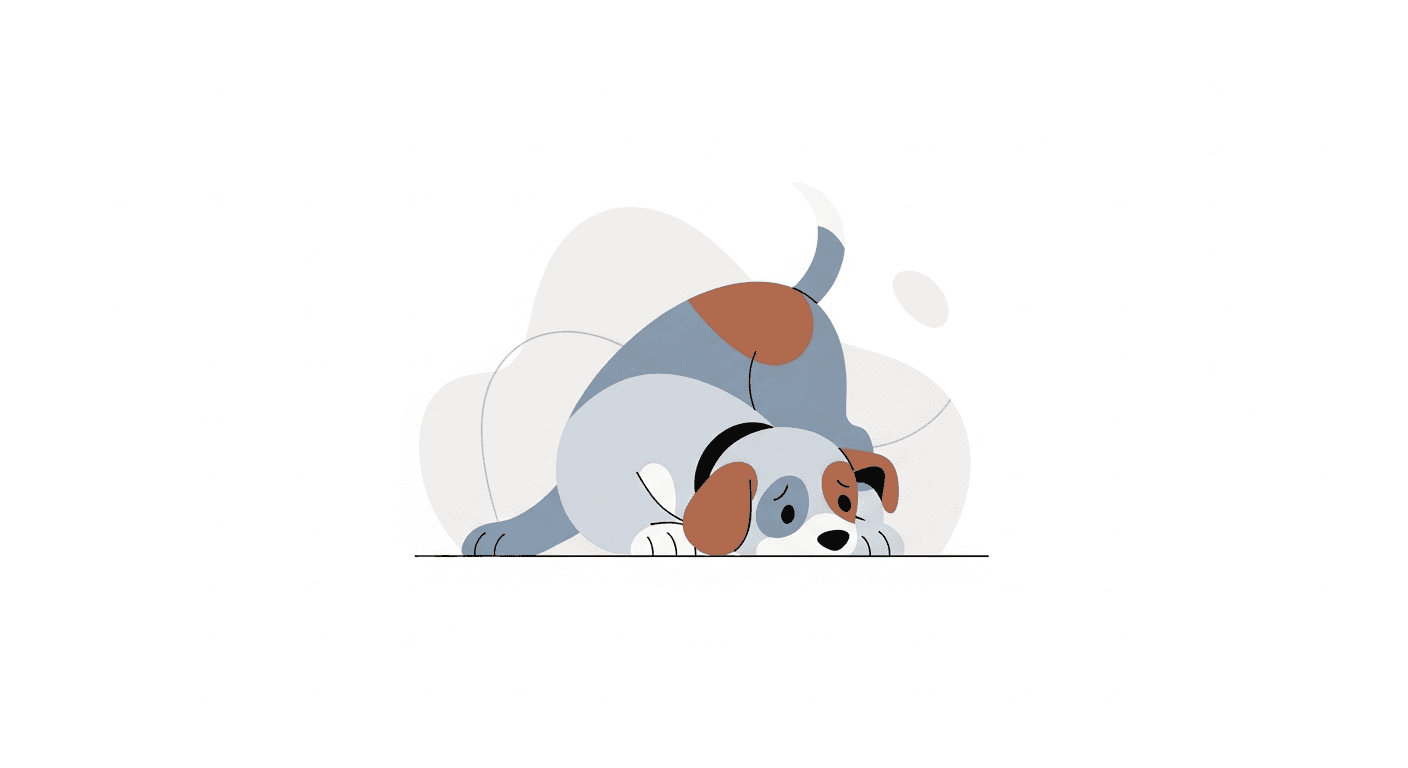
Fear-Based Behaviors in Dogs: Recognition and Compassionate Management
Understand the signs of fear-based behaviors in dogs, how to identify triggers, and evidence-based approaches to help a fearful dog.
 🎾 Dog Training
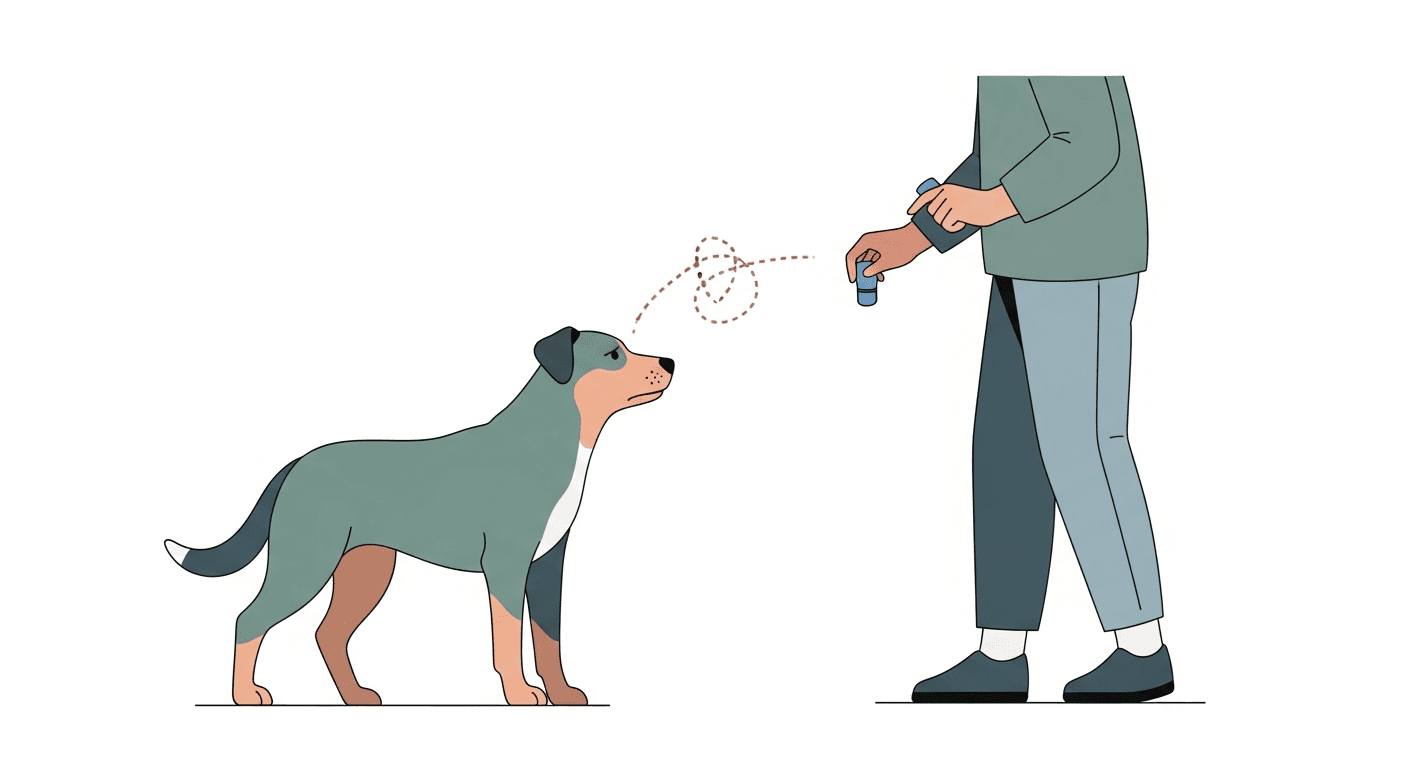
Reactive Dog Training: Help Your Dog Stay Calm Around Triggers
A practical guide to managing and training a reactive dog, covering threshold training, BAT, and real-world management strategies.
 🎾 Dog Training
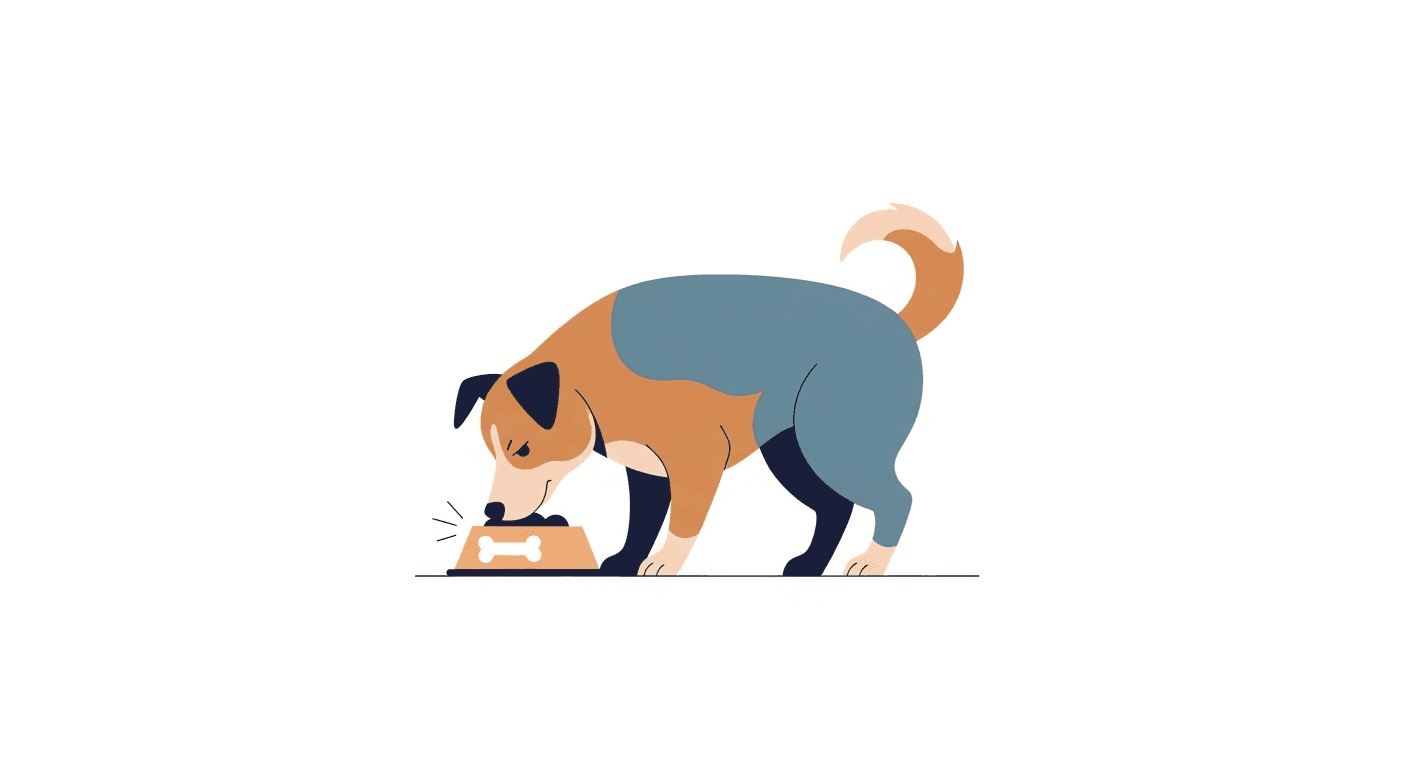
Resource Guarding in Dogs: Causes, Prevention, and Training Solutions
Understand why dogs guard food, toys, and spaces, and learn safe, evidence-based strategies to manage and reduce resource guarding.
 🎾 Dog Training
Dog Separation Anxiety: Causes, Signs, and Solutions
Understand dog separation anxiety and learn a step-by-step desensitization protocol to help your dog become comfortable being alone.