
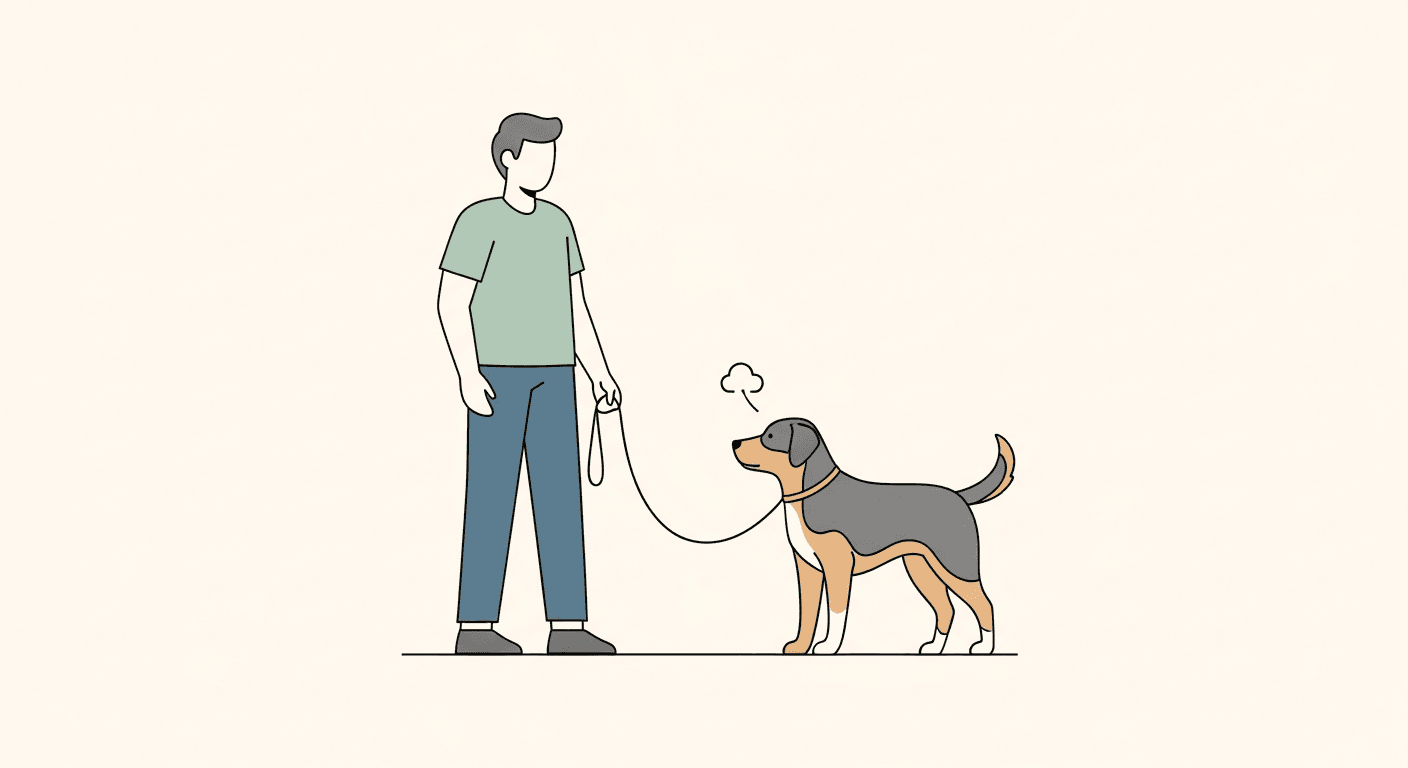
Why Dogs Pull on the Leash
Leash pulling is one of the most common complaints among dog owners, and understanding why dogs do it makes training much more straightforward. Dogs pull because pulling works — they move forward, they get to sniff things, they get closer to other dogs. From the day a puppy first goes on the leash, every step forward while pulling is a reinforcement of the pulling behavior. Add to that the fact that dogs walk faster than we do, find the outside world enormously stimulating, and have no instinct to match a human's walking pace, and it becomes clear why pulling is so prevalent.
The goal of loose-leash training is not to make your dog walk robotically beside you for miles — it is to teach them that a loose leash is the only thing that produces forward movement, and that the walk is more rewarding when they stay in your vicinity. The training requires patience and consistency: every single walk is a training session until the behavior is solid.
Equipment Options
Choosing the right equipment can make a significant difference in how quickly you make progress, but equipment alone is never the full solution. Here are the main options:
- Standard flat collar: Fine for dogs that already walk nicely. Not appropriate for consistent pullers as it puts pressure on the trachea and can cause injury in dogs that pull hard.
- Front-clip harness (Y-harness with front ring): The best starting point for most pullers. The front ring means the dog steers themselves toward you when they pull, making pulling self-limiting. No pain or discomfort involved. Good examples include the Perfect Fit, Ruffwear Front Range, and similar designs.
- Head halter (Halti, Gentle Leader): Gives excellent control and is especially useful for large, strong dogs. Requires careful introduction — most dogs need several sessions to accept it without pawing at their face. Works by steering the head, so the body follows.
- Back-clip harness: Does not actively discourage pulling and in some dogs increases it. Generally not recommended for pullers, though fine for dogs that already walk well.
- Prong or choke chains: Aversive equipment that works through pain and discomfort. Not recommended — can cause physical and psychological harm and does not teach the dog what to do, only what not to do.
The Stop-and-Wait Method
This is the simplest and most widely recommended method for teaching loose-leash walking. The principle: the leash tightening is a signal that you stop and wait. Forward movement only happens when the leash is loose.
- Begin walking. The moment the leash begins to tighten — before it goes fully taut — stop completely. Plant your feet. Do not move forward.
- Wait. Do not call your dog, do not pull back, do not say anything. Just wait.
- When your dog turns back to look at you or takes a step back to release the tension, say "Yes!" and immediately take a few steps forward.
- Reward with a treat every time your dog checks in with you — looks at your face — while walking with a loose leash.
- Repeat consistently on every walk. In the first few sessions, you may barely make it down the street. That is normal and expected.
The Change Direction Method
Instead of stopping, you change direction the moment the leash tightens. This keeps the walk moving (which many dogs find more engaging than stopping) while making it clear that pulling does not produce the result the dog wants.
- The moment the leash tightens, calmly turn and walk in the opposite direction.
- Do not yank or jerk — simply turn and walk. Your dog will be pulled around and will quickly trot to catch up.
- Reward when they are walking alongside you with a loose leash.
- Be prepared to change direction frequently at first — some owners turn dozens of times in a single session.
Common Mistakes to Avoid
- Inconsistency: Allowing pulling even once — because you are in a hurry, because it is raining, because you feel bad — sets the training back significantly. Every step forward while pulling teaches the dog that pulling sometimes works.
- Only training on "training walks": Every walk is a training walk. If you practice loose-leash walking on Mondays but allow pulling the rest of the week, you will make almost no progress.
- Expecting too much too soon: Loose-leash walking takes most dogs weeks to months to learn reliably. Especially in high-distraction environments, expect a slower process.
- Nagging with the leash: Constant small jerks on the leash do not communicate the message you intend and can make some dogs more anxious and reactive.
- Walking too slowly for the dog's energy level: A dog with pent-up energy will pull more. Letting your dog have a free-sniff session at the start of the walk on a long line, or doing a short run or play session first, can make leash training much easier.
Adding the "With Me" or "Heel" Cue
Once your dog is consistently walking with a loose leash most of the time, you can introduce a cue for the specific position of walking beside you. Say "with me" or "heel" just as your dog naturally falls into the correct position, then reward with a treat. Over many repetitions, they will learn that this word means "walk right beside me and good things happen." You do not need to use formal heel position for every walk — reserving it for specific situations (crossing the road, passing another dog) and allowing more freedom the rest of the time makes for a more balanced, enjoyable walk for both of you. Track leash training progress using the TailRounds Daily Log, and if pulling is accompanied by lunging or reactivity toward other dogs or people, see our guide on reactive dog training for additional support.
Continue Reading
 🎾 Dog Training
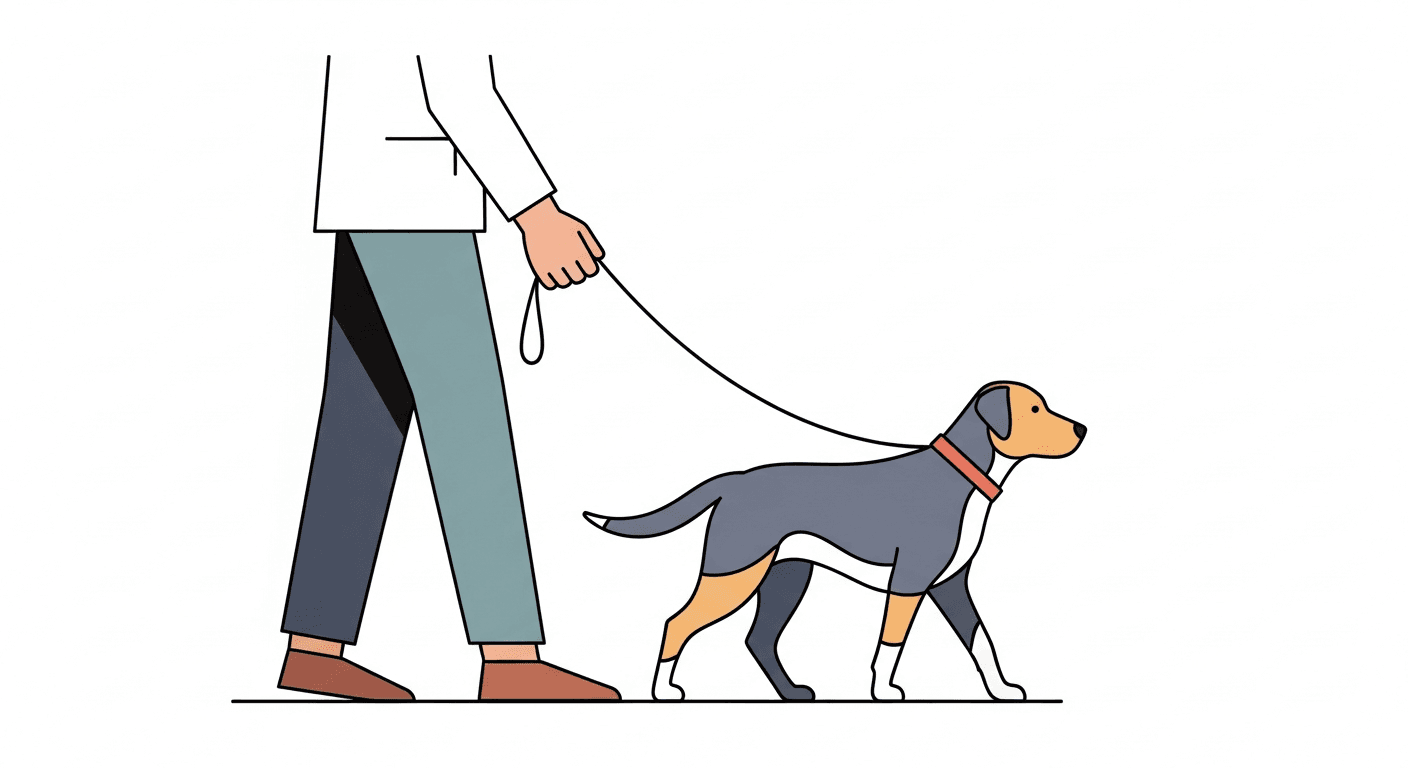
Heel Command and Loose Leash Walking: A Complete Guide
Learn to teach a formal heel position and loose-leash walking so walks are enjoyable for both you and your dog.
 🎾 Dog Training
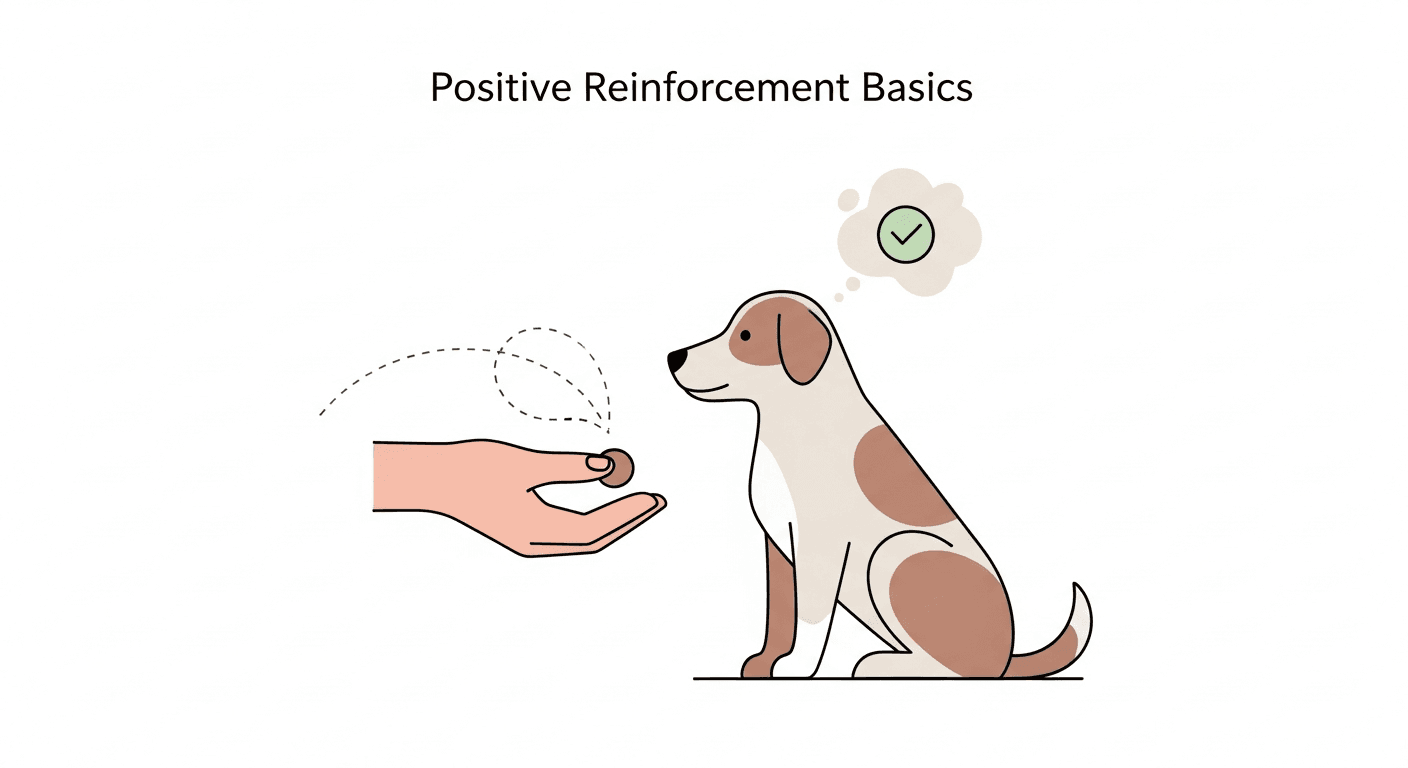
Positive Reinforcement Training: The Science and How to Apply It
Understand how positive reinforcement works in dog training, why it outperforms punishment-based methods, and how to apply it effectively.
 🎾 Dog Training
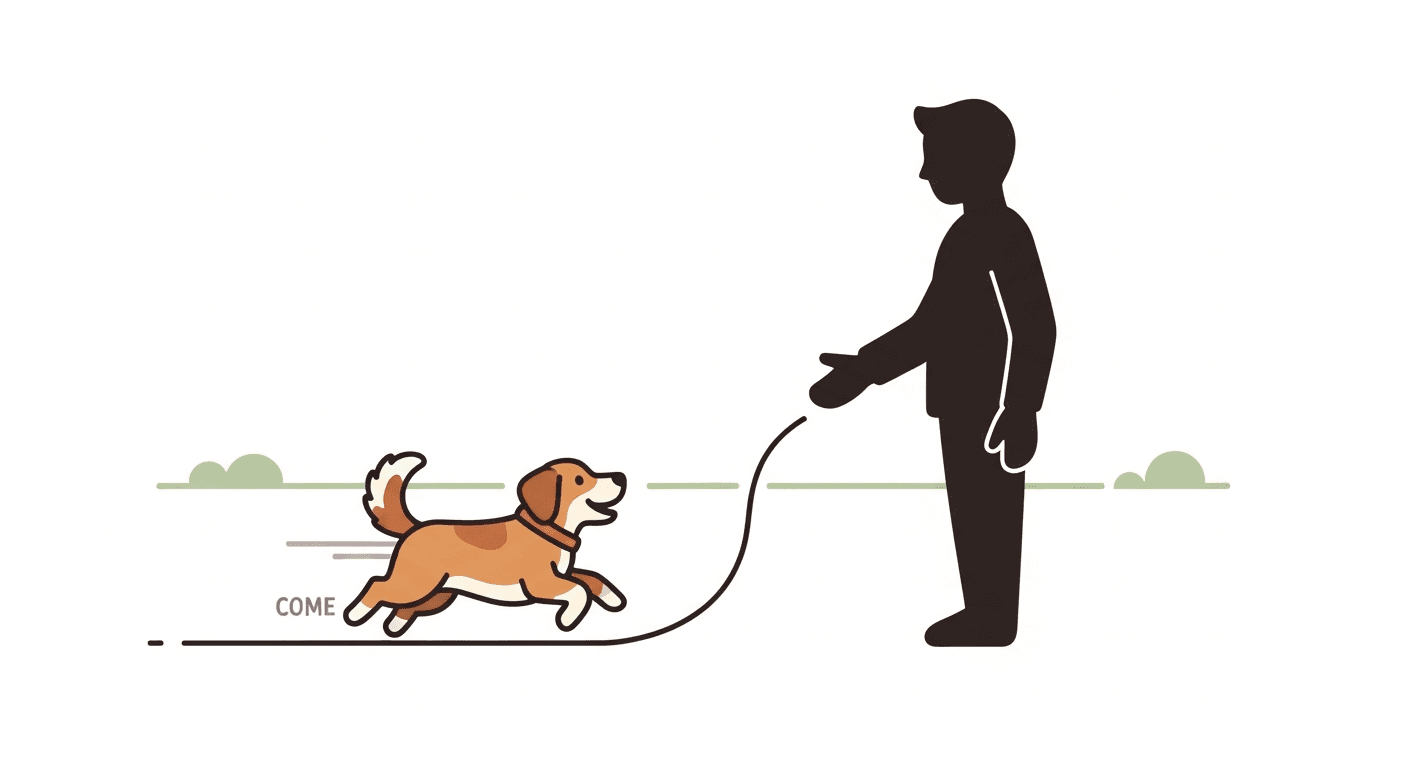
Recall Training: Teaching Your Dog a Reliable "Come" Command
Step-by-step recall training guide to build a fast, reliable come command that could save your dog's life in an emergency.
 🎾 Dog Training
Reactive Dog Training: Help Your Dog Stay Calm Around Triggers
A practical guide to managing and training a reactive dog, covering threshold training, BAT, and real-world management strategies.