
What Is Reactivity and Why Does It Happen?
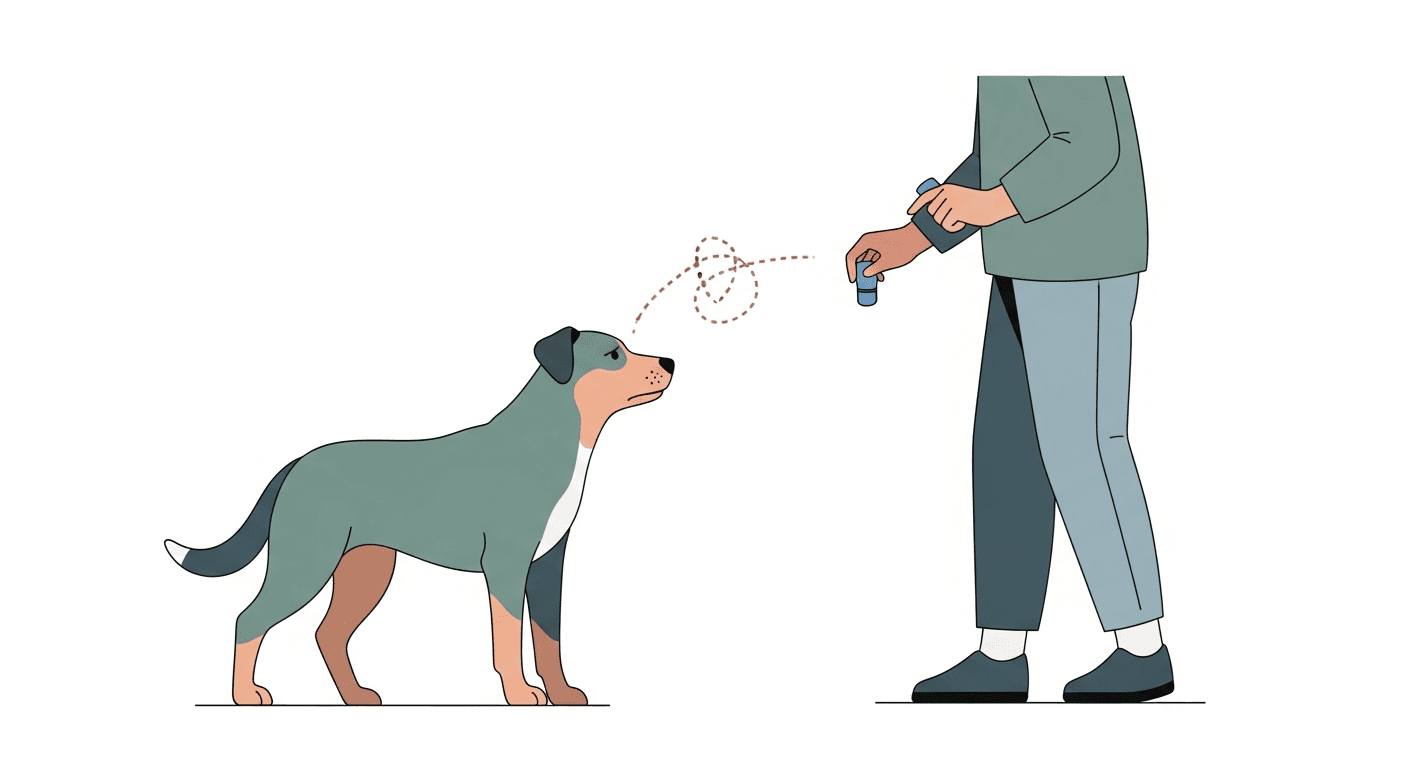
Reactivity refers to an over-the-top response to a specific trigger — typically other dogs, people, bicycles, or animals — that manifests as barking, lunging, growling, or pulling intensely toward or away from the trigger. Reactivity is not aggression, though it can escalate into aggression if unmanaged. Most reactive dogs are motivated by fear, frustration, or a combination of both. The leash itself is often a contributing factor: on leash, the dog cannot use their normal social behavior (approach, sniff, communicate) or flight response (run away), so they fall back on barking and lunging as a way to manage the situation.
Reactivity is very common — many trainers estimate that thirty to fifty percent of dogs show some form of leash reactivity. It is also one of the most manageable behavioral issues when the right approach is used consistently. The key is working under threshold (below the point where the dog loses the ability to process information) and building new emotional responses to triggers over time.
Understanding Threshold
Threshold is the distance at which your dog can perceive a trigger without having a reactive response. Every dog's threshold is different: some dogs lose it when a trigger is fifty meters away, others only react at five meters. Inside threshold, the dog can think, respond to cues, and take food. Outside threshold, the brain is in survival mode — no training is happening. Every session where your dog goes over threshold and reacts reinforces the reactive behavior. Every session where you keep the dog under threshold and pair the trigger with something good builds a new emotional association.
Your first job is to find your dog's threshold distance for each major trigger. This becomes the starting point of all training.
Training Approach 1: Look at That (LAT)
LAT, developed by Leslie McDevitt in the "Control Unleashed" program, teaches the dog that noticing a trigger earns a treat. This shifts the dog's emotional response from alarm to anticipation.
- Stand at your dog's threshold distance from a trigger.
- The moment your dog notices the trigger (looks at it) but before any reactive behavior, say "Yes!" and give a treat.
- Repeat as the trigger moves, stays, or is replaced by another trigger.
- Over many sessions, the pattern emerges: "trigger appears → I look at it → I look back at my owner for my treat." The dog begins to orient to you when they see a trigger rather than going over threshold.
Training Approach 2: Engage-Disengage
A two-part protocol: first reward the dog for engaging with (noticing) the trigger, then reward for disengaging (looking away from the trigger back to you).
- Trigger appears at threshold distance. Click/treat when dog looks at trigger (engage).
- Wait. When dog looks back at you or looks away from trigger (disengage), click/treat again with a jackpot.
- Gradually decrease distance over many sessions as the dog consistently disengages.
Management: Protecting Your Dog's Threshold During Training
Management is not optional — it is essential. Every time a reactive dog goes over threshold and reacts, the behavior is being practiced and reinforced. Management prevents this during the training period:
- Choose walking routes and times that minimize trigger exposure while training is in progress
- Use a front-clip harness for better steering control when a trigger appears unexpectedly
- Learn to read the environment: if you see a trigger before your dog does, create distance proactively
- Use body blocking: position yourself between your dog and the trigger
- Emergency U-turns: when a trigger appears too close, immediately turn and walk the other way without drama
- Communicate with other dog owners: it is okay to say "Sorry, my dog is in training, please keep your dog away"
BAT 2.0: Behavior Adjustment Training
BAT, developed by Grisha Stewart, takes a different approach by allowing the dog to use natural cut-off signals and retreat movements as their own reward. The dog is allowed to approach the trigger at their own pace (within a controlled setup), and when they offer a calm, social signal (sniffing the ground, looking away, shaking off), they are allowed to move away — movement away from the trigger is the reward. BAT is particularly effective for dogs that are more fear-driven than frustration-driven. It requires a careful setup and is best learned through Grisha Stewart's materials or a certified BAT consultant.
Long-Term Expectations
Reactivity rarely "cures" completely, but it can be managed to the point where it no longer significantly impacts your dog's or your daily life. Many reactive dogs with consistent training reach a point where triggers are visible without a reaction in most circumstances, and where the dog can be redirected quickly on the rare occasions reactivity does occur. Document each walk — what triggers appeared, how close they were, and how your dog responded — in the TailRounds Daily Log. This data shows progress over weeks and months that is hard to perceive session by session. If medication support is appropriate, discuss options at Happy Paws Veterinary Clinic.
Continue Reading
 🎾 Dog Training
How to Stop Leash Pulling: A Complete Training Guide
Practical methods to stop your dog pulling on the leash, covering loose-leash walking techniques, equipment choices, and common mistakes.
 🎾 Dog Training
Fear-Based Behaviors in Dogs: Recognition and Compassionate Management
Understand the signs of fear-based behaviors in dogs, how to identify triggers, and evidence-based approaches to help a fearful dog.
 🎾 Dog Training
Dog Aggression: Recognizing Warning Signs and Management Strategies
Learn to identify early warning signs of dog aggression and understand management and training strategies to keep your household safe.
 🎾 Dog Training
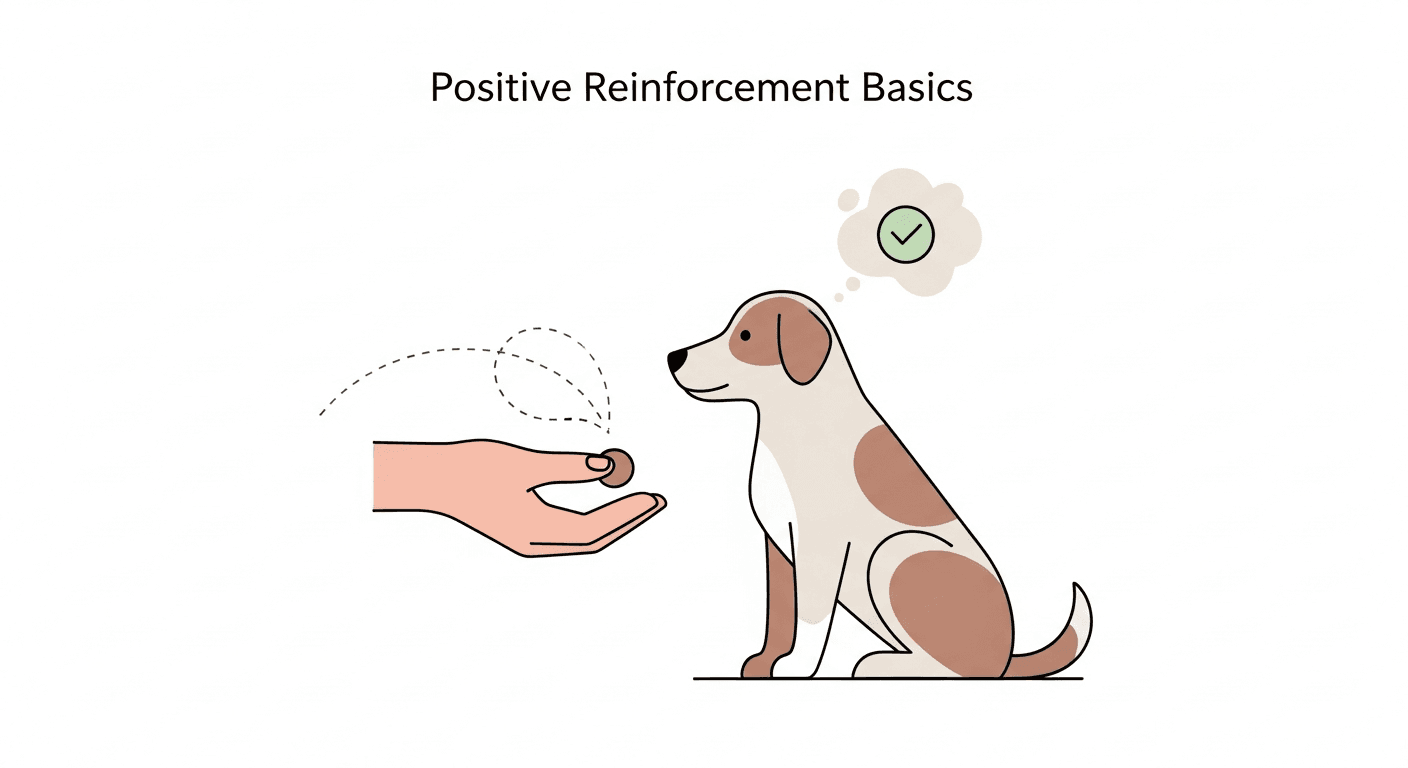
Positive Reinforcement Training: The Science and How to Apply It
Understand how positive reinforcement works in dog training, why it outperforms punishment-based methods, and how to apply it effectively.