
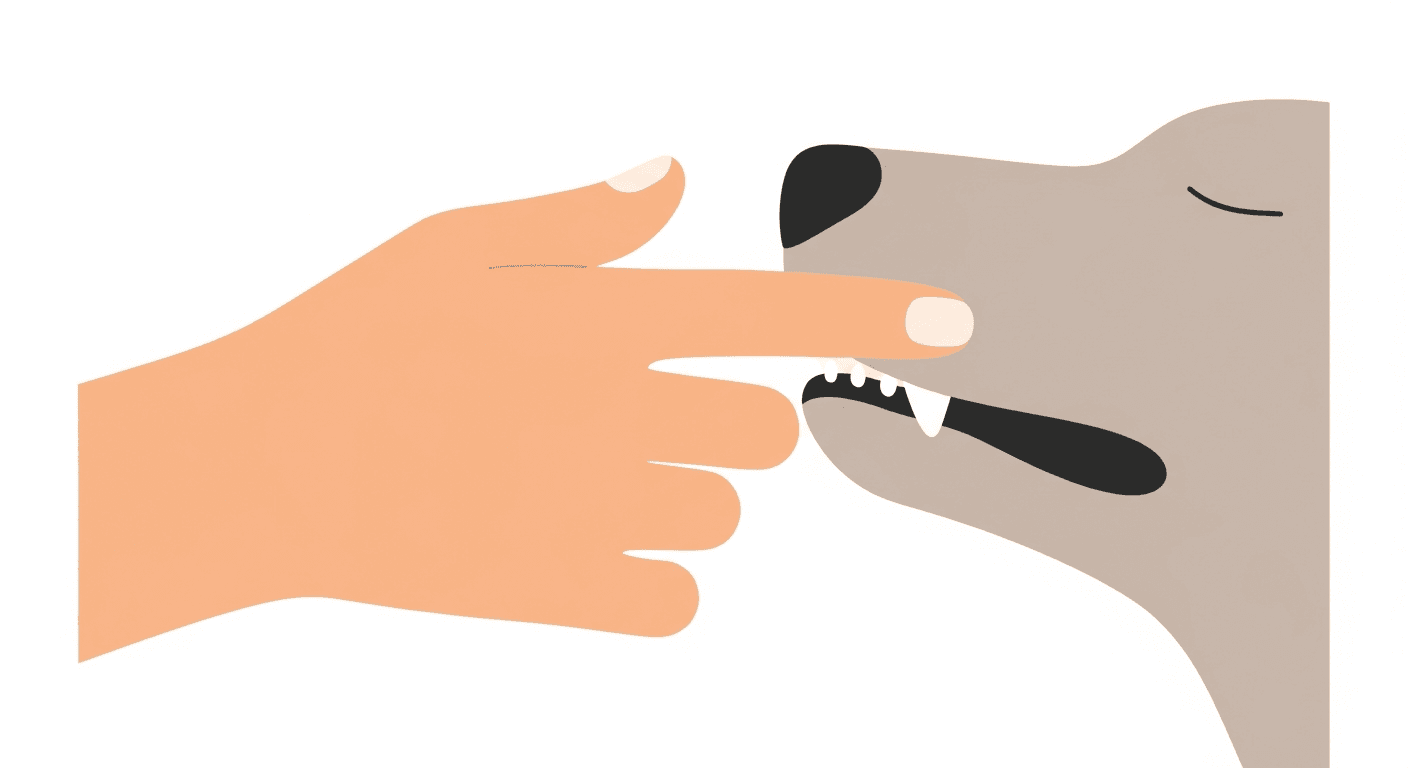
Why Does My Adult Dog Still Play Bite?
Play biting in adult dogs — using the mouth on human skin or clothing during play or excitement — is more common than many owners realize and is distinct from aggressive biting. Most adult dogs that play bite were not taught bite inhibition as puppies, were allowed to mouth freely during puppyhood, or simply have a very oral, high-energy play style that has never been redirected. Some breeds — retrievers, herding breeds, terriers — are more prone to mouthy play due to their working heritage.
The critical distinction to make is between play biting (soft, inhibited, associated with loose, excited body language, wagging, playful energy) and aggressive biting (stiff body, hard eyes, growling, escalating intensity). If you are uncertain which you are dealing with, a behavioral consultation is warranted. If it is play biting, the methods below are effective and safe to apply.
Step 1: Assess the Pattern
Before starting training, observe and note the pattern of play biting:
- When does it occur? During play, during greetings, when the dog is excited, when they want attention, when they are frustrated?
- What precedes it? Running around, high-pitched voices, waving arms, tugging games?
- How hard is the bite? Does it leave marks? Does it vary depending on arousal level?
- Does the dog stop when you say something, or do they escalate?
Understanding the pattern tells you whether the problem is arousal-driven, attention-seeking, lack of appropriate outlets, or simply an undertrained puppy in an adult body.
Method 1: Social Exclusion (Timeout from Interaction)
This method mirrors how bite inhibition is naturally learned — biting too hard stops the fun.
- During any interaction, the moment teeth touch skin, immediately freeze and stop all movement.
- Say "ouch" or make a brief neutral sound (not excited, not angry) and immediately turn away and leave the room for thirty seconds.
- Return calmly. If biting resumes, repeat immediately.
- Be consistent on every single repetition — no exceptions. Inconsistency is the biggest reason this method fails with adults.
Method 2: Redirect to Appropriate Outlets
Always have a toy available during play sessions. The moment biting begins, redirect immediately to the toy. If the dog bites you, stop moving, offer the toy, and when they take the toy, play enthusiastically with it. You are teaching: "biting humans ends the fun; biting toys starts the fun."
- Keep a tug toy or a long toy that keeps your hands away from the dog's mouth during play
- End play sessions before arousal levels get so high that biting becomes inevitable
- Teach a "get your toy" cue — send the dog to get a toy before greeting or play begins, so the toy is in their mouth from the start
Method 3: Managing Arousal
Many adult dogs play bite because they reach levels of excitement where impulse control breaks down. Managing arousal prevents the threshold from being crossed:
- Keep play sessions shorter and calmer — build in frequent pause-and-calm breaks during play
- Avoid play styles that naturally produce biting (chasing hands and feet, waving arms)
- Train a "settle" cue that brings the dog back to a calmer state during play
- Exercise the dog before play sessions — a dog that has had appropriate physical exercise is calmer and shows more impulse control
Training a Cue for "Gentle"
Some dogs respond well to a trained "gentle" or "easy" cue that warns them to moderate their bite pressure before contact is made. To build this: offer the back of your hand. Say "gentle" in a calm, quiet tone. If they lick or barely mouth, reward lavishly. If they bite with too much pressure, withdraw and wait. Over many repetitions, the word "gentle" begins to predict a lower pressure response. This gives you a verbal tool to use before biting escalates in situations where you can predict it is coming. Log the contexts and frequency of play biting in the TailRounds Daily Log to track improvement. If the biting is not improving after consistent training or is escalating in intensity, seek a consultation with a certified trainer or behaviorist.
Continue Reading
 🎾 Dog Training
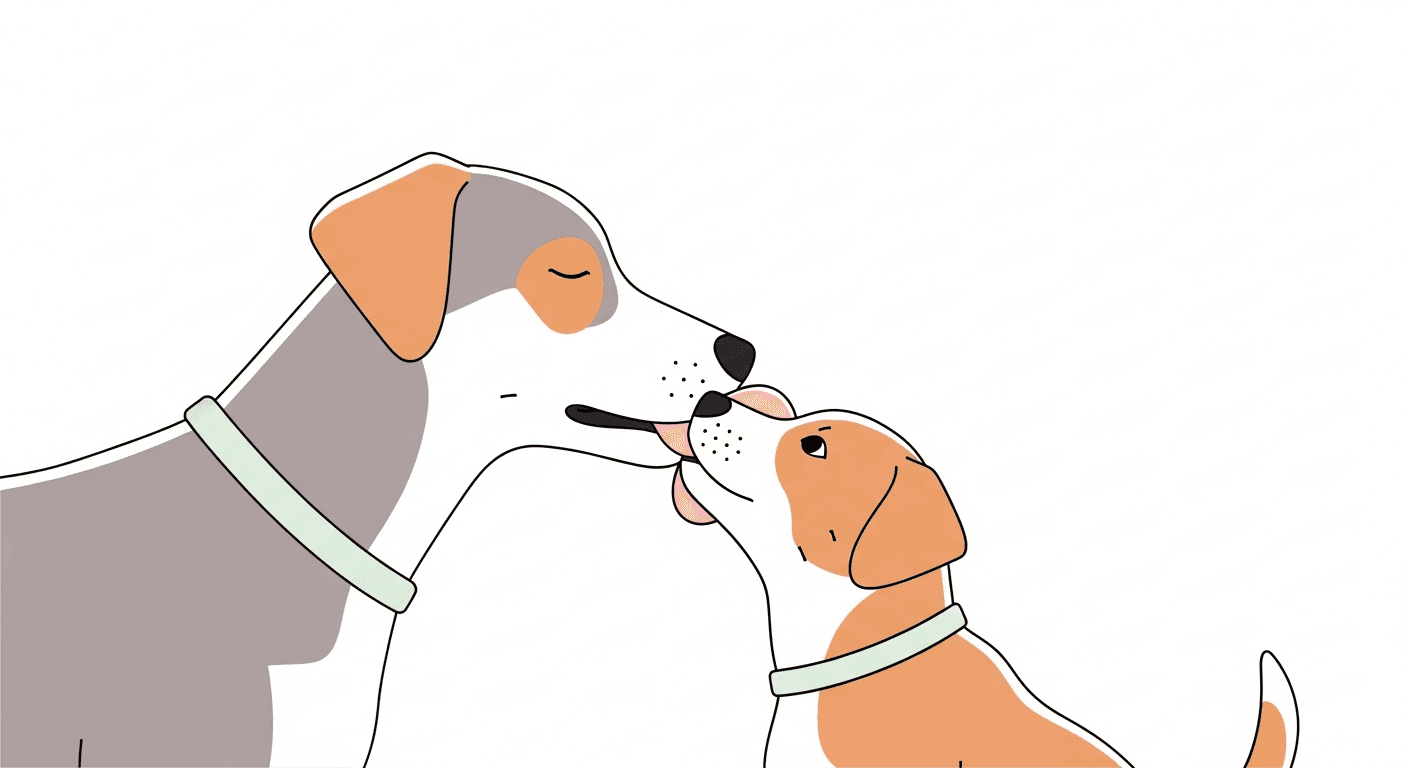
Bite Inhibition Training: Teaching Your Puppy Gentle Mouth Manners
Learn what bite inhibition is, why it matters for safety, and the step-by-step method to teach your puppy to control the pressure of their bite.
 🎾 Dog Training
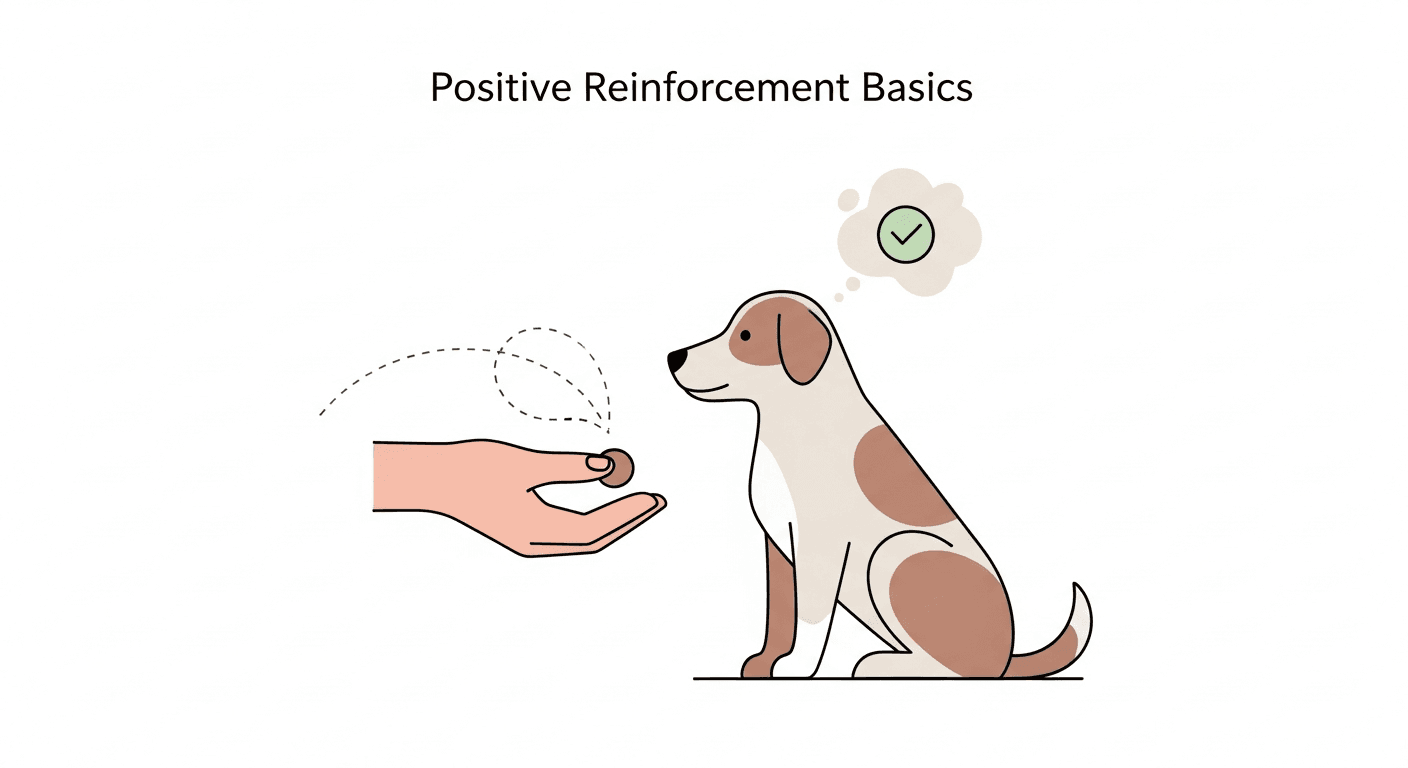
Positive Reinforcement Training: The Science and How to Apply It
Understand how positive reinforcement works in dog training, why it outperforms punishment-based methods, and how to apply it effectively.
 🎾 Dog Training
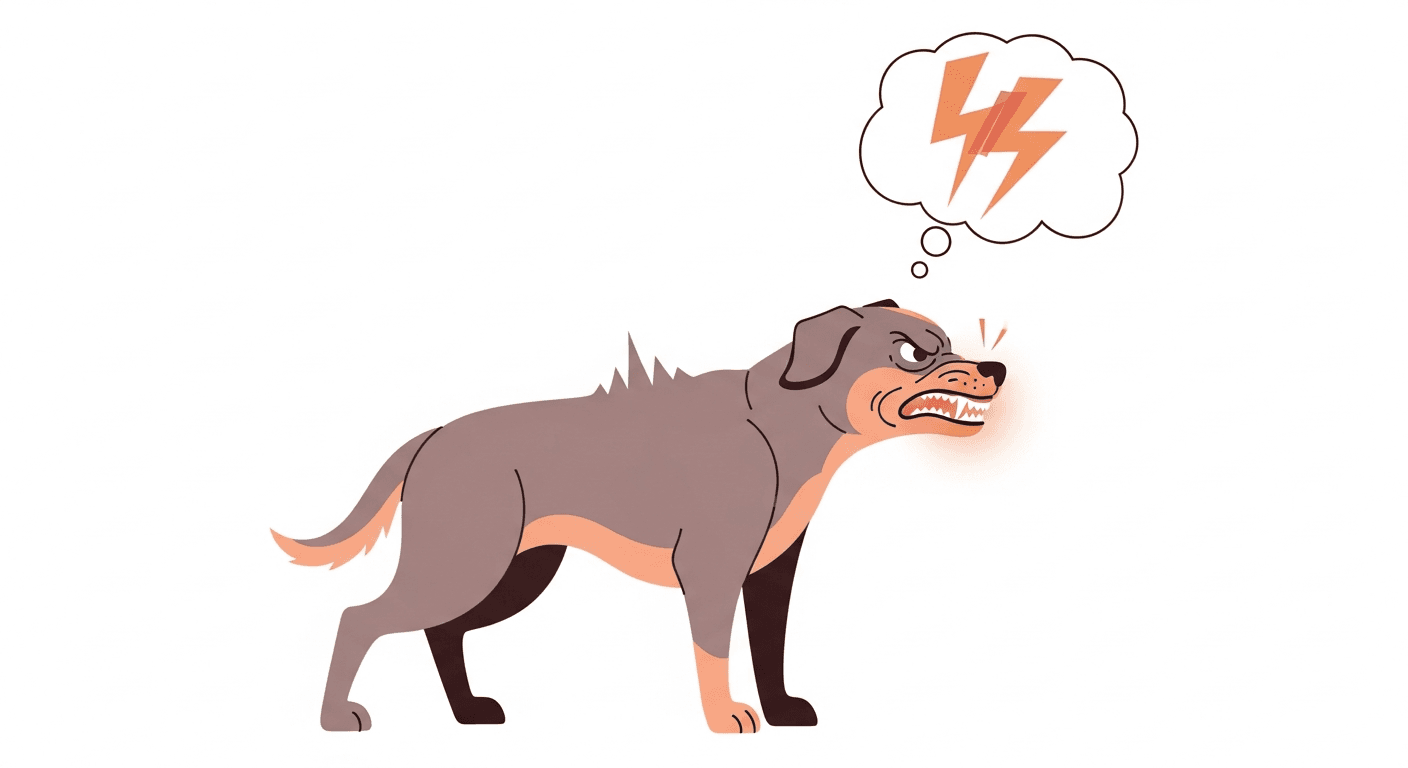
Dog Aggression: Recognizing Warning Signs and Management Strategies
Learn to identify early warning signs of dog aggression and understand management and training strategies to keep your household safe.
 🎾 Dog Training
How to Stop Your Dog Jumping Up on People
Stop your dog jumping up on visitors and family with effective, force-free training methods that everyone in your household can use.