
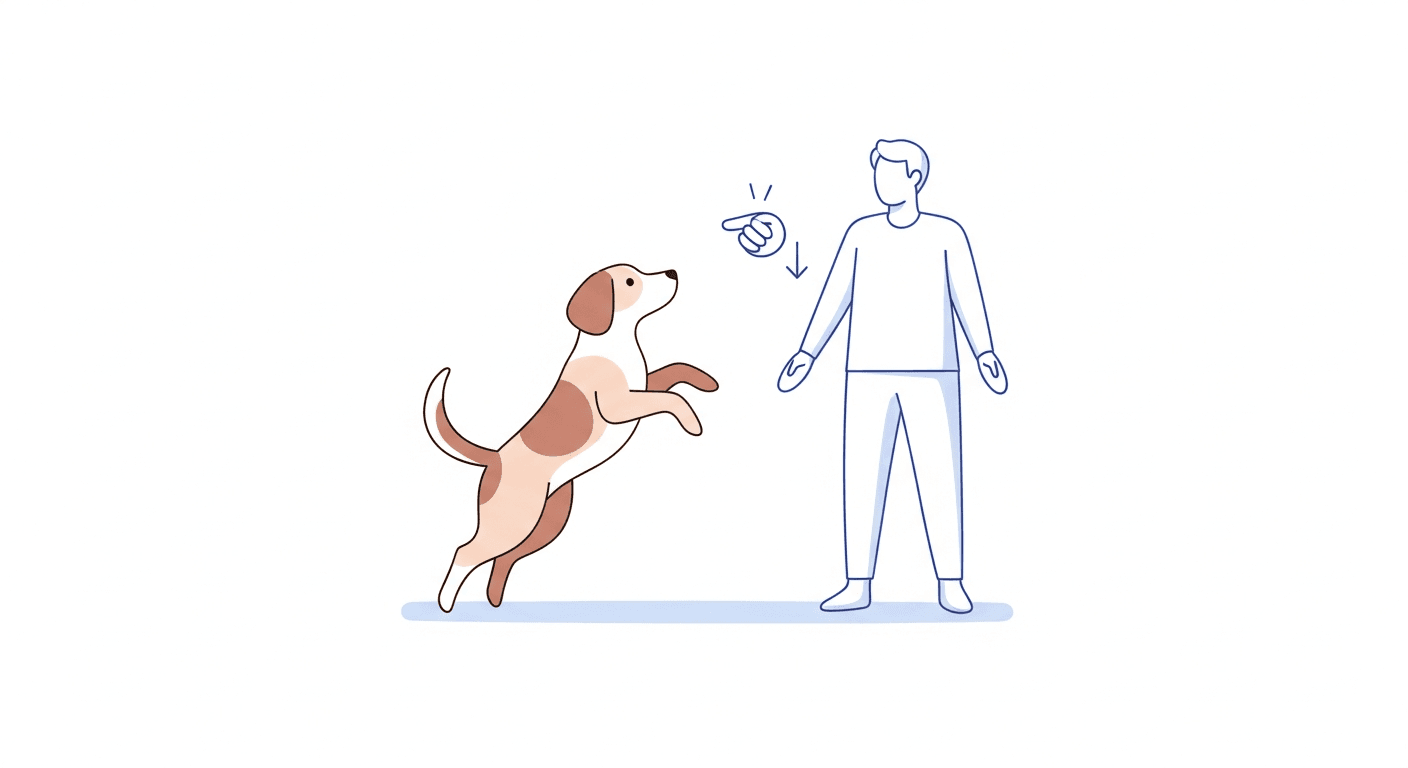
Why Dogs Jump Up on People
Jumping up is an attention-seeking behavior rooted in normal dog social behavior. Puppies jump up to reach the faces of adult dogs for social interaction and greetings. When a puppy jumps up on a human, they are doing the same thing — and typically, humans respond by talking to the puppy, pushing them away (which is physical interaction), or even picking them up. All of these responses are reinforcing the jumping, regardless of whether the human intended them to be. The jumping works, so the dog keeps doing it.
This is why "pushing the dog down" rarely works as a solution. Pushing is physical contact, which is what the dog wanted. Even if the contact is not pleasant, it is still attention. The only way to reliably stop jumping is to ensure that jumping never, ever results in any form of attention — and that keeping four paws on the floor consistently results in something the dog wants.
The Core Method: Four on the Floor
The training approach has two components that must work simultaneously: remove all reinforcement for jumping, and heavily reward four paws on the floor.
- When your dog jumps up: Turn your back completely. Arms crossed, no eye contact, no talking. Do not push, no "off," no "down." Complete social invisibility.
- When all four paws are on the floor: Immediately turn back and give calm, quiet attention — a gentle pat, quiet praise. If you respond with high excitement, the dog may jump up again from the excitement.
- If they jump again: Turn away again immediately. The timing must be instant — within half a second.
- Ask for an incompatible behavior: Once your dog has four paws on the floor, you can ask for a sit, which physically prevents jumping. Reward the sit. Over many repetitions, your dog will begin to offer the sit automatically when greeting, because it has become the behavior that produces attention.
Training With Visitors: The Biggest Challenge
Many owners find their dog has learned not to jump on them but still jumps on visitors. This is because the dog has learned the rule with you, but not generalized it to other people. You must actively train greetings with visitors — not just hope the dog applies the same rule.
- Brief visitors before they enter. Ask them to turn away if the dog jumps, and to only give attention when four paws are on the floor.
- If you cannot control what visitors do (they always excitedly greet the dog regardless), manage the situation. Keep the dog on leash when visitors arrive and ask for a sit before any greeting interaction.
- Arrange "training visitors" — friends or family members who are willing to work through the protocol correctly, repeatedly, until the dog generalizes the behavior.
- Practice with a variety of people: if the dog only practices the rule with adults, they will still jump on children.
Common Mistakes
- Inconsistency: If one family member allows jumping (because "they love it") while others do not, the dog learns that jumping sometimes works and the behavior becomes stronger, not weaker. The rule must be consistent for everyone.
- Allowing jumping in some contexts: Many owners allow jumping when they are in casual clothes but not when dressed for work. Dogs are context learners, but they do not understand clothes as a discriminative stimulus reliably — they will default to the behavior that works most often.
- Saying "off" or "down" while turning away: Pick one approach. Saying "off" while also turning away can work, but if you are turning away inconsistently while sometimes responding when they jump, the verbal cue becomes meaningless.
- Rewarding with too much excitement: Highly excited responses when the dog gets four paws on the floor can trigger jumping again immediately. Keep rewards calm.
Building the Automatic Greeting Sit
The ultimate goal is a dog that automatically sits when a person approaches, without being asked. This is achieved through hundreds of repetitions where sitting at a greeting reliably produces the best outcome. Ask for the sit at every greeting, reward every time for months, and the sit will eventually become a default behavior. Some owners use this as an ongoing rule: the dog must sit before any human gives them any form of greeting or attention, at all times. This consistency solidifies the behavior quickly. Track greeting behavior progress — particularly which visitors your dog jumps on and which they doesn't — in the TailRounds Daily Log to identify where more training focus is needed.
Continue Reading
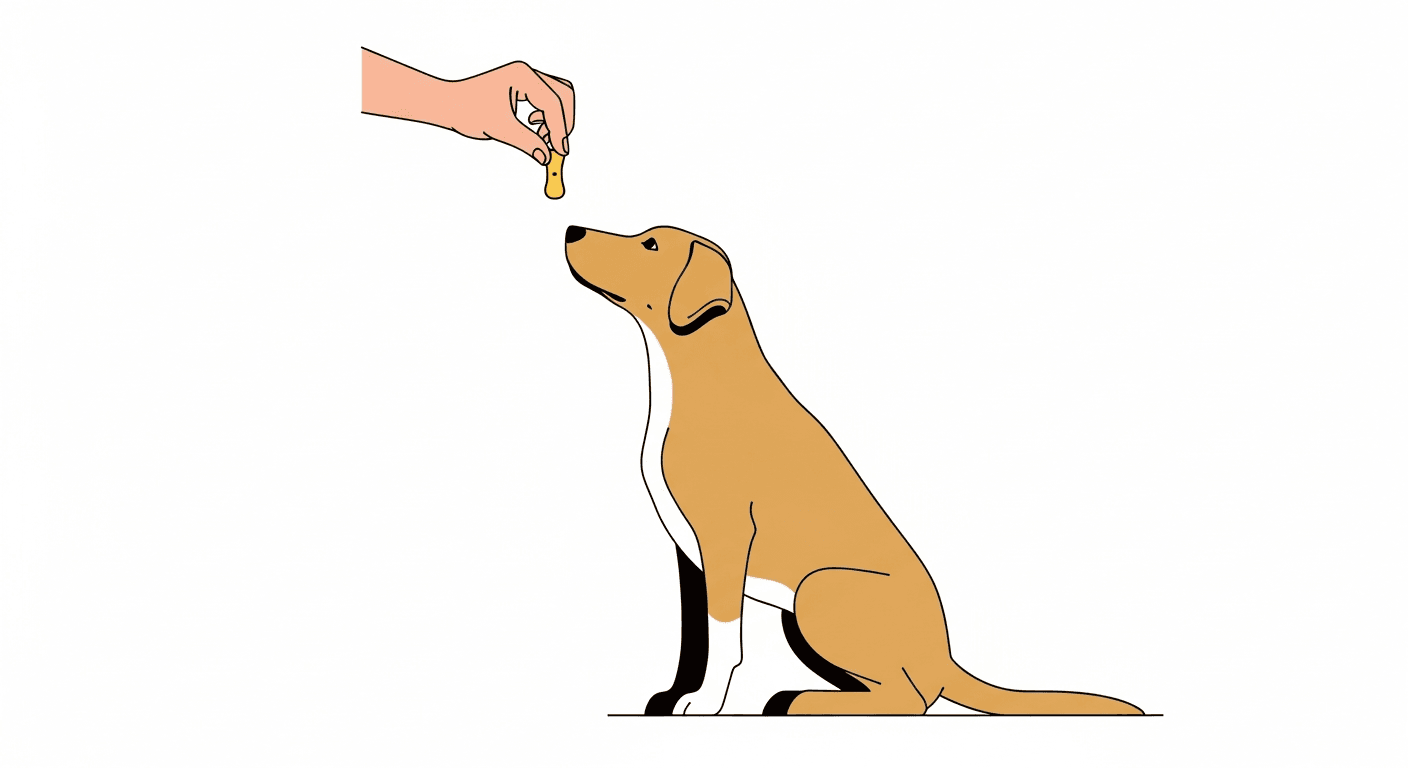 🎾 Dog Training
Teaching the Sit Command: A Step-by-Step Guide for Dogs
Learn how to teach your dog the sit command using positive reinforcement. Includes troubleshooting tips for stubborn or distracted dogs.
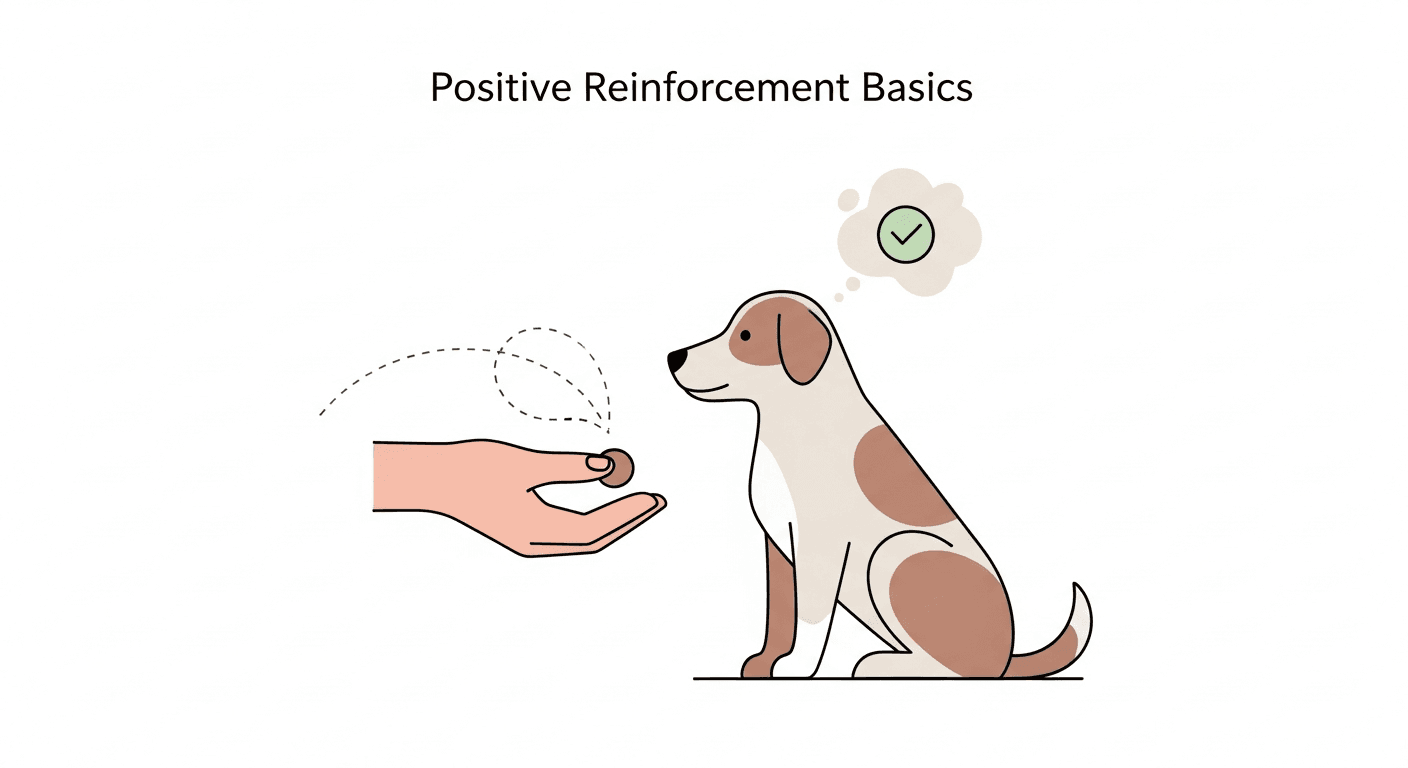 🎾 Dog Training
Positive Reinforcement Training: The Science and How to Apply It
Understand how positive reinforcement works in dog training, why it outperforms punishment-based methods, and how to apply it effectively.
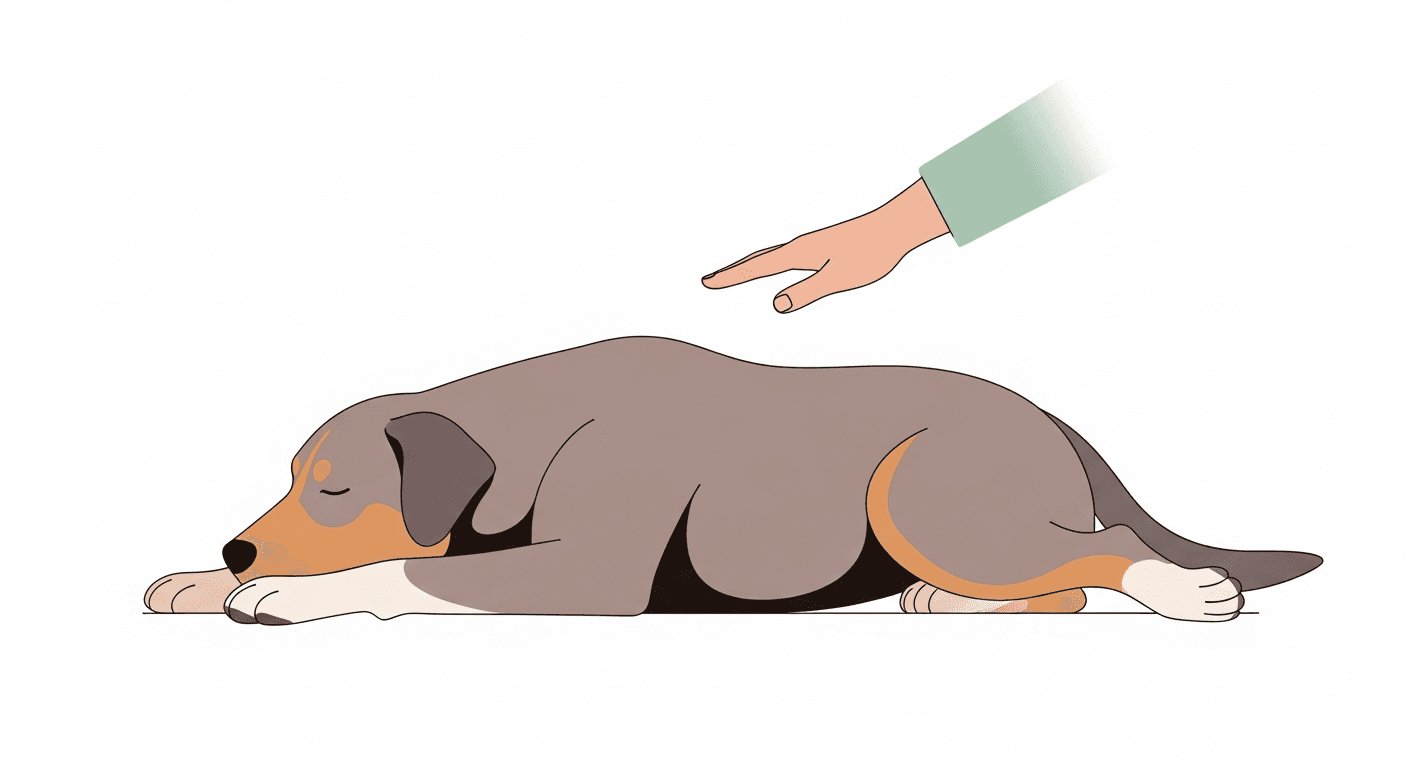 🎾 Dog Training
Down/Lie Down Command: Teaching Your Dog to Settle on Cue
How to teach your dog a reliable down command using luring and shaping methods, plus tips for making the down a calm, settled position.
 🎾 Dog Training
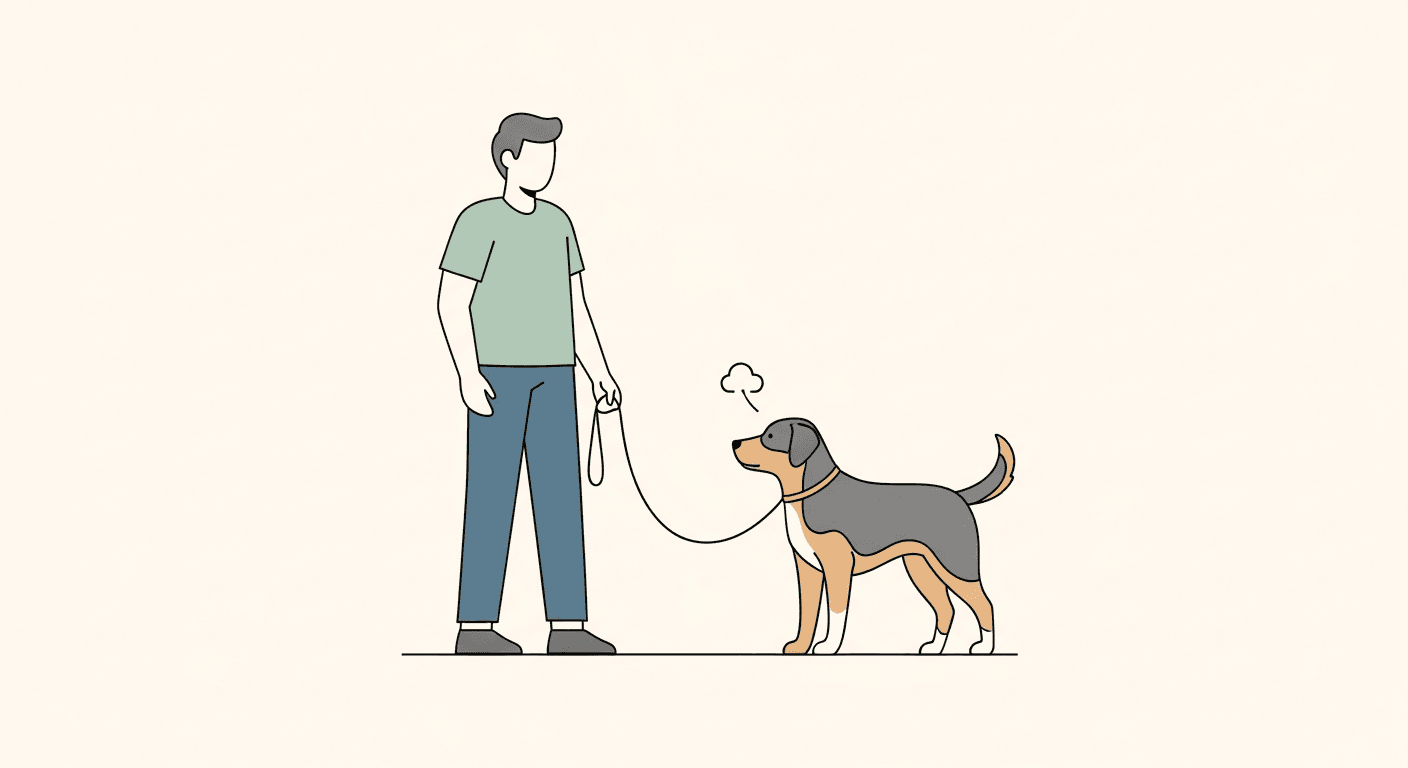
How to Stop Leash Pulling: A Complete Training Guide
Practical methods to stop your dog pulling on the leash, covering loose-leash walking techniques, equipment choices, and common mistakes.