
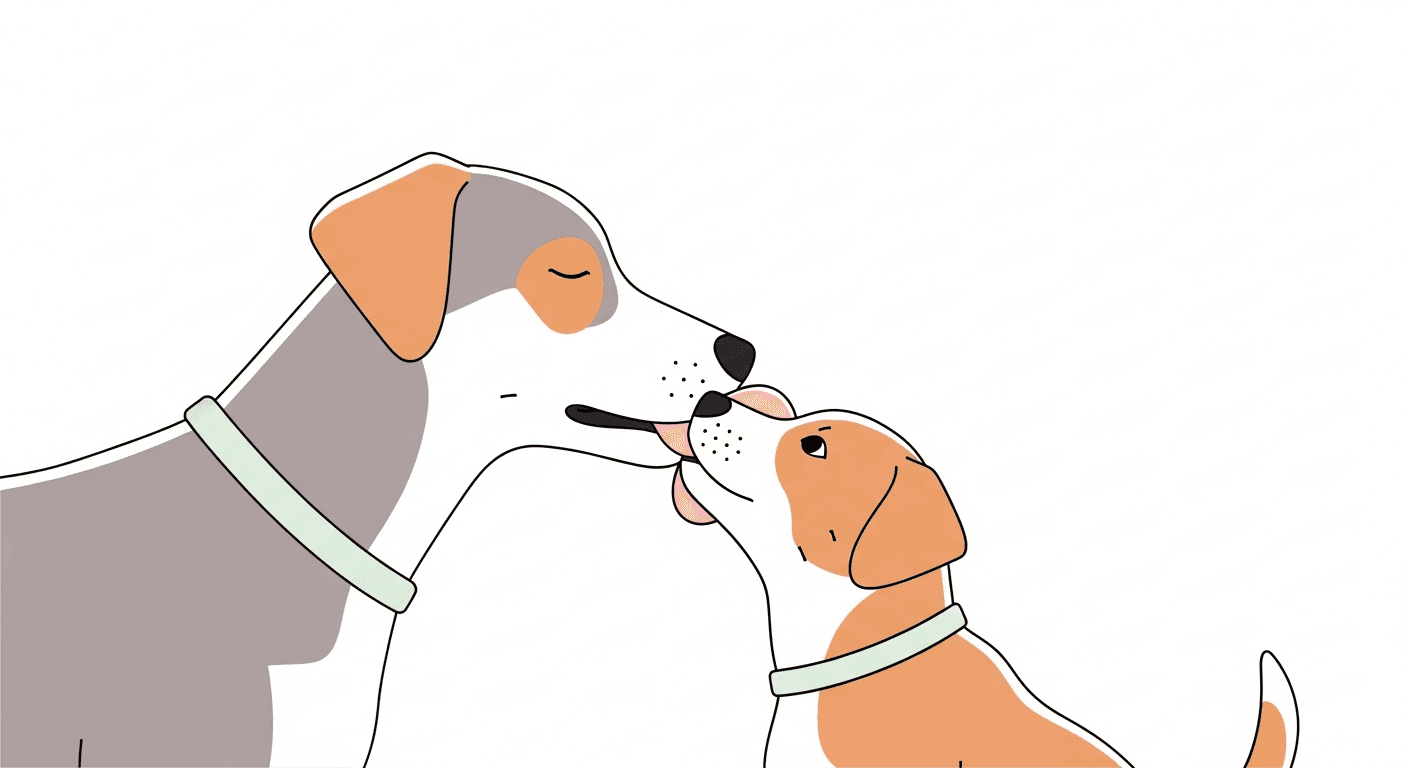
What Is Bite Inhibition and Why Does It Matter?
Bite inhibition is a dog's learned ability to control the pressure of their mouth — to inhibit the force of a bite even when they use their teeth. All puppies mouth and bite. This is completely normal. Puppies explore the world with their mouths, play with their teeth, and learn social rules through biting. The goal of bite inhibition training is not to teach puppies never to use their teeth — it is to teach them that using teeth on human skin must be extremely soft, and eventually not at all.
This distinction matters because any dog, in any stressful situation, may bite. A dog with good bite inhibition will leave a minor bruise or no mark at all. A dog without bite inhibition will cause a serious injury. Ironically, trying to teach puppies never to mouth at all can sometimes result in adult dogs with poorer bite inhibition — because they never had the opportunity to learn to moderate their pressure. The safest approach is to allow appropriate mouthing while systematically teaching that harder pressure stops all interaction and fun.
How Puppies Naturally Learn Bite Inhibition
In a normal litter, bite inhibition is learned from siblings and from the mother. When a puppy bites a littermate too hard, the bitten puppy yelps and stops playing — sometimes running away. This immediate consequence teaches the biter that hard biting ends the fun. Over dozens of these interactions, puppies learn to moderate their pressure. Puppies taken from the litter too early (before seven to eight weeks) often have poorer bite inhibition as a result of missing these lessons.
Well-run puppy classes replicate this learning through structured play with other puppies under supervision. This is one of the most important reasons to enroll in a reputable puppy class during the socialization window.
Step-by-Step Bite Inhibition Training at Home
- Allow mouthing, but react to pressure. During play, allow your puppy to put their mouth on your hand. The moment they bite with enough pressure to cause discomfort (even if it does not hurt), immediately say "Ouch!" in a sharp, surprised tone and withdraw your hand. Stop all interaction for ten to thirty seconds.
- Resume and repeat. Resume play. When the puppy bites hard again, repeat the yelp and withdrawal. You are teaching that hard biting always stops the game.
- Raise the threshold progressively. Once your puppy is no longer biting with hard pressure, begin reacting to medium pressure. Then to light pressure. Work over weeks and months toward the goal of zero mouth-on-skin contact.
- Use timeouts consistently. If yelping has no effect (some puppies actually increase excitement when they hear a yelp), use brief social timeouts instead: stand up, turn away, leave the room for thirty seconds. Return and resume. Repeat every time biting occurs.
- Redirect to appropriate chew toys. Keep appropriate chew toys readily accessible during play sessions. When your puppy begins to mouth your hands, redirect immediately to the toy. When they bite the toy instead of you, praise and continue play. The toy is always the appropriate outlet.
- Never use physical punishment. Tapping the dog's nose, forcing their mouth closed, or any physical correction for biting does not teach bite inhibition and typically either increases arousal and biting or creates fear and avoidance. Stick to social exclusion and redirection.
Managing Puppy Biting in Daily Life
- Manage arousal levels: Puppies bite most when they are overtired or overstimulated. If your puppy is becoming frantic and unresponsive to redirection, end the play session and put them in their crate for a nap.
- Protect children: Young children should never be left alone with a puppy during the mouthing phase. Children's high-pitched voices and erratic movements tend to increase puppy excitement and biting. Supervise all interactions and teach children to stand still like a tree if the puppy begins to bite.
- Wear appropriate clothing: Long sleeves and long trousers reduce the reinforcement of ankle-biting and make it easier to redirect to toys. Puppies often bite clothing as much as skin.
- Ensure sufficient appropriate chewing outlets: Puppies that are teething need to chew. Frozen Kongs, bully sticks, and appropriate chew toys meet this need and reduce the motivation to chew on humans.
Most puppies reach acceptable bite inhibition by four to five months of age with consistent training. If biting is intensifying rather than improving, is accompanied by stiff body posture and hard eyes rather than loose, playful energy, or is causing injury on a regular basis, consult a professional trainer or your vet. Log bite incidents and their context in the TailRounds Daily Log and use TailRounds AI Triage to help assess whether you are dealing with normal puppy biting or something requiring professional attention.
Continue Reading
 🎾 Dog Training
Puppy Socialization: The Critical Window and How to Use It
Discover why the puppy socialization window closes at 12–16 weeks and get a practical checklist for raising a confident, friendly dog.
 🎾 Dog Training
Puppy Potty Training: A Complete Guide to House Training Success
A step-by-step potty training guide for puppies covering schedules, signals, accident handling, and common house training mistakes.
 🎾 Dog Training
Adult Dog Play Biting: Why It Happens and How to Stop It
Understand why some adult dogs still mouth and play bite, and use practical methods to redirect the behavior to appropriate outlets.
 🎾 Dog Training
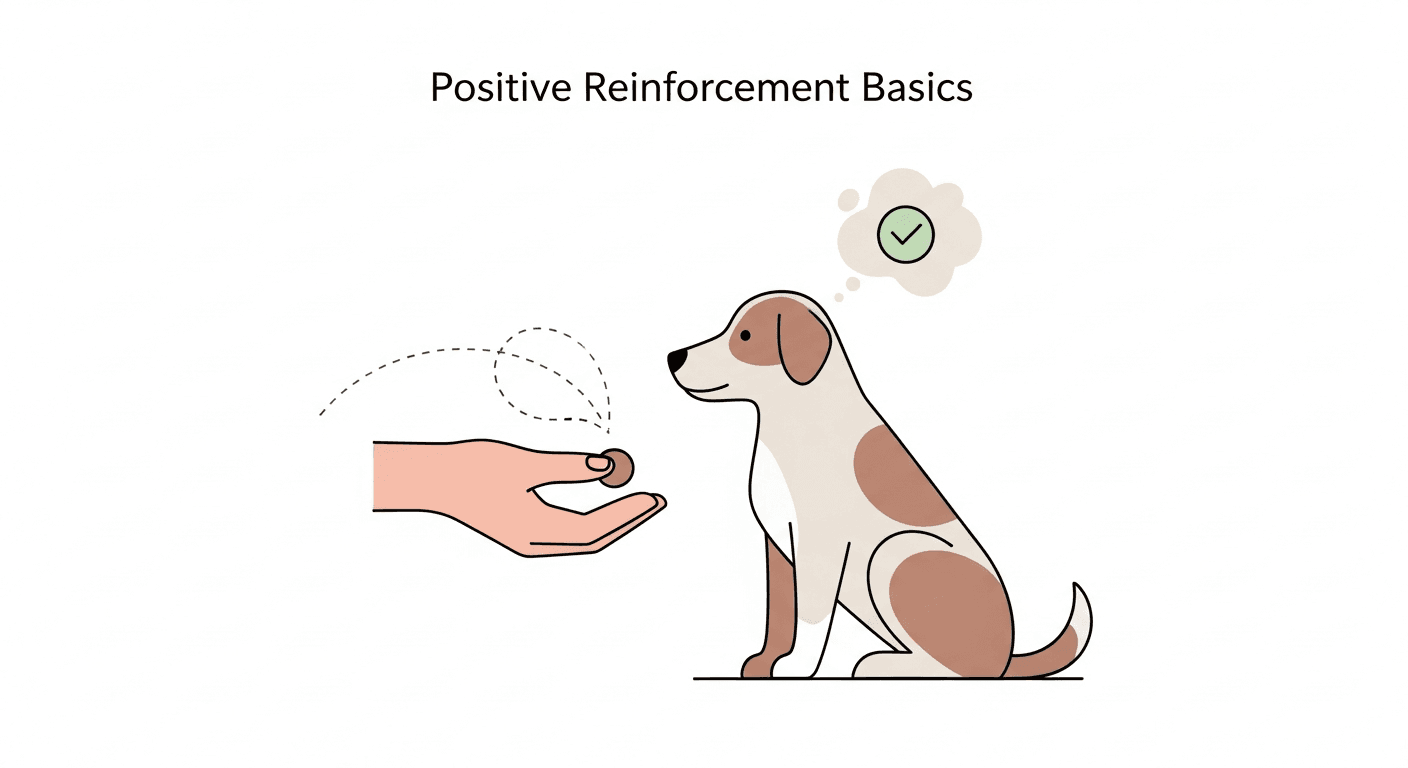
Positive Reinforcement Training: The Science and How to Apply It
Understand how positive reinforcement works in dog training, why it outperforms punishment-based methods, and how to apply it effectively.