
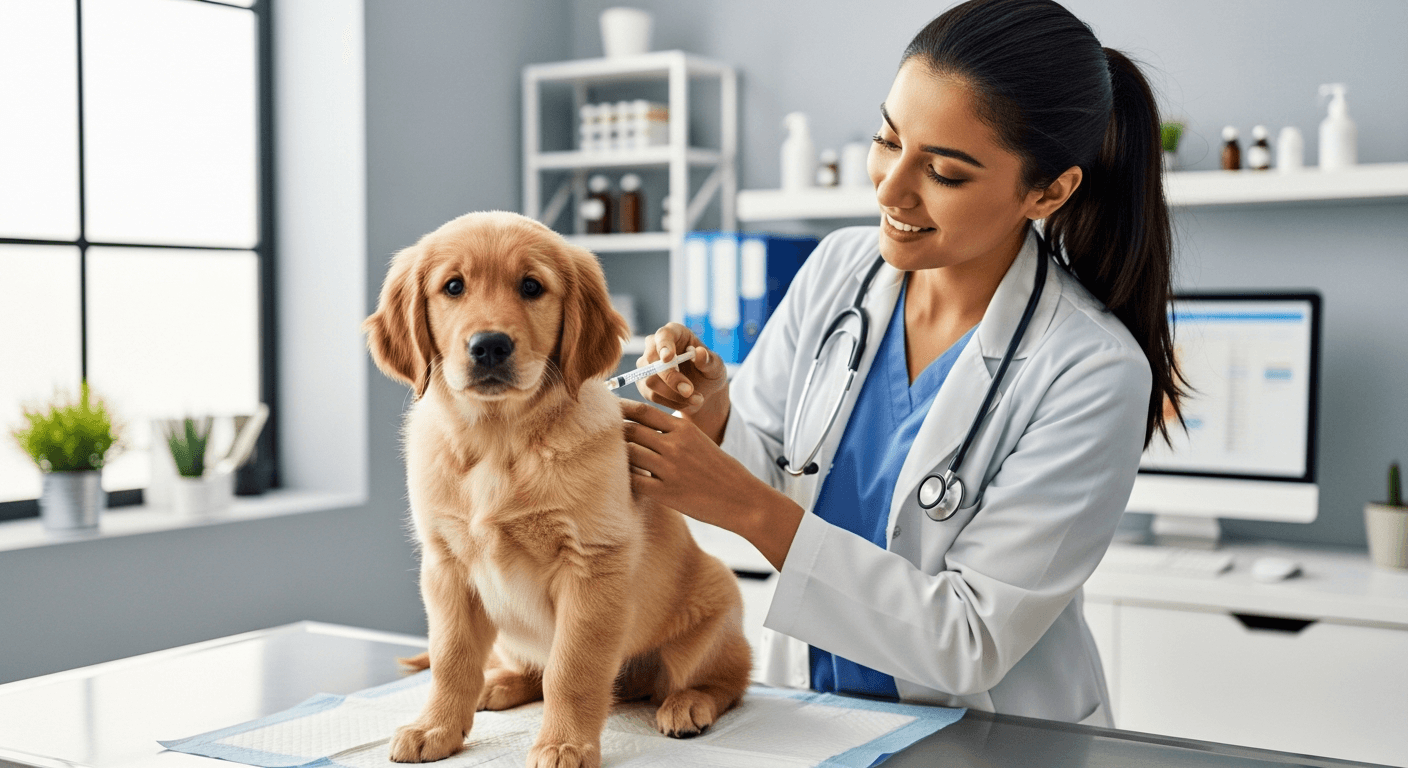
What Is the Puppy Vaccination Schedule?
Vaccinating your puppy is one of the single most important things you can do for their long-term health. Puppies are born with some immunity passed from their mother's milk (maternal antibodies), but this protection fades between 6 and 16 weeks of age — creating a vulnerable window where vaccines become essential. The goal of the vaccination schedule is to build the puppy's own immune response before maternal protection disappears. Core vaccines protect against deadly diseases like parvovirus, distemper, and rabies. Optional vaccines are tailored to your puppy's lifestyle and environment.
Core Puppy Vaccines: What They Protect Against
The core vaccines all puppies should receive are:
- DA2PP or DHPP (Distemper, Adenovirus, Parvovirus, Parainfluenza): This is the big one — a combination vaccine given in a series. Distemper and parvovirus can be fatal, especially in puppies. This series is non-negotiable.
- Rabies: Required by law in most regions. A single shot, usually given at 12–16 weeks, with boosters at 1 year and then every 1–3 years depending on local regulations.
- Leptospirosis: Recommended in most regions, especially if your dog will spend time outdoors, near water, or in areas with wildlife.
The Recommended Puppy Vaccination Timeline
Here's a general schedule — your vet will tailor this to your puppy's specific needs and local disease risk:
- 6–8 weeks: First DA2PP combination vaccine. This is usually done by the breeder or shelter before the puppy goes home.
- 10–12 weeks: Second DA2PP booster. This is often the first vaccine appointment new owners attend. Bordetella (kennel cough) can also be given here if your puppy will be around other dogs.
- 14–16 weeks: Third DA2PP booster. Rabies vaccine. This is the most critical appointment in the series — it closes the immunity window.
- 12–16 months: DA2PP booster (considered the first "adult" booster). Rabies booster (1-year vaccine). Then adult schedules begin — typically every 1–3 years depending on the vaccine and local regulations.
First 3 Steps You Can Take at Home
- Book all three series appointments before leaving the vet: The timing between puppy vaccines matters. Waiting too long between doses can leave gaps in immunity. Most vets schedule the next appointment at checkout — take advantage of that system and lock in dates for all three visits in the series.
- Limit exposure until the series is complete: Your puppy isn't fully protected until 2 weeks after the final booster (around 16–18 weeks). Keep them away from dog parks, grooming salons, and any unvaccinated dogs during this period. Parvo can live in soil for months — even a brief visit to a high-traffic area carries risk.
- Watch for mild post-vaccine reactions: It's completely normal for puppies to be a little sleepy or have a sore injection site for 24–48 hours after a vaccine. Offer extra cuddles and avoid strenuous exercise that day. Note the date, batch number, and vaccine name from your vet record — you'll need this for future boosters and boarding requirements.
When to Go to the Vet Immediately
Serious vaccine reactions are rare but real. Go to the vet immediately if, within 30 minutes to a few hours of vaccination, you see:
- Facial swelling, hives, or severe itching
- Vomiting or diarrhea shortly after the vaccine
- Difficulty breathing or sudden collapse
- Extreme lethargy lasting more than 48 hours
Follow-Up Care Checklist
- ☐ Keep a physical vaccine record card — most vets provide one
- ☐ Record your puppy's microchip number alongside the vaccine record
- ☐ Note when the next booster is due before leaving the clinic
- ☐ Ask your vet about Bordetella, Lyme, and Leptospirosis based on your lifestyle
- ☐ Set calendar reminders for 1-year booster dates
📋 Log This With TailRounds
Store your puppy's full vaccine history in the TailRounds health log. Get automatic reminders when boosters are due so nothing falls through the cracks — especially that critical first adult booster at 12–16 months.
Start Free →Book a Vet Appointment
If you've just brought home a new puppy and aren't sure about their vaccination history, a vet visit is your very first priority. Book an appointment at Happy Paws Veterinary Clinic — same-week slots are usually available, and we can build the right schedule from wherever your puppy is in their vaccine journey.
Summary for Your Clinic
Pet concern: Puppy Vaccination Appointment
Current vaccine history: [last vaccine given, date, type if known]
Age of puppy: [weeks/months]
Lifestyle: [indoor/outdoor, dog park use, contact with other dogs]
Questions for vet: Which optional vaccines do you recommend for our area? When is my puppy safe to go to the dog park?
Related Articles
Continue Reading
 🐕 Dog Health
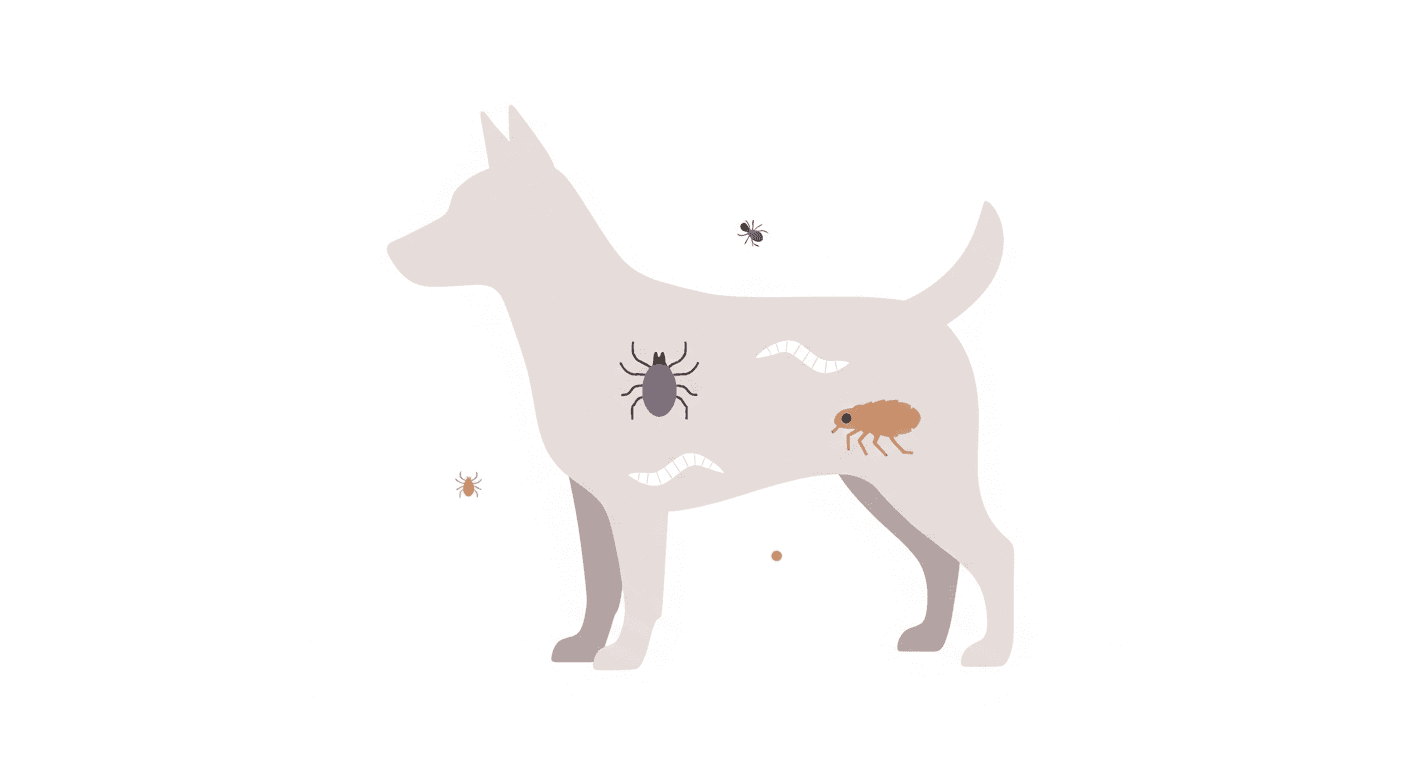
Dog Parasite Control Schedule
A complete year-round parasite prevention guide for dogs — fleas, ticks, heartworm, and intestinal worms with recommended treatment intervals.
 🐕 Dog Health
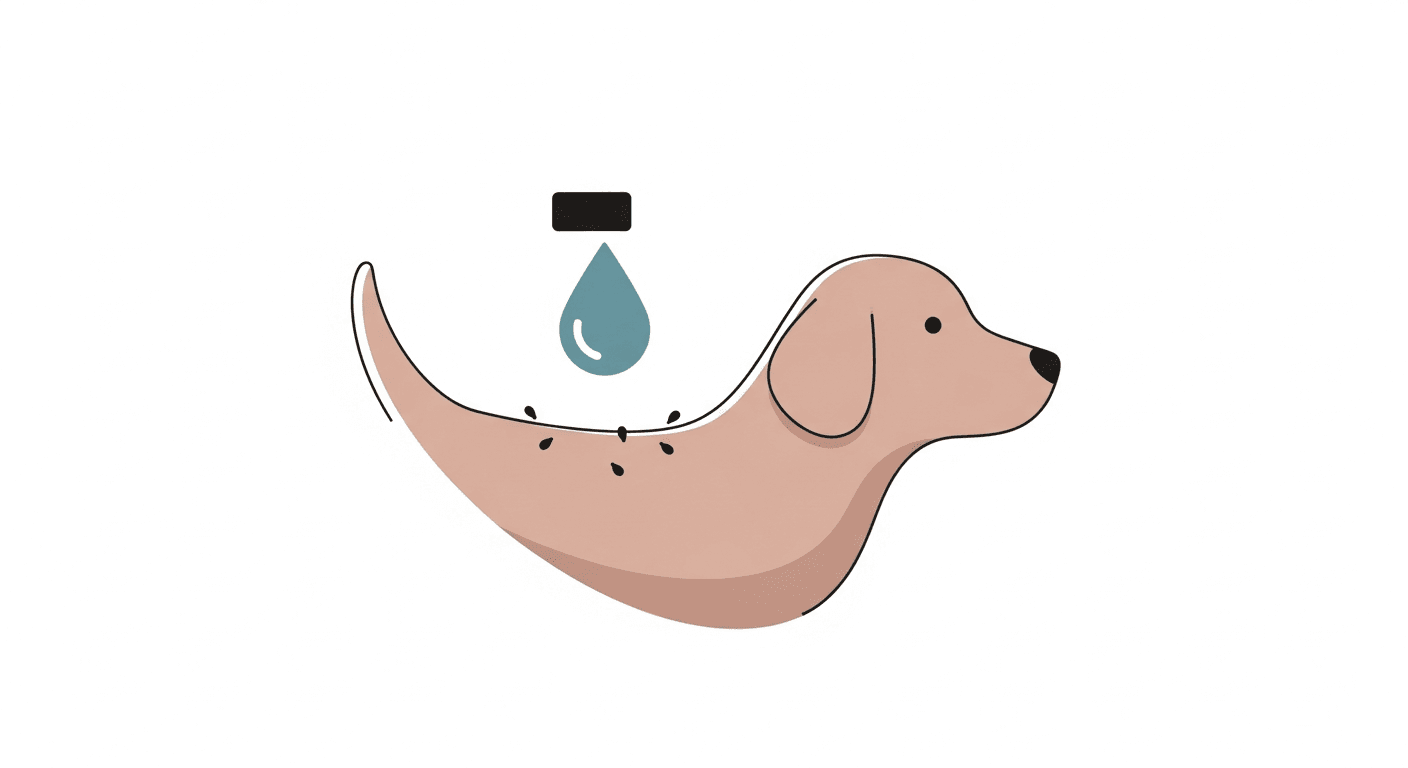
Dog Flea Treatment Guide
The complete guide to treating dog fleas — product types, treating the home, and preventing reinfestation effectively.
 🐕 Dog Health
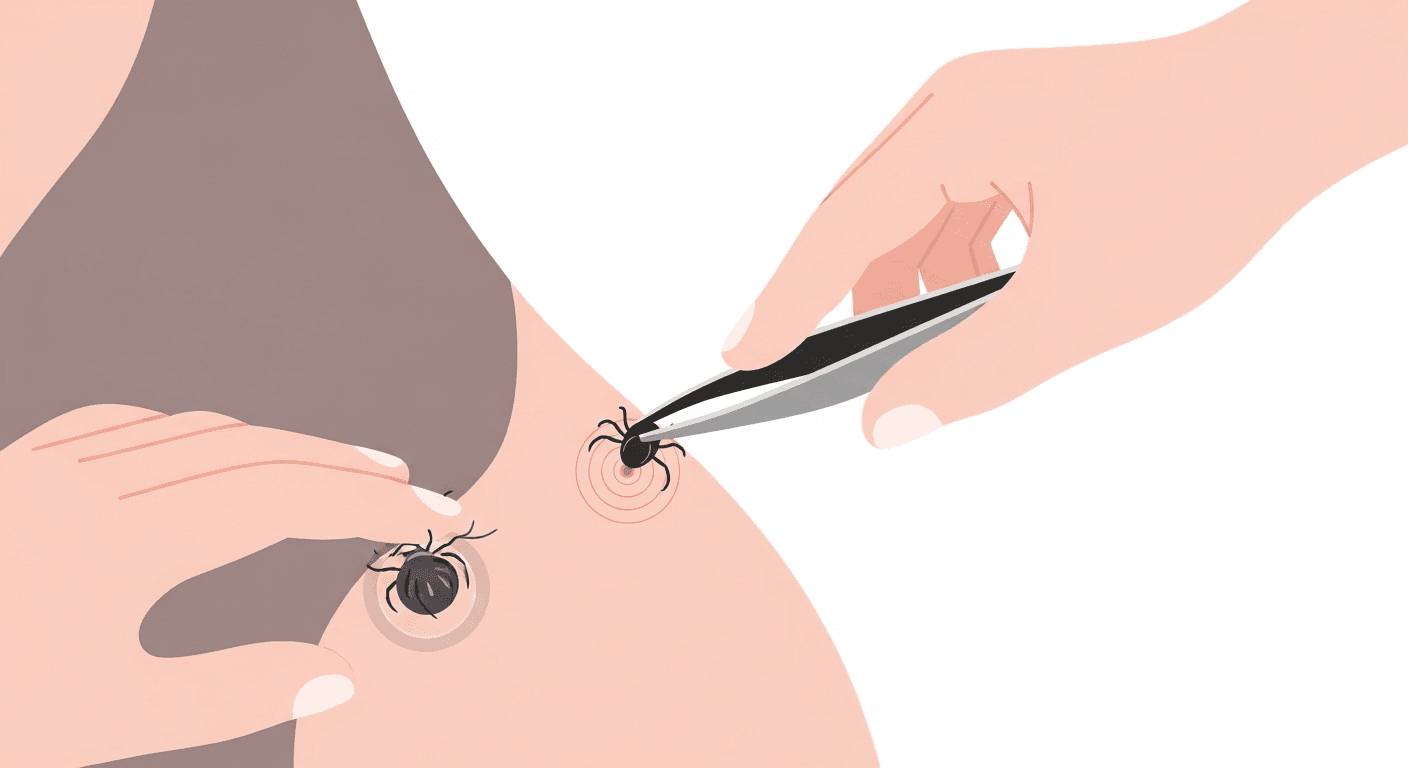
Dog Tick Bite: What Pet Owners Should Do
How to safely remove a tick from your dog, what diseases ticks transmit, and which symptoms to watch for in the weeks after a tick bite.
 🐕 Dog Health
Puppy Teething Symptoms and Care Guide
Everything you need to know about puppy teething — when it happens, what to expect, and how to survive it with your furniture intact.