
What Are Tick Bites and Why Should You Care?
Ticks are blood-sucking arachnids (not insects) that attach to your dog while they walk through long grass, woodland, or scrubland. Beyond the discomfort of the bite itself, ticks are vectors for serious diseases. Lyme disease (Borrelia burgdorferi), transmitted by deer ticks, causes joint pain, lethargy, and kidney disease in dogs. Tick-borne encephalitis, anaplasmosis, ehrlichiosis, and babesiosis are also transmitted by different tick species depending on your geographic region. The risk of disease transmission increases significantly the longer a tick is attached — most require 24–48 hours of attachment to transmit disease, making regular tick checks and prompt removal critical.
First 3 Steps You Can Take at Home
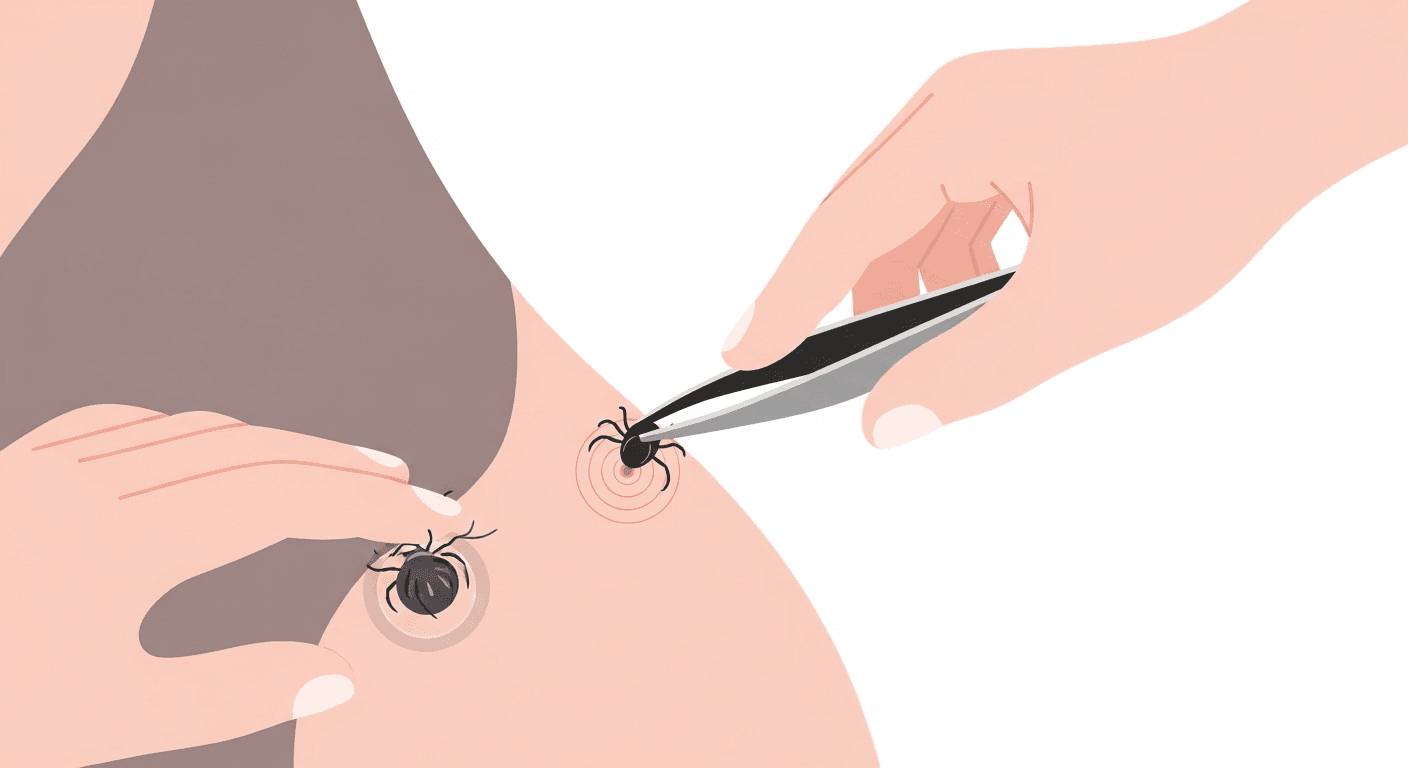
- Remove the tick correctly: Use fine-tipped tweezers or a dedicated tick removal tool (these are inexpensive and very effective). Grasp the tick as close to the skin surface as possible. Pull upward with steady, even pressure — don't twist or jerk, as this can cause the mouthparts to break off and remain in the skin. After removal, clean the bite site with rubbing alcohol or soap and water. Never use petroleum jelly, nail polish, or heat to remove a tick — these methods increase the chance of disease transmission and don't work as well.
- Keep the tick for identification if possible: Place the removed tick in a sealed container or zip-lock bag with a small piece of damp tissue. This allows your vet (or a lab if needed) to identify the tick species, which helps determine what diseases your dog may have been exposed to. Take a note of the date and the location on your dog's body where it was found. If you can't keep it, dispose of it by flushing it down the toilet — don't crush it with bare fingers.
- Monitor carefully for 4–6 weeks: Most tick-borne diseases have an incubation period of 1–4 weeks after the bite. Watch for: sudden lethargy, joint stiffness or lameness (especially Lyme), fever, reduced appetite, unusual bruising, or nosebleeds. Write down the date of the tick bite and set a reminder to check for these symptoms daily for a month. If any appear, contact your vet immediately and mention the tick bite.
When to Go to the Vet Immediately
- You can't fully remove the tick and the mouthparts remain embedded
- Signs of tick paralysis: progressive weakness starting in the rear legs within days of bite
- Any of the tick-borne disease symptoms within 4–6 weeks of the bite
- The bite site becomes infected (swollen, hot, oozing)
Follow-Up Care Checklist
- ☐ Note the date and location of the tick bite
- ☐ Monitor for tick-borne disease symptoms for 4–6 weeks
- ☐ Check your dog for ticks after every walk in high-risk areas (behind ears, between toes, groin, armpits)
- ☐ Start or review monthly tick prevention treatment
- ☐ Ask your vet about Lyme disease vaccination if you live in a high-risk area
- ☐ Check yourself for ticks too — ticks in long grass often attach to both dogs and their owners
📋 Log This With TailRounds
Log tick removal date, location, and species in the TailRounds daily log. If symptoms develop weeks later, having this record helps your vet connect the dots quickly and order the right tests.
Start Free →Book a Vet Appointment
If your dog develops any signs of tick-borne illness or you found a tick that was attached for more than 24 hours, a vet check is appropriate. Blood tests for Lyme and other tick-borne diseases can be done at your vet and are quick and inexpensive. Book an appointment at Happy Paws Veterinary Clinic — same-week slots are usually available.
Summary for Your Clinic
Pet concern: Tick Bite
Tick found and removed: [date], location on dog: [specify], species if identified: [name]
Estimated attachment duration: [unknown/brief/24+ hours]
Current symptoms: [any lethargy/lameness/fever], tick prevention current: [yes/no]
Questions for vet: Should we test for Lyme disease? Is vaccination recommended in our area?
Related Articles
Continue Reading
 🐕 Dog Health
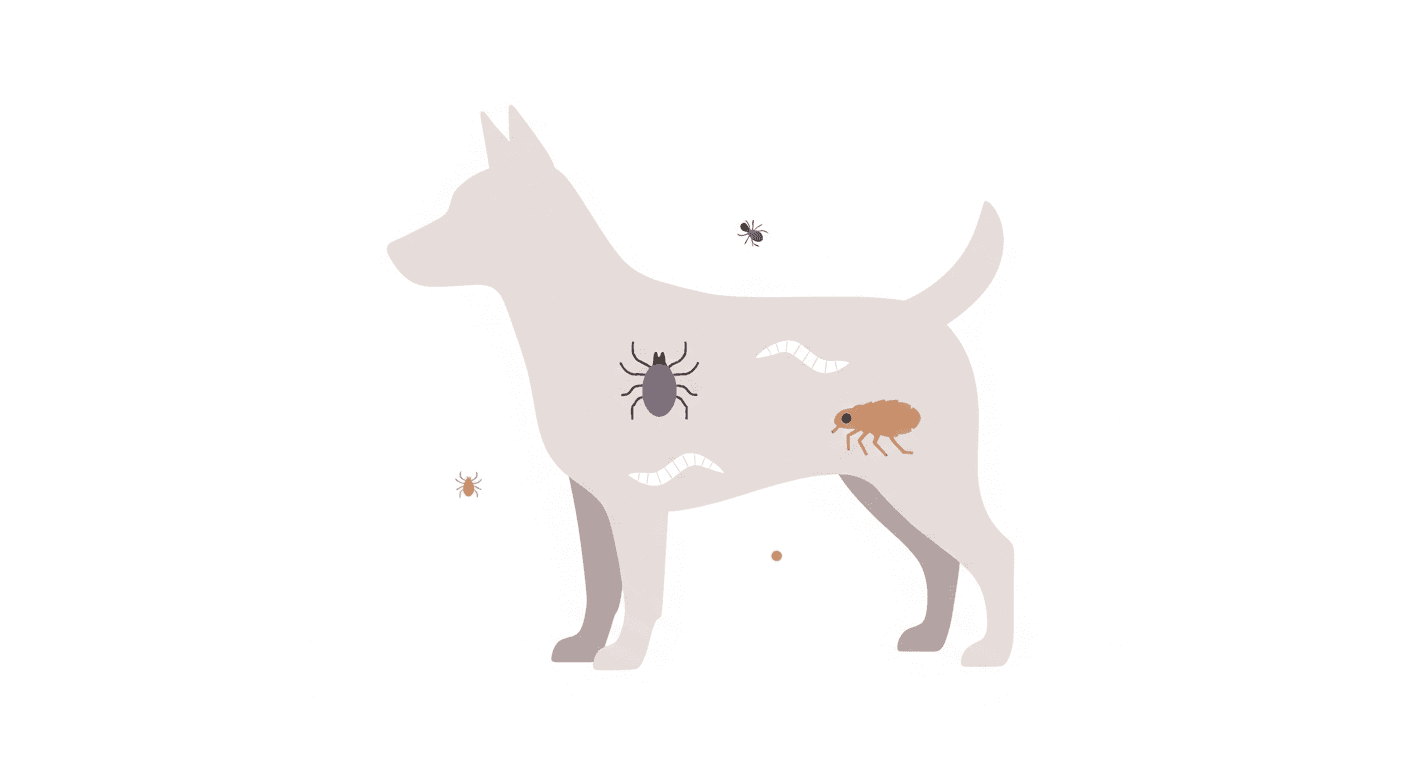
Dog Parasite Control Schedule
A complete year-round parasite prevention guide for dogs — fleas, ticks, heartworm, and intestinal worms with recommended treatment intervals.
 🐕 Dog Health
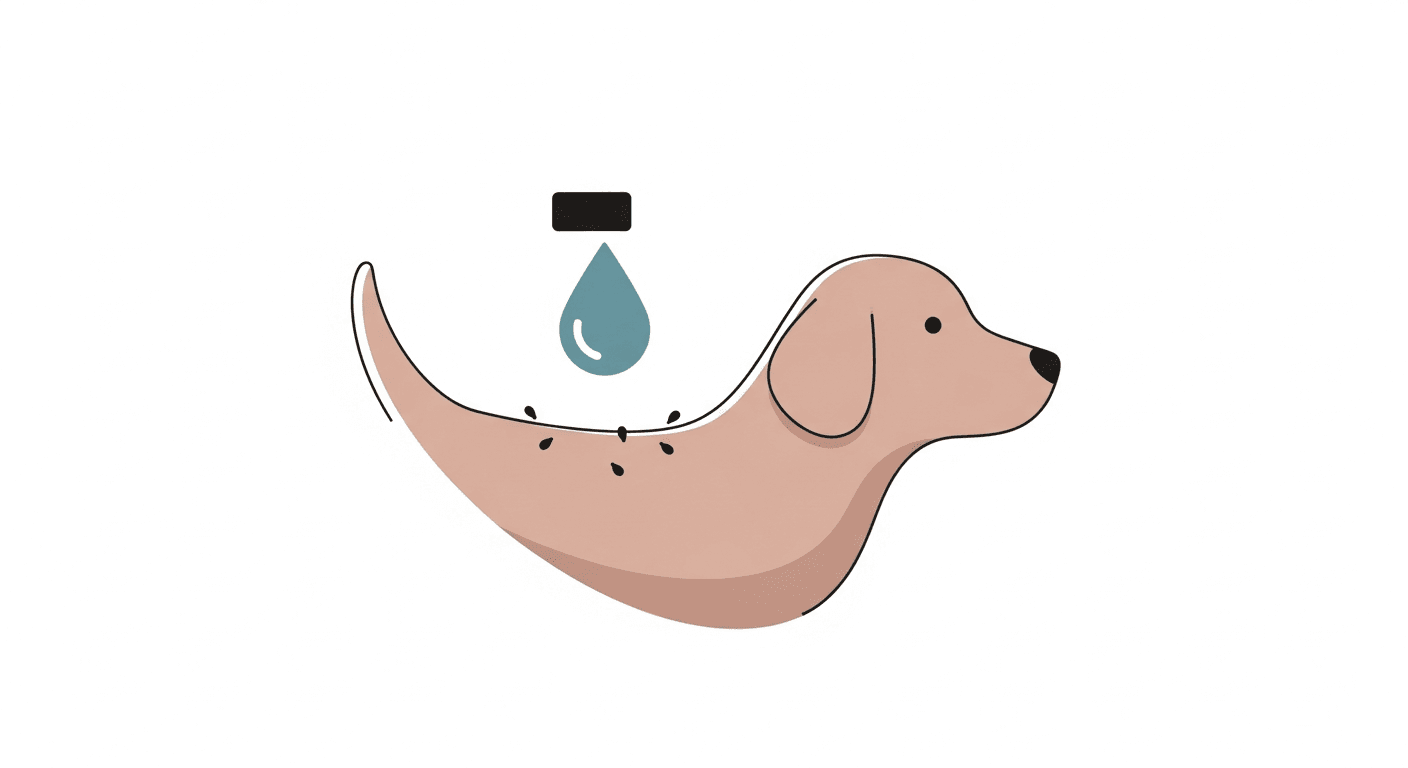
Dog Flea Treatment Guide
The complete guide to treating dog fleas — product types, treating the home, and preventing reinfestation effectively.
 🐕 Dog Health
Dog Shaking and Trembling: When Is It Serious?
From cold to pain to toxins — why dogs shake and tremble, and how to know when it's a medical emergency vs. normal behavior.
 🐕 Dog Health
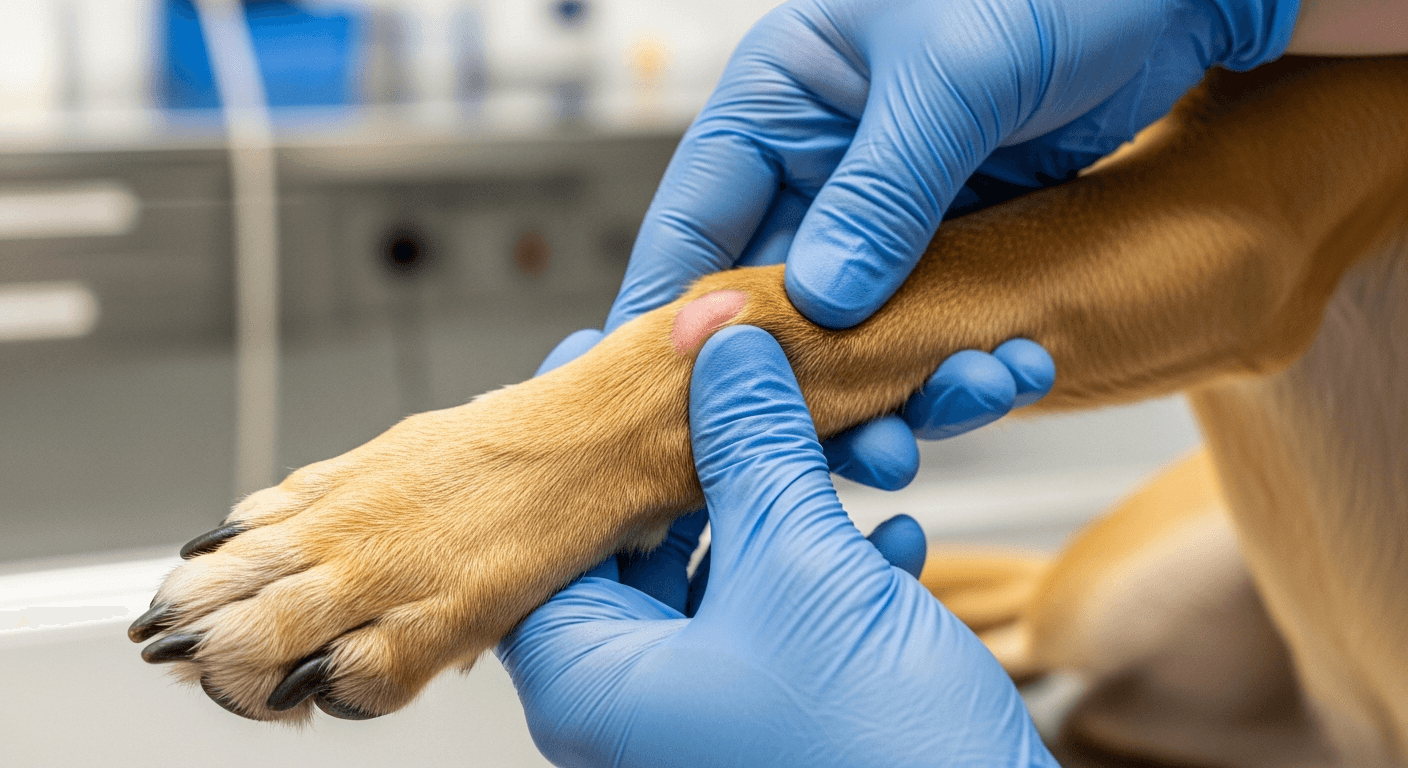
Dog Limping Suddenly: Causes and What to Do
Sudden limping in dogs — from paw injuries to joint problems. How to assess severity at home and when to go to the vet.