
What Is Dog Parasite Control?
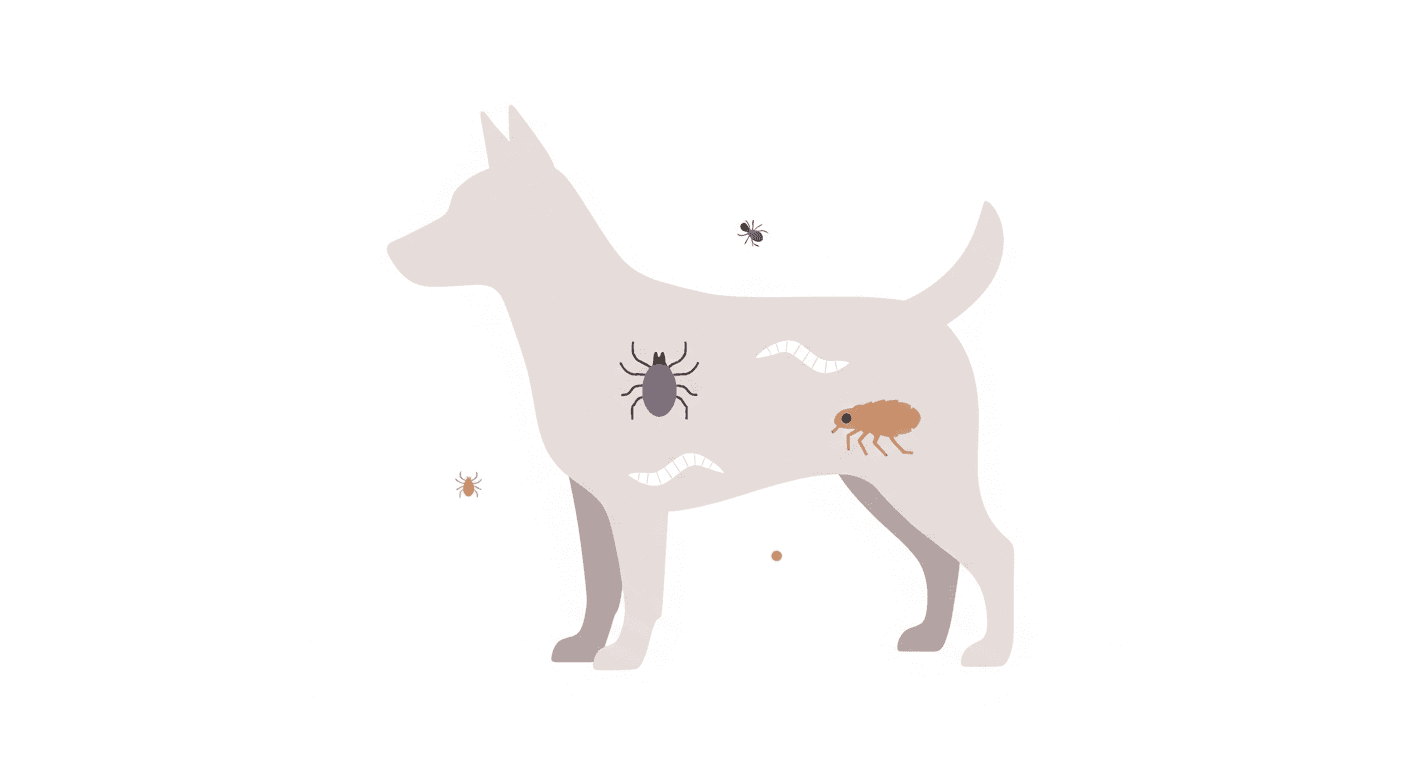
Parasite control is one of the cornerstones of preventive veterinary care. The parasites that affect dogs fall into two main groups: ectoparasites (living on the body — fleas, ticks, mites, lice) and endoparasites (living inside — roundworms, hookworms, tapeworms, whipworms, heartworm, Giardia). Many of these parasites don't just cause problems for your dog — they can affect the whole household and in some cases transfer to humans. A consistent, year-round parasite control schedule is far more effective and cheaper than treating infestations once they take hold.
The Essential Parasite Control Schedule
Fleas and ticks: Monthly (year-round in most climates, at minimum spring through fall in colder climates). Use a vet-recommended product — there is a significant difference in efficacy between prescription and over-the-counter options. Products vary by what they treat (fleas only, fleas + ticks, or broader coverage), so check with your vet that your product matches your dog's risk profile.
Intestinal worms: Every 3 months for adult dogs (every 2 months for puppies under 6 months). Puppies should be treated at 2, 4, 6, and 8 weeks of age, then monthly until 6 months. A broad-spectrum wormer covering roundworms, hookworms, whipworms, and tapeworms is ideal.
Heartworm: Monthly preventive treatment in areas where heartworm is prevalent (check with your vet — risk varies enormously by region). Annual heartworm testing is recommended before starting or restarting preventive treatment.
First 3 Steps You Can Take at Home
- Do a household audit: If your dog has parasites, the home environment is likely contaminated too. Flea eggs fall off the dog and accumulate in carpets, bedding, and furniture — up to 95% of the flea life cycle happens off the pet. Washing all bedding, vacuuming carpets and furniture (and disposing of the vacuum bag immediately), and treating the home with a household flea spray are all necessary when dealing with an active infestation.
- Set up a calendar reminder system: The biggest failure in parasite control is not that owners don't want to protect their dogs — it's that monthly and quarterly treatments get forgotten during busy periods. Set phone reminders or use a health tracking app to schedule every treatment for the whole year in advance. This one habit dramatically improves consistency.
- Check your dog regularly: Monthly flea combing, checking for ticks after walks in long grass or woodland, and periodically examining stool for worm segments (tapeworm looks like small rice grains) between treatments catches any breakthrough infestation early. Early intervention is always easier than treating an established problem.
When to Go to the Vet Immediately
- Suspected heartworm infection — coughing, exercise intolerance, weight loss despite appetite in an under-protected dog
- Confirmed tick attachment with disease symptoms developing in the following weeks (joint stiffness, lethargy, fever)
- Heavy worm burden in a puppy — pot belly, diarrhea, failure to thrive
Follow-Up Care Checklist
- ☐ Set annual calendar reminders for all parasite treatments
- ☐ Keep a record of which product was used, date, and dose
- ☐ Check flea/tick product label — is it appropriate for your dog's weight?
- ☐ Treat all household pets simultaneously for fleas — treating only one doesn't work
- ☐ Annual fecal test for intestinal parasites is good practice, especially for dogs who eat raw food or hunt
📋 Log This With TailRounds
Store your parasite prevention schedule and treatment dates in the TailRounds health log. Automatic reminders mean you'll never miss a treatment date again.
Start Free →Book a Vet Appointment
Your vet can recommend the right combination of parasite prevention products for your dog's lifestyle, regional risks, and health status. They can also run a heartworm test and fecal parasite test at your annual check-up. Book an appointment at Happy Paws Veterinary Clinic — same-week slots are usually available.
Summary for Your Clinic
Pet concern: Parasite Control Review
Current treatments: [flea/tick product and frequency], [wormer and frequency], [heartworm prevention — yes/no]
Last treatment dates: [flea/tick: date], [wormer: date]
Lifestyle: [indoor/outdoor, walks in long grass, contact with wildlife, multi-pet household]
Questions for vet: Am I using the most effective products? Should we do a fecal test? Is heartworm prevention necessary in our area?
Related Articles
Continue Reading
 🐕 Dog Health
Dog Flea Treatment Guide
The complete guide to treating dog fleas — product types, treating the home, and preventing reinfestation effectively.
 🐕 Dog Health
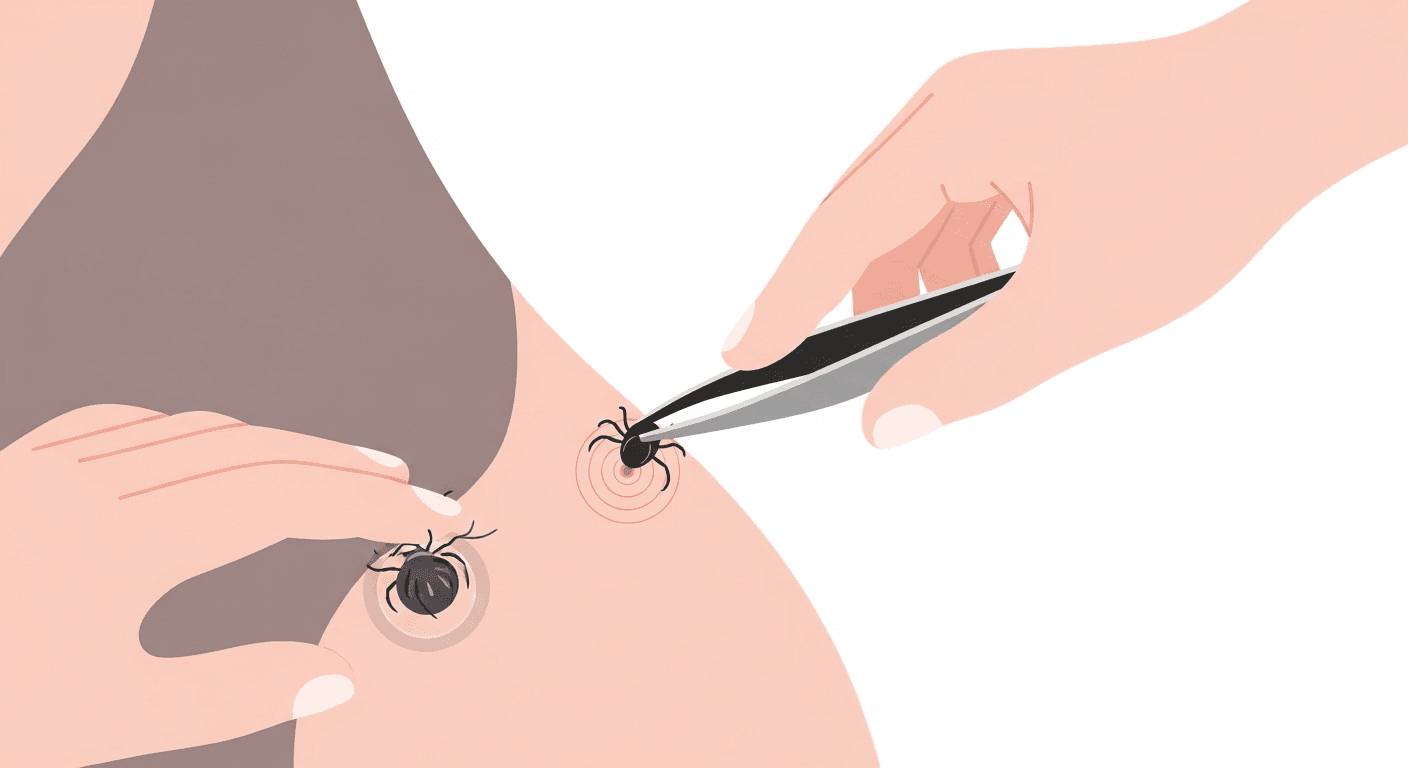
Dog Tick Bite: What Pet Owners Should Do
How to safely remove a tick from your dog, what diseases ticks transmit, and which symptoms to watch for in the weeks after a tick bite.
 🦴 Dog Care
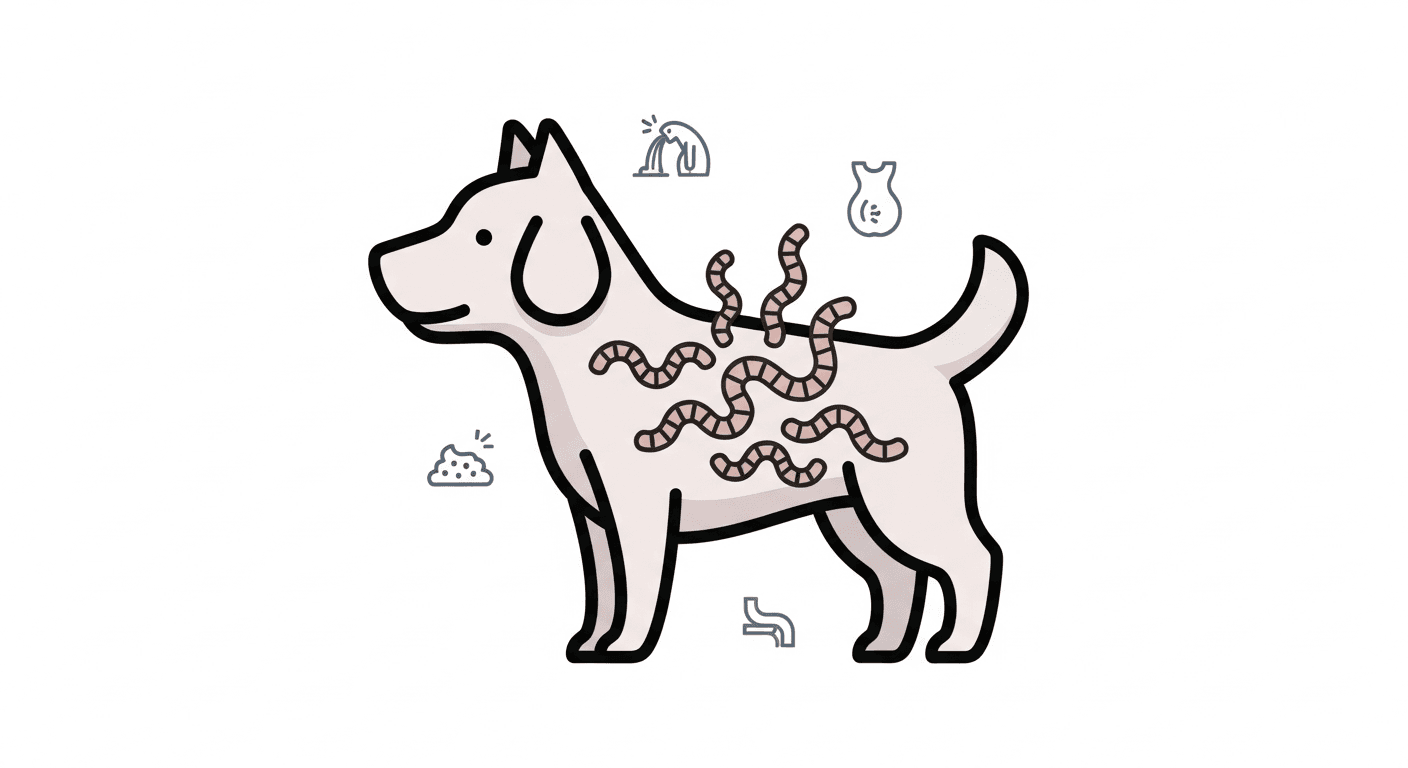
Dog Worm Symptoms Every Owner Should Know
How to tell if your dog has intestinal worms, which symptoms each type causes, and when treatment is urgent.
 🐕 Dog Health
Puppy Vaccination Schedule by Age
A complete puppy vaccination timeline from 6 weeks to 1 year. Know which vaccines are core, optional, and when boosters are due.