
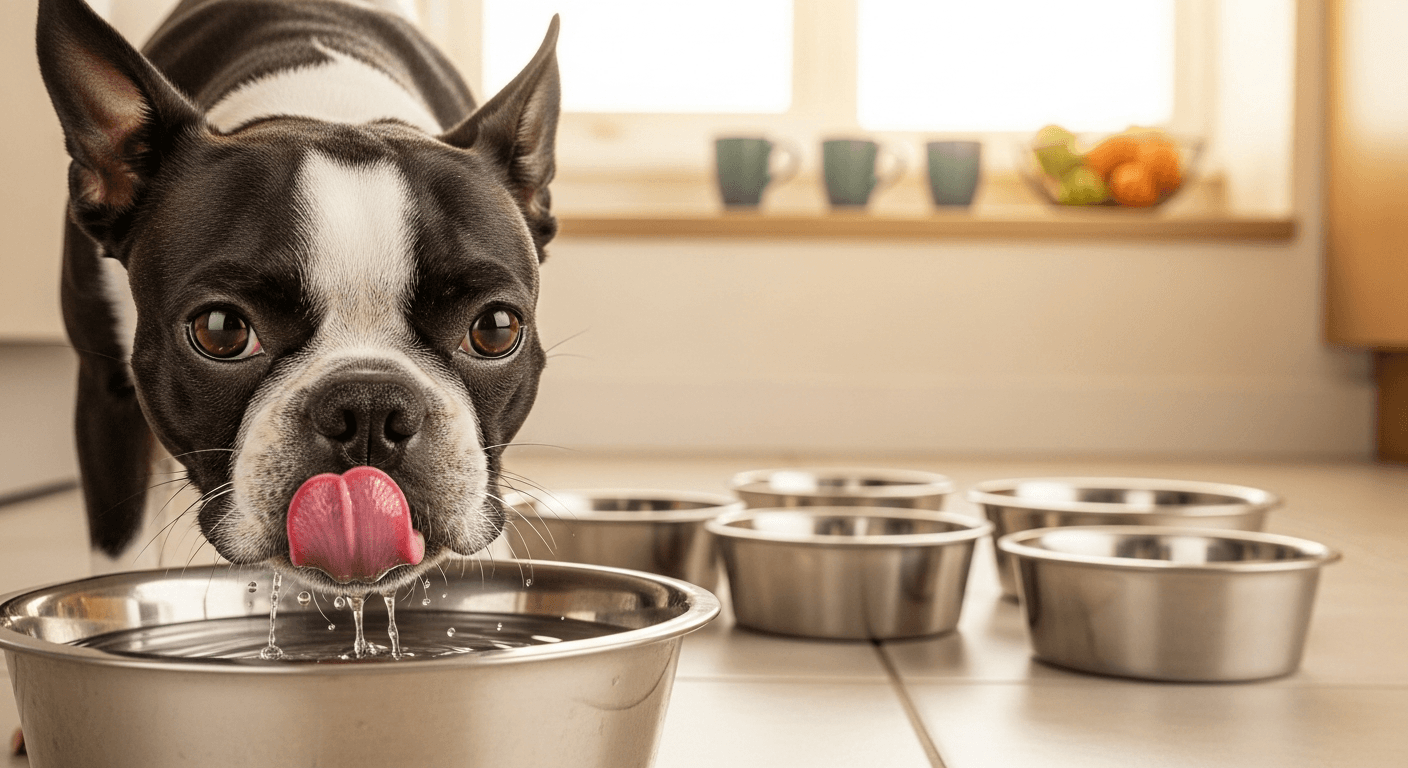
What Is Excessive Thirst (Polydipsia) in Dogs?
A dog drinking noticeably more water than usual — polydipsia — is one of those symptoms that can be easy to overlook but is often a meaningful clue. Normal water intake for a dog is roughly 50–60ml per kilogram of body weight per day. If your dog is constantly emptying the water bowl, asking for water after drinking, or suddenly having accidents indoors because they can't hold their bladder (the two symptoms often go hand in hand), something is worth investigating. Common causes include diabetes mellitus, kidney disease, Cushing's syndrome, liver disease, and urinary tract infections — many of which are very treatable when caught early.
First 3 Steps You Can Take at Home
- Measure how much your dog drinks in 24 hours: Fill the water bowl with a measured amount of water in the morning. Measure what's left 24 hours later (accounting for any water you added). This gives your vet a concrete number to work with rather than "seems like a lot." Anything over 100ml per kg per day in a dog is considered abnormal and worth investigating.
- Note other symptoms alongside the drinking: Excessive thirst rarely comes alone. Note: increased urination (large amounts or frequent small amounts?), changes in appetite, weight loss despite eating, pot-bellied appearance, hair loss, lethargy, or vomiting. Each combination points toward different conditions — a dog that's drinking more, eating less, and losing weight is a very different picture from one drinking more with a pot belly and increased appetite.
- Don't restrict water access: It's tempting to limit water to control the accidents, but this is dangerous. Excessive thirst is often the body compensating for something — kidney disease patients, for example, drink excessively because the kidneys can no longer concentrate urine and the body is losing water. Restricting water in these dogs causes dangerous dehydration. Always let your dog drink as much as they want until the cause is found and treated.
When to Go to the Vet Immediately
- Suddenly unable to urinate despite trying frequently (especially male dogs)
- Blood in the urine alongside increased drinking
- Sudden onset of extreme lethargy, vomiting, and increased thirst together
- Sweet-fruity smell to breath alongside excessive thirst (diabetic ketoacidosis emergency)
Follow-Up Care Checklist
- ☐ Measure 24-hour water intake before the vet appointment
- ☐ Collect a urine sample first thing in the morning (ask vet for a clean collection cup)
- ☐ Note when symptoms started and any other changes in your dog
- ☐ Keep water freely available at all times
- ☐ Ask for blood work and urinalysis — these are the first-line tests for polydipsia
📋 Log This With TailRounds
Track your dog's daily water intake in the TailRounds daily log — even just noting "much more than usual" vs measured amounts helps your vet understand the timeline and severity.
Start Free →Book a Vet Appointment
Excessive thirst is almost always a symptom of something rather than a condition itself. Blood work and urinalysis are typically all that's needed to identify the cause — and early diagnosis of conditions like diabetes or kidney disease makes a huge difference in treatment success. Book an appointment at Happy Paws Veterinary Clinic — same-week slots are usually available.
Summary for Your Clinic
Pet concern: Dog Drinking Excessively
Symptoms: Drinking [measured amount] per day, increased urination, [any other symptoms noted]
Home steps taken: Measured water intake, noted other symptoms
Duration: Noticed for approximately [X weeks]
Questions for vet: What blood work do you recommend? Could this be diabetes or kidney disease?
Related Articles
Continue Reading
 🐕 Dog Health
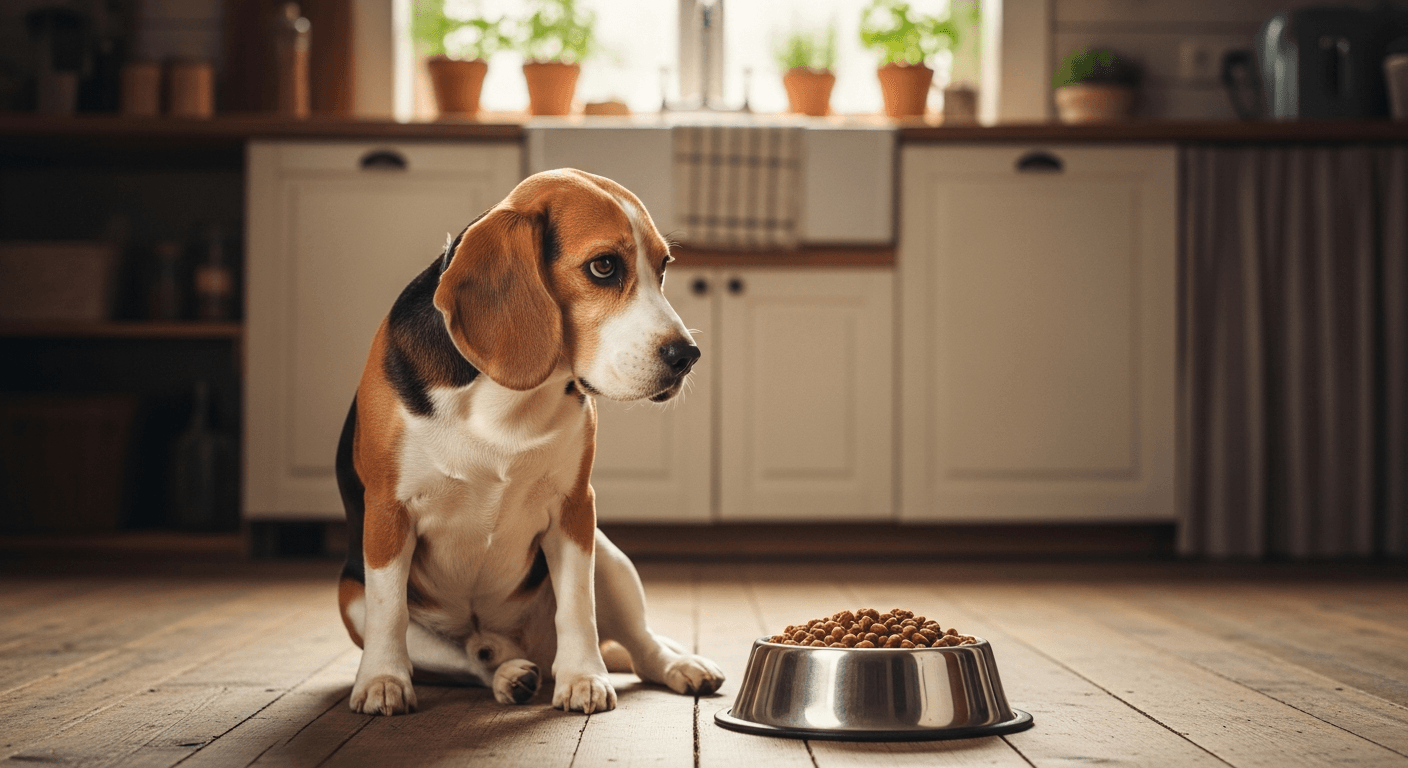
Dog Not Eating: Common Causes and What to Do
Why your dog might stop eating, which causes are harmless, and which ones need a vet visit. Practical home steps included.
 🐕 Dog Health
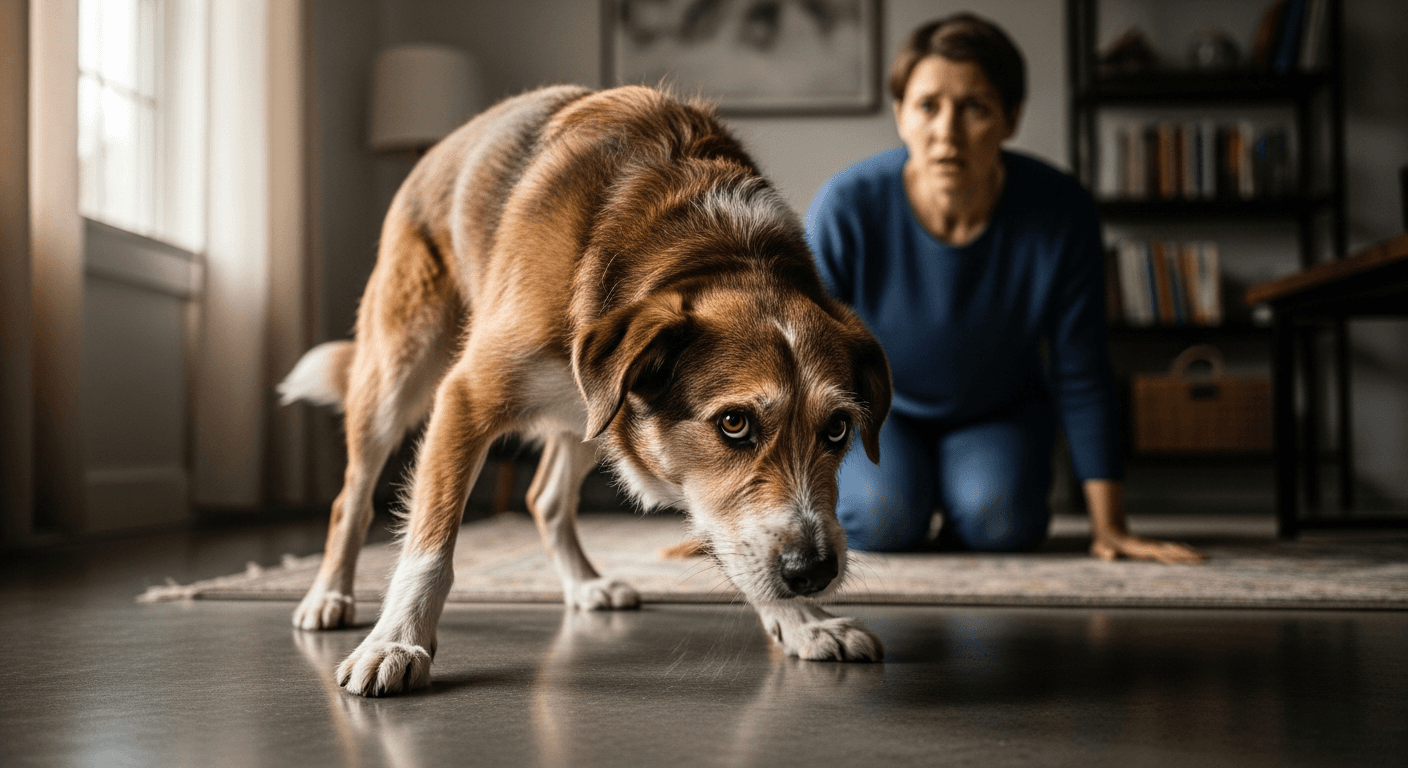
Dog Shaking and Trembling: When Is It Serious?
From cold to pain to toxins — why dogs shake and tremble, and how to know when it's a medical emergency vs. normal behavior.
 🐕 Dog Health
Senior Dog Not Eating: What to Do
Appetite loss in older dogs — why it happens, which causes are serious, and how to encourage a senior dog to eat safely.