
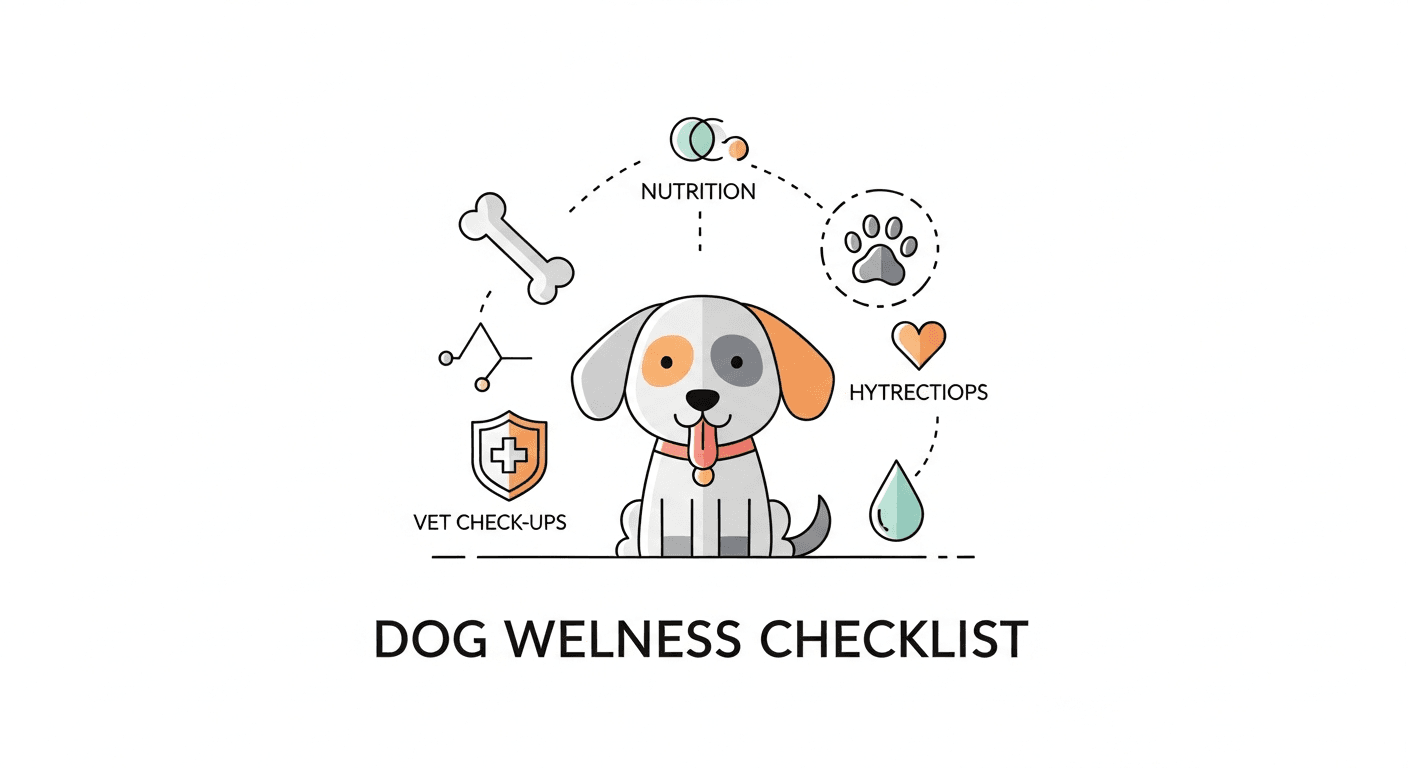
Why Preventive Care Is the Best Investment for Your Dog
Reactive veterinary care — treating problems after they develop — is consistently more expensive, more stressful, and less successful than proactive preventive care that catches issues early or prevents them entirely. A dog with an annual wellness exam and regular health monitoring is far more likely to have early-stage kidney disease identified before it becomes a crisis, dental disease treated before tooth loss, and weight managed before joint disease sets in. This checklist gives you a clear framework for what your dog needs at each life stage so nothing essential gets overlooked.
Puppy Stage (0–12 months)
- Vaccination series: DA2PP at 8, 12, and 16 weeks; Rabies at 12–16 weeks
- Microchipping (ideally at first vet visit)
- Monthly parasite prevention from 8 weeks onward
- Monthly deworming until 6 months, then quarterly
- Socialization and puppy class — critical before 16 weeks
- Dental care introduction — start handling mouth from day one
- Discuss spay/neuter timing for your specific breed and sex
- Nutrition check — is the puppy food appropriate and properly portioned?
Adult Stage (1–7 years, breed dependent)
- Annual wellness exam — even when healthy
- Vaccine boosters per vet schedule (some annual, some every 3 years)
- Dental exam and professional cleaning when recommended
- Monthly parasite prevention — without gaps
- Quarterly deworming
- Weight check and body condition score every 6 months
- Bloodwork: Consider bi-annual for dogs over 5 even before symptoms
First 3 Steps You Can Take at Home
- Set up annual and seasonal reminders for every preventive care item: The biggest gap in dog wellness care isn't owner unwillingness — it's forgetting. Vaccines fall overdue, flea treatments get skipped, dental checks are postponed indefinitely. Take 15 minutes now to set calendar reminders for: annual wellness exam, monthly flea/tick prevention, quarterly worming, and dental check. This single action, done once, can add years to your dog's life through consistent preventive care.
- Learn your dog's normal baselines: The most valuable thing you can track at home is what "normal" looks like for your individual dog. Weigh them monthly and record it. Know what their coat normally looks like, what their energy level normally is, how much they normally drink. Deviations from individual baseline are often the first signal of developing disease — and you're far more likely to notice a change if you've paid attention to the baseline.
- Senior screening from age 7+: Large breeds age faster than small breeds, but as a general rule, dogs over 7 should have bi-annual vet visits rather than annual, and an annual blood and urine panel becomes essential. Kidney disease, thyroid dysfunction, diabetes, liver disease, and early cancer are all far more manageable when identified in early stages through routine bloodwork than when they present with obvious symptoms.
Senior Stage (7+ years or breed equivalent)
- Bi-annual vet visits — not just annual
- Annual bloodwork: complete blood count, chemistry panel, thyroid, urinalysis
- Blood pressure monitoring (especially for kidney patients)
- Dental care — more frequent checks as dental disease progresses
- Joint health assessment — early arthritis management makes a large difference
- Cognitive dysfunction screening — changes in sleep, disorientation, behavior
- Diet review — is the current food still appropriate?
- Pain management discussion — older dogs often live with untreated pain
📋 Log This With TailRounds
Build your dog's complete wellness calendar in the TailRounds health log — vaccines, parasite prevention, dental checks, weight records, and annual exam dates all in one place with automatic reminders. This is the tool that makes consistent preventive care effortless.
Start Free →Book a Vet Appointment
If you haven't had an annual wellness exam in more than a year, or if your dog is a senior without recent bloodwork, that's the most impactful appointment you can book. Early detection changes outcomes. Book an appointment at Happy Paws Veterinary Clinic — same-week slots are usually available.
Summary for Your Clinic
Pet concern: Wellness Review
Dog age: [years], last wellness exam: [date], vaccines current: [yes/no]
Last bloodwork: [date], flea/tick prevention: [current product and date last given]
Questions for vet: What tests do you recommend for this age? Are all vaccines current? Is our parasite prevention appropriate for our lifestyle?
Related Articles
Continue Reading
 🐕 Dog Health
Puppy Vaccination Schedule by Age
A complete puppy vaccination timeline from 6 weeks to 1 year. Know which vaccines are core, optional, and when boosters are due.
 🐕 Dog Health
Dog Parasite Control Schedule
A complete year-round parasite prevention guide for dogs — fleas, ticks, heartworm, and intestinal worms with recommended treatment intervals.
 🐕 Dog Health
Senior Dog Not Eating: What to Do
Appetite loss in older dogs — why it happens, which causes are serious, and how to encourage a senior dog to eat safely.
 🦴 Dog Care
Dog Medication Guide for Pet Owners
How to give your dog medication safely, common medication types, what to watch for, and which human medications are dangerous for dogs.