
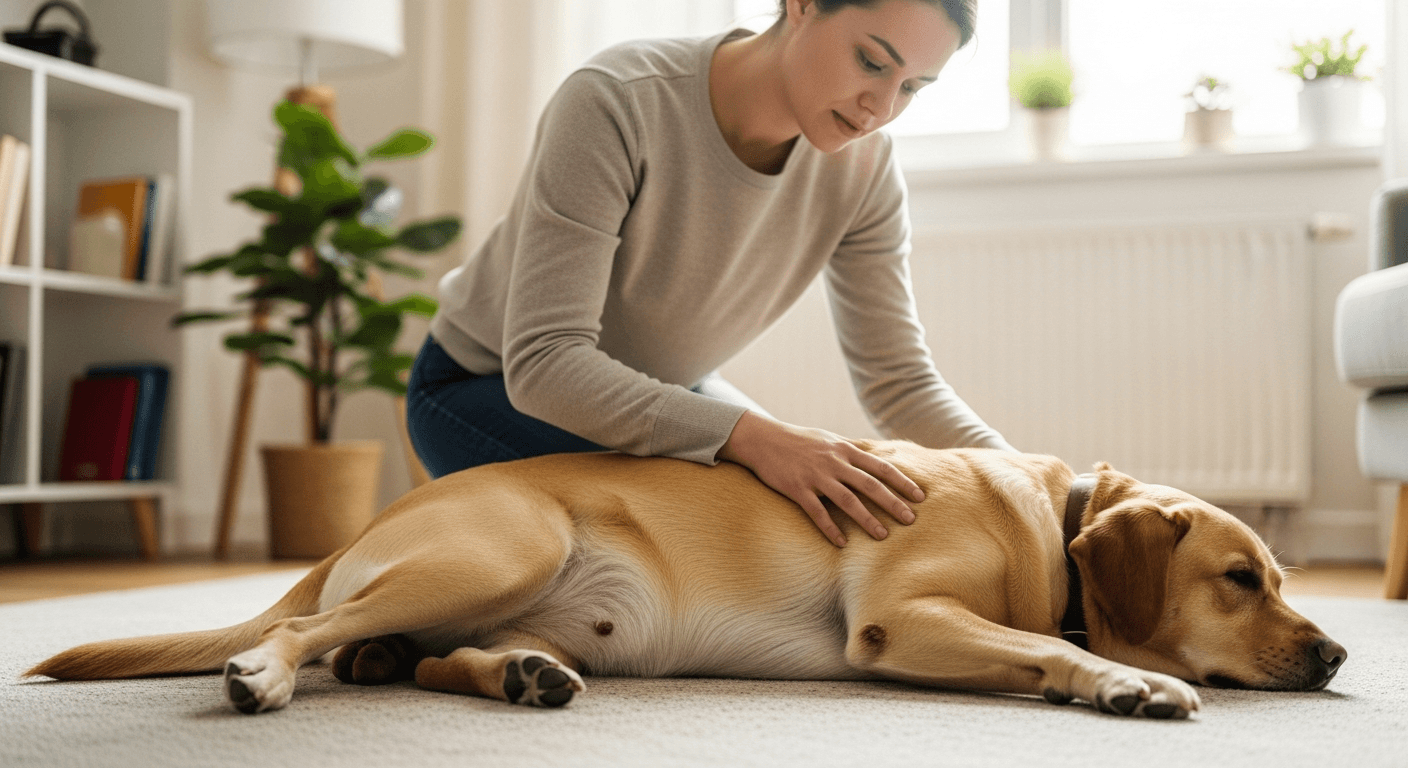
What Is Dog Diarrhea?
Dog diarrhea — loose, watery, or unusually frequent stools — is one of those problems almost every dog owner deals with at some point. It happens when the normal absorption of water and nutrients in the intestines is disrupted, causing contents to move through too quickly. A single episode of soft stool after eating something unusual isn't usually alarming. But repeated diarrhea, especially with blood, mucus, or accompanied by vomiting and lethargy, is your dog's body asking for help. Understanding the difference can save you unnecessary panic — and unnecessary delay.
First 3 Steps You Can Take at Home
- Short food fast followed by bland diet: For adult dogs (not puppies), withhold food for 6–12 hours to let the gut rest — but always keep water available. After the fast, feed small amounts of plain boiled chicken and white rice. This is the gold standard for mild GI upset in dogs. Avoid any treats, fatty food, or table scraps during recovery, which can last 2–3 days.
- Keep your dog hydrated: Diarrhea causes fluid loss fast. Offer small amounts of water frequently. If your dog is reluctant to drink, try a dog-safe electrolyte solution or low-sodium broth as a short-term encouragement. Watch for signs of dehydration: skin tenting (pinch skin on the scruff — slow return to normal is a warning sign), dry gums, or sunken eyes.
- Note what and when they ate: Think back 24–48 hours. Did they scavenge something in the yard? Get into the garbage? Eat a new treat or a different brand of food? Food sensitivity and dietary indiscretion (the polite term for "ate something disgusting") are the #1 cause of dog diarrhea. Knowing the trigger helps prevent it happening again.
When to Go to the Vet Immediately
Some symptoms require urgent veterinary attention. Do not wait — call your vet or head to an emergency clinic if you see:
- Blood in the stool — either bright red or very dark/tarry (which suggests bleeding higher in the GI tract)
- Diarrhea lasting more than 48 hours in an adult dog, or more than 24 hours in a puppy
- Vomiting alongside diarrhea, especially if your dog can't keep water down
- Signs of pain: hunching, whimpering, or refusing to move
- Known or suspected ingestion of toxins, medications, or sharp objects
- An unvaccinated puppy with diarrhea — parvovirus is a serious possibility and is highly contagious
Follow-Up Care Checklist
After the immediate concern is handled, use this checklist to monitor your dog's recovery:
- ☐ Gradually transition back to regular food over 3–4 days (50/50 bland and regular, then 25/75)
- ☐ Check stool consistency at every bathroom trip and note any changes
- ☐ Make sure your dog is drinking enough water — track intake if needed
- ☐ Consider a probiotic supplement (your vet can recommend one) to help restore gut flora
- ☐ If diet-related: check ingredient lists for any new foods introduced recently
- ☐ Book a follow-up if diarrhea returns within 7 days of resolving
📋 Log This With TailRounds
Keep a record of your dog's stool consistency, appetite, and meals in the TailRounds daily log. Recurring patterns — like loose stool every Monday after weekend treats — become crystal clear when you have the data.
Start Free →Book a Vet Appointment
If your dog's diarrhea isn't clearing up with home care, or if it keeps coming back, it's time to get checked. Chronic loose stools can signal food allergies, inflammatory bowel disease, parasites, or even early organ disease. Book an appointment at Happy Paws Veterinary Clinic — same-week slots are usually available.
Summary for Your Clinic
Copy and share this summary with your vet before the appointment:
Pet concern: Dog Diarrhea
Symptoms noticed: Loose/watery stools, frequency [X times per day], [with/without blood or mucus], [with/without vomiting]
Home steps taken: Bland diet, fasting, hydration monitoring
Duration: Started [X days] ago
Questions for vet: Should we test for parasites? Is a food allergy possible? Do we need a stool culture?
Related Articles
Continue Reading
 🐕 Dog Health
Dog Vomiting: What to Do First at Home
Learn the first steps to take when your dog vomits, which signs mean danger, and when to call your vet immediately.
 🐕 Dog Health
Dog Not Eating: Common Causes and What to Do
Why your dog might stop eating, which causes are harmless, and which ones need a vet visit. Practical home steps included.
 🐕 Dog Health
Dog Blood in Stool: What It Means
Bright red vs. dark tarry blood in dog stool — what each means, which is an emergency, and the steps to take before calling your vet.
 🐕 Dog Health
Dog Constipation Home Care Guide
How to recognize and safely manage dog constipation at home, what causes it, and when to call the vet for help.