
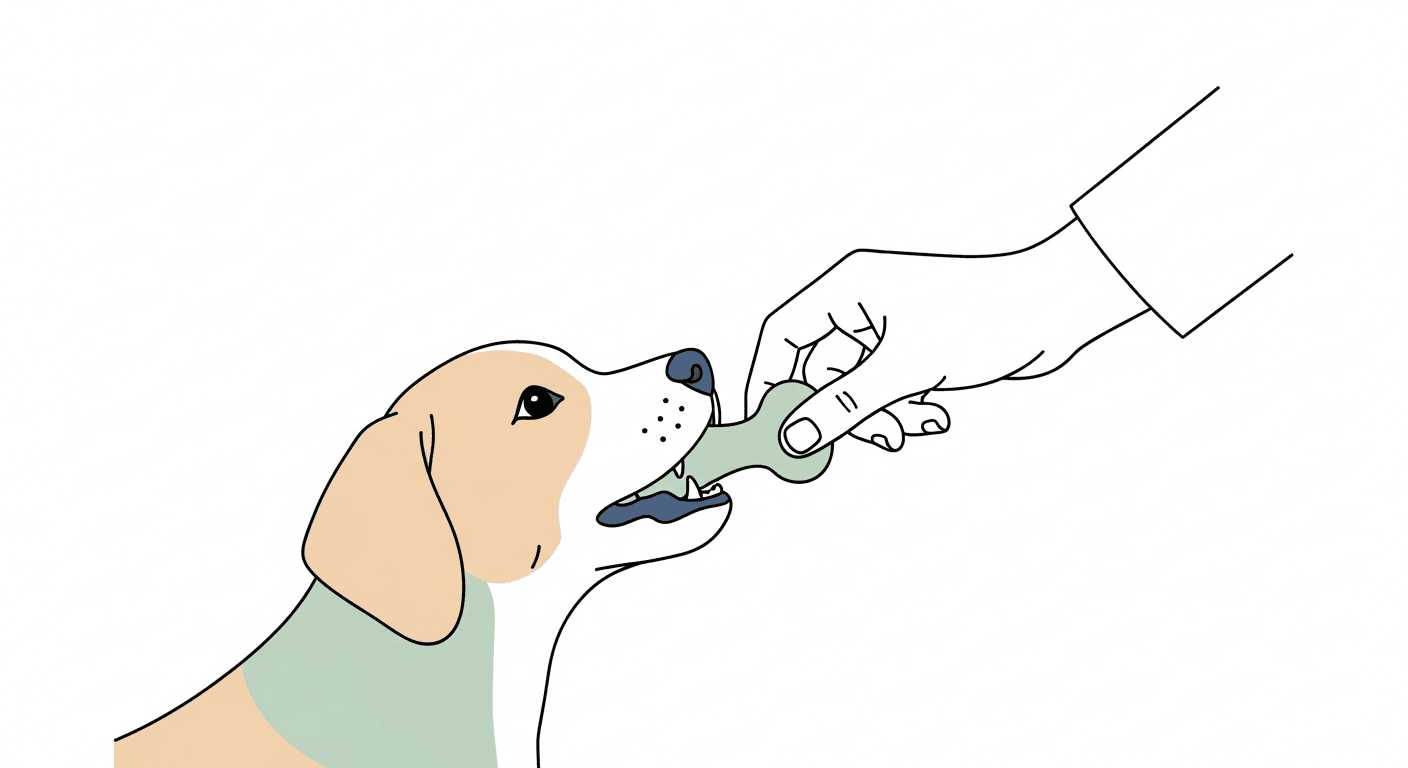
Why Do Puppies Bite Everything?
Puppy biting is completely normal — and very important to understand and manage correctly. Puppies explore the world with their mouths, they play with their mouths, they communicate with their mouths. Between siblings in a litter, puppies learn bite inhibition — if they bite too hard, the other puppy yelps and stops playing. This teaches them to moderate the pressure of their bites. When puppies come to human homes at 8 weeks, they continue this process with us. The goal is not to stop all mouthing immediately (which is unrealistic) but to teach them bite inhibition — that human skin is very sensitive and even gentle mouthing is not acceptable — while also teaching them what IS appropriate to put in their mouth.
First 3 Steps You Can Take at Home
- Yelp and withdraw attention — consistently: When your puppy bites too hard, make a brief, sharp "ouch!" sound and immediately withdraw all attention — stand up, turn your back, leave the room if necessary. Return after 30 seconds. This mimics what a littermate would do and communicates that biting too hard ends the game. Consistency is essential — every family member must respond the same way. If some people squeal and continue playing while others withdraw, the puppy receives mixed signals. Consistency across all humans in the household is mandatory for this technique to work.
- Redirect to an appropriate chew item: Every time your puppy goes to mouth you, redirect to a toy or chew item immediately. Keep toys in every room so you always have something to offer. The message is "not hands, this instead." A puppy who bites your hand and finds a tug toy offered instead quickly learns where the legal bite targets are. This is more effective than punishment because it teaches the dog what to do rather than just what not to do.
- Never use physical punishment: Smacking, alpha rolls, pushing the muzzle closed — these techniques don't teach bite inhibition and can create fear-based aggression. A puppy that learns biting causes pain from its owner will eventually either become more cautious and withdrawn, or defensively aggressive. Punishment can also cause the puppy to bite harder in defense when they feel threatened. Positive redirection and attention withdrawal are more effective and safer in the long run.
When to Go to the Vet Immediately
- Biting that is fearful or defensive (cowering, ears back, whites of eyes showing) rather than playful
- Puppy over 16 weeks that bites with no inhibition despite consistent training — consult a behaviorist
Follow-Up Care Checklist
- ☐ All family members respond consistently to biting — same protocol every time
- ☐ Keep chew toys accessible in every room
- ☐ Ensure the puppy has adequate exercise and play before peak biting times (usually evening)
- ☐ Puppy classes expose your dog to other puppies for continued bite inhibition learning
- ☐ Note whether biting is playful vs. fearful/defensive — these are handled differently
📋 Log This With TailRounds
Track biting frequency and which techniques are reducing it in the TailRounds daily log. Puppy biting typically reduces noticeably by 4–5 months with consistent handling — a log helps you see progress when it feels slow.
Start Free →Book a Vet Appointment
If biting persists past 5–6 months of age without improvement despite consistent management, consulting with a certified trainer or behaviorist at your vet appointment can identify whether there's an anxiety or fear component that needs addressing. Book an appointment at Happy Paws Veterinary Clinic — same-week slots are usually available.
Summary for Your Clinic
Pet concern: Puppy Biting
Puppy age: [weeks/months], bite type: [playful/fearful/defensive]
Techniques tried: [yelp/withdrawal/redirection], consistency: [all family same / inconsistent]
Questions for vet: Is this normal puppy mouthing or early aggression? Should we attend puppy classes?
Related Articles
Continue Reading
 🐕 Dog Health
Puppy Teething Symptoms and Care Guide
Everything you need to know about puppy teething — when it happens, what to expect, and how to survive it with your furniture intact.
 🐕 Dog Health
Dog Anxiety When Left Alone: Practical Solutions
Understanding and managing dog separation anxiety — from mild distress to severe panic, with practical strategies that actually work.
 🦴 Dog Care
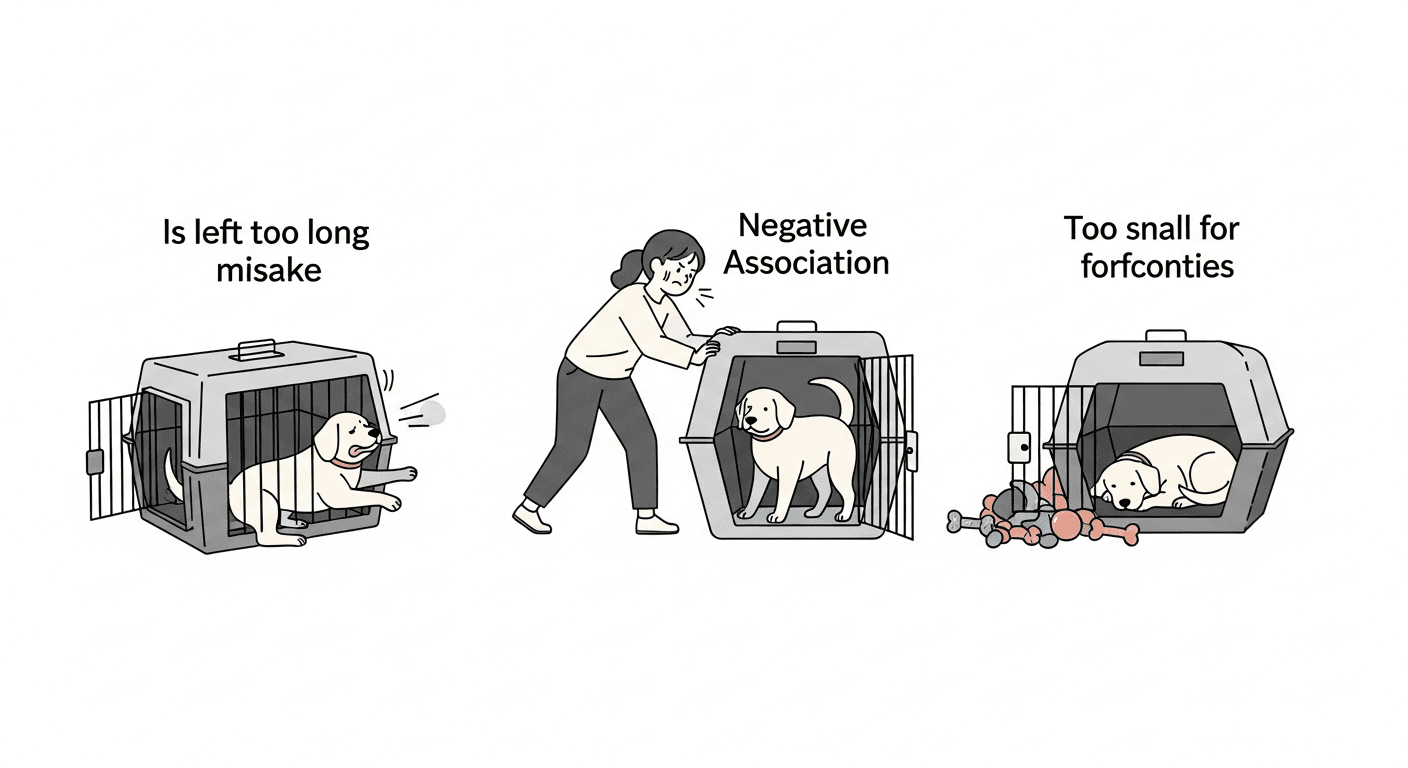
Dog Crate Training Mistakes to Avoid
The most common mistakes owners make with crate training and how to build genuine crate comfort that helps your dog feel safe, not trapped.