
What Is Normal Dog Shedding?
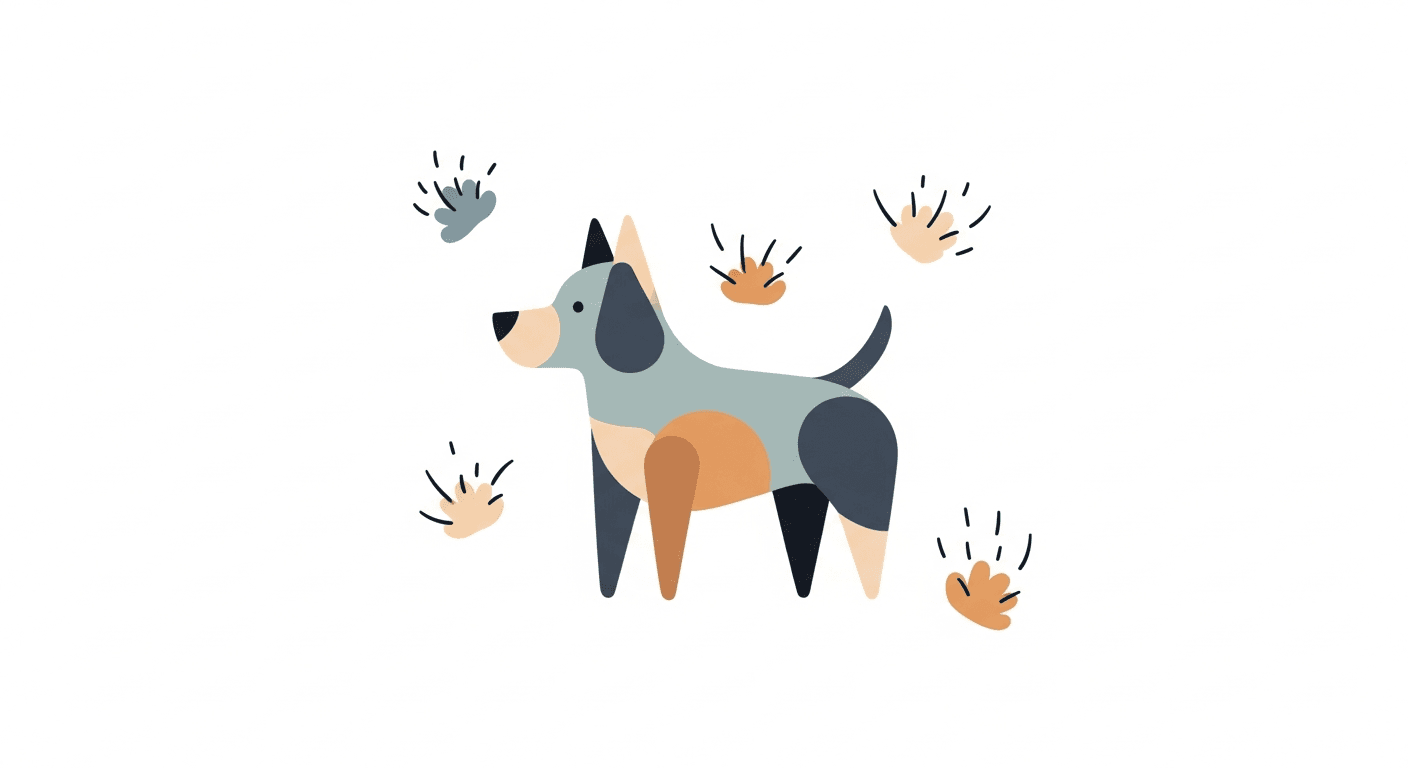
All dogs shed — even so-called hypoallergenic breeds shed minimally but do shed. Shedding is the normal cycle of hair growth and loss that helps dogs adapt to changing seasons. Double-coated breeds (Huskies, German Shepherds, Corgis, Labradors) go through a dramatic "coat blow" twice a year — usually spring and fall — where they shed enormous quantities of undercoat over several weeks. This is completely normal, though alarming if you haven't seen it before. What's not normal: patchy, uneven hair loss; hair loss with accompanying skin changes (redness, itching, scaling); or diffuse thinning across the body year-round that's getting progressively worse.
First 3 Steps You Can Take at Home
- Increase grooming during heavy shed periods: The most effective way to manage a blowing coat is frequent, thorough brushing during the shed period — daily for heavy-shedding breeds. A deshedding tool (like a Furminator undercoat rake) used correctly removes loosened undercoat before it distributes around your home. A bath followed by thorough blow-dry on a cool setting also helps release loose undercoat en masse. This doesn't reduce how much your dog sheds biologically, but it makes it manageable.
- Check that it's shedding, not hair loss: Shedding is even, from all over the body, with no visible skin changes underneath — the skin looks normal and the remaining coat is healthy. Hair loss (alopecia) involves bald patches, visible skin, scaling, redness, or a coat that looks moth-eaten. Run your hand through your dog's coat in different areas — if hair comes out in unusual amounts in specific locations with skin changes underneath, that's alopecia, not shedding. This distinction determines whether to manage at home or see a vet.
- Assess overall health: Excessive generalized shedding outside of seasonal coat-blow can signal: poor nutrition (especially protein or essential fatty acid deficiency), hypothyroidism, Cushing's disease, pregnancy or lactation hormones, or chronic stress. Think about any changes in your dog's life: new food, recent illness, major environmental change. High-stress events often cause increased shedding 4–6 weeks after the stressor, similar to stress-related hair loss in humans.
When to Go to the Vet Immediately
- Patchy, uneven, or rapidly spreading hair loss — not even seasonal coat blow
- Shedding accompanied by skin irritation, dandruff, or a dull, brittle coat
- Hair loss with lethargy, weight changes, or other systemic symptoms
Follow-Up Care Checklist
- ☐ Brush daily or every other day during heavy shed seasons
- ☐ Ensure diet contains adequate protein and essential fatty acids (fish oil supplement may help)
- ☐ Schedule thyroid and hormonal testing if shedding is year-round and worsening
- ☐ Use a slicker brush and deshedding rake as part of regular grooming
- ☐ A good professional groomer deshed every 6–8 weeks is excellent maintenance for heavy-shedding breeds
📋 Log This With TailRounds
Note shedding patterns and grooming sessions in the TailRounds daily log. Knowing when the seasonal coat blow typically starts helps you prepare the grooming schedule in advance.
Start Free →Book a Vet Appointment
Excessive non-seasonal shedding that doesn't respond to improved grooming and nutrition is worth investigating with blood work — thyroid disease and Cushing's are both manageable conditions that dramatically improve coat quality once treated. Book an appointment at Happy Paws Veterinary Clinic — same-week slots are usually available.
Summary for Your Clinic
Pet concern: Excessive Dog Shedding
Pattern: [seasonal/year-round], distribution: [even/patchy], skin appearance: [normal/irritated]
Diet: [current food], any recent stress or illness
Questions for vet: Should we run a thyroid panel? Could diet be a factor? Is this normal seasonal shedding?
Related Articles
Continue Reading
 🐕 Dog Health
Dog Hair Loss Patches: Causes and Care
Patchy hair loss in dogs — the most common causes from mange and ringworm to allergies and hormonal disease, and how each is treated.
 🐕 Dog Health
Dog Skin Allergies: Signs and Home Support
How to recognize dog skin allergies, tell them apart from infections, and support your dog at home while working toward a diagnosis.
 🦴 Dog Care
Dog Bathing Guide for Owners
How often to bathe your dog, which products to use, and step-by-step technique for a stress-free bath at home.
 🐕 Dog Health
Dog Not Eating: Common Causes and What to Do
Why your dog might stop eating, which causes are harmless, and which ones need a vet visit. Practical home steps included.