
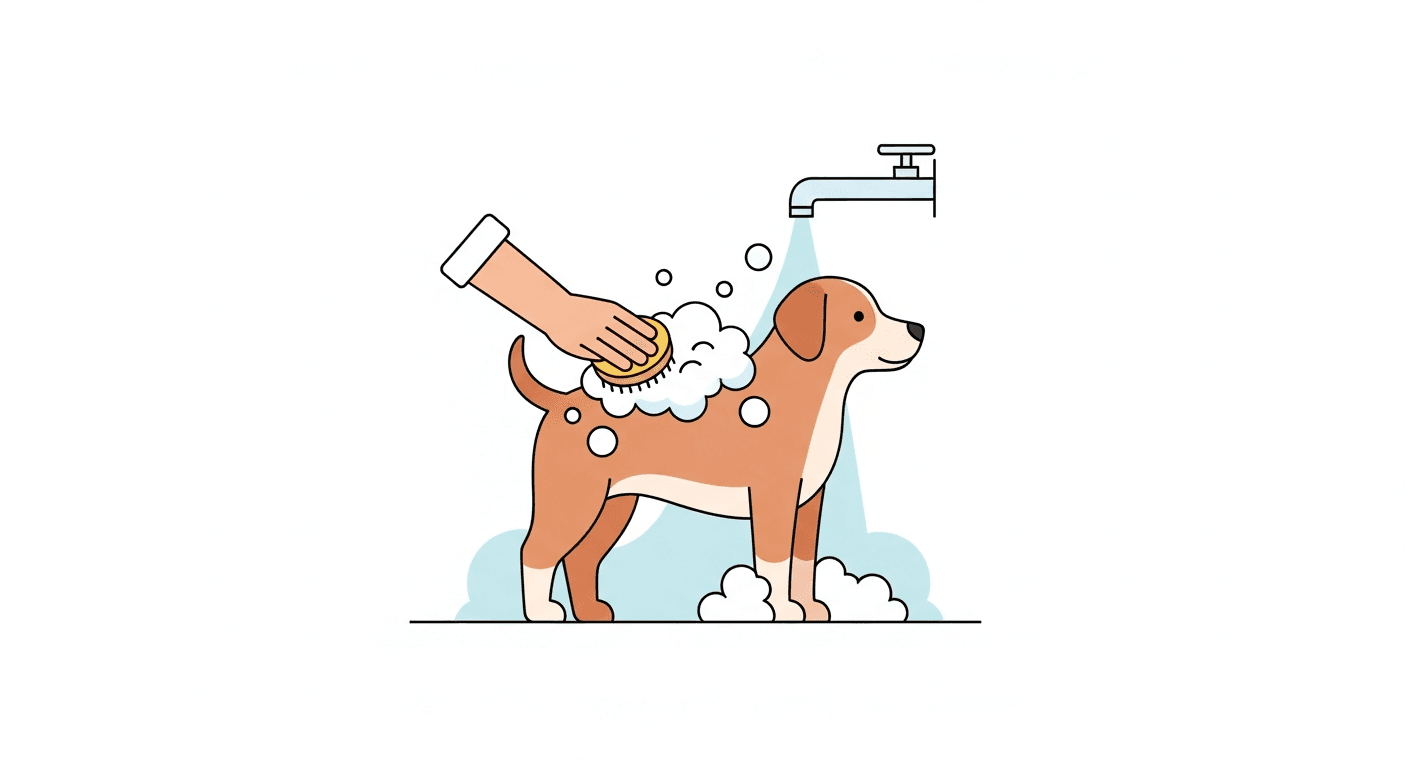
How Often Should You Bathe Your Dog?
There's no single right answer — it depends on breed, lifestyle, skin type, and coat. Double-coated breeds like Huskies and Golden Retrievers can go 6–8 weeks between baths in normal conditions. Short-coated, smooth dogs like Beagles or Vizslas need bathing less often still — monthly or even less. Dogs with skin conditions, allergies, or oily coats may need bathing every 1–2 weeks with a medicated shampoo. And then there's the lifestyle variable: a dog who regularly rolls in things, swims, or lives in a muddy environment simply needs more frequent bathing regardless of breed. The goal is clean and comfortable — not a rigid schedule.
First 3 Steps You Can Take at Home
- Gather everything before you start: Trying to find the conditioner while your dog is soaking wet and anxious is a recipe for disaster. Before bathing: have shampoo (dog-specific — human shampoo disrupts the skin pH), conditioner if needed, towels, a non-slip mat for the tub, and treats all organized and within reach. If using a handheld shower head, test the water temperature on your wrist — lukewarm, not hot. Cold water is unpleasant for the dog; hot water can cause burns or overheating.
- Wet thoroughly and lather correctly: Get every part of the coat completely wet before applying shampoo — dry hair doesn't lather well and product doesn't distribute evenly. Apply shampoo and lather from neck down (not the face first — wet face on a dog often triggers shaking). Massage the lather gently all the way down to skin level, not just the surface of the coat. The neck/collar area, armpits, and between the toes are commonly missed. Use a damp cloth to wipe the face separately — shampoo in the eyes is very unpleasant.
- Rinse thoroughly — even more than you think is needed: Shampoo residue left on the skin is a common cause of skin irritation and dryness after bathing. Keep rinsing until the water runs completely clear and there's no soapy feel to the coat. Conditioner (if using) should be applied after the final rinse, left for 1–2 minutes, then fully rinsed out as well. Towel-dry vigorously, then use a hair dryer on a low, warm setting if your dog tolerates it — a damp, incompletely dried dog in cooler weather is prone to skin infections.
When to Go to the Vet Immediately
- Skin reaction after bathing — hives, swelling, extreme itching
- Ear infection developing after bathing — water in the ears is a common trigger
Follow-Up Care Checklist
- ☐ Dry the ears thoroughly with a soft cloth after every bath
- ☐ Use only dog-specific shampoo — always
- ☐ Condition long or double-coated breeds to prevent matting
- ☐ For dogs with skin conditions: use the shampoo your vet recommended and follow contact time instructions
- ☐ Trim nails on the same day as the bath — nails are softer after soaking and easier to cut
📋 Log This With TailRounds
Log bath dates and any skin reactions in the TailRounds health log. Tracking which shampoo was used and whether skin settled or worsened afterward helps identify the right grooming routine for your dog's skin type.
Start Free →Book a Vet Appointment
If your dog regularly has skin problems or ear infections following bathing, a dermatology check can identify whether a medicated shampoo protocol would help manage a chronic skin condition. Book an appointment at Happy Paws Veterinary Clinic — same-week slots are usually available.
Summary for Your Clinic
Pet concern: Dog Skin Care / Bathing
Current shampoo: [product name], bathing frequency: [X weeks], any skin reaction noted after bathing
Questions for vet: What shampoo do you recommend for my dog's skin type? How often should we bathe?
Related Articles
Continue Reading
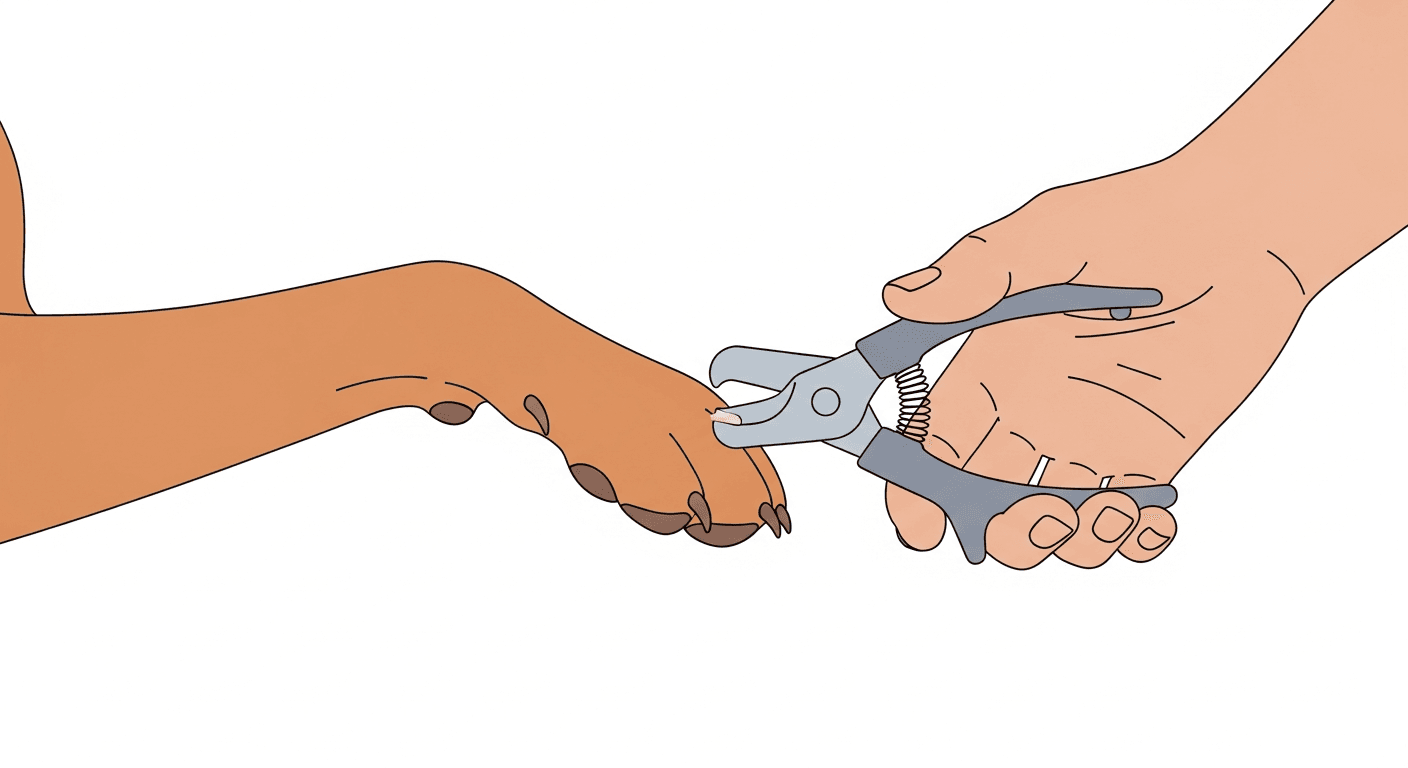 🦴 Dog Care
Dog Nail Trimming at Home Safely
A step-by-step guide to trimming your dog's nails at home without cutting the quick — with tips for anxious dogs and dew claws.
 🦴 Dog Care
Dog Shedding: When Is It Excessive?
Normal vs. abnormal shedding in dogs — causes of excessive hair loss, seasonal blowing coat, and when to investigate further.
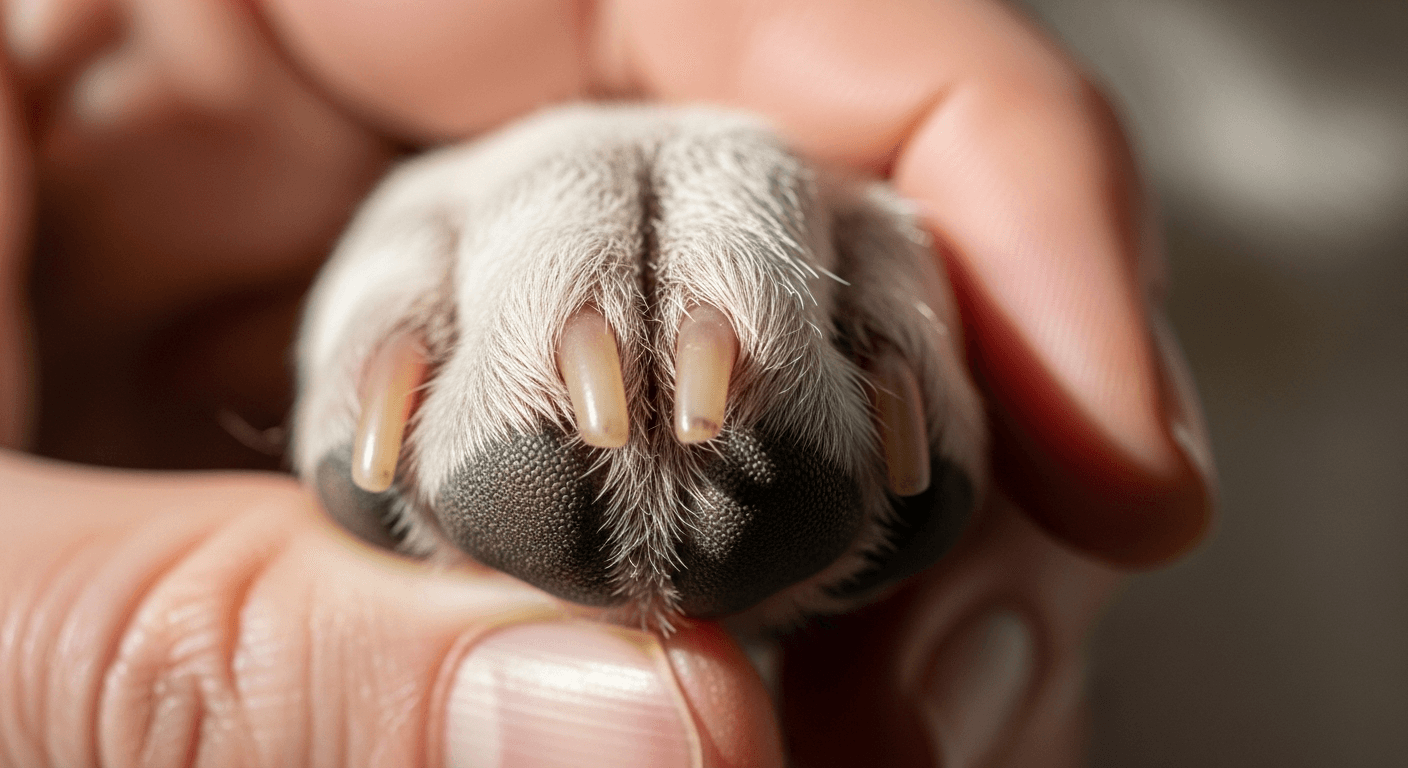 🐕 Dog Health
Dog Skin Allergies: Signs and Home Support
How to recognize dog skin allergies, tell them apart from infections, and support your dog at home while working toward a diagnosis.
 🐕 Dog Health
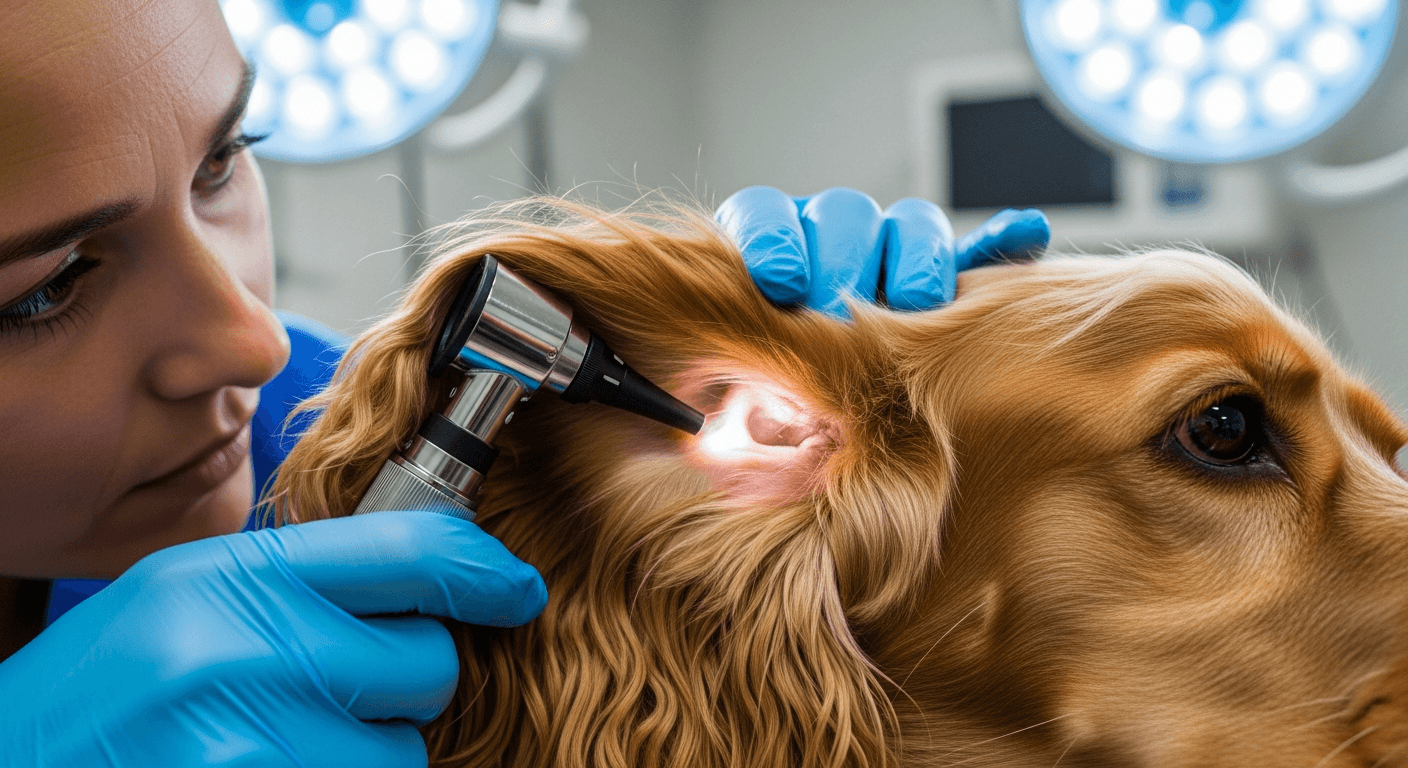
Dog Ear Infection Signs Every Owner Should Know
How to recognize a dog ear infection early, first steps you can take, and why prompt treatment prevents serious complications.