
What Is Dog Dehydration?
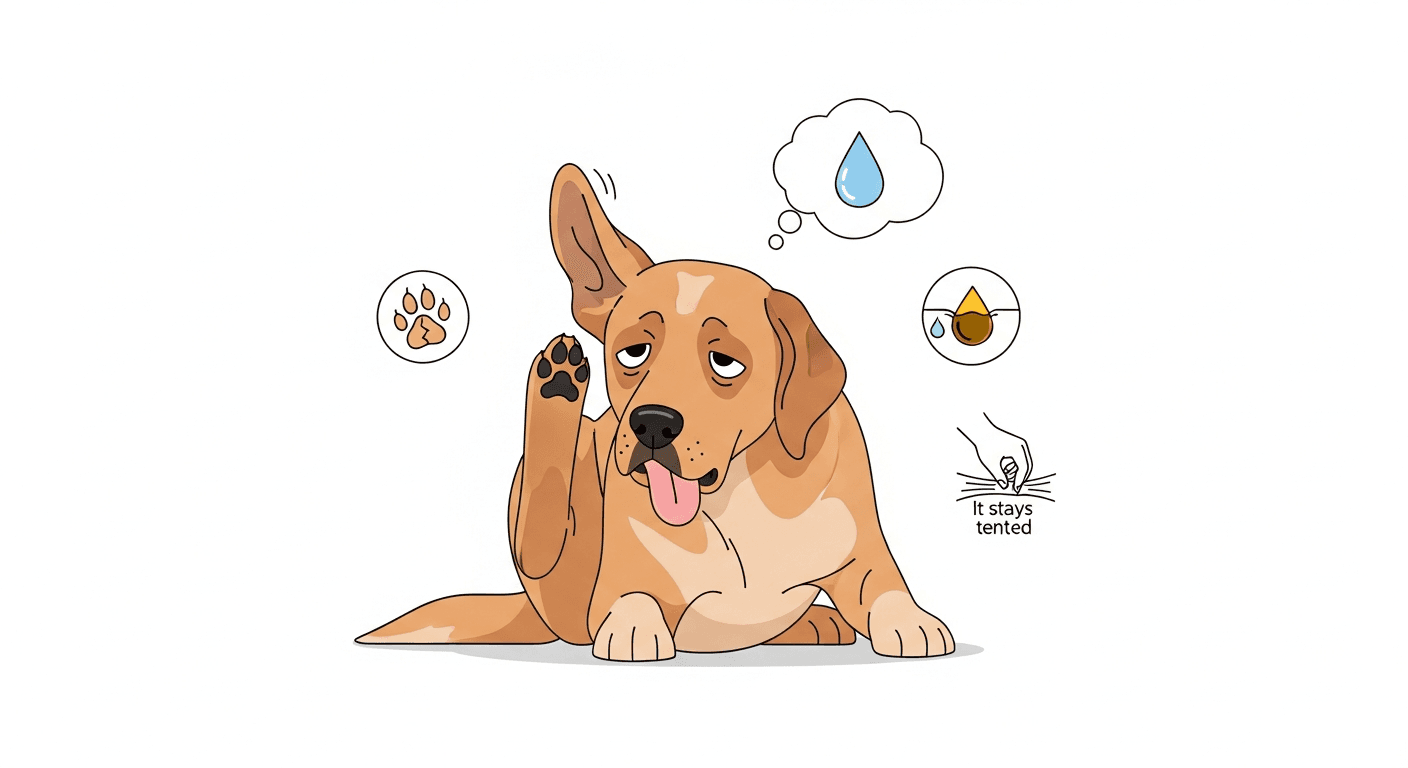
Dehydration in dogs occurs when fluid loss exceeds fluid intake, disrupting normal body function. Dogs can become dehydrated from obvious causes like heat stroke, vomiting, or diarrhea — but also from subtler issues like reduced water intake due to dental pain, illness, or simply not having fresh enough water. Even mild dehydration (5% fluid deficit) causes noticeable symptoms. Severe dehydration (10%+) is a medical emergency requiring intravenous fluid therapy. Because dogs can't tell you they're thirsty, learning to read the signs is an essential owner skill.
First 3 Steps You Can Take at Home
- Do the skin turgor test: Gently pinch the skin on the back of your dog's neck between your fingers, lift it, and release. Normally, skin should snap back immediately to its original position. In a dehydrated dog, the skin returns to normal slowly — or "tents" (stays raised) for several seconds. The slower the return, the more dehydrated your dog is. Note: this test is less reliable in overweight dogs or dogs with very loose skin, but it's still the best quick home assessment.
- Check gums and capillary refill time: Healthy dog gums are pink and moist. Press your finger firmly on the gum for 2 seconds and release — normal gums return to pink within 1–2 seconds (this is capillary refill time). Dehydrated dogs often have tacky, sticky, or dry gums, and capillary refill may take longer than 2 seconds. Very pale gums suggest more serious problems beyond dehydration — circulation issues or shock.
- Encourage water intake strategically: If your dog is mildly dehydrated and able to drink, offer small amounts of fresh water frequently rather than letting them drink a large amount at once (which can cause vomiting, worsening the situation). Flavoring water with a small amount of low-sodium chicken broth can entice reluctant drinkers. Ice cubes are another option. If your dog won't drink or can't keep water down, IV fluids from a vet are necessary — you can't manage moderate-to-severe dehydration orally.
When to Go to the Vet Immediately
- Severe skin tenting alongside lethargy, weakness, or sunken eyes
- Your dog is vomiting and can't keep any water down
- Gums are pale, tacky, or very slow capillary refill
- Dehydration following heat stroke, severe diarrhea, or significant vomiting
Follow-Up Care Checklist
- ☐ Ensure fresh water is available at all times in multiple locations
- ☐ Use a pet water fountain if your dog prefers moving water
- ☐ Add wet food to diet during recovery to increase fluid intake passively
- ☐ Monitor water intake closely for 48–72 hours after any dehydrating illness
- ☐ Check and address any reasons your dog may be avoiding the water bowl (dirty bowl, location, material)
📋 Log This With TailRounds
Track daily water intake and any vomiting or diarrhea in the TailRounds daily log. This is especially important during any illness where fluid loss is a risk.
Start Free →Book a Vet Appointment
Moderate to severe dehydration requires IV fluid therapy and supportive care — there's no safe home treatment for significant fluid deficit. If your dog shows more than mild signs, don't wait to see if they improve on their own. Book an appointment at Happy Paws Veterinary Clinic — same-week slots are usually available.
Summary for Your Clinic
Pet concern: Dog Dehydration
Home assessment: skin turgor [normal/slow], gums [moist/tacky/dry], capillary refill [normal/slow]
Cause: [heat/vomiting/diarrhea/reduced intake], duration
Questions for vet: Does my dog need IV fluids? What caused this and how do we prevent it?
Related Articles
Continue Reading
 🦴 Dog Care
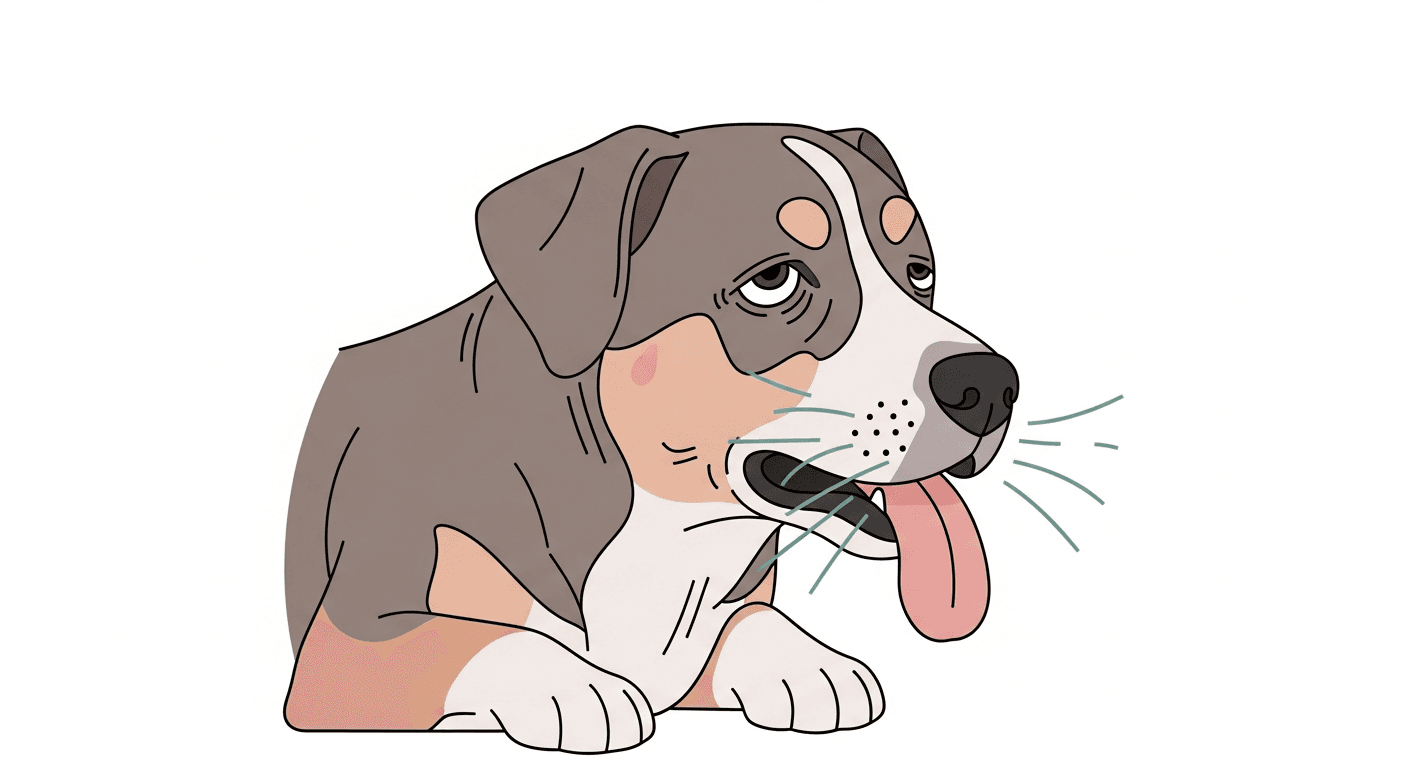
Dog Heat Stroke Warning Signs
Recognize dog heat stroke early — before it becomes fatal. The signs, emergency cooling steps, and prevention in hot weather.
 🐕 Dog Health
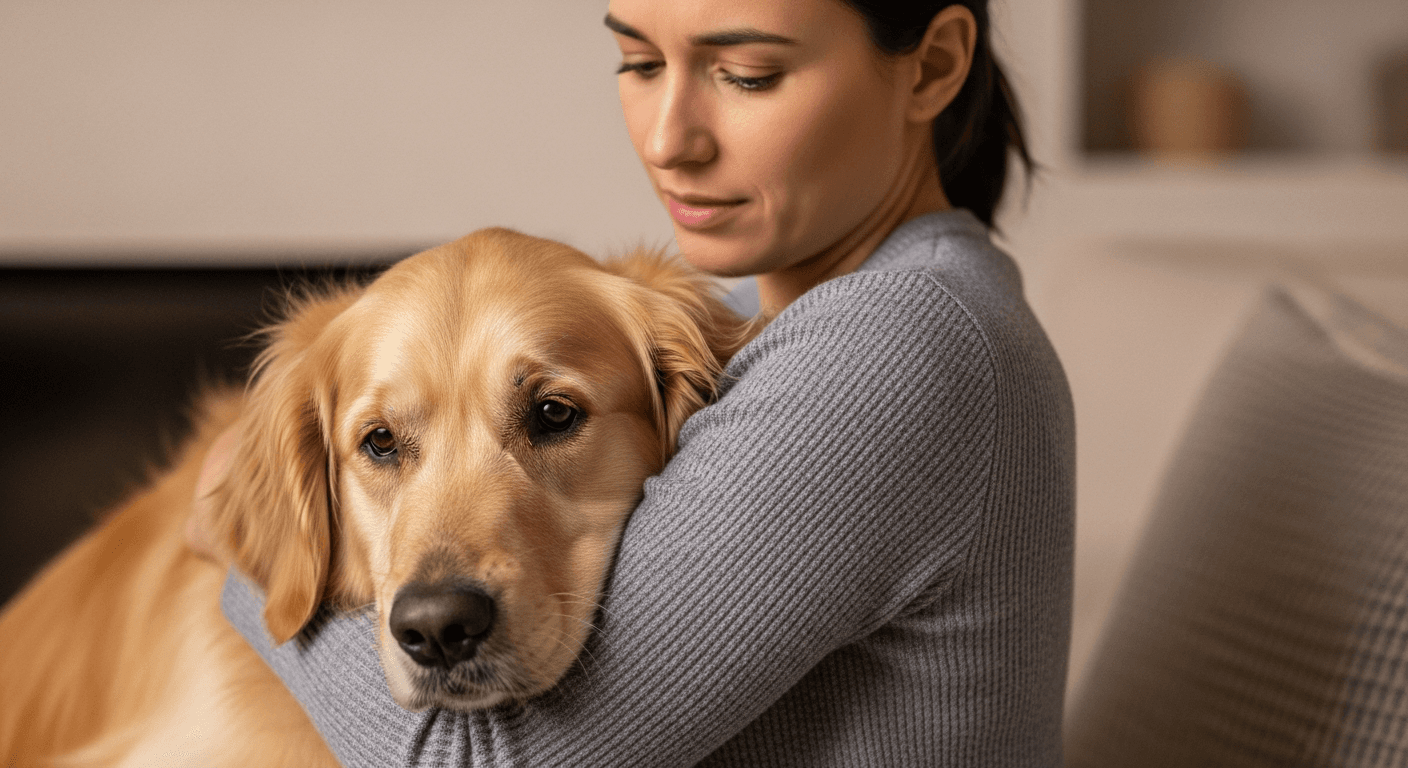
Dog Vomiting: What to Do First at Home
Learn the first steps to take when your dog vomits, which signs mean danger, and when to call your vet immediately.
 🐕 Dog Health
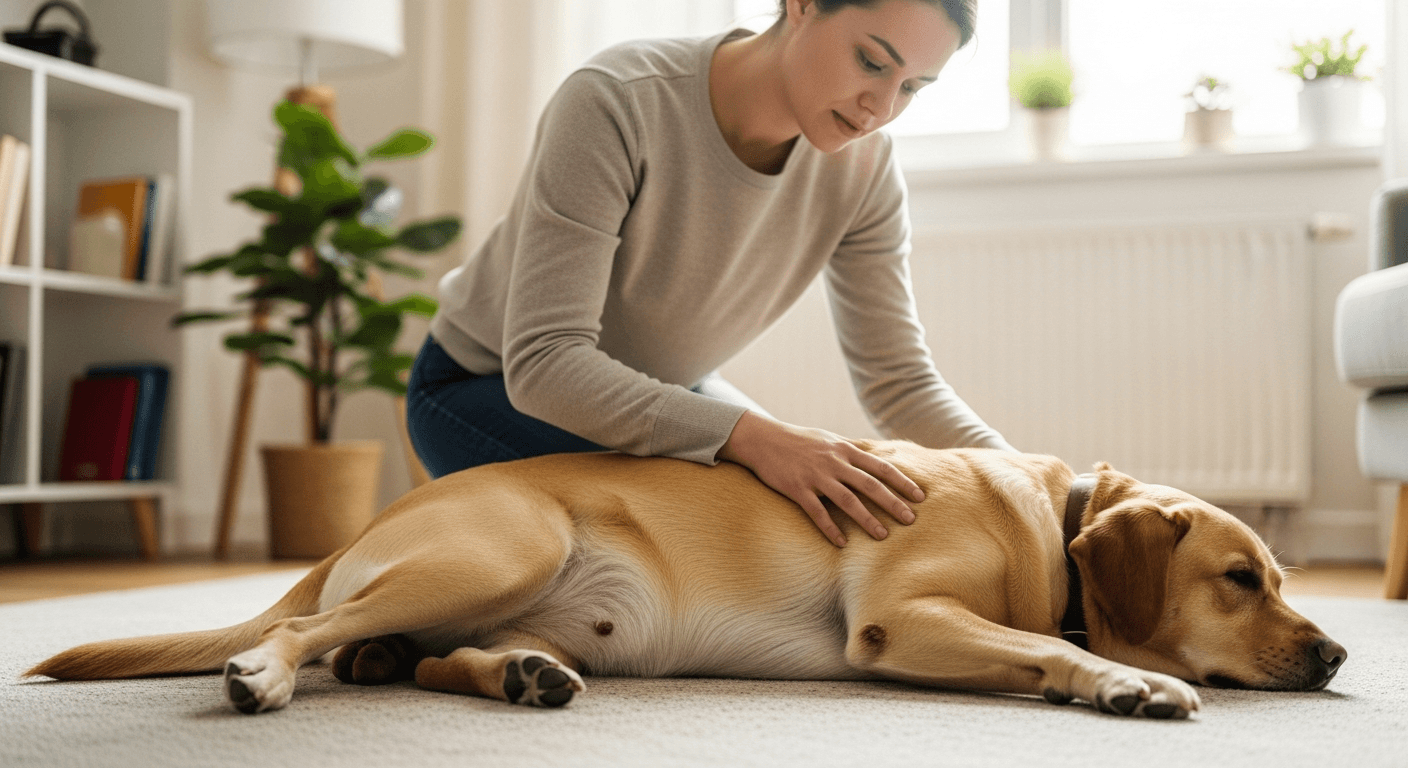
Dog Diarrhea: When to Worry and When to Wait
A practical guide to dog diarrhea — home care steps, warning signs that need a vet, and how to firm up loose stools safely.
 🐕 Dog Health
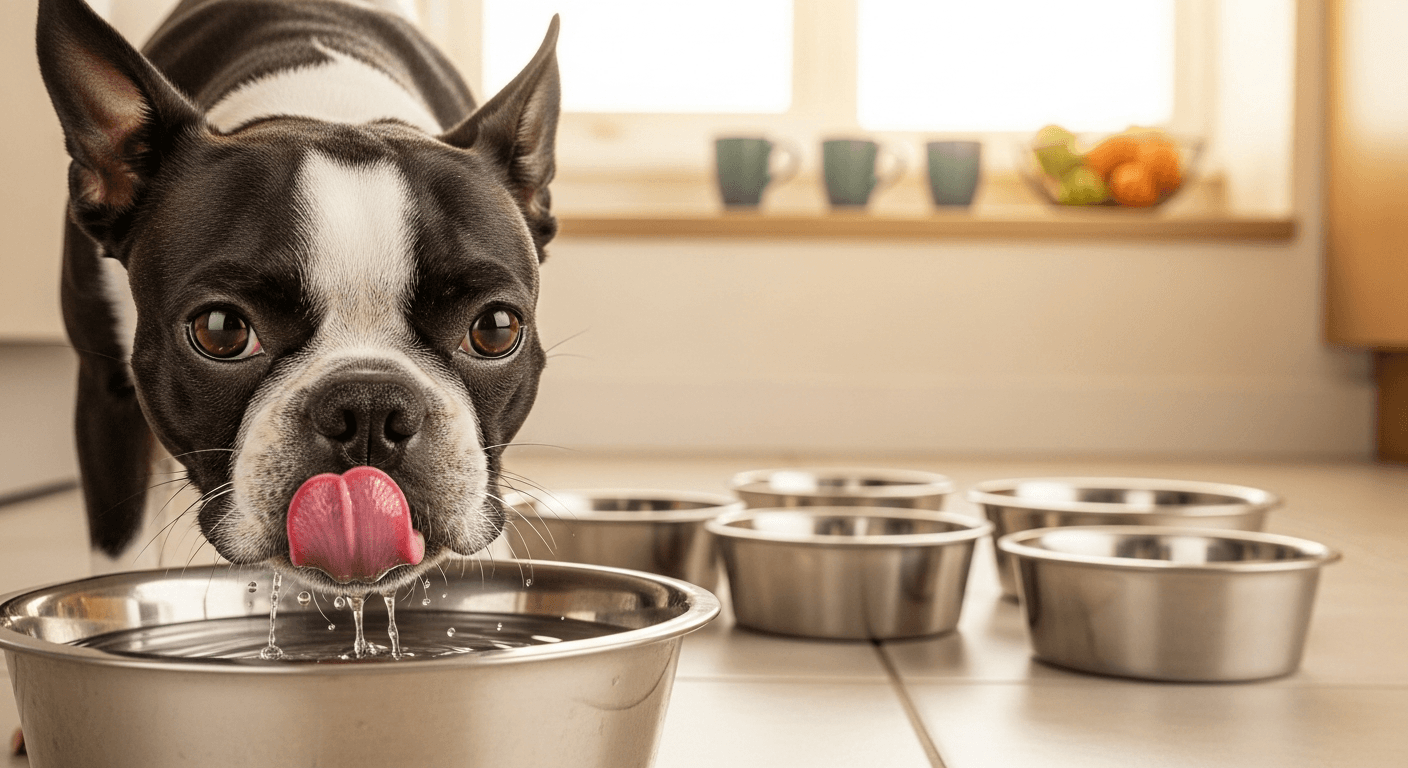
Dog Drinking Too Much Water: Should You Worry?
Polydipsia in dogs — what excessive thirst signals, from diabetes to kidney disease, and when to get blood work done.