
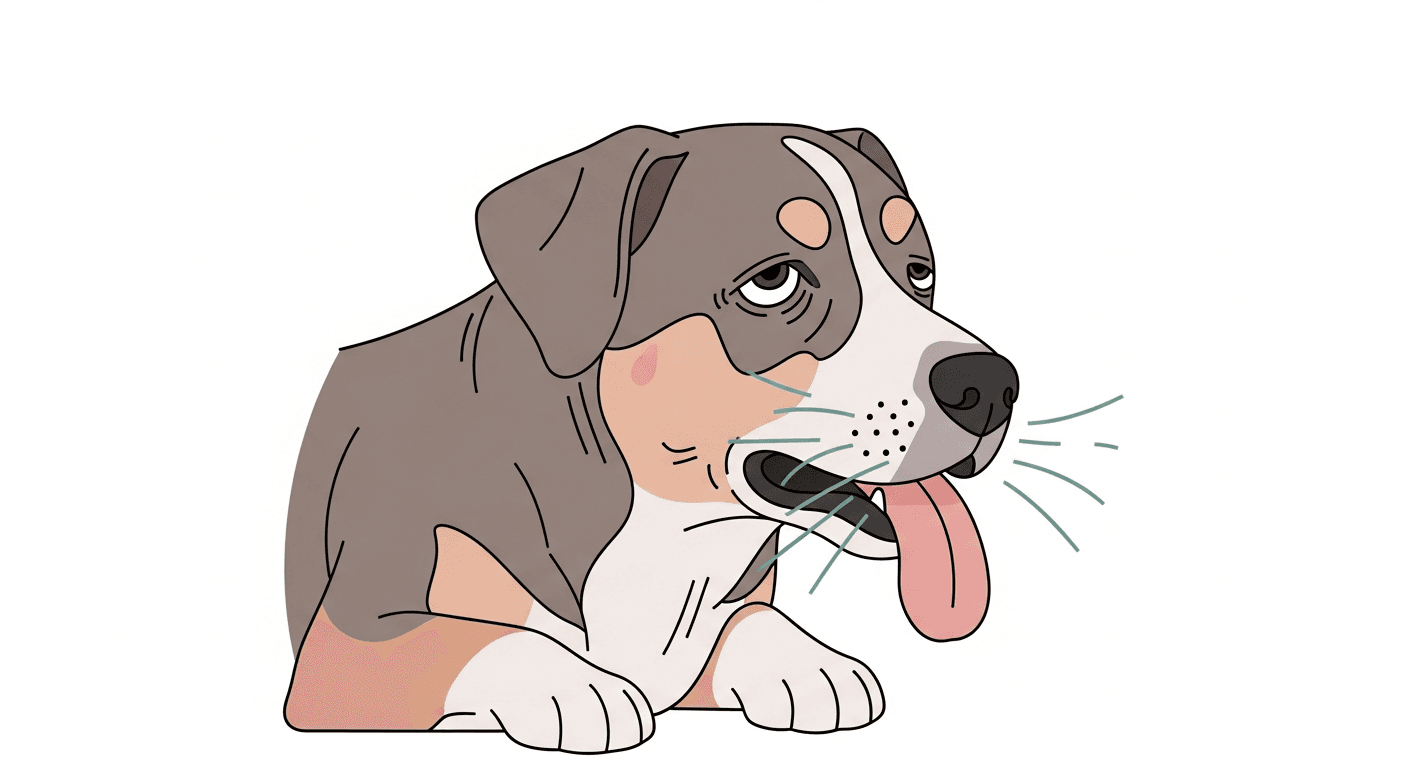
What Is Dog Heat Stroke?
Heat stroke (hyperthermia) occurs when a dog's body temperature rises above a safe range and the body can no longer regulate it. Dogs don't sweat like humans — they cool primarily through panting, which is far less efficient. When ambient temperature is very high, humidity prevents panting from working effectively, or a dog is exercised intensely in heat, body temperature can spike rapidly to dangerous levels. Temperatures above 41°C (106°F) cause organ damage; temperatures above 43°C (109°F) can be fatal within minutes. Heat stroke kills dogs every summer, most commonly from being left in hot cars or from over-exercise in warm weather.
First 3 Steps You Can Take at Home
- Move to a cool area immediately: Get your dog into shade or into an air-conditioned space the moment you suspect heat stroke. This is the single most important first step. Time matters enormously — every minute at a dangerously high temperature causes more organ damage. If outdoors, find any shade, a cool tile floor, or any area out of direct sun while you call your vet or emergency clinic.
- Start cooling — but correctly: Apply cool (not ice cold) water to your dog's body, especially the neck, armpits, and groin where blood vessels are close to the surface. Place wet towels over these areas. Use a fan if available. Do NOT use ice water or ice packs — sudden extreme cold causes peripheral blood vessels to constrict, trapping heat in the body core and worsening the situation. Offer small sips of cool water if your dog is conscious and can swallow — never force water.
- Head to the emergency vet while cooling: Cooling at home buys you time but doesn't replace emergency veterinary care. Heat stroke causes internal damage — to the kidneys, liver, brain, and clotting system — that requires IV fluids, monitoring, and sometimes intensive care. Drive with the air conditioning on full, keep cool wet towels on your dog in the car, and call ahead so the clinic can prepare.
When to Go to the Vet Immediately
- ANY suspected heat stroke — this is always an emergency
- Dog is collapsed, unresponsive, or having a seizure from heat
- Breathing labored or making gurgling sounds
- Gums are red, very pale, or blue
Follow-Up Care Checklist
- ☐ NEVER leave your dog in a car on warm days — even "just a few minutes" can be fatal
- ☐ Walk dogs in early morning or evening during heatwaves
- ☐ Provide constant access to fresh, cool water outdoors
- ☐ Know which breeds are higher risk: flat-faced breeds, obese dogs, thick-coated breeds, elderly dogs
- ☐ After heat stroke: follow-up blood work to check kidney function is essential
📋 Log This With TailRounds
After a heat stroke event, log daily water intake, energy levels, and any follow-up vet visits in the TailRounds daily log. Kidney damage from heat stroke can develop over days and needs monitoring.
Start Free →Book a Vet Appointment
After any heat stroke event, a follow-up appointment 48–72 hours later to check blood work for kidney and liver function is strongly recommended. Dogs can appear recovered but have underlying organ damage that needs monitoring. Book an appointment at Happy Paws Veterinary Clinic — same-week slots are usually available.
Summary for Your Clinic
Pet concern: Dog Heat Stroke
Circumstances: [hot car / over-exercise / hot environment], duration of heat exposure
Temperature if measured: [X°C], cooling steps taken before arrival
Current symptoms: [panting/collapse/vomiting/seizure]
Questions for vet: What organ damage should we watch for? What follow-up tests are needed?
Related Articles
Continue Reading
 🦴 Dog Care
Dog Dehydration Symptoms and Treatment
How to spot dehydration in your dog before it becomes dangerous, test for it at home, and when to seek IV fluid treatment.
 🦴 Dog Care
Dog Collapse Emergency Checklist
What to do when your dog suddenly collapses — the immediate steps to take, what to check, and how to get help quickly.
 🦴 Dog Care
Dog Panting at Night: Reasons and Solutions
Why your dog pants excessively at night — from anxiety and pain to Cushing's disease and medications, with practical solutions.