
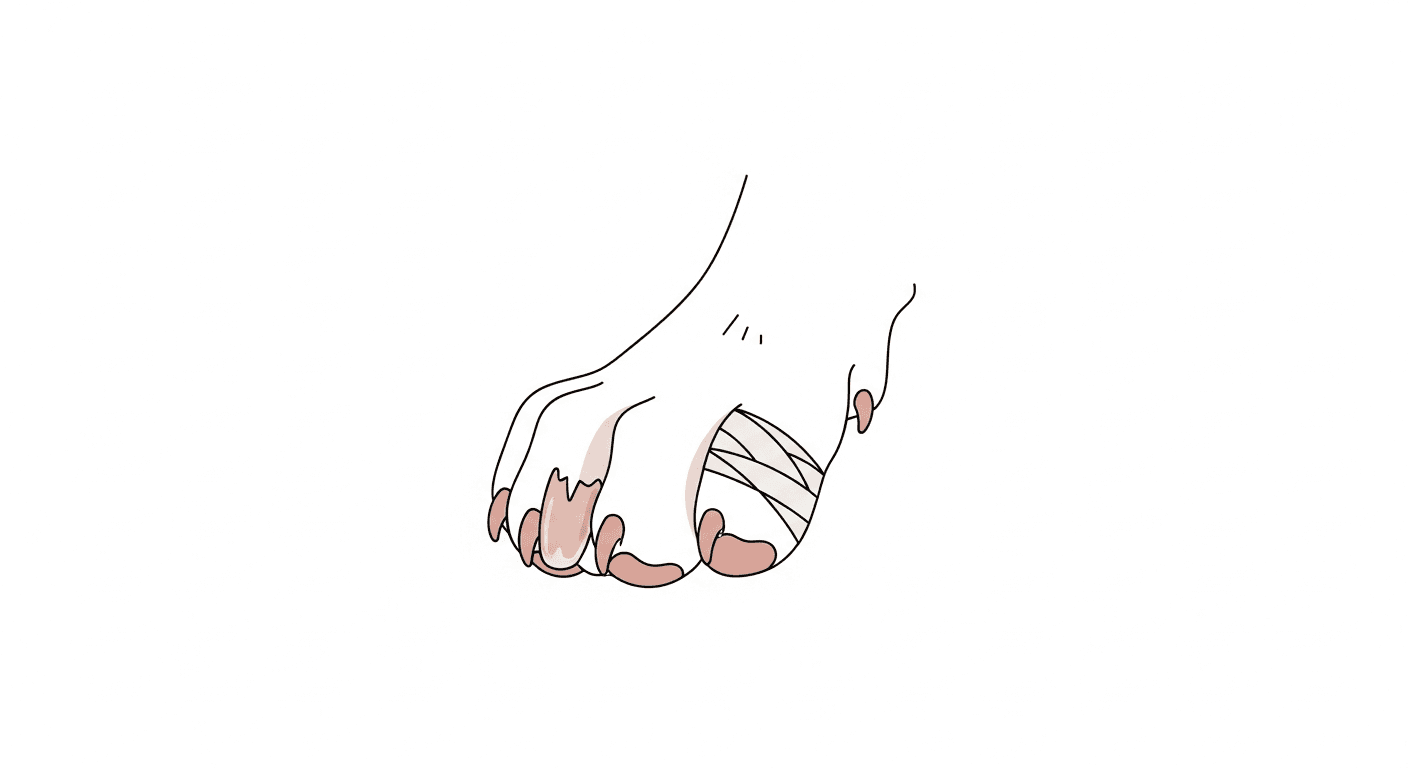
What Happens When a Dog Breaks a Nail?
A broken nail is one of the more dramatic minor injuries in dogs — it looks and sounds terrible (a sharp crack, immediate yelping, and often blood), but in most cases it can be managed at home with some basic first aid. Dog nails have a blood vessel running through them called the quick. When the nail breaks close to or into the quick, it bleeds and hurts. The nail may be partially detached but still connected, or completely torn off. The main risks are bleeding, pain, and infection — all manageable with proper care. Very deep tears or infections that develop after require veterinary treatment.
First 3 Steps You Can Take at Home
- Control the bleeding: Apply gentle, steady pressure to the nail with a clean gauze pad or cloth. Styptic powder (available at pet stores) applied to the tip of the nail quickly stops bleeding. If you don't have styptic powder, pressing the nail tip into a small mound of cornstarch or flour works in a pinch. Hold pressure for 2–3 minutes before checking. Repeat if bleeding restarts. Once bleeding is controlled, assess how much nail is still attached.
- Remove the dangling nail portion if it's barely attached: A nail that's hanging by a thin piece of tissue is painful for your dog — every time they walk, it catches and pulls. If the remaining piece is small and clearly just attached by a sliver, you can carefully trim it off with sharp nail clippers to prevent further snagging. If more than a small piece remains, or if your dog won't let you near it, let the vet remove it properly. Removing more nail than necessary can extend the bleeding and pain.
- Clean, bandage, and prevent licking: Rinse the injured area gently with saline or clean water. Wrap the paw loosely with gauze and self-adhesive vet wrap (not tight — circulation matters). Change the bandage daily and check for signs of infection: swelling, warmth, red streaking up the leg, or pus. Keep a cone on your dog to prevent licking — a licked nail wound invariably becomes infected.
When to Go to the Vet Immediately
- Bleeding that won't stop after 15 minutes of pressure
- Entire nail ripped off including the nail bed — this is very painful and prone to infection
- Signs of infection developing within 24–48 hours
- Your dog is in severe pain and won't let you near the paw
Follow-Up Care Checklist
- ☐ Change bandage daily and inspect the nail bed
- ☐ Keep the paw clean and dry
- ☐ Cone on at all times until healed
- ☐ If the nail bed is exposed, keep it covered until regrowth begins (4–6 weeks)
- ☐ Trim remaining nails shorter to reduce the chance of future breaks
📋 Log This With TailRounds
Log the nail injury date, home treatment, and daily healing progress in the TailRounds daily log. This helps track normal healing vs. any signs of complication developing.
Start Free →Book a Vet Appointment
If the nail bed is fully exposed, if significant nail remains partially attached and your dog won't let you remove it, or if infection develops, a vet visit ensures proper wound care and pain management. Book an appointment at Happy Paws Veterinary Clinic — same-week slots are usually available.
Summary for Your Clinic
Pet concern: Broken Dog Nail
Which nail: [specific toe, front/back], degree of injury: [partial break/full tear/nail bed exposed]
Bleeding controlled: [yes/no], home care: [pressure/styptic/bandage]
Questions for vet: Does the remaining nail need professional removal? Are antibiotics needed?
Related Articles
Continue Reading
 🦴 Dog Care
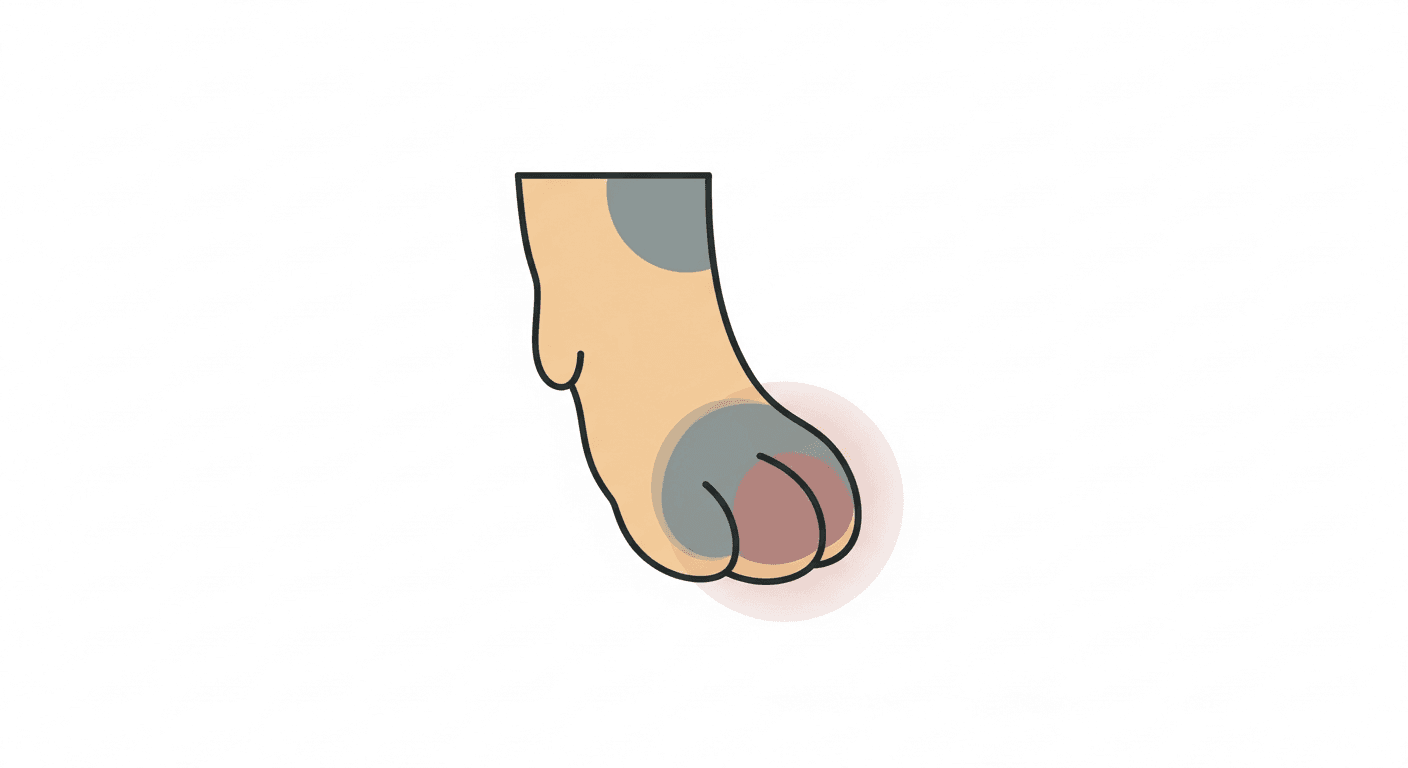
Dog Swollen Paw Causes and Care
Why your dog's paw is swollen — from infections and foreign bodies to allergies and fractures, with home care and vet guidance.
 🐕 Dog Health
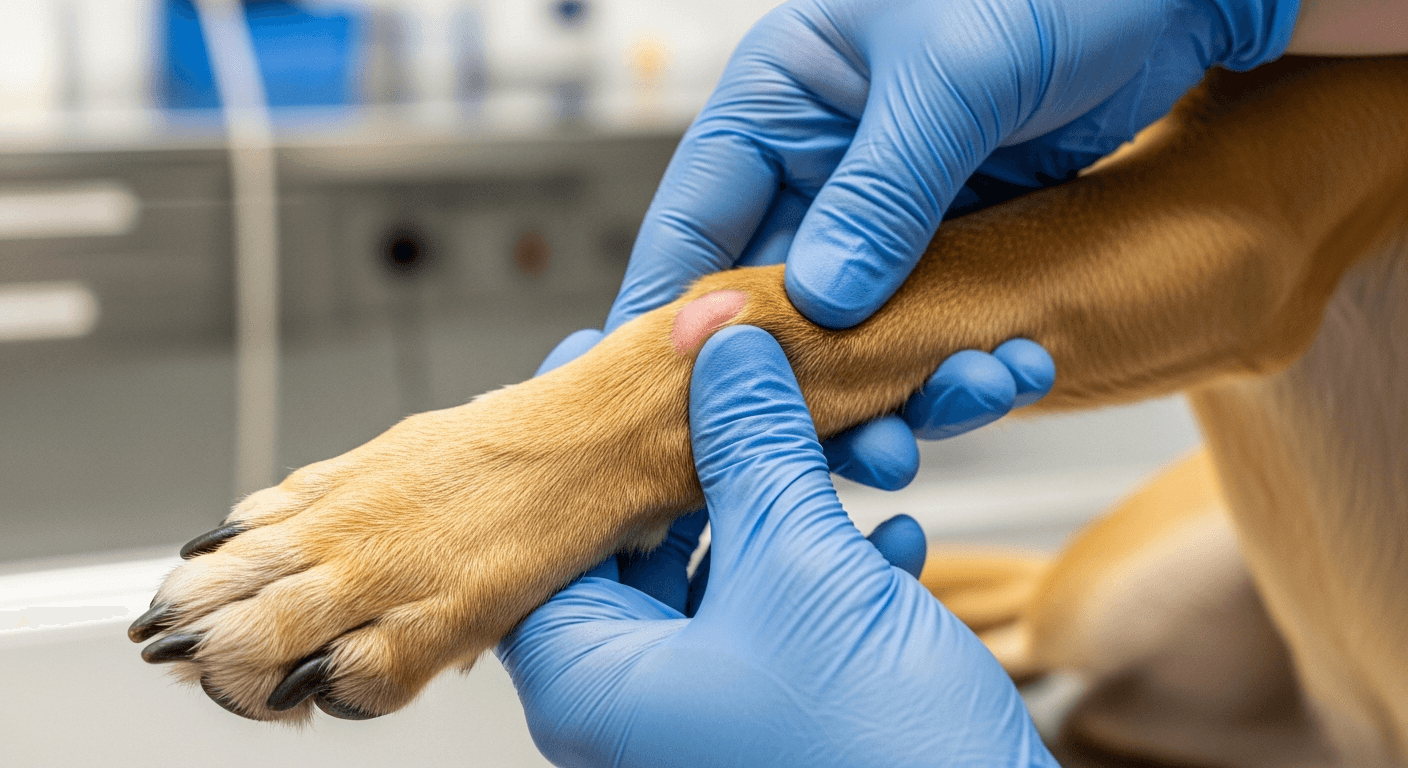
Dog Limping Suddenly: Causes and What to Do
Sudden limping in dogs — from paw injuries to joint problems. How to assess severity at home and when to go to the vet.
 🦴 Dog Care
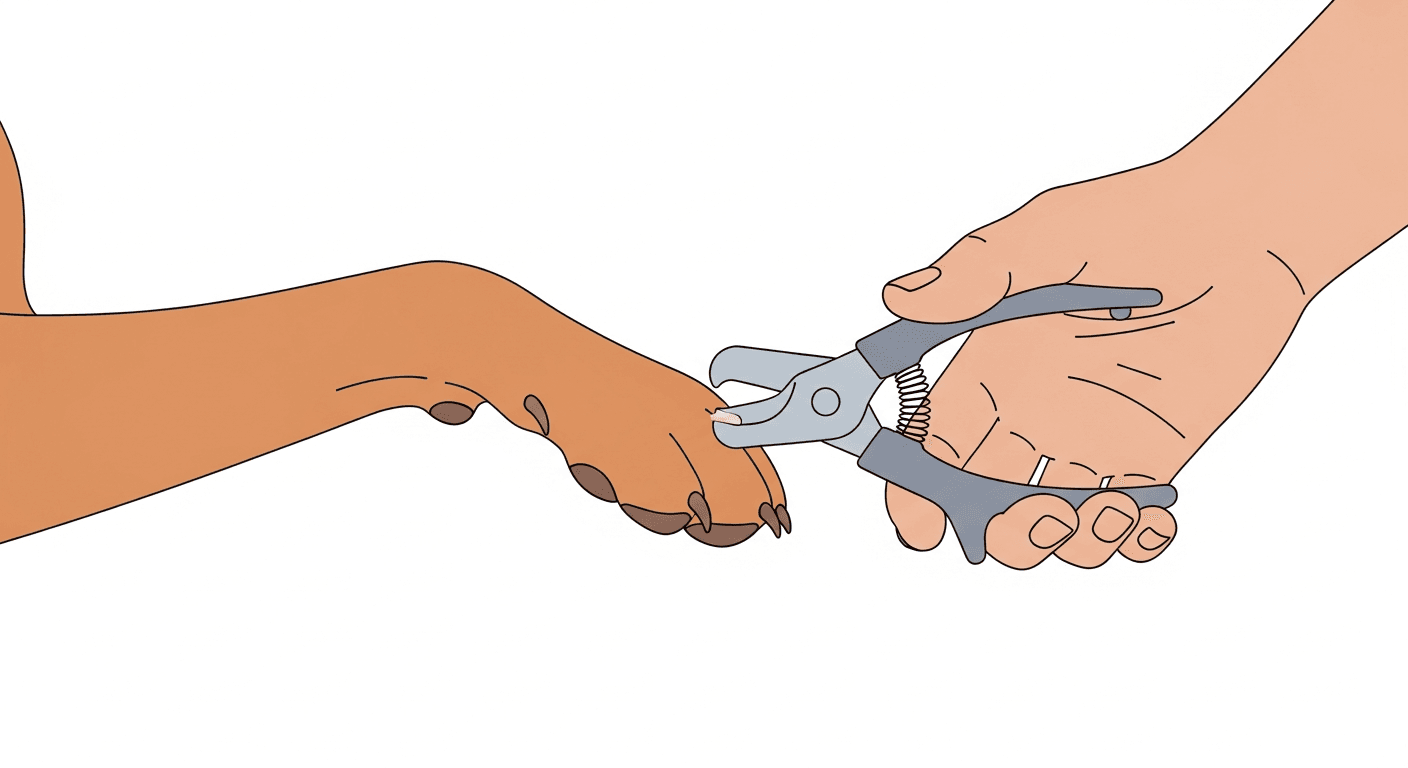
Dog Nail Trimming at Home Safely
A step-by-step guide to trimming your dog's nails at home without cutting the quick — with tips for anxious dogs and dew claws.
 🦴 Dog Care
Dog Wound Care at Home
How to clean and care for minor dog wounds at home, what signs mean infection is developing, and when a wound needs professional treatment.