
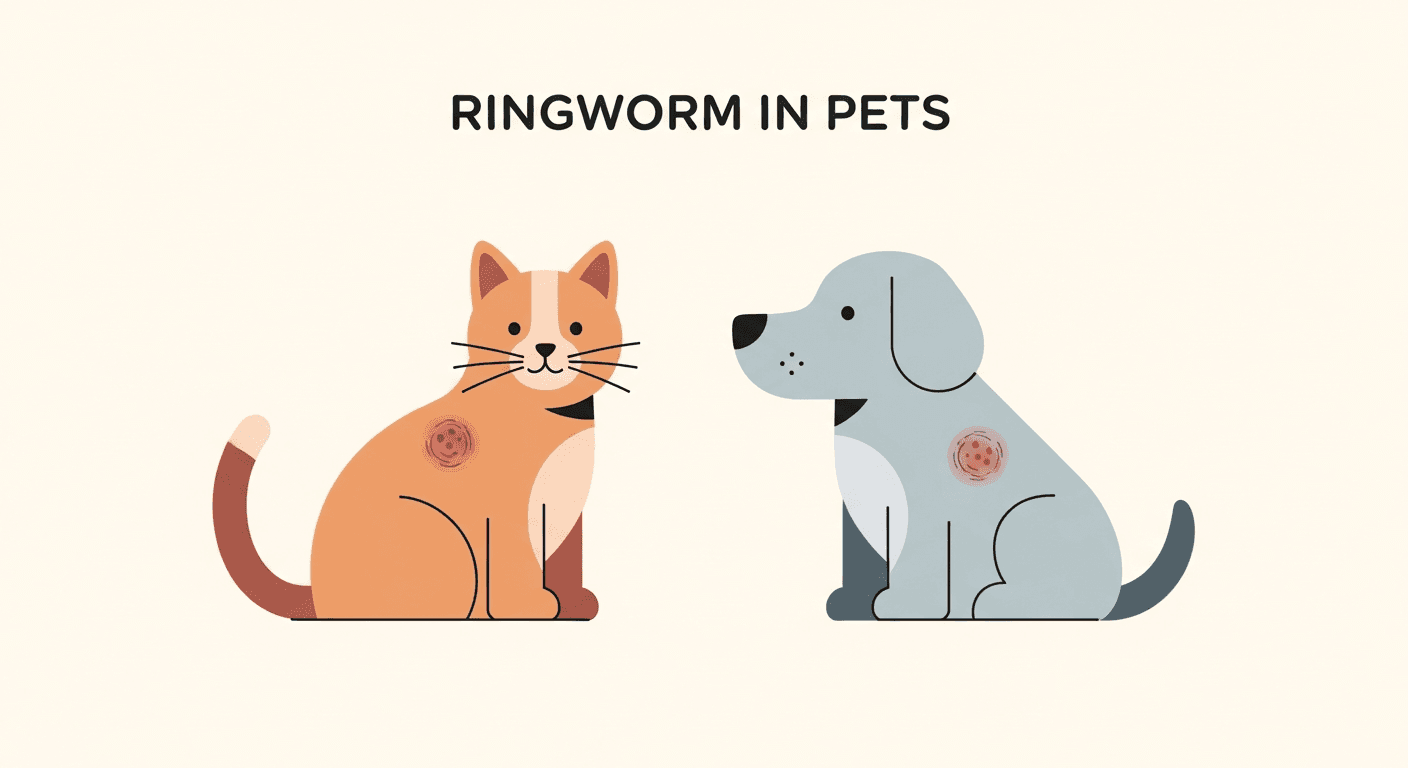
What Is Ringworm in Pets?
Despite its misleading name, ringworm has nothing to do with worms. It is a fungal infection of the skin, hair, and sometimes nails, caused by a group of fungi called dermatophytes. The most common dermatophytes affecting dogs and cats are Microsporum canis (especially in cats), Microsporum gypseum, and Trichophyton mentagrophytes. The name "ringworm" comes from the characteristic circular, ring-shaped lesion that the infection often creates on human skin — though in pets, the presentation is frequently different.
Ringworm is important for several reasons: it is highly contagious between animals, it is zoonotic (meaning it can spread to humans), and it is environmentally persistent — fungal spores can remain viable on surfaces and in the environment for up to 18 months. Treatment requires persistence and thoroughness, and inadequately treated cases can recur and spread.
Causes and Risk Factors
Ringworm spreads through:
- Direct contact with an infected animal or person
- Indirect contact with contaminated surfaces, bedding, grooming equipment, soil
- Environmental contamination — spores shed from infected animals persist in the environment
Animals most at risk:
- Young animals (kittens and puppies) — immature immune systems
- Immunocompromised animals — FeLV, FIV, Cushing's, long-term steroid use
- Longhaired cats — particularly Persians; M. canis hides easily in dense coat
- Animals from shelters or catteries where the fungus is endemic
- Malnourished or stressed animals
Warning Signs and Symptoms
Ringworm presentation varies considerably between species and individuals:
In cats:
- Patchy, irregular hair loss — often starting on the face, ears, and forelegs
- Scaly, crusty, or inflamed skin at the lesion sites
- Broken hair shafts at the margins of lesions
- Some cats are asymptomatic carriers — they harbor and spread the fungus without visible lesions
In dogs:
- Circular or irregular patches of hair loss
- Scaly, crusty, or red skin
- Itching is variable — can be mild or absent
- Kerion — a severely inflamed, boggy nodule (uncommon but possible, especially with M. gypseum)
In humans (household members):
- Circular red, scaly rings on skin — often very itchy
- Scalp infection (tinea capitis) — hair loss, scaling (especially in children)
- Nail infection — thickened, discolored nails
When to Go to the Vet Immediately
Ringworm rarely constitutes an immediate emergency, but prompt veterinary diagnosis is important because:
- Ringworm mimics many other skin conditions — accurate diagnosis prevents ineffective treatment
- Kerion (inflamed nodular form) can become severely infected
- Immunocompromised pets may develop severe, widespread infections
- Zoonotic transmission to children or immunocompromised family members is a public health concern
Schedule a vet visit soon — not an emergency, but don't delay more than a few days. Book at Book a vet appointment at Happy Paws, and assess the skin condition with the TailRounds AI Triage if you are unsure about urgency.
At-Home Care and Monitoring
Ringworm treatment requires both treating the animal and decontaminating the environment — simultaneously. This is key; doing one without the other leads to treatment failure:
Treating the pet:
- Antifungal topical treatments — lime sulfur dips, miconazole shampoos, clotrimazole — applied twice weekly
- Systemic antifungal medication — itraconazole or terbinafine for moderate to severe or widespread cases
- Clip the coat around lesions to improve topical treatment penetration and reduce spore load in the environment
- Treat all pets in the household simultaneously, even if asymptomatic
- Continue treatment until two consecutive negative fungal cultures are obtained
Environmental decontamination:
- Vacuum thoroughly and daily — dispose of the bag immediately
- Wash all bedding in hot water with dilute bleach (1:10 solution) weekly
- Wipe hard surfaces with dilute bleach or antifungal cleaner
- Replace fabric items that cannot be properly disinfected
Log treatment progress using the TailRounds Daily Log — photograph lesions weekly to objectively assess response.
Prevention and Long-Term Management
- Quarantine new animals and perform fungal cultures before introducing them to your household
- Avoid contact with stray or unknown cats and dogs
- Regular veterinary check-ups to maintain immune health
- Good nutrition and parasite control to support immune function
- Educate household members — especially children — about handwashing after pet contact
Treat Ringworm Thoroughly with TailRounds
Ringworm requires a complete, simultaneous attack on the infection in your pet and your home. Track treatment progress with the TailRounds Daily Log. Get a diagnosis and proper prescription antifungals at Book a vet appointment at Happy Paws, find additional support at Find a Clinic Near You, and use the TailRounds AI Triage for guidance on any new skin lesions you notice.
Continue Reading
 🩺 Diseases & Symptoms
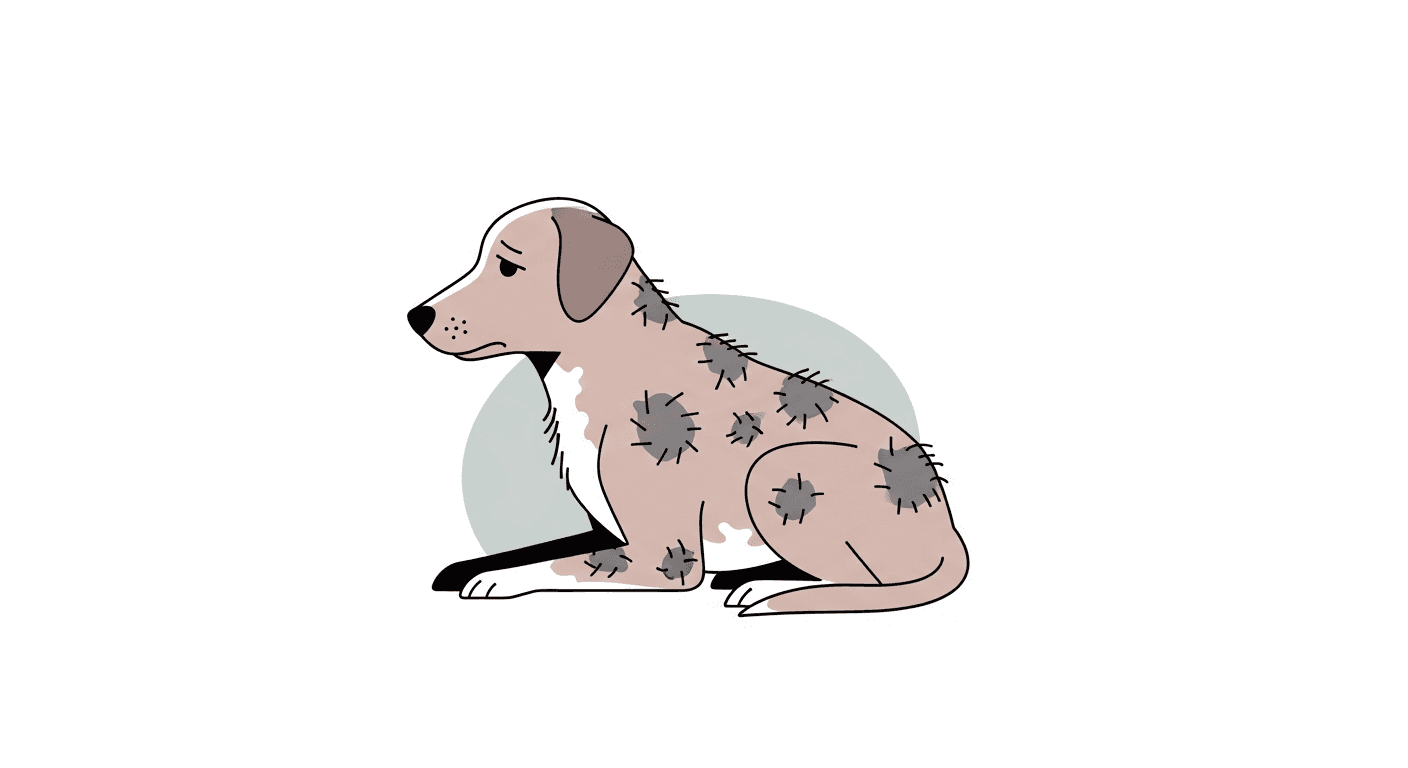
Mange in Dogs: Sarcoptic vs Demodectic — Symptoms and Treatment
Mange causes severe skin disease in dogs. Learn the difference between sarcoptic and demodectic mange, symptoms to watch for, and effective treatments.
 🩺 Diseases & Symptoms
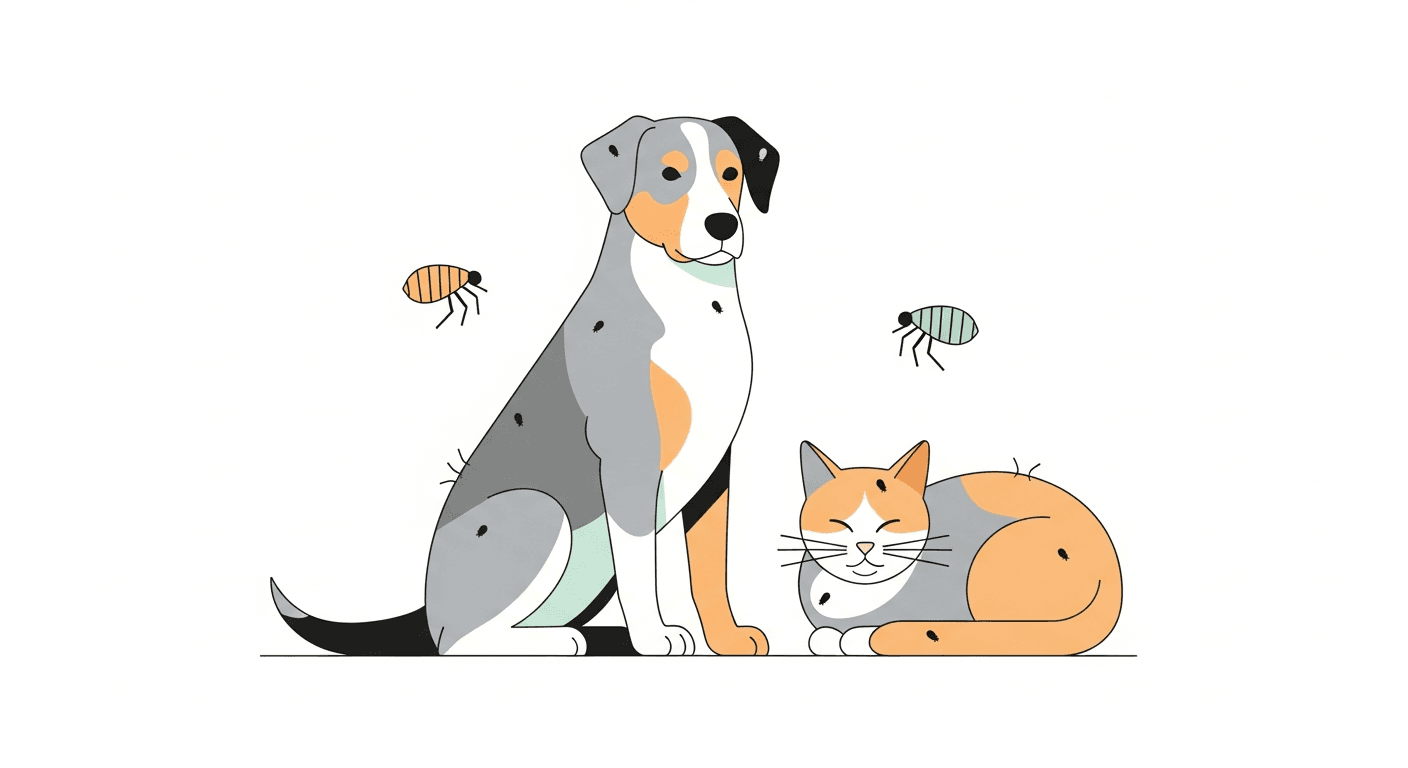
Flea Infestation in Dogs and Cats: Symptoms, Treatment, and Prevention
Fleas cause intense itching, anemia, and disease in pets. Learn how to identify an infestation, treat your pet and home effectively, and prevent future problems.
 🩺 Diseases & Symptoms
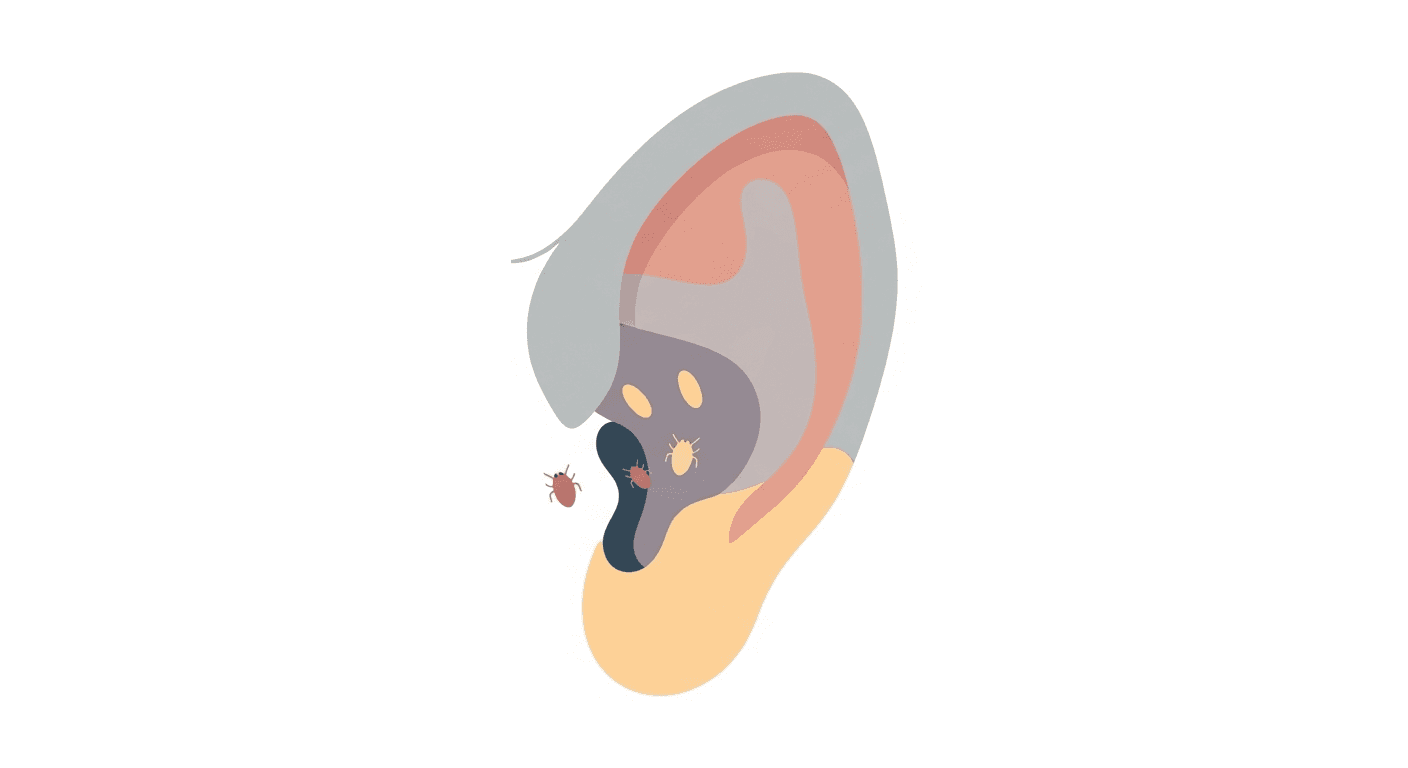
Ear Mites in Dogs and Cats: Symptoms, Treatment, and Prevention
Ear mites cause intense ear itching and dark discharge in pets. Learn to spot the signs, understand treatment options, and prevent reinfestation in multi-pet homes.
 🩺 Diseases & Symptoms
Allergies in Dogs and Cats: Types, Triggers, and Effective Management
Allergies cause chronic itching, skin problems, and digestive issues in pets. Learn to identify allergy types, understand testing and treatment options, and manage symptoms long-term.