

What Are Allergies in Pets?
An allergy is an exaggerated immune response to a substance that would not normally cause harm — called an allergen. When a dog or cat is allergic, their immune system misidentifies a harmless protein as a dangerous invader and launches a defense response. This inflammatory cascade is what causes the symptoms we see: itching, skin redness, ear infections, digestive problems, and respiratory signs. Allergies in pets are among the most frustrating conditions for owners and veterinarians alike — they are chronic, often overlapping in presentation, and require careful investigation to manage effectively.
Unlike humans who often develop respiratory allergy signs (sneezing, watery eyes), dogs and cats predominantly manifest allergies through the skin. This makes allergies a leading cause of chronic skin disease and ear infections in companion animals. Understanding the three main types of allergies helps guide diagnosis and management significantly.
Types of Allergies and Their Causes
1. Environmental allergies (atopic dermatitis):
- Caused by inhaled or contact allergens: pollens (grass, tree, weed), mold spores, house dust mites, dander
- Often seasonal initially, though can become year-round as additional allergens are added
- Strong genetic component — certain breeds are predisposed: Labrador Retrievers, Golden Retrievers, Bulldogs, West Highland White Terriers, Boxers, Pugs, Cocker Spaniels
2. Food allergies (cutaneous adverse food reactions):
- Caused by an immune response to a dietary protein — most commonly beef, chicken, dairy, egg, wheat, or soy in dogs; beef, fish, and chicken in cats
- Not the same as food intolerance — food allergy involves the immune system
- Not necessarily related to a new food — pets can develop allergies to proteins they have eaten for years
- Non-seasonal; symptoms persist year-round
3. Flea allergy dermatitis (FAD):
- An allergic reaction to flea saliva — even a single bite causes intense, widespread itching in sensitized animals
- The most common skin disease caused by an allergy in dogs and cats
- See the flea infestation article for detailed information on flea control
Warning Signs and Symptoms
Common allergy symptoms in dogs:
- Persistent, intense scratching, chewing, and licking — particularly the paws, face, ears, belly, and armpits
- Recurrent ear infections — one of the most consistent signs of underlying allergy
- Red, irritated skin (erythema) — especially in skin folds
- Hot spots (acute moist dermatitis) — rapidly developing areas of moist, infected skin
- Hair loss from self-trauma
- Skin darkening and thickening (lichenification) in chronic cases
- Vomiting or diarrhea (food allergy)
- Anal gland problems
Common allergy symptoms in cats:
- Miliary dermatitis — small, crusty bumps distributed across the back and neck (classic allergic sign in cats)
- Eosinophilic granuloma complex — lip ulcers, raised skin plaques, indolent ulcers
- Symmetrical hair loss from excessive grooming (psychogenic alopecia differential)
- Head and neck scratching
- Vomiting and diarrhea (food allergy)
- Recurrent ear infections
When to Go to the Vet Immediately
Allergies are chronic conditions that require scheduled appointments rather than emergencies. However, seek prompt care if:
- A hot spot is rapidly expanding or the pet is self-mutilating
- Signs of severe skin infection — swelling, pus, fever, significant pain
- Anaphylaxis (rare) — swelling of the face, hives, vomiting, collapse after a known allergen exposure
- Ear infection accompanied by significant pain, head tilt, or balance problems (possible middle ear involvement)
For chronic allergy management, schedule an appointment with your veterinarian or a veterinary dermatologist. Use the TailRounds AI Triage to assess sudden worsening of symptoms, and Book a vet appointment at Happy Paws to begin the diagnostic workup.
At-Home Care and Monitoring
Allergy management is multimodal — rarely does a single intervention control symptoms fully:
- Flea control — absolute and year-round in any allergic pet; FAD is the most common allergy and the most manageable
- Dietary elimination trial — required to diagnose food allergy; strictly feed a hydrolyzed protein or novel protein diet for 8–12 weeks with nothing else (no flavored medications, treats, or table scraps)
- Frequent bathing — removes environmental allergens from the skin; use a hypoallergenic or medicated shampoo as directed; 1–2 times weekly during flare seasons
- Foot soaks — soak paws after outdoor time to remove contact allergens
- Omega-3 fatty acid supplementation — supports skin barrier function
- Antihistamines — limited efficacy in pets, but may help some individuals
- Cytopoint (lokivetmab) — injectable monoclonal antibody for dogs; very effective; given monthly to quarterly
- Apoquel (oclacitinib) — oral daily medication for dogs; rapid itch relief
- Immunotherapy (allergy shots or drops) — the only disease-modifying treatment; desensitizes the immune system to specific allergens after allergy testing
Log itching severity, skin appearance, diet details, and any environmental changes daily using the TailRounds Daily Log. Detailed records are invaluable for identifying patterns and triggers.
Prevention and Long-Term Management
- Genetic screening and responsible breeding practices for predisposed breeds
- Maintain a healthy skin barrier from puppyhood — appropriate diet, regular bathing
- Year-round flea prevention for all pets in the household
- Reduce allergen exposure where possible — HEPA air filters for house dust mite allergy, wipe down after outdoor time
- Regular follow-up with your veterinarian or dermatologist — allergy management requires monitoring and adjustment over time
- Allergen-specific immunotherapy is the most impactful long-term intervention for environmental allergies
Manage Your Pet's Allergies with TailRounds
Tracking itch patterns, dietary changes, and environmental exposures over time is essential for identifying allergy triggers and measuring treatment response. Use the TailRounds Daily Log to build this record day by day. Schedule a full allergy workup at Book a vet appointment at Happy Paws. Find dermatology specialists near you through Find a Clinic Near You. And whenever a flare-up concerns you, the TailRounds AI Triage tool is ready to help you decide on the next step.
Continue Reading
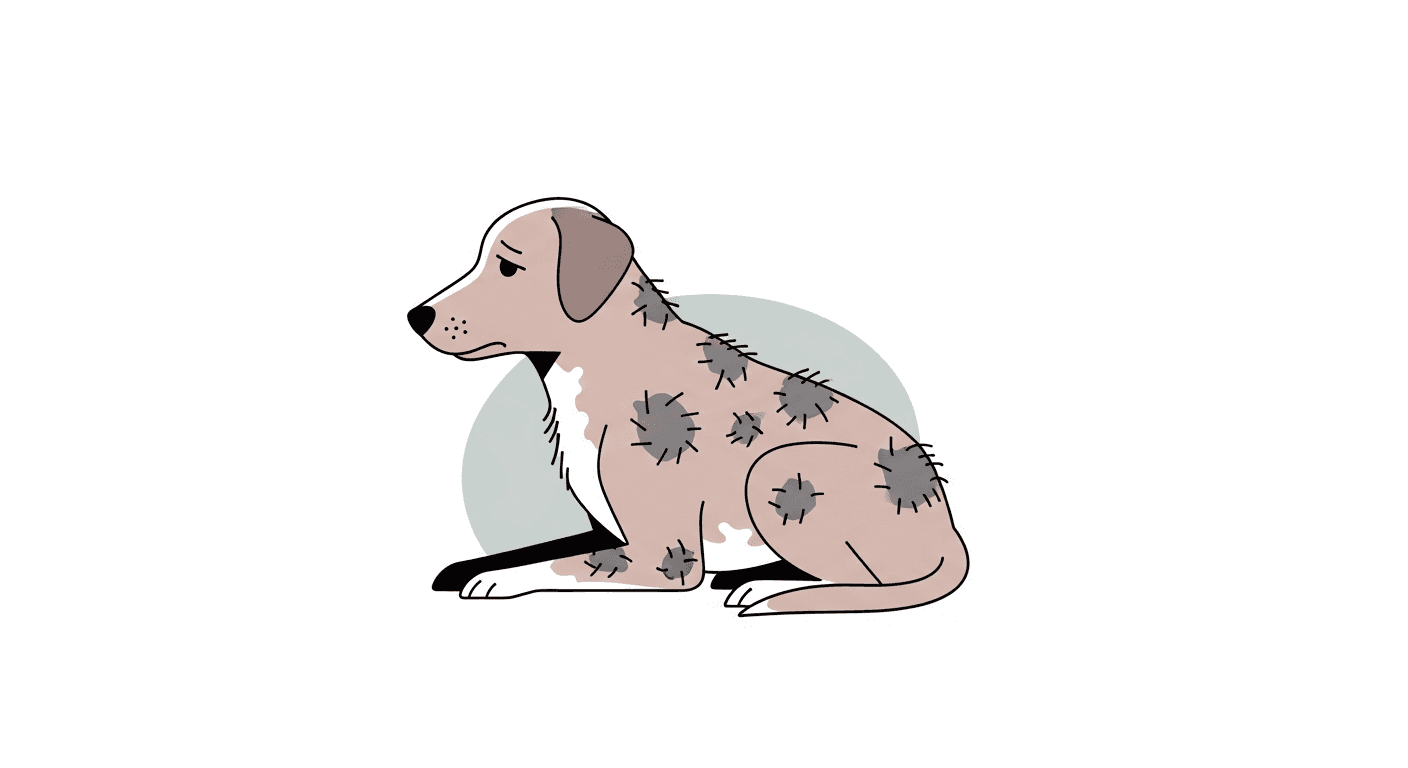 🩺 Diseases & Symptoms
Mange in Dogs: Sarcoptic vs Demodectic — Symptoms and Treatment
Mange causes severe skin disease in dogs. Learn the difference between sarcoptic and demodectic mange, symptoms to watch for, and effective treatments.
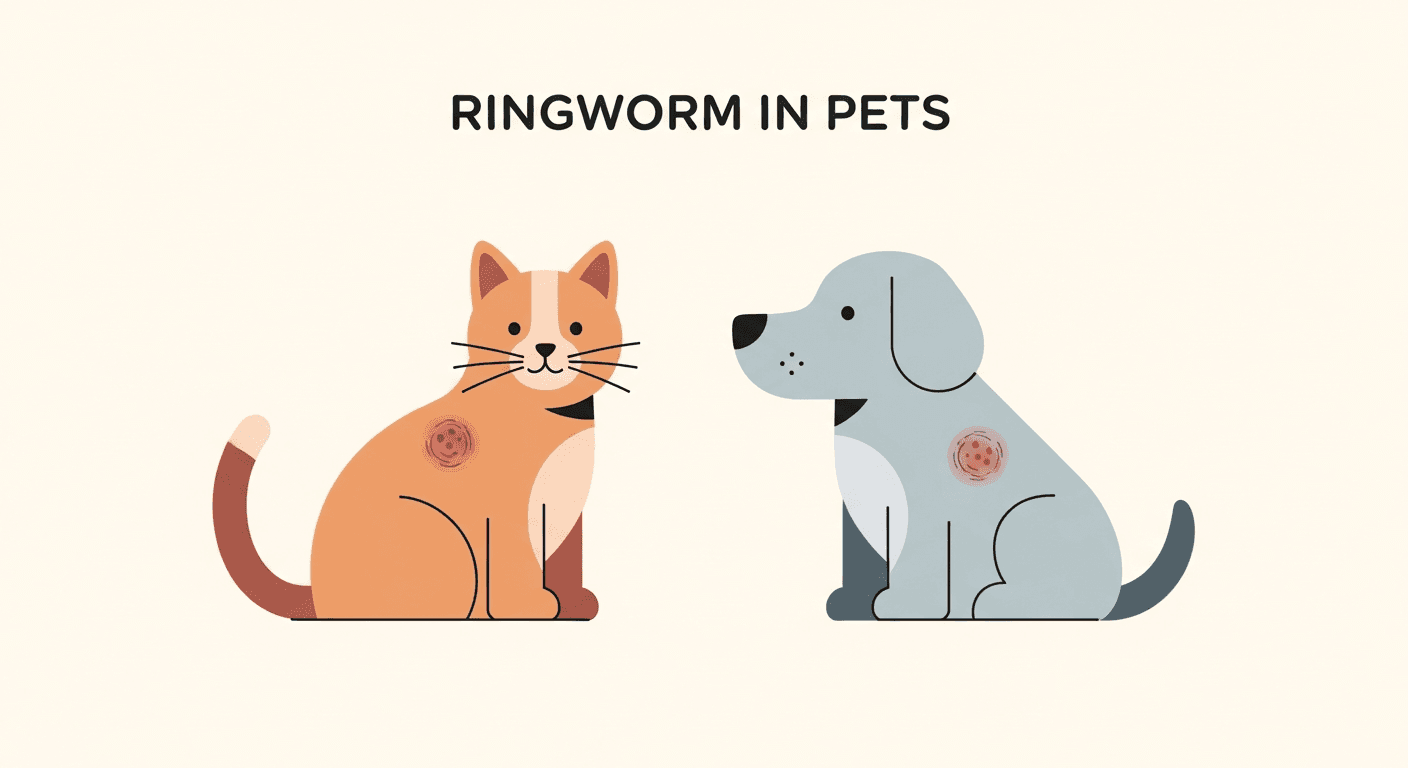 🩺 Diseases & Symptoms
Ringworm in Dogs and Cats: The Fungal Infection That Is Not Actually a Worm
Ringworm is a common and contagious fungal infection in pets and humans. Learn to identify it, treat it effectively, and prevent spread throughout your household.
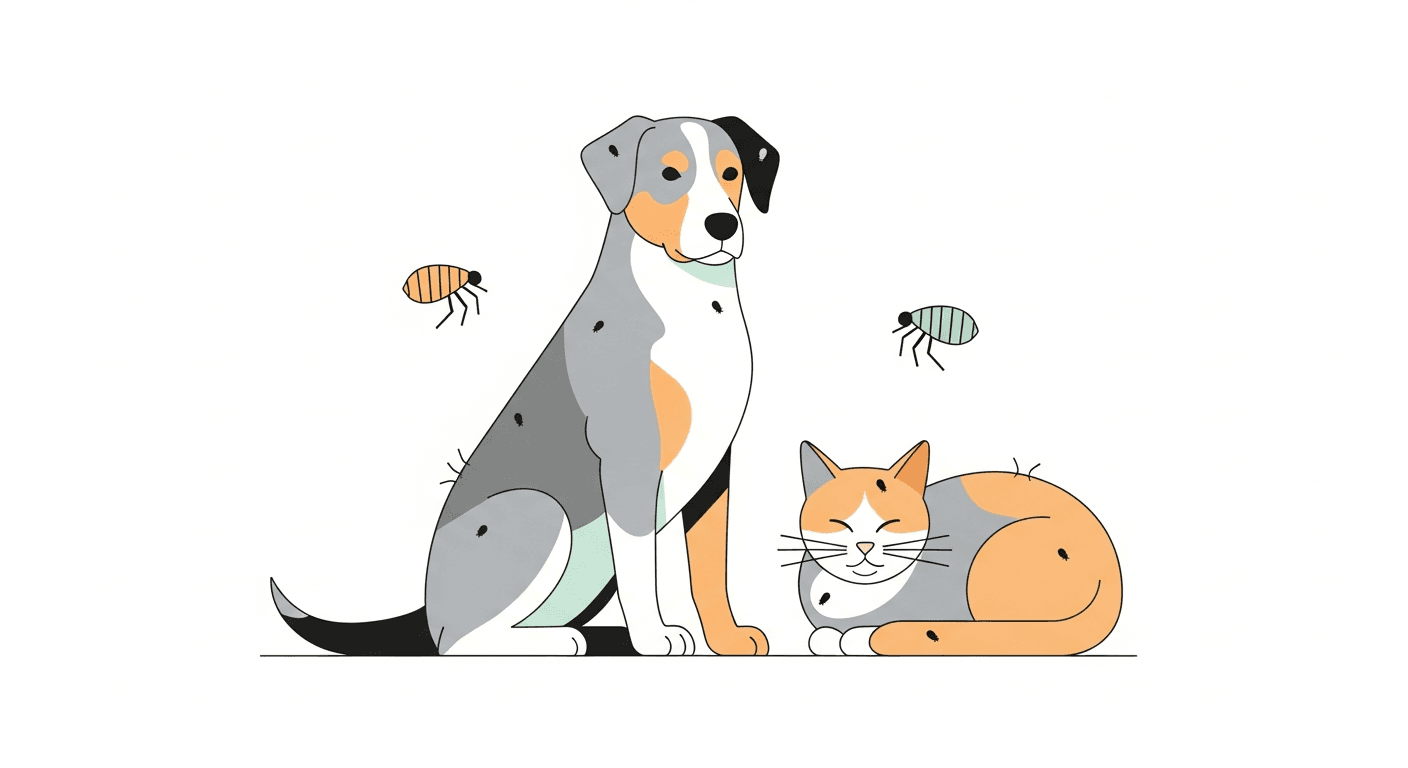 🩺 Diseases & Symptoms
Flea Infestation in Dogs and Cats: Symptoms, Treatment, and Prevention
Fleas cause intense itching, anemia, and disease in pets. Learn how to identify an infestation, treat your pet and home effectively, and prevent future problems.
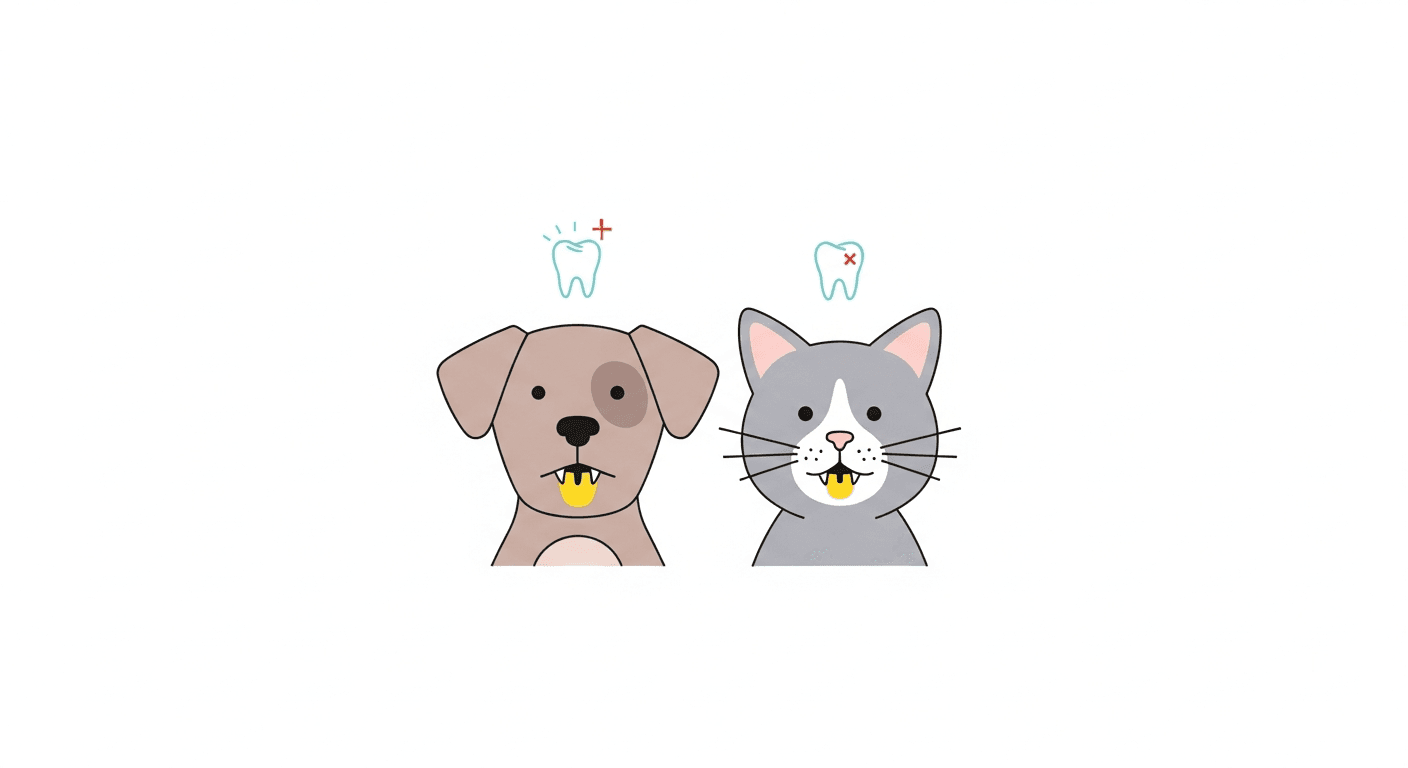 🩺 Diseases & Symptoms
Dental Disease in Dogs and Cats: The Silent Epidemic in Pet Health
Over 80% of pets over 3 years have dental disease. Learn how to recognize it, what happens without treatment, and how dental care at home and at the vet prevents pain.