
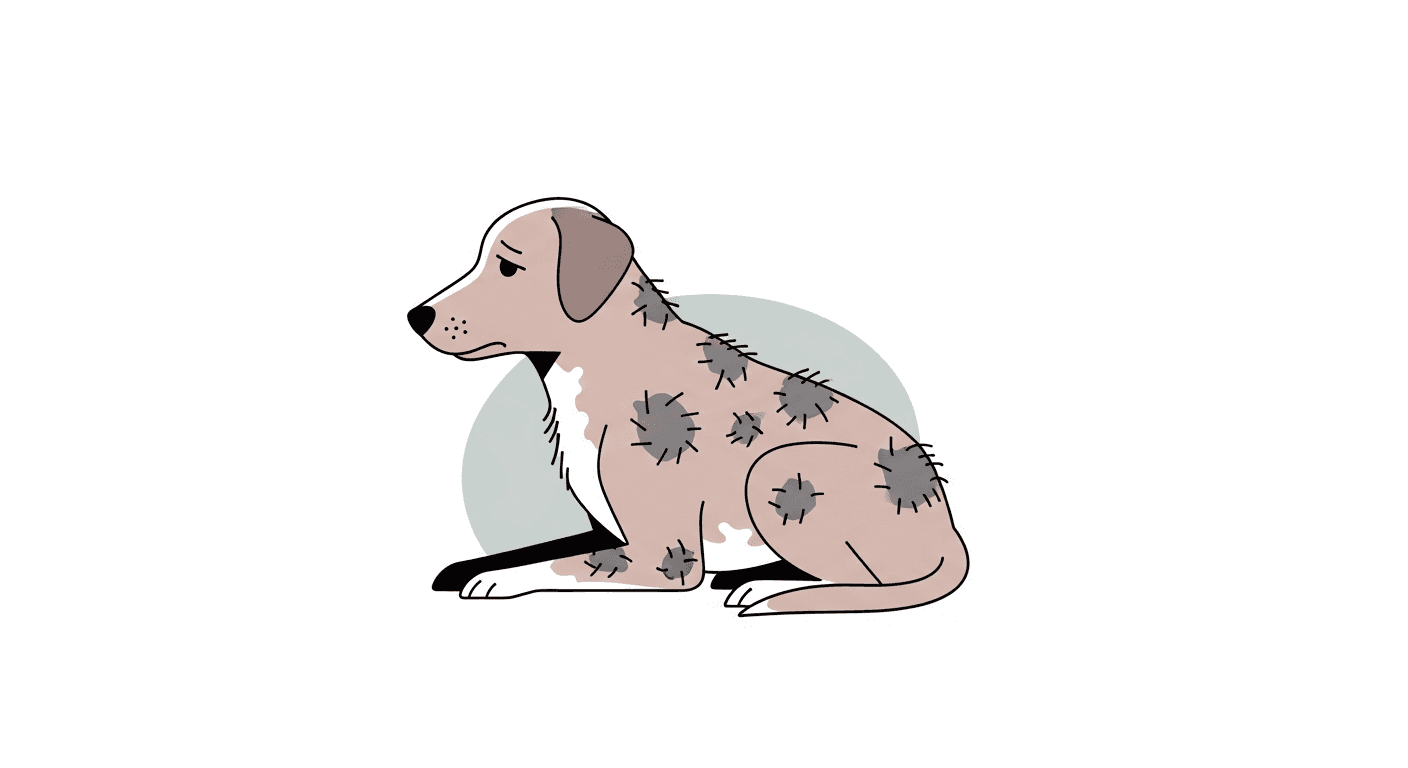
What Is Mange in Dogs?
Mange is a skin disease caused by microscopic mites that burrow into or inhabit the skin and hair follicles of dogs. It is one of the most common and intensely uncomfortable skin conditions in canines, causing significant distress if left untreated. There are two primary forms of mange in dogs: sarcoptic mange (caused by Sarcoptes scabiei var. canis) and demodectic mange (caused by Demodex canis). Though both result in skin problems, they differ in cause, contagiousness, and treatment approach.
Sarcoptic mange is highly contagious to other dogs and can temporarily affect humans (causing itchy red bumps). Demodectic mange is not contagious and is actually caused by a mite that naturally lives in small numbers in most dog's skin — it only becomes problematic when the immune system fails to control the mite population. Correct identification of the mange type is essential for effective treatment.
Causes and Risk Factors
Sarcoptic mange risk factors:
- Direct contact with an infected dog (dog parks, shelters, grooming facilities)
- Contact with contaminated bedding, grooming equipment, or kennels
- Wildlife contact — foxes are a major reservoir
- Weakened immune status
Demodectic mange risk factors:
- Puppy status — young dogs commonly have localized demodectic mange that resolves on its own
- Genetic predisposition — some breeds (Bulldogs, Great Danes, Shar-Peis, Staffies) are more susceptible
- Immune suppression from illness, malnutrition, stress, or corticosteroid use
- Generalized demodectic mange in adults often signals underlying systemic disease
Warning Signs and Symptoms
Sarcoptic mange symptoms:
- Intense, relentless itching — often worse than the visible skin lesions suggest
- Hair loss, typically starting at ears, elbows, hocks, and face
- Red, inflamed skin with small papules (pimple-like bumps)
- Thick, crusty scabs forming on skin edges
- Secondary skin infections from constant scratching
- Weight loss in chronic cases due to energy spent on itching
Demodectic mange symptoms:
- Patchy hair loss, often around the face, eyes, and legs (localized form)
- Skin may appear red, scaly, or thickened
- Generalized form: widespread hair loss, skin infections, foul odor, swollen lymph nodes
- Itching is less severe than sarcoptic mange, though secondary infections cause discomfort
When to Go to the Vet Immediately
Mange requires veterinary diagnosis — a skin scraping is needed to identify the mite type under a microscope. Seek prompt care if your dog shows:
- Rapidly spreading hair loss
- Self-traumatizing scratching that breaks the skin
- Signs of secondary skin infection: swelling, discharge, bad odor, fever
- Generalized mange affecting most of the body
- Any mange in a very young puppy, senior dog, or immunocompromised dog
Delay in treatment allows secondary infections and skin thickening that become increasingly difficult to reverse. Use the TailRounds AI Triage if you are unsure about urgency.
At-Home Care and Monitoring
Mange treatment is primarily veterinary, but home care plays a vital supporting role:
- Follow the prescribed treatment protocol exactly — medicated shampoos, topical treatments, or oral medications as directed
- Wash all bedding and soft furnishings in hot water weekly
- Isolate the affected dog from other pets, especially if sarcoptic mange is diagnosed
- Prevent licking or scratching at treatment sites — use an Elizabethan collar if needed
- Maintain good nutrition to support immune function and skin healing
- Attend all follow-up skin scraping appointments — treatment continues until two consecutive negative scrapes
Document the progression of skin healing with photos and daily notes in the TailRounds Daily Log.
Prevention and Long-Term Management
Sarcoptic mange prevention centers on avoiding contact with infected animals and maintaining parasite prevention. For demodectic mange, supporting the immune system is key:
- Keep up with regular veterinary wellness checks to catch immune-suppressing conditions early
- Feed a nutritionally complete, high-quality diet
- Use year-round broad-spectrum parasite preventatives that include mite coverage
- Avoid unnecessary use of immune-suppressing medications like corticosteroids
- Responsible breeding practices — breeding dogs with a history of generalized demodectic mange is generally not recommended
Healthy Skin Starts with Consistent Monitoring
Skin problems rarely improve without intervention. If you notice suspicious hair loss or scratching, Book a vet appointment at Happy Paws for a skin scraping and proper diagnosis. Track your dog's skin condition daily using the TailRounds Daily Log. For clinics near you, visit Find a Clinic Near You. And for immediate guidance on skin symptoms, the TailRounds AI Triage tool can help you decide how urgently your dog needs to be seen.
Continue Reading
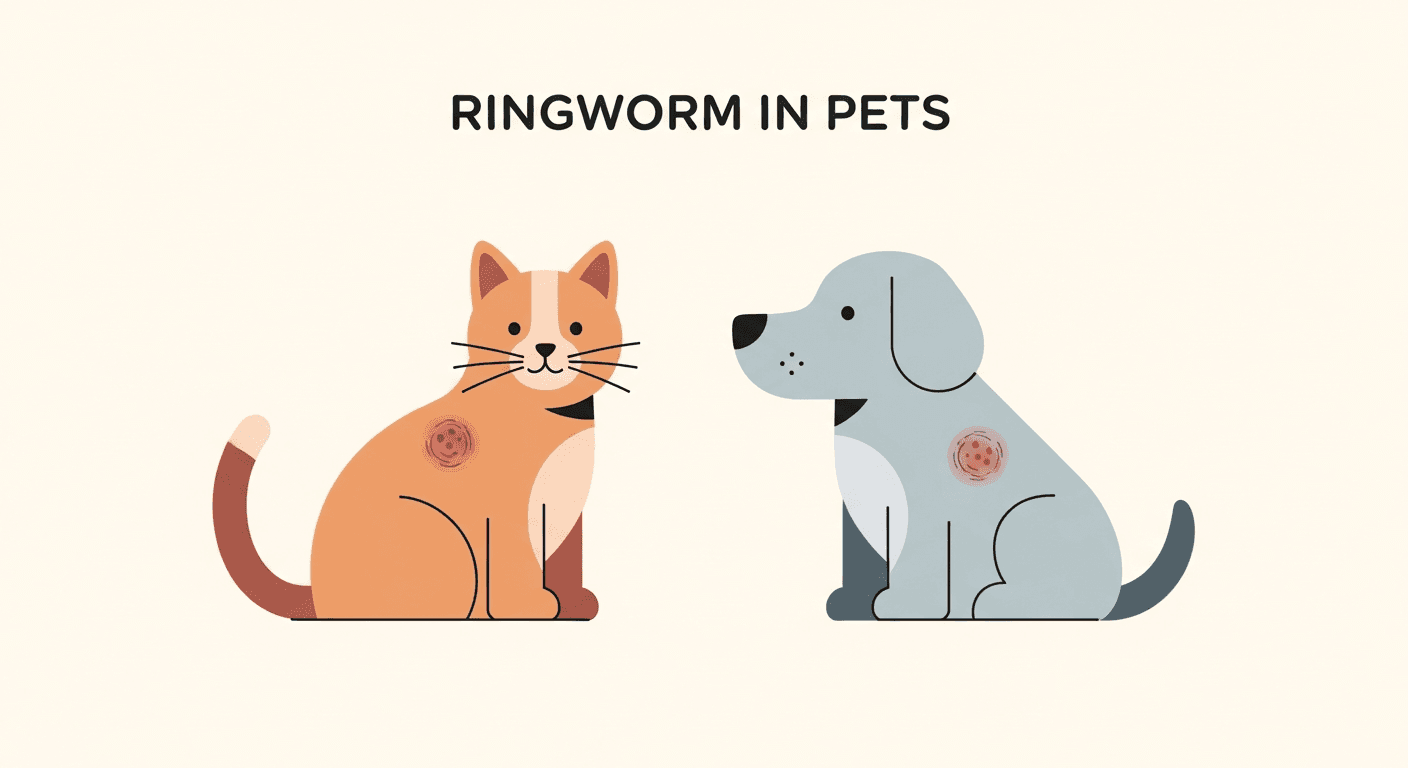 🩺 Diseases & Symptoms
Ringworm in Dogs and Cats: The Fungal Infection That Is Not Actually a Worm
Ringworm is a common and contagious fungal infection in pets and humans. Learn to identify it, treat it effectively, and prevent spread throughout your household.
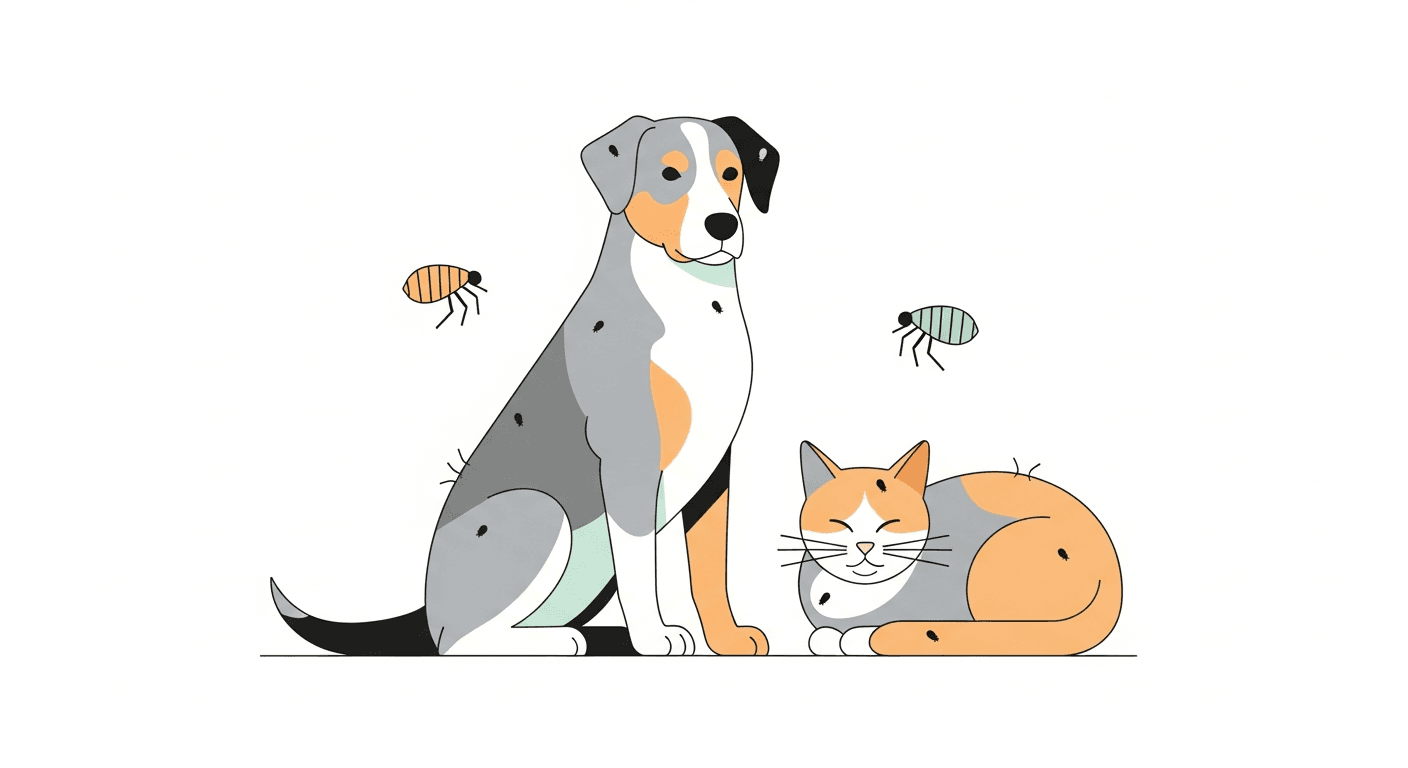 🩺 Diseases & Symptoms
Flea Infestation in Dogs and Cats: Symptoms, Treatment, and Prevention
Fleas cause intense itching, anemia, and disease in pets. Learn how to identify an infestation, treat your pet and home effectively, and prevent future problems.
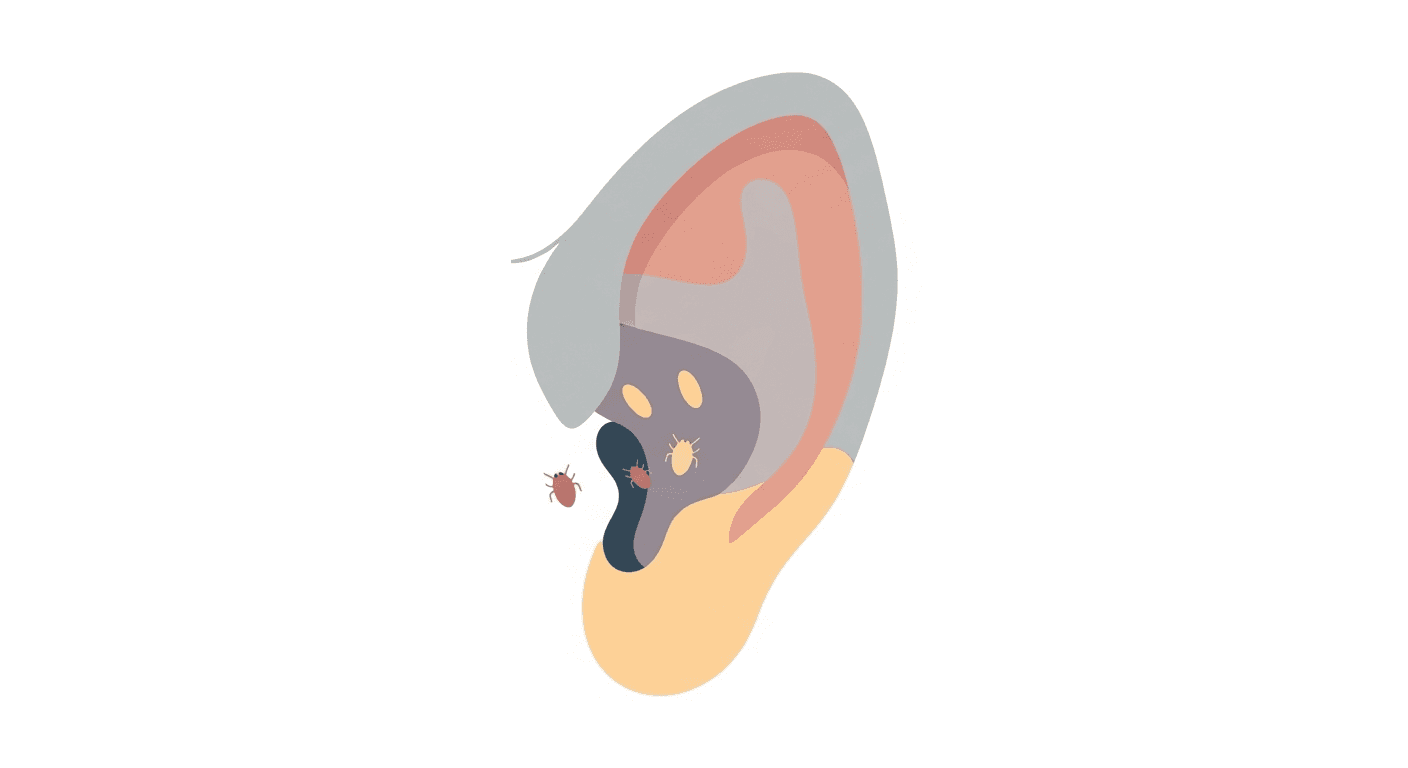 🩺 Diseases & Symptoms
Ear Mites in Dogs and Cats: Symptoms, Treatment, and Prevention
Ear mites cause intense ear itching and dark discharge in pets. Learn to spot the signs, understand treatment options, and prevent reinfestation in multi-pet homes.
 🩺 Diseases & Symptoms
Allergies in Dogs and Cats: Types, Triggers, and Effective Management
Allergies cause chronic itching, skin problems, and digestive issues in pets. Learn to identify allergy types, understand testing and treatment options, and manage symptoms long-term.