
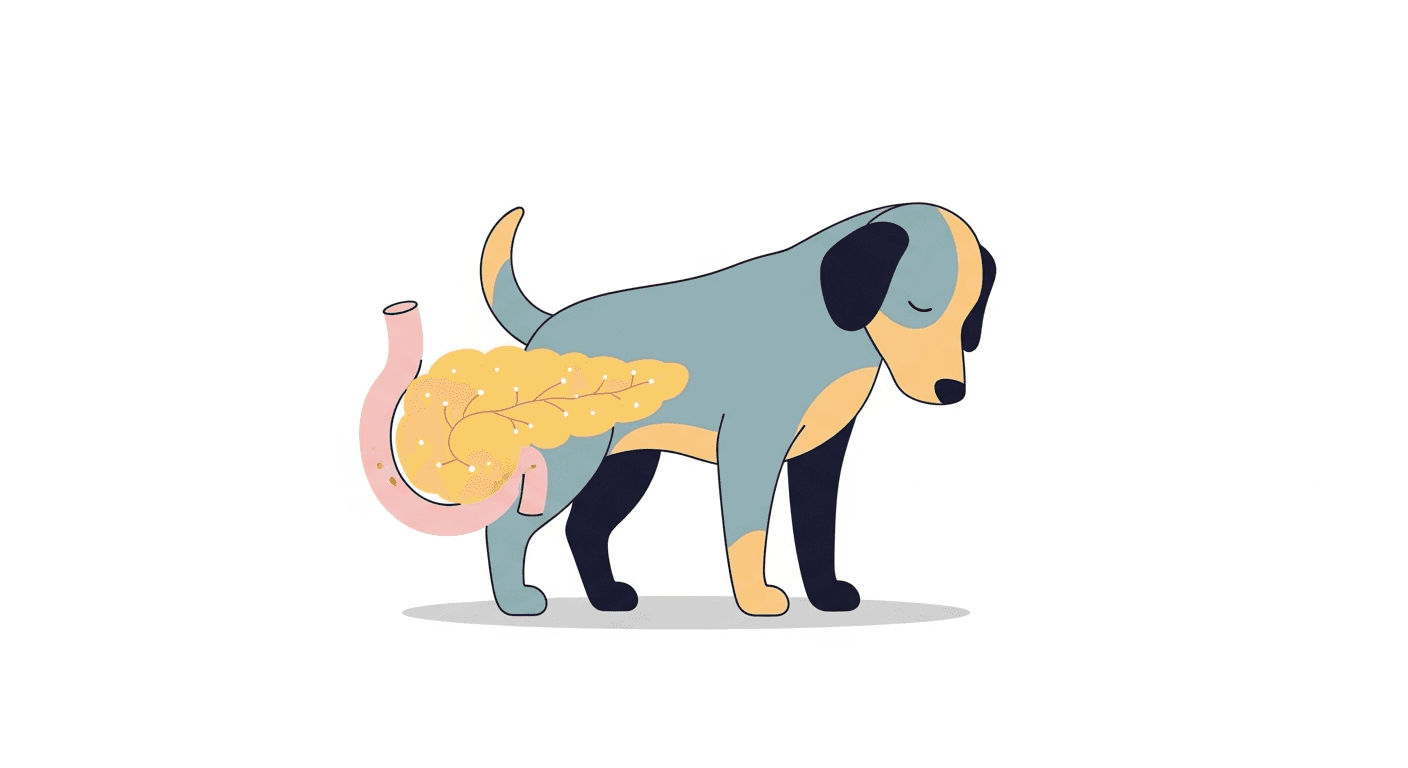
What Is Pancreatitis in Dogs?
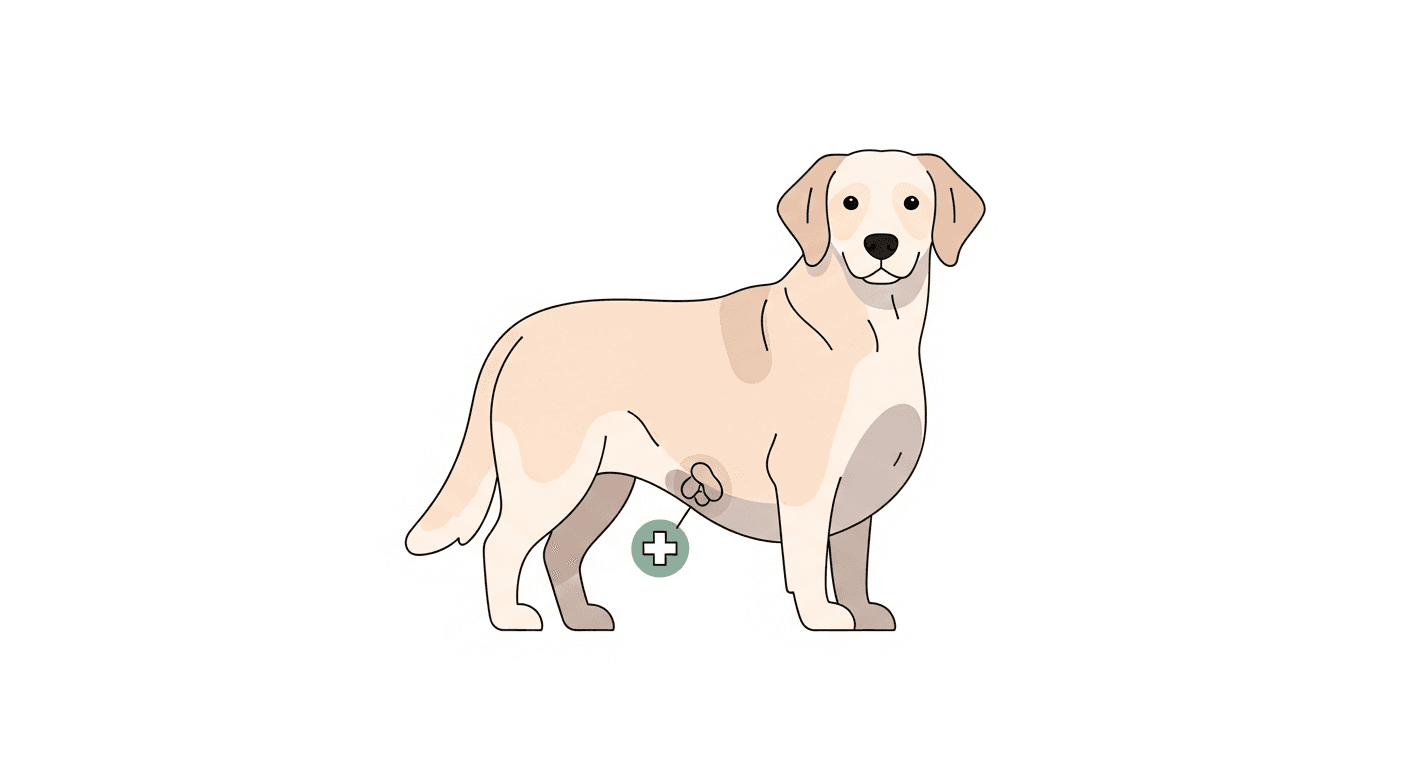
Pancreatitis is the inflammation of the pancreas — the organ responsible for producing digestive enzymes and hormones like insulin. In a healthy dog, digestive enzymes remain inactive until they reach the small intestine. In pancreatitis, these powerful enzymes activate prematurely within the pancreas itself, causing the organ to essentially begin digesting its own tissue. This process triggers intense inflammation and can damage surrounding organs including the liver, kidneys, and intestines.
Pancreatitis in dogs exists on a spectrum from mild and acute to severe and chronic. Acute pancreatitis can be life-threatening, especially in severe cases with systemic complications. Chronic pancreatitis involves repeated episodes of mild-to-moderate inflammation that gradually damage the pancreas over time. Both forms require veterinary management and dietary control.
Causes and Risk Factors
The exact cause of pancreatitis is often unknown (idiopathic), but several well-established triggers and risk factors exist:
- High-fat diet or dietary indiscretion — the most common trigger; eating fatty table scraps, garbage, or a single high-fat meal
- Obesity — overweight dogs have significantly higher risk
- Breed predisposition — Miniature Schnauzers, Yorkshire Terriers, Cocker Spaniels, Poodles, and Cavalier King Charles Spaniels are at higher risk
- Middle-aged and older dogs — risk increases with age
- Medications — certain drugs including corticosteroids, sulfonamide antibiotics, and some diuretics
- Hypothyroidism and hypercalcemia
- Trauma to the abdomen
- Pre-existing conditions — diabetes mellitus and Cushing's disease increase risk
Warning Signs and Symptoms
Symptoms of pancreatitis range from subtle in mild cases to dramatic in severe ones:
- Vomiting — often repetitive and projectile
- Abdominal pain — dog may adopt a "prayer position" with front legs down and rear elevated
- Diarrhea, which may be watery or greasy
- Loss of appetite or complete food refusal
- Lethargy and weakness
- Fever (or low body temperature in severe cases)
- Dehydration
- Abdominal bloating or distension
- Jaundice (yellowish tinge to skin, gums, or eyes) in severe cases
When to Go to the Vet Immediately
Pancreatitis can deteriorate rapidly. Seek immediate veterinary care if your dog shows:
- Repeated vomiting that does not stop
- Clear signs of abdominal pain — hunching, guarding the belly, crying when touched
- Complete collapse or inability to stand
- Jaundice (yellow-tinged eyes or gums)
- Signs of severe dehydration
- Any acute symptoms after eating a high-fat meal
Severe pancreatitis can cause multi-organ failure. The TailRounds AI Triage can help assess urgency, but abdominal pain with vomiting in a dog warrants same-day veterinary evaluation at minimum.
At-Home Care and Monitoring
Hospitalization with IV fluids, anti-nausea medication, and pain management is typically required for moderate to severe cases. Once home, strict dietary management is the cornerstone of recovery:
- Dietary fat restriction — transition to a low-fat, easily digestible diet prescribed by your vet
- Small, frequent meals — feeding three to four small portions rather than one or two large ones reduces pancreatic stimulation
- No table scraps, fatty treats, or garbage — enforce this strictly and educate all family members
- Gradual reintroduction of food — start with tiny amounts after vomiting stops
- Fresh water at all times
- Rest — limit activity during recovery
Monitor stool consistency, vomiting frequency, and appetite using the TailRounds Daily Log during and after recovery.
Prevention and Long-Term Management
Dogs who have had pancreatitis are at high risk of recurrence. Long-term prevention requires:
- Permanent switch to a low-fat prescription diet if recommended by the vet
- Strict elimination of high-fat treats and human food
- Weight management — maintain a healthy body condition score
- Regular bloodwork to monitor pancreatic enzyme levels (lipase, amylase)
- Caution with medications known to trigger pancreatitis — always inform your vet of pancreatitis history
- Annual or biannual wellness exams to catch early signs
Manage Your Dog's Pancreatic Health with TailRounds
Dietary discipline is the most powerful tool against recurrent pancreatitis. Use the TailRounds Daily Log to track meals, stool quality, and energy levels daily. If you notice vomiting or abdominal pain, Book a vet appointment at Happy Paws promptly. Find a Clinic Near You for local dietary counseling, and use the TailRounds AI Triage tool whenever you need immediate guidance on your dog's symptoms.
Continue Reading
 🩺 Diseases & Symptoms
Bloat (GDV) in Dogs: A Life-Threatening Emergency Every Owner Must Know
Gastric dilatation-volvulus (GDV) kills within hours. Learn the warning signs, which breeds are at risk, and what to do in this life-threatening emergency.
 🩺 Diseases & Symptoms
Diabetes in Dogs: Signs, Insulin Management, and Daily Care
Diabetes in dogs requires lifelong management but is very livable with the right approach. Learn the signs, how insulin works, and what daily care looks like.
 🩺 Diseases & Symptoms
Obesity in Dogs and Cats: The Most Preventable Disease in Pets
Over 50% of pets are overweight. Learn how obesity affects your pet's health, how to assess body condition score, and practical strategies to achieve and maintain a healthy weight.
 🩺 Diseases & Symptoms
Cushing's Disease in Dogs: Symptoms, Diagnosis, and Treatment
Cushing's disease causes excess cortisol in dogs. Recognize the symptoms, understand diagnosis options, and learn how to manage this chronic but treatable condition.