
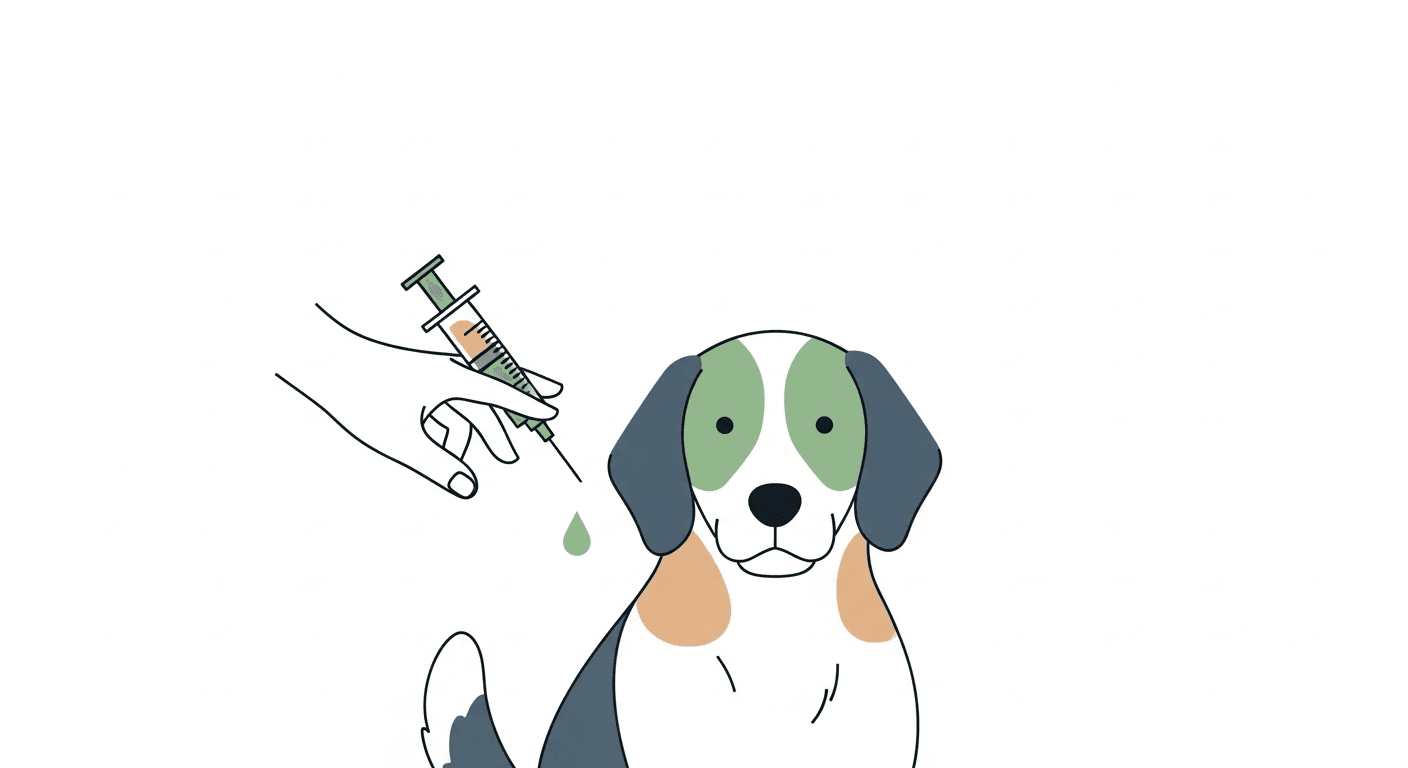
What Is Diabetes in Dogs?
Diabetes mellitus in dogs is a chronic metabolic disease characterized by the body's inability to regulate blood sugar (glucose) properly. In a healthy dog, the pancreas produces insulin — a hormone that allows cells to absorb glucose from the bloodstream for energy. In diabetic dogs, either the pancreas does not produce enough insulin (Type 1, insulin-dependent, most common in dogs) or the body's cells fail to respond properly to insulin (Type 2, much less common in dogs than in cats).
Without adequate insulin, glucose accumulates in the bloodstream (hyperglycemia) while cells are starved of energy. The body compensates by breaking down fat and muscle, leading to weight loss despite an increased appetite. The kidneys cannot reabsorb the excess glucose, so it spills into the urine, drawing large amounts of water with it — resulting in the classic signs of increased urination and excessive thirst. Diabetes is a manageable condition, but it requires daily commitment, particularly to insulin injections and consistent feeding schedules.
Causes and Risk Factors
Multiple factors contribute to canine diabetes:
- Obesity — the strongest modifiable risk factor; excess fat creates insulin resistance
- Sex — unspayed female dogs are at significantly higher risk due to progesterone's anti-insulin effects
- Breed predisposition — Samoyeds, Australian Terriers, Miniature Schnauzers, Bichon Frises, Pugs, Toy Poodles, and Keeshonds have higher incidence
- Age — most commonly diagnosed in middle-aged to older dogs (7–9 years)
- Chronic pancreatitis — damages insulin-producing cells over time
- Cushing's disease — excess cortisol impairs insulin function
- Long-term steroid use
- Certain viral infections
Warning Signs and Symptoms
The classic signs of diabetes in dogs are recognizable and should not be ignored:
- PU/PD — polyuria (excessive urination) and polydipsia (excessive thirst) — often the first signs owners notice
- Increased appetite despite weight loss
- Lethargy and reduced activity
- Cloudy eyes — cataracts develop rapidly in diabetic dogs and can cause blindness
- Urinary tract infections — recurrent and difficult to resolve
- Poor coat quality and slow wound healing
- Vomiting and loss of appetite (in diabetic ketoacidosis — a medical emergency)
- Sweet or fruity smelling breath (ketones)
When to Go to the Vet Immediately
Diabetic dogs require urgent care in these situations:
- Suspected diabetic ketoacidosis (DKA) — vomiting, lethargy, sweet breath, rapid breathing — this is life-threatening
- Hypoglycemia (low blood sugar) — trembling, weakness, seizures, loss of consciousness after insulin administration
- Any acute behavioral changes, collapse, or disorientation
- Signs of severe infection or fever
- New diagnosis with the above classic signs — begin working up with your vet immediately
Use the TailRounds AI Triage to assess acute episodes, and keep your vet's emergency number readily available once your dog is diagnosed with diabetes.
At-Home Care and Monitoring
Managing a diabetic dog at home requires structure and consistency. Daily tasks typically include:
- Insulin injections — given once or twice daily at the same times, with the same amount of food, every day
- Consistent feeding — same food, same amount, same time every day; irregular eating disrupts glucose control
- Blood glucose monitoring — home glucometers designed for pets allow owners to check glucose between vet visits; continuous glucose monitors (CGMs) adapted for dogs are becoming more available
- Urine glucose strips — a simpler home monitoring option, though less precise
- Daily weight check — unexplained weight changes indicate poor control
- Eye monitoring — cataracts are common; ophthalmology referral when cataracts are detected
- Water and urine output tracking
The TailRounds Daily Log is an excellent tool for recording daily glucose readings, insulin doses, food intake, and energy levels — creating a detailed history your vet can use to fine-tune management.
Prevention and Long-Term Management
Type 1 diabetes in dogs (the most common form) is not fully preventable, but reducing risk factors helps:
- Spay female dogs — eliminates progesterone-driven insulin resistance
- Maintain healthy body weight throughout life
- Feed a high-fiber, complex carbohydrate diet to moderate blood glucose spikes
- Regular wellness exams to catch rising blood glucose early
- Manage pancreatitis and Cushing's disease aggressively if present
Once diagnosed, diabetic dogs can live happy, comfortable lives for years with the right management. Regular veterinary glucose curves and HbA1c-equivalent testing ensure insulin doses stay appropriate as the dog's needs change.
Manage Your Diabetic Dog with Confidence
Daily logging is the backbone of good diabetic management. Use the TailRounds Daily Log to keep a precise record of glucose readings, insulin doses, and food intake. Schedule regular glucose curve appointments by booking at Book a vet appointment at Happy Paws. Find a Clinic Near You for local diabetic management support, and remember that the TailRounds AI Triage is available for urgent symptom assessment anytime.
Continue Reading
 🩺 Diseases & Symptoms
Cushing's Disease in Dogs: Symptoms, Diagnosis, and Treatment
Cushing's disease causes excess cortisol in dogs. Recognize the symptoms, understand diagnosis options, and learn how to manage this chronic but treatable condition.
 🩺 Diseases & Symptoms
Obesity in Dogs and Cats: The Most Preventable Disease in Pets
Over 50% of pets are overweight. Learn how obesity affects your pet's health, how to assess body condition score, and practical strategies to achieve and maintain a healthy weight.
 🩺 Diseases & Symptoms
Pancreatitis in Dogs: Causes, Symptoms, and Dietary Management
Pancreatitis can be life-threatening in dogs. Learn what triggers it, how to recognize the signs, and how diet and care can prevent recurrence.
 🩺 Diseases & Symptoms
Diabetes in Cats: Symptoms, Insulin, and the Path to Remission
Feline diabetes is unique — many cats can achieve remission with proper management. Learn the signs, treatment options, and how diet and insulin work together for cats.