
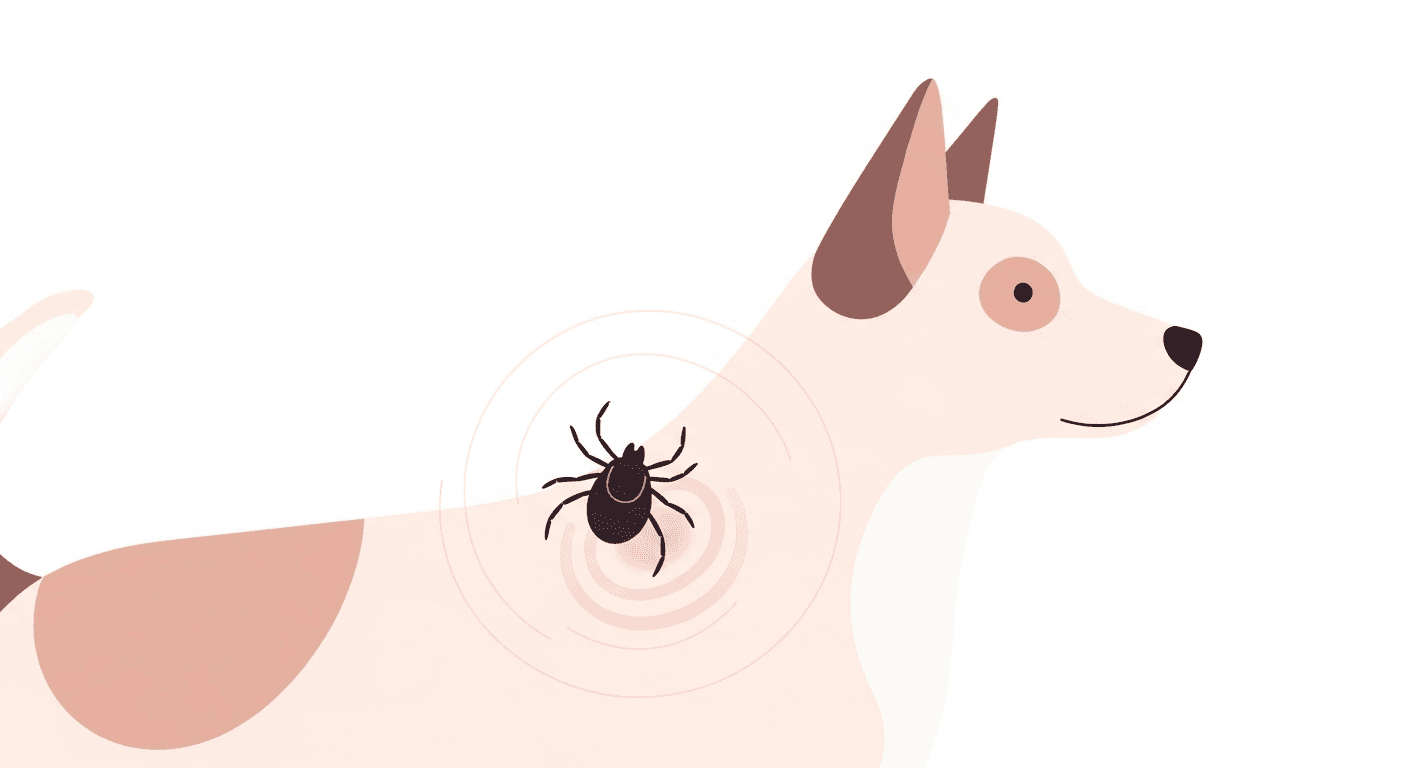
What Is Lyme Disease in Dogs?
Lyme disease is a tick-borne bacterial infection caused by Borrelia burgdorferi, transmitted to dogs through the bite of infected black-legged ticks (deer ticks). It is one of the most common vector-borne diseases in the world and a significant concern for dog owners in tick-endemic regions. Unlike in humans, dogs rarely develop the characteristic "bull's-eye" rash, making the disease harder to identify without testing.
What makes Lyme disease particularly dangerous in dogs is not just the acute illness, but the risk of Lyme nephritis — a serious, often fatal kidney complication that can develop weeks to months after infection. Certain breeds, including Labrador Retrievers, Golden Retrievers, and Shetland Sheepdogs, appear to be genetically predisposed to this severe kidney form of the disease.
Causes and Risk Factors
The bacterium is transmitted when an infected tick feeds on a dog for 36 to 48 hours or more. Key risk factors include:
- Geographic location — highest risk in the northeastern, upper midwestern, and Pacific coastal regions of the United States, as well as parts of Europe
- Outdoor activity — hiking, hunting, and activities in wooded or grassy areas increase tick exposure
- Breed susceptibility — Labradors and Goldens are at elevated risk for kidney complications
- No tick prevention — dogs not on regular tick preventatives are significantly more at risk
- Unvaccinated status — Lyme vaccines are available and recommended in endemic areas
- Seasonal peaks — spring, summer, and fall; though deer ticks can be active in temperatures above 4°C (39°F)
Warning Signs and Symptoms
Approximately 5–10% of dogs exposed to Borrelia actually develop clinical signs. Symptoms typically appear two to five months after infection:
- Sudden lameness, shifting from leg to leg — often intermittent and changing
- Swollen, painful joints
- Fever (39.4–40.6°C / 103–105°F)
- Lethargy and depression
- Reduced appetite
- Swollen lymph nodes near the tick bite site
Signs of Lyme nephritis (kidney involvement — urgent):
- Vomiting
- Diarrhea
- Dramatic weight loss
- Increased thirst and urination followed by inability to urinate
- Fluid accumulation under the skin
- Reluctance to move
When to Go to the Vet Immediately
If your dog lives in or has visited a tick-endemic area and shows any of the following, seek veterinary care immediately:
- Sudden joint pain or lameness that appears without injury
- High fever with lethargy
- Any signs of kidney involvement (vomiting, excessive thirst, loss of appetite)
- You found an engorged tick on your dog — have them tested even without symptoms
Diagnosis involves a combination of blood tests (4Dx test, C6 antibody test, Lyme Quant C6) and urine analysis to screen for kidney protein loss. The TailRounds AI Triage can help you assess the urgency of your dog's specific symptoms.
At-Home Care and Monitoring
Lyme disease is treated with a four-week course of antibiotics, typically doxycycline. Most dogs improve dramatically within 24–48 hours of starting treatment. Home care includes:
- Administer all antibiotics for the full prescribed course, even if the dog appears recovered
- Limit exercise during the acute phase to protect inflamed joints
- Provide a comfortable, warm resting area
- Monitor urine output and color — dark or reduced urine warrants immediate veterinary contact
- Return for follow-up urine protein testing three to six months post-treatment for at-risk breeds
Log daily observations about lameness, energy, and appetite in the TailRounds Daily Log to track treatment response and catch any relapse early.
Prevention and Long-Term Management
Lyme disease is very preventable with consistent tick control:
- Tick preventatives — use veterinary-approved oral, topical, or collar-based tick preventatives year-round in endemic areas
- Lyme vaccination — a highly effective vaccine is available; discuss it with your vet if you live in or travel to tick-endemic areas
- Daily tick checks — check your dog thoroughly after outdoor time, especially around ears, between toes, under collar, and in groin area
- Tick removal — remove attached ticks promptly with fine-tipped tweezers, grasping close to the skin
- Landscape management — keep grass short, clear leaf litter, and create a wood-chip border between lawn and wooded areas
Protect Your Dog from Tick-Borne Disease
Year-round tick prevention is the best protection your dog can have. Stay current on tick preventatives and vaccinations by tracking schedules with the TailRounds Daily Log. If you find a tick or notice suspicious symptoms, Book a vet appointment at Happy Paws for testing. Find a Clinic Near You for local Lyme testing options, and use the TailRounds AI Triage whenever you need immediate guidance.
Continue Reading
 🩺 Diseases & Symptoms
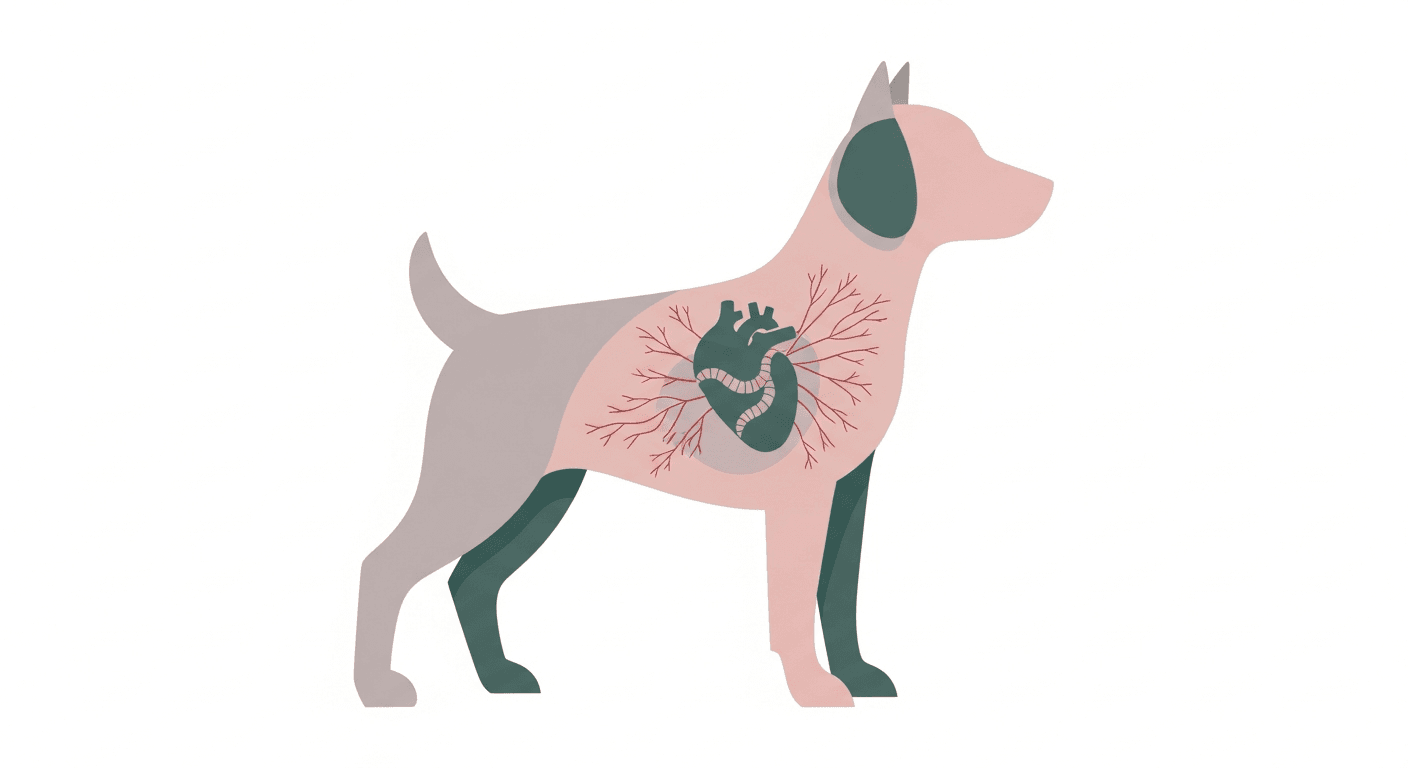
Heartworm Disease in Dogs: Prevention Is Everything
Heartworm disease silently damages a dog's heart and lungs. Learn the lifecycle, symptoms, treatment options, and why monthly prevention is non-negotiable.
 🩺 Diseases & Symptoms
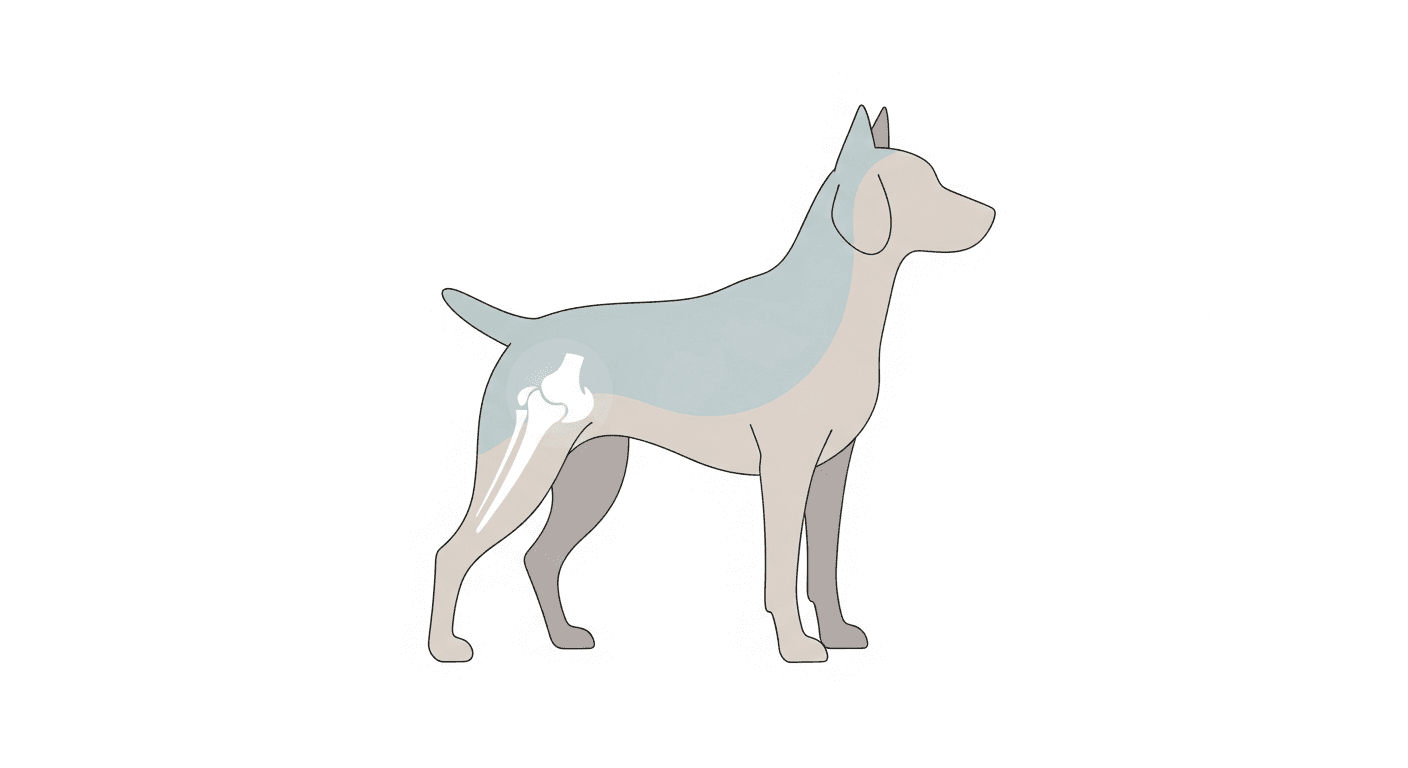
Hip Dysplasia in Dogs: Symptoms, Management, and Quality of Life
Hip dysplasia is a common joint condition in large breed dogs. Learn how to identify it early, manage pain, and give your dog the best quality of life.
 🩺 Diseases & Symptoms
Flea Infestation in Dogs and Cats: Symptoms, Treatment, and Prevention
Fleas cause intense itching, anemia, and disease in pets. Learn how to identify an infestation, treat your pet and home effectively, and prevent future problems.
 🩺 Diseases & Symptoms
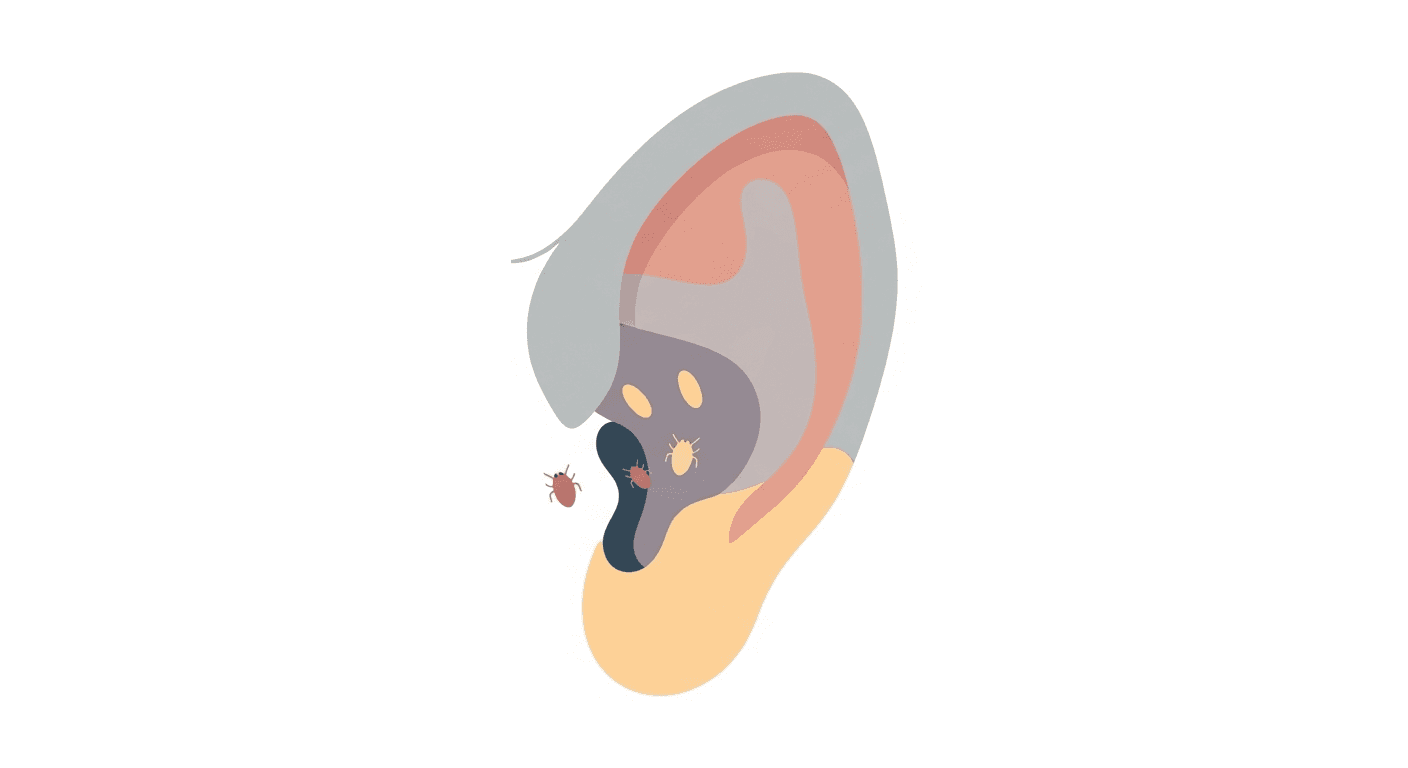
Ear Mites in Dogs and Cats: Symptoms, Treatment, and Prevention
Ear mites cause intense ear itching and dark discharge in pets. Learn to spot the signs, understand treatment options, and prevent reinfestation in multi-pet homes.