

What Is Kennel Cough?
Kennel cough, medically known as canine infectious tracheobronchitis, is a highly contagious respiratory infection affecting the trachea and bronchi of dogs. Despite its name, a dog does not need to have stayed in a kennel to contract this illness. The condition is caused by a combination of viral and bacterial pathogens, with Bordetella bronchiseptica being the most common bacterial culprit, often working alongside canine parainfluenza virus, canine adenovirus type 2, or canine distemper virus.
The infection spreads easily through airborne droplets, direct contact between dogs, or contact with contaminated surfaces. Places where dogs congregate — dog parks, groomers, doggy daycares, boarding facilities, and veterinary waiting rooms — are prime transmission zones. Understanding kennel cough is essential for any dog owner, especially those with puppies, senior dogs, or immunocompromised pets.
Causes and Risk Factors
Multiple pathogens can contribute to kennel cough, making it more complex than a single-germ illness. The most significant risk factors include:
- Close contact with other dogs in kennels, shelters, or dog parks
- Stress, which suppresses the immune system and increases susceptibility
- Unvaccinated status — dogs without Bordetella vaccination are at higher risk
- Age extremes — very young puppies and elderly dogs have weaker immune defenses
- Poor ventilation in indoor dog-heavy environments
- Pre-existing respiratory conditions that compromise airway defenses
- Cold, dry air, which can irritate airways and reduce natural defenses
The incubation period ranges from two to fourteen days after exposure, meaning your dog might be contagious before you even notice symptoms.
Warning Signs and Symptoms
The hallmark symptom of kennel cough is a persistent, forceful cough that often sounds like a honking goose. Other symptoms to watch for include:
- A strong, hacking cough — often triggered by activity or excitement
- Retching or gagging after coughing, sometimes producing white foam
- Runny nose with clear or slightly cloudy discharge
- Watery or red eyes
- Sneezing
- Mild lethargy or reduced energy
- Decreased appetite in moderate to severe cases
- Low-grade fever (in bacterial cases)
In otherwise healthy adult dogs, kennel cough is typically mild and self-limiting, resolving within one to three weeks. However, it can progress to pneumonia in vulnerable dogs, making vigilance critical.
When to Go to the Vet Immediately
While many cases resolve on their own, certain signs warrant prompt veterinary attention:
- Coughing that worsens rapidly or persists beyond three weeks
- High fever (rectal temperature above 39.4°C / 103°F)
- Labored or rapid breathing
- Blue-tinged gums (cyanosis) — a sign of oxygen deprivation
- Complete refusal to eat or drink for more than 24 hours
- Extreme lethargy or collapse
- The dog is a puppy under six months, pregnant, immunocompromised, or has a pre-existing condition
If you are unsure whether your dog's symptoms need immediate care, use the TailRounds AI Triage tool for a quick assessment before deciding whether to rush to the clinic.
At-Home Care and Monitoring
For mild kennel cough in otherwise healthy dogs, home management can be very effective:
- Rest — limit exercise and excitement, which trigger coughing fits
- Humidify the air — a cool-mist humidifier near the dog's resting area soothes irritated airways
- Use a harness instead of a collar to reduce tracheal pressure during walks
- Honey — a small amount (half a teaspoon for small dogs, one teaspoon for large dogs) can soothe the throat
- Isolate from other pets to prevent spreading the infection
- Ensure fresh water is always available to keep the throat moist
Track your dog's symptoms daily using the TailRounds Daily Log to spot trends and share accurate observations with your vet if the condition escalates.
Prevention and Long-Term Management
Prevention is far better than treatment when it comes to kennel cough. Key preventive strategies include:
- Bordetella vaccination — available as intranasal, oral, or injectable forms; recommended every six to twelve months for at-risk dogs
- Core vaccines — staying up to date on canine adenovirus and parainfluenza vaccines reduces co-infection risk
- Avoid high-risk environments during local outbreaks
- Good nutrition and regular exercise to support immune function
- Ventilation — ensure sleeping areas are well-ventilated
- Quarantine new dogs arriving in a multi-dog household for at least two weeks
Many boarding facilities and doggy daycares require proof of Bordetella vaccination before entry — a good policy that protects all dogs in the facility.
Keep Your Dog Safe with TailRounds
Staying on top of your dog's respiratory health is easy with the right tools. Log daily symptoms and behavior changes with the TailRounds Daily Log so you always have an accurate health record. If you notice worsening symptoms or want a professional opinion, Book a vet appointment at Happy Paws today. You can also Find a Clinic Near You for local care options. For immediate guidance when you are unsure about the severity of symptoms, the TailRounds AI Triage tool provides instant, evidence-based direction.
Continue Reading
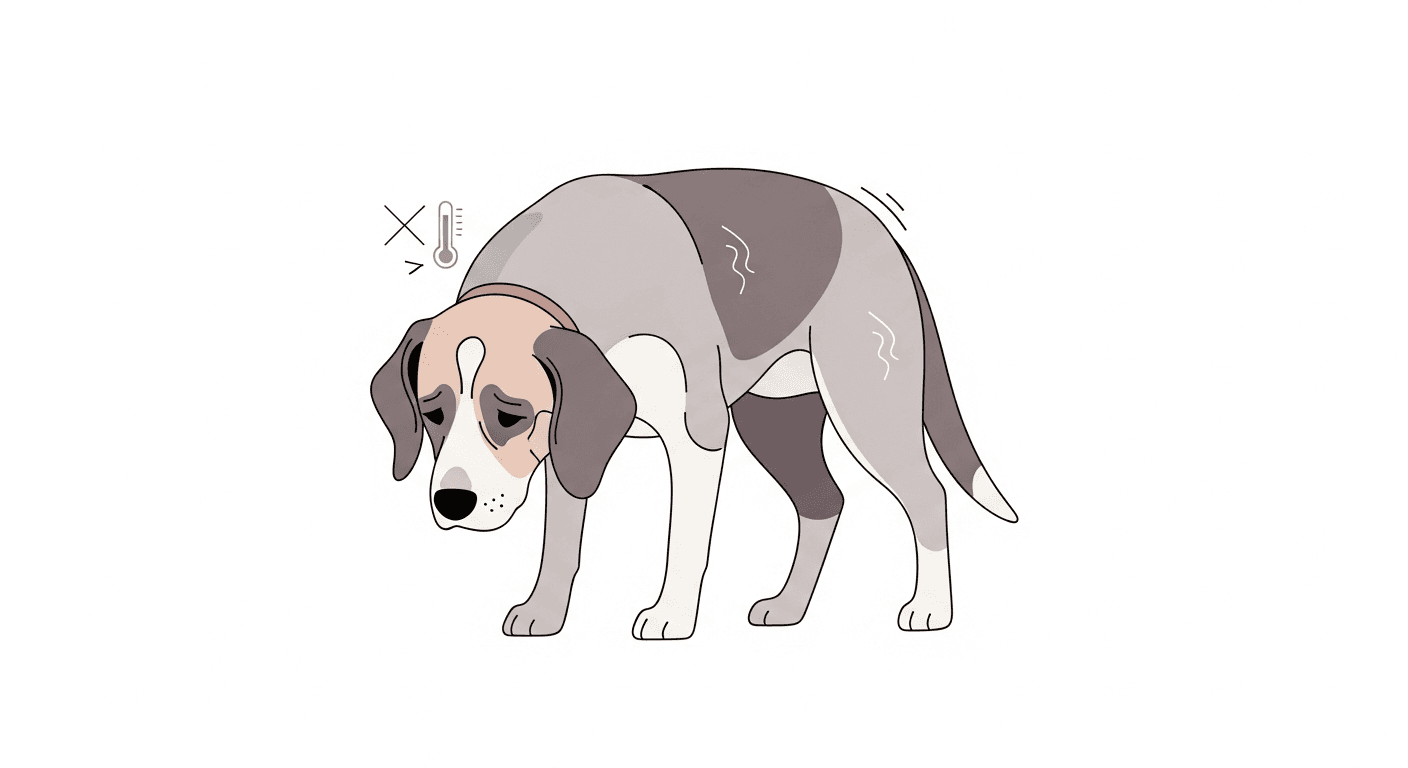 🩺 Diseases & Symptoms
Distemper in Dogs: Signs, Stages, and How to Protect Your Pet
Canine distemper is a serious viral disease with no cure. Understand the symptoms across all stages, treatment options, and the importance of vaccination.
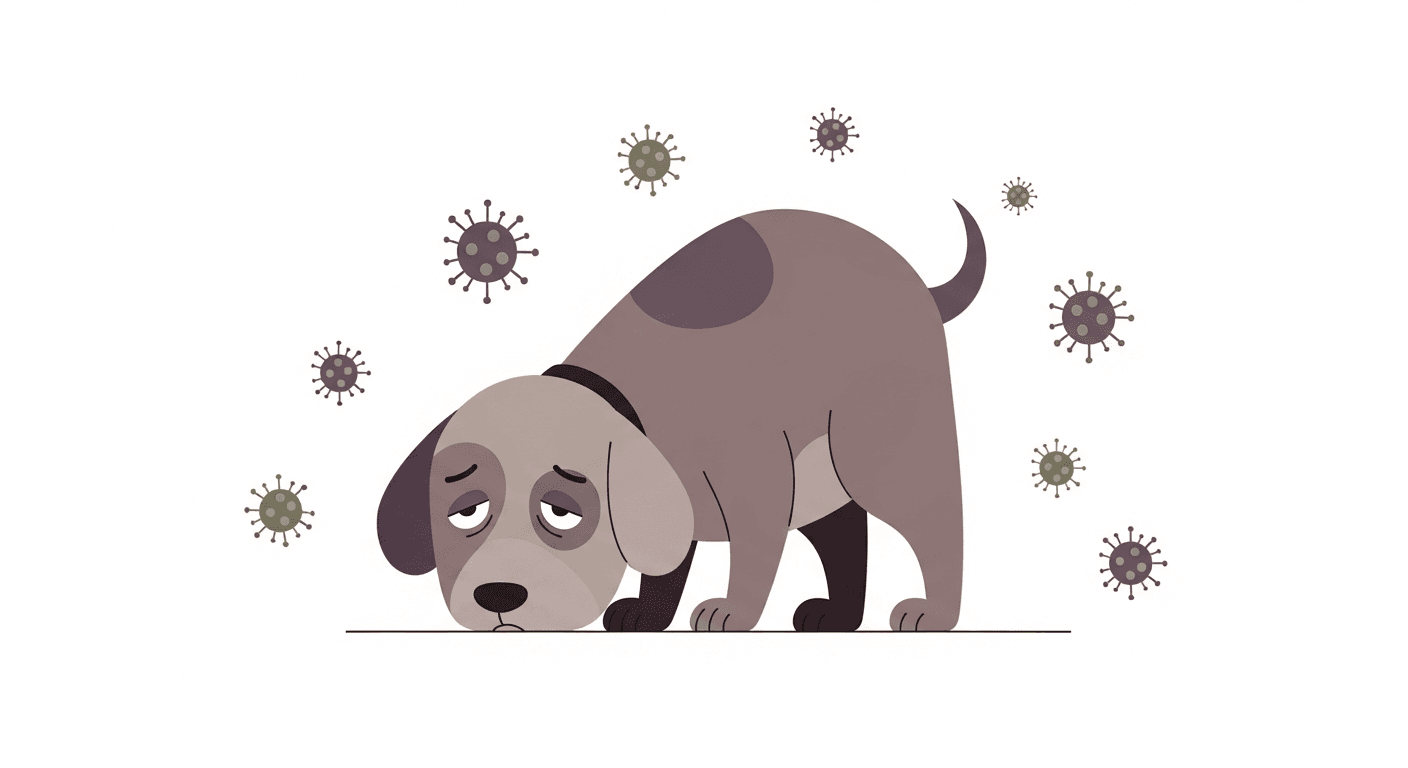 🩺 Diseases & Symptoms
Parvovirus in Dogs: Symptoms, Treatment, and Survival
Parvovirus is a deadly threat to unvaccinated dogs. Learn the warning signs, how treatment works, and how to protect your dog with vaccination.
 🩺 Diseases & Symptoms
Cat Upper Respiratory Infection: Causes, Symptoms, and Care
Upper respiratory infections are common in cats and kittens. Learn how to recognize feline URI, help your cat recover at home, and prevent future infections.
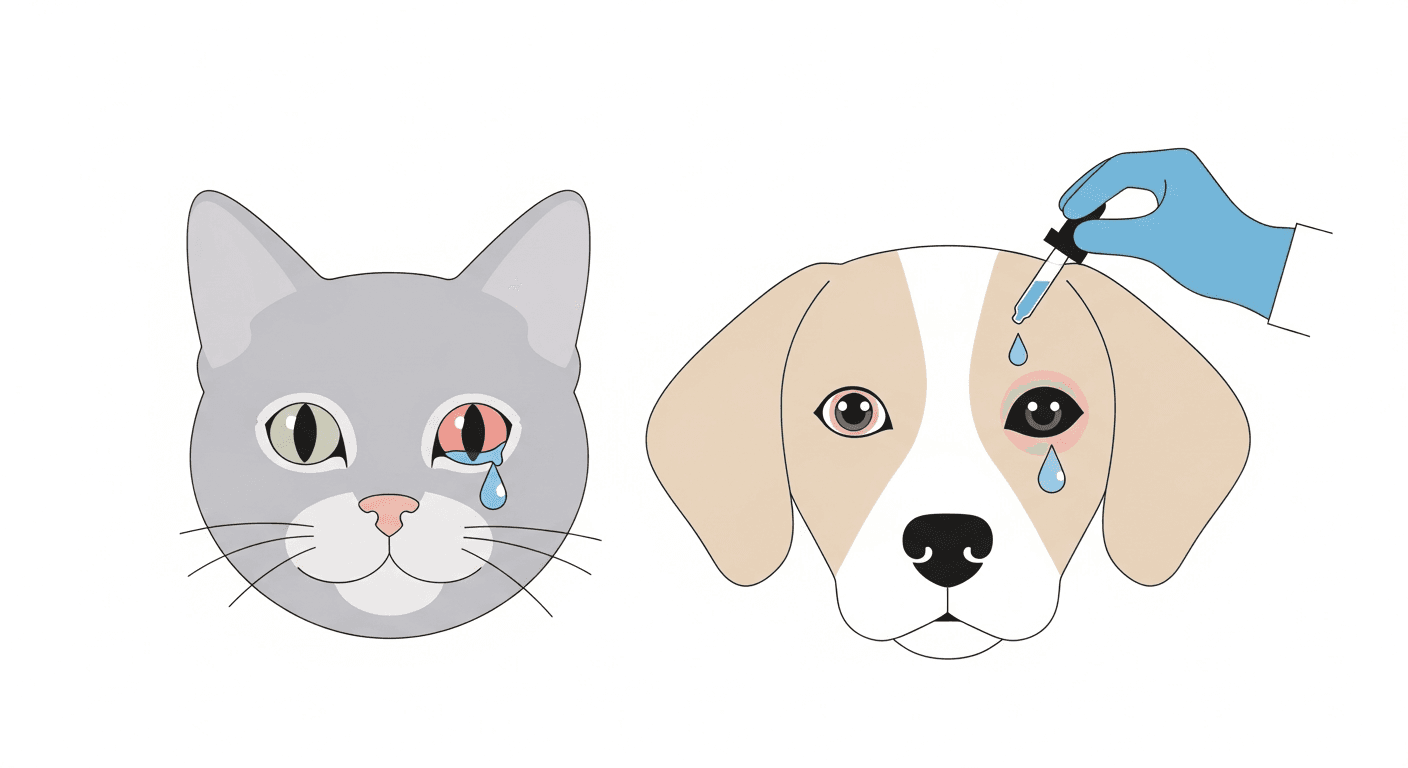 🩺 Diseases & Symptoms
Conjunctivitis (Pink Eye) in Dogs and Cats: Causes and Treatment
Red, watery eyes in pets can signal conjunctivitis. Learn the causes, how to tell if it is infectious or allergic, when it is urgent, and how to treat it at home.