
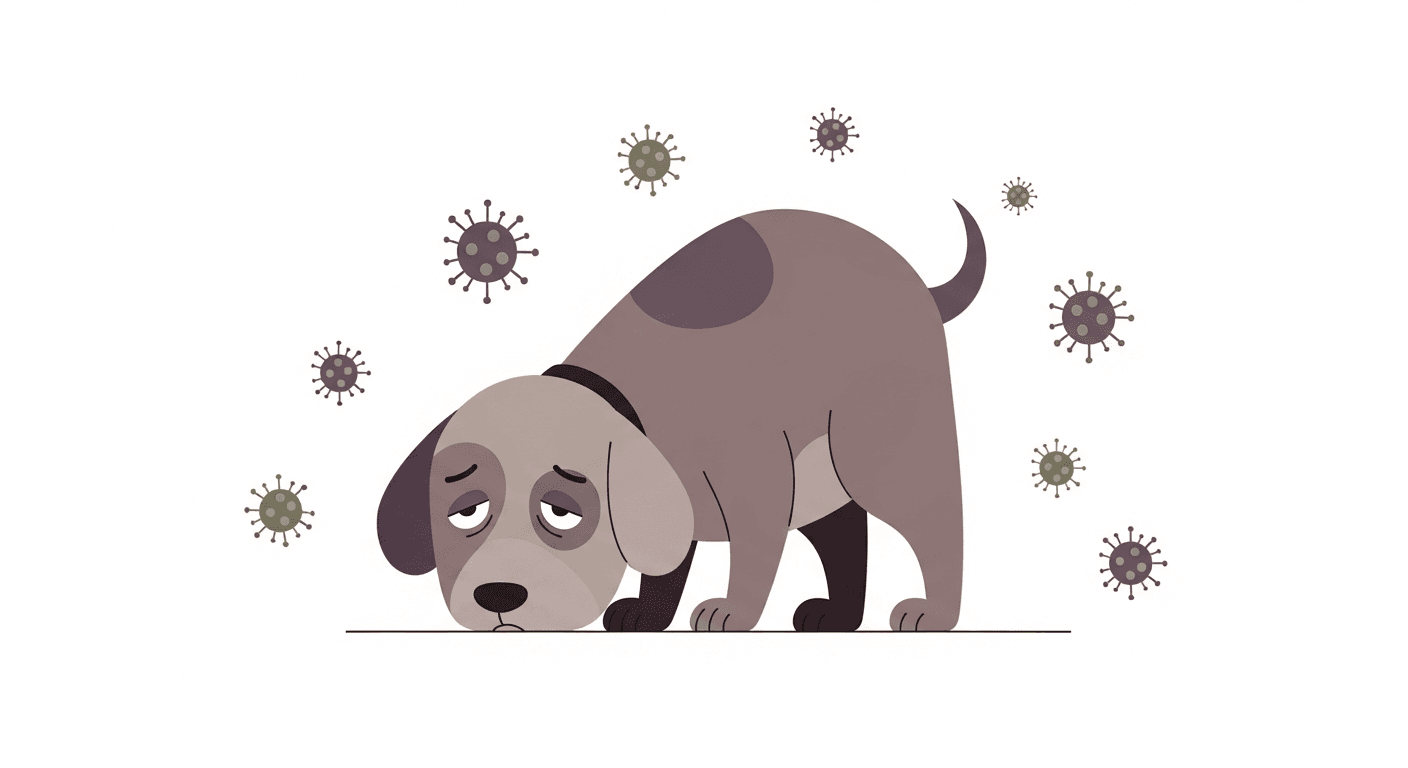
What Is Parvovirus in Dogs?
Canine parvovirus (CPV) is one of the most serious and potentially fatal viral diseases affecting dogs worldwide. First identified in the late 1970s, parvovirus attacks rapidly dividing cells — primarily those lining the gastrointestinal tract and the bone marrow. This dual attack leads to devastating diarrhea, vomiting, and a severely compromised immune system. Puppies between six weeks and six months of age are most at risk, but unvaccinated dogs of any age are susceptible.
The virus is extraordinarily resilient. It can survive in the environment for months to years, resistant to many common disinfectants and temperature extremes. A single gram of infected feces contains millions of viral particles capable of causing disease. This environmental persistence makes parvovirus a persistent threat in neighborhoods where vaccination rates are low.
Causes and Risk Factors
Parvovirus spreads primarily through direct contact with infected feces or contaminated environments. Understanding risk factors helps owners protect their dogs:
- Unvaccinated or incompletely vaccinated dogs — the primary risk group
- Puppies under four months — maternal antibody protection wanes before the vaccine series is complete
- Certain breeds — Rottweilers, Doberman Pinschers, American Pit Bull Terriers, and German Shepherds appear to have higher susceptibility
- Overcrowded or unsanitary conditions — shelters, poorly managed kennels
- Areas with low community vaccination rates
- Immunosuppressed dogs — those on steroids or with other illnesses
- Contact with contaminated soil, grass, or objects — shoes, hands, and clothing can carry the virus
Warning Signs and Symptoms
Symptoms typically appear three to seven days after exposure and escalate rapidly. Recognizing them early is critical:
- Severe, profuse diarrhea — often bloody with a distinctive foul odor
- Persistent vomiting
- Extreme lethargy and weakness
- Loss of appetite — complete food refusal
- High fever (or low temperature in severe cases — a dangerous sign)
- Abdominal pain and bloating
- Rapid, severe dehydration
- Collapse in advanced cases
The combination of bloody diarrhea and vomiting in a young or unvaccinated dog should always be treated as a medical emergency. Do not wait to see if it improves on its own.
When to Go to the Vet Immediately
Parvovirus is a veterinary emergency. Go to the vet — or an emergency clinic — immediately if your dog shows:
- Any bloody diarrhea in a puppy or unvaccinated dog
- Vomiting combined with lethargy and appetite loss
- Signs of dehydration: sunken eyes, dry gums, skin that does not spring back when gently pinched
- Body temperature below 37°C (98.6°F) — hypothermia indicates shock
- Collapse or inability to stand
- Rapid breathing or pale/white gums
Without intensive veterinary care, the mortality rate for parvo can reach 91%. With aggressive treatment, survival rates rise to 68–92%. Every hour matters — use the TailRounds AI Triage to assess urgency while on your way to the clinic, and Find a Clinic Near You for the nearest emergency vet.
At-Home Care and Monitoring
Parvovirus requires intensive inpatient veterinary care — IV fluids, anti-nausea medications, antibiotics to prevent secondary infections, and nutritional support. There is no antiviral drug that kills the virus; treatment is entirely supportive. Dogs typically need hospitalization for three to seven days.
Once a dog is discharged, home care is critical:
- Follow all medication schedules precisely, especially antibiotics
- Feed a bland, easily digestible diet — boiled chicken and rice — in small, frequent portions
- Ensure constant access to fresh water and monitor for rehydration
- Keep the recovering dog warm and calm; restrict physical activity
- Disinfect all surfaces, bedding, and toys with a bleach solution (1:32 ratio)
- Isolate the recovering dog from other unvaccinated pets for at least two weeks
Log recovery progress daily with the TailRounds Daily Log to track food intake, energy levels, and stool consistency — information your vet will need at follow-up appointments.
Prevention and Long-Term Management
Vaccination is the only reliable protection against parvovirus. The core vaccine schedule includes:
- First dose at 6–8 weeks of age
- Boosters every 3–4 weeks until 16–18 weeks of age
- A booster at one year of age
- Subsequent boosters every one to three years based on your vet's recommendation and the specific vaccine used
Until the vaccine series is complete, keep puppies away from public spaces, dog parks, and areas where unknown dogs have been. Surviving parvo generally confers long-lasting immunity, but vaccinating survivors is still recommended. Environmental decontamination is essential if parvo has been confirmed in your home.
Protect Your Dog with TailRounds
Prevention starts with staying current on vaccines. Use the TailRounds Daily Log to track your puppy's health between vaccine appointments. If you suspect parvo or any sudden illness, do not wait — Book a vet appointment at Happy Paws immediately or Find a Clinic Near You for the fastest path to care. For urgent symptom checks, trust the TailRounds AI Triage tool as your first step.
Continue Reading
 🩺 Diseases & Symptoms
Distemper in Dogs: Signs, Stages, and How to Protect Your Pet
Canine distemper is a serious viral disease with no cure. Understand the symptoms across all stages, treatment options, and the importance of vaccination.
 🩺 Diseases & Symptoms
Kennel Cough in Dogs: Causes, Symptoms, and Treatment
Learn how to recognize kennel cough in dogs, understand its causes, and find out when to see a vet. Includes home care tips and prevention advice.
 🩺 Diseases & Symptoms
Roundworms in Pets: A Common Parasite Every Pet Owner Should Know
Roundworms are extremely common in puppies and kittens and can infect humans too. Learn how to detect, treat, and prevent roundworm infections in your pets.
 🩺 Diseases & Symptoms
Giardia in Dogs and Cats: A Common Intestinal Parasite
Giardia causes diarrhea and digestive upset in pets and can spread to humans. Learn how your pet gets infected, how it is treated, and how to prevent reinfection.