
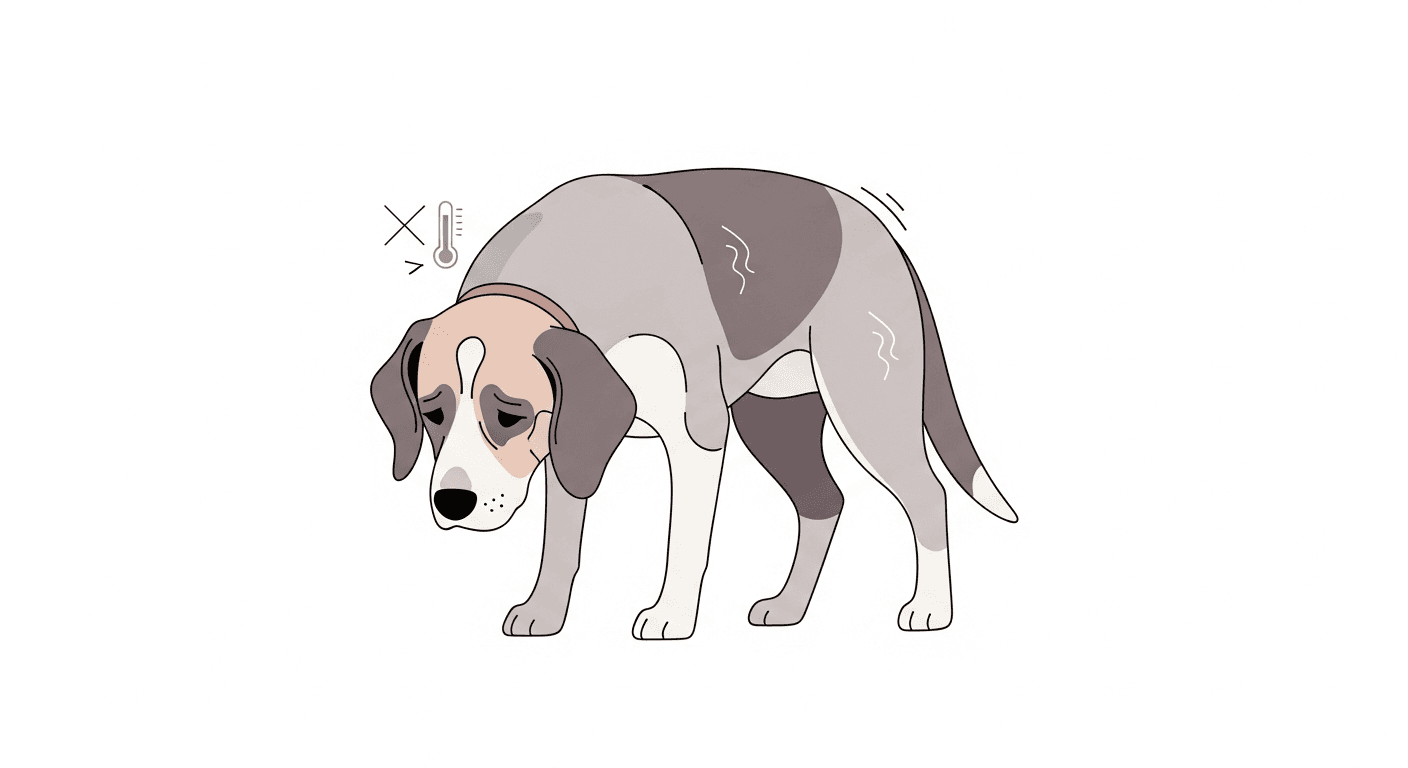
What Is Canine Distemper?
Canine distemper is a severe, potentially fatal viral disease caused by the canine distemper virus (CDV), a paramyxovirus closely related to the measles virus in humans. It is one of the most serious infectious diseases in dogs worldwide, affecting multiple body systems including the respiratory tract, gastrointestinal tract, and the central nervous system. Unlike some infections that target a single organ, distemper wages a systemic attack on the entire body, making it particularly devastating.
The disease affects not only domestic dogs but also ferrets, raccoons, foxes, wolves, and other carnivores, which can serve as reservoirs of infection in wildlife populations. Young unvaccinated puppies are at the greatest risk, though the virus can infect dogs of any age. The mortality rate in unvaccinated animals can exceed 50%, and survivors often suffer permanent neurological damage.
Causes and Risk Factors
CDV spreads through airborne droplets released when infected animals cough, sneeze, or bark. It can also be transmitted through shared food bowls, bedding, and other contaminated items. The virus can survive in the environment for several hours at room temperature but is quickly destroyed by most disinfectants. Key risk factors include:
- Lack of vaccination — the leading risk factor
- Age — puppies 3–6 months old are most vulnerable when maternal antibodies wane
- Shelter or rescue animals with unknown vaccination history
- Contact with wildlife — raccoons, foxes, and skunks can harbor CDV
- Immunocompromised dogs due to other illnesses or medications
- Overcrowded, unsanitary environments with poor ventilation
Warning Signs and Symptoms
Distemper progresses through distinct stages, with symptoms evolving over days to weeks:
Initial stage (Days 1–7):
- High fever (often above 39.4°C / 103°F), which may initially drop then return
- Watery to pus-like eye and nasal discharge
- Lethargy and loss of appetite
- Coughing and difficulty breathing
- Vomiting and diarrhea
Neurological stage (Days 7–21+ as the virus enters the nervous system):
- Muscle twitching and jerking (myoclonus)
- Seizures
- Circling or loss of coordination (ataxia)
- Head tilt
- Partial or complete paralysis
- "Chewing gum fits" — rhythmic jaw movements without any foreign object
- Thickening of nose and paw pads ("hard pad disease")
When to Go to the Vet Immediately
Distemper requires urgent veterinary care from the moment it is suspected. Seek immediate help if your dog shows:
- High fever combined with ocular or nasal discharge
- Any neurological signs — twitching, seizures, loss of balance
- Rapid deterioration of overall condition within hours
- Complete refusal to eat or drink
- Hardening of paw pads alongside systemic illness
Use the TailRounds AI Triage for a quick severity assessment, but do not delay if neurological signs are present — these can progress irreversibly within hours.
At-Home Care and Monitoring
There is no antiviral drug that specifically targets CDV. Veterinary treatment focuses on supportive care to help the immune system fight the infection:
- IV or subcutaneous fluids to combat dehydration
- Antibiotics to prevent secondary bacterial respiratory infections
- Anti-nausea and anti-diarrheal medications
- Anti-seizure medications if neurological involvement develops
- Nutritional support — sometimes via feeding tubes in severe cases
Dogs that survive the acute phase may require long-term management of neurological symptoms. At home, keep the recovering dog in a quiet, warm, stress-free environment, monitor for seizures, and maintain a strict feeding and medication schedule. Record all observations in the TailRounds Daily Log to give your vet a complete picture of recovery progress.
Prevention and Long-Term Management
Vaccination is the single most effective way to prevent distemper. The CDV vaccine is part of the core DHPP combination vaccine:
- Start the series at 6–8 weeks
- Booster every 3–4 weeks until 16 weeks of age
- A booster at one year, then every one to three years based on the specific vaccine and veterinarian guidance
Keep puppies away from unvaccinated dogs and wildlife-frequented areas until fully vaccinated. If a dog in your area has been diagnosed with distemper, avoid parks and communal spaces until the risk passes.
Keep Your Dog Protected with TailRounds
Distemper is entirely preventable with timely vaccination. Stay organized with your dog's vaccine schedule using the TailRounds Daily Log. If you notice any of the warning signs described above, Book a vet appointment at Happy Paws without delay, or Find a Clinic Near You for emergency care. For in-the-moment symptom guidance, the TailRounds AI Triage tool is available 24/7.
Continue Reading
 🩺 Diseases & Symptoms
Parvovirus in Dogs: Symptoms, Treatment, and Survival
Parvovirus is a deadly threat to unvaccinated dogs. Learn the warning signs, how treatment works, and how to protect your dog with vaccination.
 🩺 Diseases & Symptoms
Kennel Cough in Dogs: Causes, Symptoms, and Treatment
Learn how to recognize kennel cough in dogs, understand its causes, and find out when to see a vet. Includes home care tips and prevention advice.
 🩺 Diseases & Symptoms
Epilepsy and Seizures in Dogs: What to Do and How to Manage
Seizures in dogs can be terrifying to witness. Learn about epilepsy causes, what to do during a seizure, medication options, and how to reduce episode frequency.
 🩺 Diseases & Symptoms
Roundworms in Pets: A Common Parasite Every Pet Owner Should Know
Roundworms are extremely common in puppies and kittens and can infect humans too. Learn how to detect, treat, and prevent roundworm infections in your pets.