
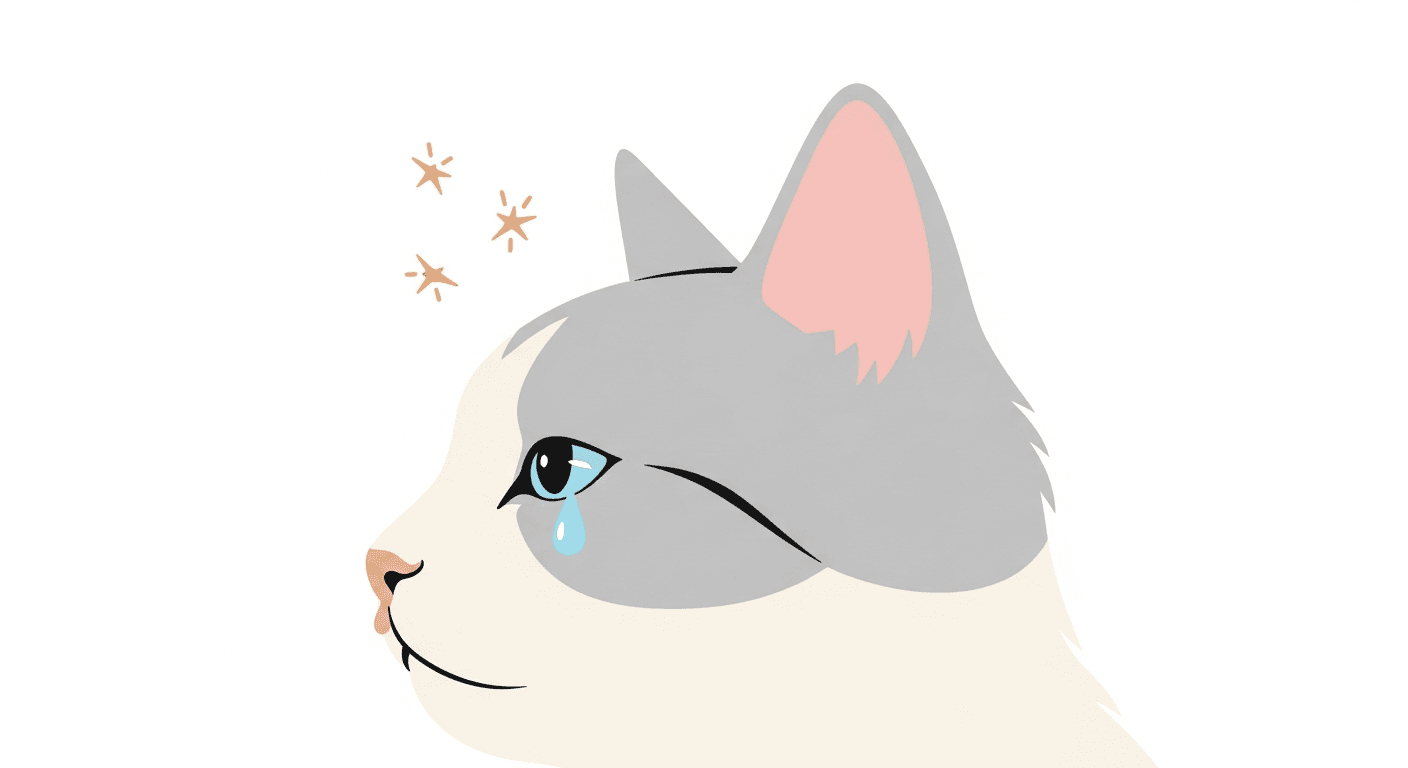
What Is a Cat Upper Respiratory Infection?
Upper respiratory infection (URI) in cats is a group of infectious diseases affecting the nose, sinuses, and throat. Often referred to as "cat flu" or "cat colds," feline URI is one of the most common medical problems in cats, particularly in kittens, shelter cats, and multi-cat environments. While most cases are mild and self-limiting, URIs can become serious — especially in kittens, senior cats, or immunocompromised individuals.
The most common culprits are feline herpesvirus type 1 (FHV-1) and feline calicivirus (FCV), together responsible for approximately 90% of all feline URIs. Bacterial pathogens including Chlamydophila felis and Bordetella bronchiseptica also contribute, often as secondary infections. FHV-1 is particularly notable because it becomes latent (dormant) in nerve tissue after initial infection and can reactivate during periods of stress, causing recurrent episodes throughout the cat's life.
Causes and Risk Factors
URI-causing pathogens spread through:
- Direct contact with eye, nose, or mouth secretions from infected cats
- Airborne droplets from sneezing or coughing
- Contaminated shared items — food bowls, water bowls, litter boxes, grooming tools
- Human handlers (indirect transmission on hands, clothing)
Risk factors include:
- Kitten or senior age
- Multi-cat households and shelter environments
- Stress (rehoming, new pets, changes in routine)
- FeLV or FIV positive status
- Incomplete vaccination history
- Outdoor access with exposure to stray cats
Warning Signs and Symptoms
Feline URI symptoms are typically similar across different causative agents, though severity varies:
- Sneezing — often repetitive and frequent
- Nasal discharge — clear, then yellow or green as secondary infection develops
- Eye discharge — watery to thick and crusty (conjunctivitis is common)
- Red, squinting, or swollen eyes
- Fever
- Lethargy and reduced activity
- Loss of appetite — cats largely smell their food; congestion removes this drive
- Mouth ulcers — particularly with calicivirus; look for drooling or difficulty eating
- Hoarse or absent meow (laryngitis)
- Dehydration from reduced water intake
When to Go to the Vet Immediately
Many URIs can be managed with supportive home care, but veterinary attention is needed if your cat shows:
- Complete refusal to eat or drink for more than 24–48 hours — cats can develop hepatic lipidosis (fatty liver disease) rapidly when anorexic
- Breathing difficulty — open-mouth breathing in cats is always an emergency
- Signs of severe dehydration
- High fever or dramatic worsening after initial improvement
- Eye symptoms that are worsening — herpetic eye disease can ulcerate the cornea
- Any young kitten (under 8 weeks) with URI symptoms
Use the TailRounds AI Triage to assess whether your cat's symptoms require an urgent visit, and Book a vet appointment at Happy Paws if you are unsure.
At-Home Care and Monitoring
For mild to moderate URIs in otherwise healthy cats, home care can support a full recovery:
- Steam therapy — bring the cat into the bathroom while running a hot shower for 10–15 minutes; the steam loosens nasal congestion
- Clean the face gently — use a warm, damp cloth to remove discharge from around the nose and eyes twice daily
- Encourage eating — warm wet food has stronger aroma; try different textures to find what the cat will eat
- Ensure adequate hydration — offer water in multiple locations; a pet water fountain may encourage drinking
- Keep the cat warm and comfortable
- Isolate from other cats during active infection
- L-lysine supplementation — may help reduce FHV-1 replication in some cats; discuss with your vet
- Antiviral eye drops (cidofovir, idoxuridine) may be prescribed for herpetic eye disease
Log daily observations of food intake, discharge type and quantity, eye condition, and energy using the TailRounds Daily Log.
Prevention and Long-Term Management
Core vaccination is the primary prevention tool:
- FVRCP (feline viral rhinotracheitis, calicivirus, panleukopenia) vaccine — a core vaccine given to kittens and adults on schedule
- Vaccination does not fully prevent infection but significantly reduces severity
- For FHV-1 carriers, stress management is key to preventing reactivation — stable routines, environmental enrichment, pheromone diffusers (Feliway)
- Keep cats indoors to limit exposure to infected strays
- Maintain good hygiene in multi-cat households — clean bowls and litter boxes frequently
Help Your Cat Breathe Easy with TailRounds
Daily monitoring is essential during a URI. Use the TailRounds Daily Log to track food intake, discharge, and eye condition. If symptoms worsen or your cat stops eating, Book a vet appointment at Happy Paws promptly. Find a Clinic Near You for specialist care, and check the TailRounds AI Triage for immediate symptom guidance.
Continue Reading
 🩺 Diseases & Symptoms
Feline Leukemia Virus (FeLV): What Cat Owners Must Know
FeLV is one of the most serious infectious diseases in cats. Learn how it spreads, what symptoms to watch for, how to manage an FeLV-positive cat, and prevention.
 🩺 Diseases & Symptoms
Feline Immunodeficiency Virus (FIV): Living with an FIV-Positive Cat
FIV weakens cats' immune systems but many live for years with proper care. Learn how FIV spreads, what symptoms to watch for, and how to manage an FIV+ cat.
 🩺 Diseases & Symptoms
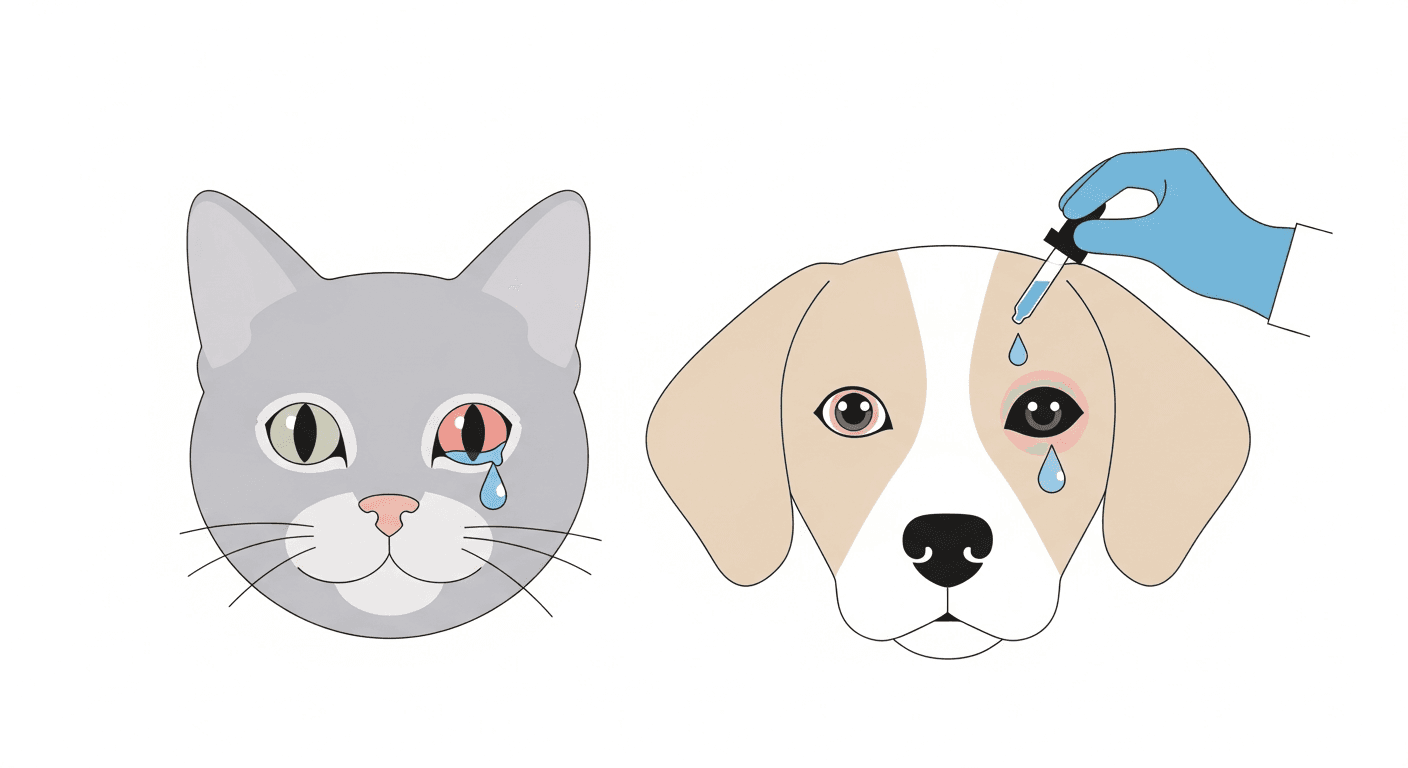
Conjunctivitis (Pink Eye) in Dogs and Cats: Causes and Treatment
Red, watery eyes in pets can signal conjunctivitis. Learn the causes, how to tell if it is infectious or allergic, when it is urgent, and how to treat it at home.
 🩺 Diseases & Symptoms
Kennel Cough in Dogs: Causes, Symptoms, and Treatment
Learn how to recognize kennel cough in dogs, understand its causes, and find out when to see a vet. Includes home care tips and prevention advice.