
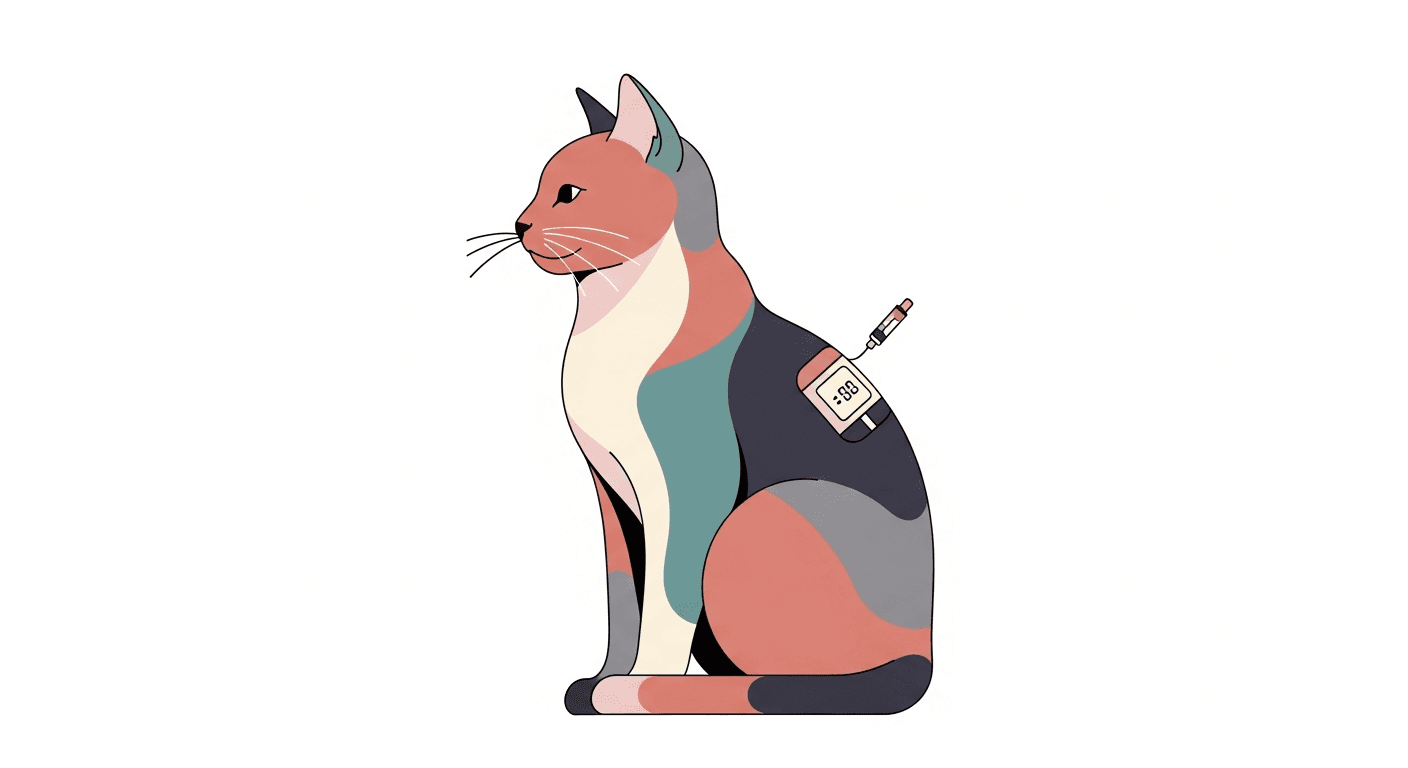
What Is Diabetes in Cats?
Feline diabetes mellitus is a metabolic disorder characterized by persistently high blood glucose (hyperglycemia) resulting from either insufficient insulin production, insulin resistance, or both. Unlike canine diabetes, which is almost always insulin-dependent (Type 1), feline diabetes most closely resembles human Type 2 diabetes — the cells become resistant to insulin's effects, and the pancreas struggles to compensate by producing more. Over time, the overworked beta cells in the pancreas may fail completely, requiring insulin supplementation.
What makes feline diabetes particularly interesting from a medical standpoint is the possibility of remission. With aggressive early management — appropriate insulin therapy plus a high-protein, low-carbohydrate diet — a significant percentage of diabetic cats (25–90% in various studies) can achieve diabetic remission, meaning their blood glucose normalizes to the point that insulin is no longer needed. This makes early diagnosis and committed management enormously worthwhile.
Causes and Risk Factors
- Obesity — the most significant and modifiable risk factor; obese cats are four times more likely to develop diabetes
- Neutered male cats — at significantly higher risk due to metabolic differences
- Age — most common in cats over 7 years; peak incidence around 10–13 years
- High-carbohydrate diet — dry kibble creates prolonged postprandial glucose spikes in obligate carnivores ill-suited to carbohydrate metabolism
- Breed predisposition — Burmese cats have documented higher incidence
- Corticosteroid administration — even a single course of steroids can trigger diabetes in predisposed cats
- Chronic pancreatitis
- Acromegaly — excess growth hormone, an underdiagnosed cause of insulin-resistant diabetes in cats
- Hyperthyroidism
Warning Signs and Symptoms
The classic signs of diabetes in cats are:
- Dramatically increased thirst — water bowl empties far faster than normal
- Dramatically increased urination — urinating outside the litter box, or noticeably large clumps in the litter box
- Increased appetite — especially early in the disease course
- Weight loss despite eating well
- Plantigrade stance — a distinctive sign in cats; the cat walks on its hocks (heels) instead of its toes due to diabetic neuropathy
- Lethargy and weakness
- Poor coat quality
- Vomiting (in diabetic ketoacidosis — a serious complication)
When to Go to the Vet Immediately
Seek emergency care if your diabetic cat shows:
- Diabetic ketoacidosis (DKA) signs — vomiting, lethargy, acetone or sweet breath, anorexia, rapid breathing
- Hypoglycemia after insulin — trembling, weakness, seizures, profound lethargy, loss of consciousness
- Complete collapse
- Any new diagnosis with plantigrade stance — neuropathy indicates the disease has been present for some time
If you suspect hypoglycemia, rub a small amount of corn syrup or honey on the cat's gums immediately and then head to the vet. Use the TailRounds AI Triage for guidance, but do not delay if the cat is unconscious or seizing.
At-Home Care and Monitoring
Managing a diabetic cat at home requires structure but becomes routine quickly:
- Insulin injections — typically twice daily at 12-hour intervals, given at the same time as feeding; most owners become comfortable with injections within a few days
- Dietary change — switching to a high-protein, very low carbohydrate diet (wet food only; under 10% of calories from carbohydrates) is essential and often dramatically reduces insulin requirements
- Home blood glucose monitoring — using a handheld glucometer on the ear or inner lip allows owners to check glucose and detect hypoglycemia or remission
- Consistent feeding schedule — identical amounts at identical times every day
- Monitoring urine glucose with test strips as a simpler (less precise) adjunct
- Weight monitoring — weekly weigh-ins help track metabolic control
Log every insulin dose, blood glucose reading, food intake, and weight measurement using the TailRounds Daily Log. This data guides insulin dose adjustments at each vet visit.
Prevention and Long-Term Management
Many cases of feline diabetes can be prevented through lifestyle management:
- Maintain a healthy body weight — prevent obesity at all life stages
- Feed a high-protein, low-carbohydrate diet throughout life — canned food over dry kibble
- Avoid or minimize corticosteroid use in at-risk cats
- Annual bloodwork in cats over 7 — catch rising glucose before diabetes is established
- Manage hyperthyroidism and pancreatitis promptly
- Check for acromegaly in cats with insulin-resistant diabetes (IGF-1 blood test, pituitary MRI)
Manage Feline Diabetes Confidently with TailRounds
Remission is a real possibility — but it requires consistent daily effort. Track glucose readings, insulin doses, and dietary changes using the TailRounds Daily Log. Schedule glucose curve appointments at Book a vet appointment at Happy Paws. Find a Clinic Near You for internal medicine specialists experienced in feline diabetes. For acute concerns, the TailRounds AI Triage provides immediate assessment.
Continue Reading
 🩺 Diseases & Symptoms
Hyperthyroidism in Cats: The Most Common Hormonal Disease in Senior Cats
Hyperthyroidism affects most senior cats. Learn the signs, understand your treatment options including medication, surgery, and radioactive iodine, and manage this condition.
 🩺 Diseases & Symptoms
Chronic Kidney Disease in Cats: Early Detection and Management
Chronic kidney disease affects 1 in 3 senior cats. Learn the early signs, how to slow progression through diet and care, and how to maximize your cat's quality of life.
 🩺 Diseases & Symptoms
Obesity in Dogs and Cats: The Most Preventable Disease in Pets
Over 50% of pets are overweight. Learn how obesity affects your pet's health, how to assess body condition score, and practical strategies to achieve and maintain a healthy weight.
 🩺 Diseases & Symptoms
Diabetes in Dogs: Signs, Insulin Management, and Daily Care
Diabetes in dogs requires lifelong management but is very livable with the right approach. Learn the signs, how insulin works, and what daily care looks like.