
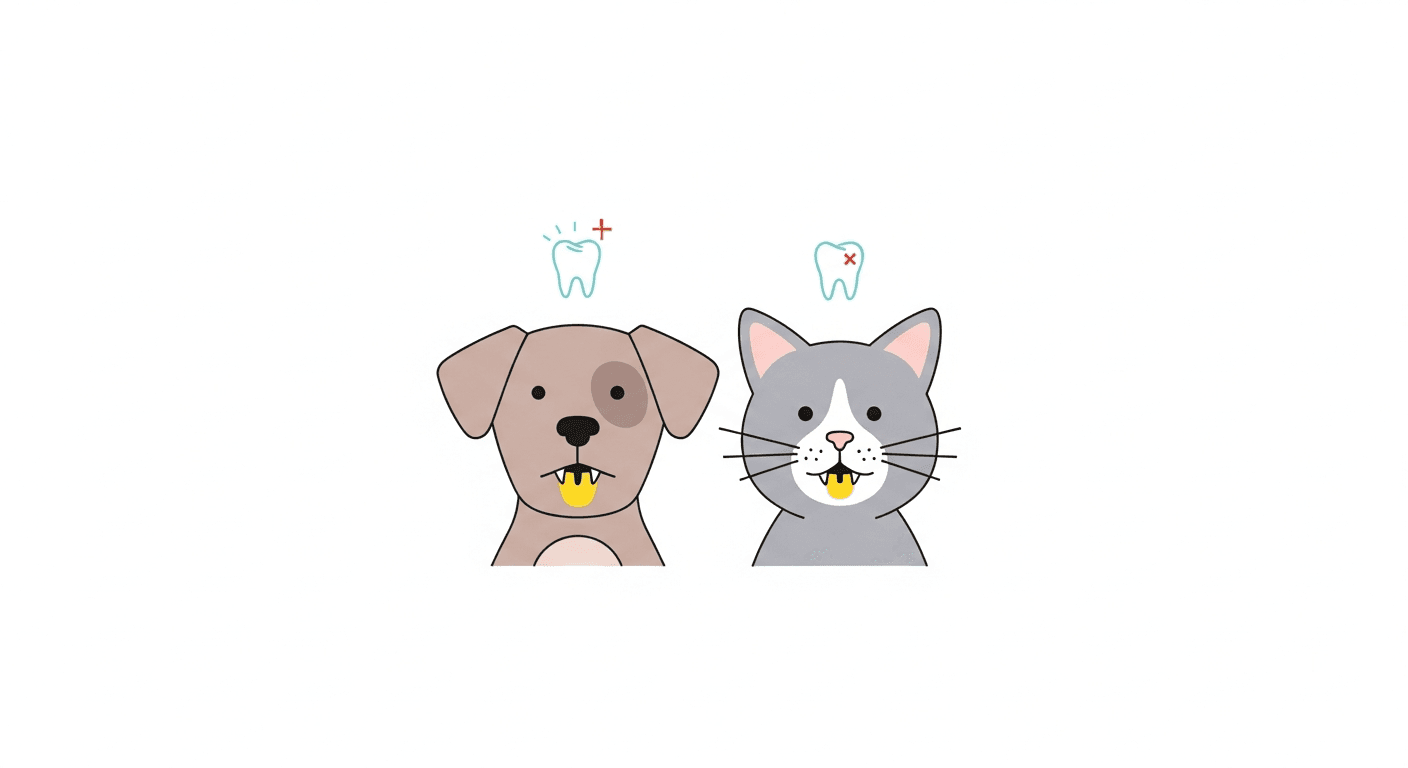
What Is Dental Disease in Pets?
Dental disease — specifically periodontal disease — is the most common health problem in dogs and cats, yet it remains profoundly underdiagnosed and undertreated. Studies consistently show that by three years of age, more than 80% of dogs and 70% of cats have some degree of dental disease. Yet because pets rarely show obvious signs of tooth pain (they instinctively hide discomfort), many owners are unaware their pet is suffering from a condition that significantly affects quality of life and long-term health.
Periodontal disease is a progressive infection of the structures surrounding the teeth — the gingiva (gums), periodontal ligament, cementum, and alveolar bone. It begins with plaque formation, advances through gingivitis, and without intervention progresses to periodontitis and eventually tooth loss. Beyond the mouth, chronic dental infection releases bacteria into the bloodstream with every chew, potentially damaging the kidneys, heart, and liver over time.
Causes and Risk Factors
- Lack of home dental care — tooth brushing is the most effective prevention; lack of it allows plaque to accumulate
- Diet — soft or wet food increases plaque accumulation faster than dry kibble (though dry food is not a reliable dental cleaning mechanism); dental diets and treats make a real difference
- Small breed dogs — tooth crowding in small mouths accelerates plaque and tartar buildup; Yorkshire Terriers, Chihuahuas, Dachshunds, and Pomeranians are commonly severely affected
- Brachycephalic breeds — Pugs, Bulldogs, Persian cats — crowded, rotated teeth in short skulls
- Age — cumulative plaque and tartar; disease progresses with age
- Infrequent or no professional dental cleanings
- Genetics — some individuals plaque much faster than others
Warning Signs and Symptoms
Because pets hide pain, many of these signs are subtle until disease is advanced:
- Bad breath (halitosis) — the most common and often first noticeable sign
- Yellow or brown tartar buildup on teeth — visible at the gum line
- Red, inflamed, or bleeding gums
- Reluctance to chew hard food or toys
- Dropping food from the mouth (quidding)
- Chewing on one side
- Pawing at the mouth or face
- Facial swelling — may indicate a tooth root abscess
- Nasal discharge — in dogs, carnassial tooth root abscesses can cause a fistula that drains below the eye
- Behavior changes — grumpiness, reduced playfulness, reluctance to be touched on the face
- Weight loss in severe cases — the pet is too painful to eat adequately
When to Go to the Vet Immediately
Schedule an appointment soon if you notice signs of dental disease. Seek prompt care if:
- Facial swelling near the eye or jaw — may indicate an abscess or tumor
- The pet has stopped eating
- Sudden inability to close the mouth
- Profuse bleeding from the mouth
Book a dental examination at Book a vet appointment at Happy Paws, and use the TailRounds AI Triage for immediate guidance on severe oral pain signs.
At-Home Care and Monitoring
Professional dental cleanings (under anesthesia) are the cornerstone of managing established dental disease, but home care prevents or significantly slows its progression:
Daily home care:
- Tooth brushing — the gold standard; use a pet-specific toothbrush and enzymatic toothpaste (never human toothpaste — fluoride is toxic to pets); start slowly and build up daily brushing
- Dental chews — VOHC (Veterinary Oral Health Council) approved chews and treats have proven plaque-reduction efficacy
- Dental diets — prescription dental diets (Hill's t/d, Royal Canin Dental) with proven VOHC approval
- Water additives and oral rinses — VOHC-approved products help in pets that will not tolerate brushing
Monitor your pet's mouth monthly — look at the teeth, gums, and check for bad breath. Log observations in the TailRounds Daily Log.
Prevention and Long-Term Management
- Begin dental care early — kittens and puppies accept tooth brushing more readily than adults
- Annual professional dental exams — your vet grades dental disease at every wellness visit
- Professional cleanings under anesthesia as recommended — typically every 1–3 years depending on the individual and home care quality
- Anesthesia-free dental cleanings are not recommended by veterinary dental specialists — they do not address disease below the gum line
- Dental X-rays during cleanings — 60% of dental disease is below the gum line and invisible without radiographs
Protect Your Pet's Smile with TailRounds
Daily tooth brushing takes two minutes and prevents years of pain and expensive extractions. Track brushing compliance and note any oral changes using the TailRounds Daily Log. Schedule an annual dental exam at Book a vet appointment at Happy Paws. Find a Clinic Near You for dental cleaning services, and use the TailRounds AI Triage if you notice sudden facial swelling or signs of severe oral pain.
Continue Reading
 🩺 Diseases & Symptoms
Obesity in Dogs and Cats: The Most Preventable Disease in Pets
Over 50% of pets are overweight. Learn how obesity affects your pet's health, how to assess body condition score, and practical strategies to achieve and maintain a healthy weight.
 🩺 Diseases & Symptoms
Chronic Kidney Disease in Cats: Early Detection and Management
Chronic kidney disease affects 1 in 3 senior cats. Learn the early signs, how to slow progression through diet and care, and how to maximize your cat's quality of life.
 🩺 Diseases & Symptoms
Diabetes in Dogs: Signs, Insulin Management, and Daily Care
Diabetes in dogs requires lifelong management but is very livable with the right approach. Learn the signs, how insulin works, and what daily care looks like.
 🩺 Diseases & Symptoms
Cushing's Disease in Dogs: Symptoms, Diagnosis, and Treatment
Cushing's disease causes excess cortisol in dogs. Recognize the symptoms, understand diagnosis options, and learn how to manage this chronic but treatable condition.