
What Are Zoonotic Diseases in Birds?
Zoonotic diseases are infections that can be transmitted between animals and humans. Most bird owners have little to fear if they practice standard hygiene — healthy birds rarely transmit disease to healthy humans. However, certain conditions — particularly psittacosis (parrot fever), salmonella, and campylobacter — can cause genuine illness in humans, with higher risk for immunocompromised individuals, pregnant women, and young children.
Understanding the risks allows for proportionate precautions rather than unnecessary fear.
First 3 Steps at Home
- Practice consistent hand hygiene: Wash hands thoroughly with soap and water after handling birds, cleaning the cage, or touching any bird-related items. This single measure reduces zoonotic risk by more than any other intervention. Hand sanitizer is less effective for Chlamydia psittaci (the cause of psittacosis) than proper soap-and-water washing.
- Never clean bird cages indoors without adequate ventilation: Dried bird droppings that become aerosolized during cleaning are the primary transmission route for psittacosis and some fungal infections. Clean the cage outdoors when possible, or with a damp cloth rather than dry dusting, and wear a mask if immunocompromised.
- Quarantine new birds and test for psittacosis: All new birds should be quarantined for 30–45 days before contact with existing birds. Testing for Chlamydia psittaci is available through your avian vet and is recommended for any bird with unknown health history.
When to Go to the Vet Immediately
- Any bird showing respiratory illness, weight loss, or abnormal droppings — both for the bird's health and because these are common presentations of transmissible conditions
- Multiple birds in a household becoming ill simultaneously — suggests infectious cause
- A household member develops flu-like illness that doesn't resolve normally — inform their doctor about bird contact; psittacosis mimics atypical pneumonia
Follow-Up Care Checklist
- Do not kiss birds or allow them to contact food or drinking utensils
- Do not allow birds in kitchens during food preparation
- Pregnant household members should minimize bird cage cleaning duties
- Immunocompromised household members should discuss bird ownership with their physician
- Annual avian wellness exams reduce the likelihood of your bird being asymptomatically infected
Track Bird Health with TailRounds
Healthy birds rarely transmit disease. The TailRounds Daily Log helps you maintain your bird's health by tracking symptoms early — protecting both the bird and your household.
Book a Vet Appointment
Annual wellness exams including fecal testing and Chlamydia screening for high-risk birds are the most effective zoonotic prevention measure. Book at Happy Paws with our avian team today.
Summary for Your Clinic Visit
Inform your vet about any household members who are immunocompromised or pregnant, any recent new bird introductions, and whether anyone in the household has experienced unexplained respiratory illness coinciding with a bird's illness.
Continue Reading
 🦜 Bird & Parrot Health
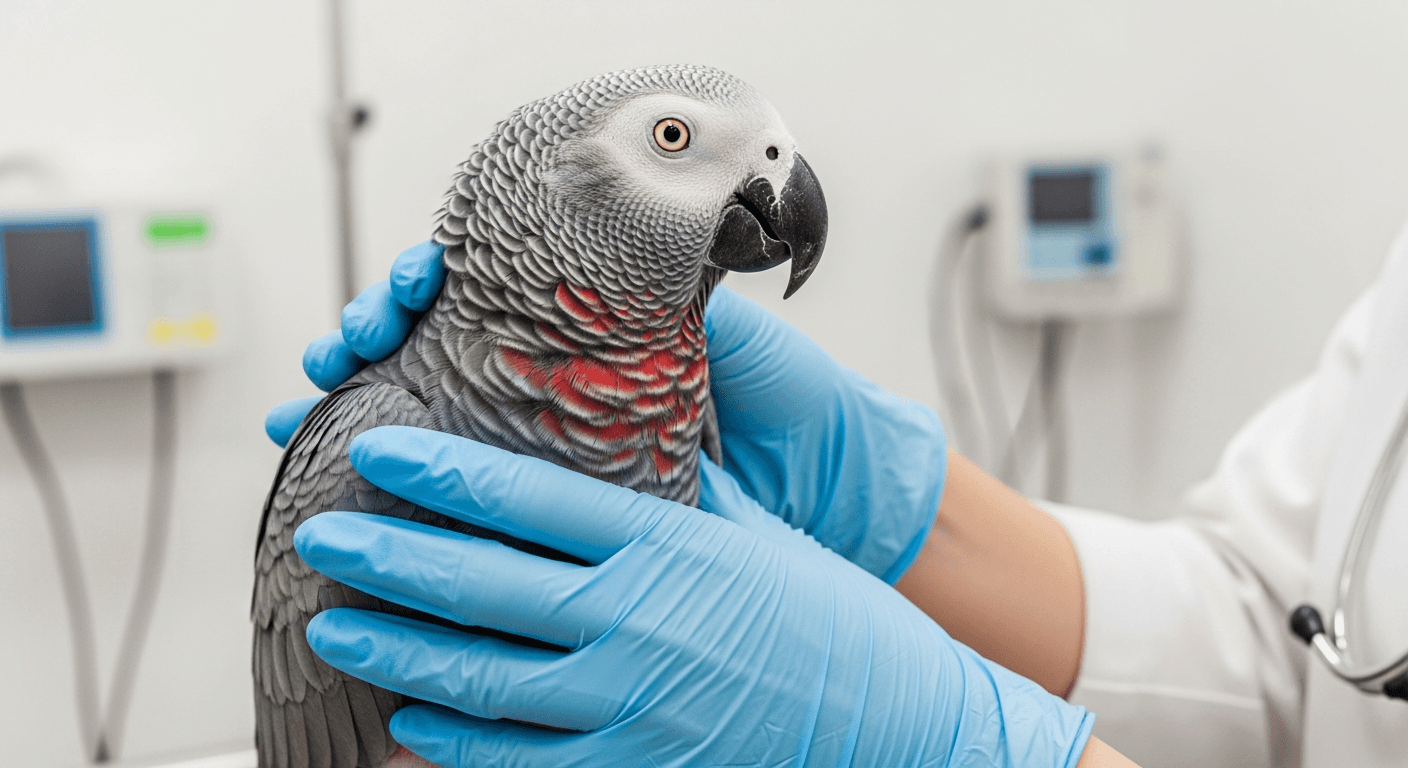
Psittacosis (Chlamydiosis) in Birds: Symptoms and Human Transmission Risk
Psittacosis is a bacterial infection that can spread from birds to humans. Learn the symptoms in birds, how diagnosis works, and how to protect yourself.
 🦜 Bird & Parrot Health
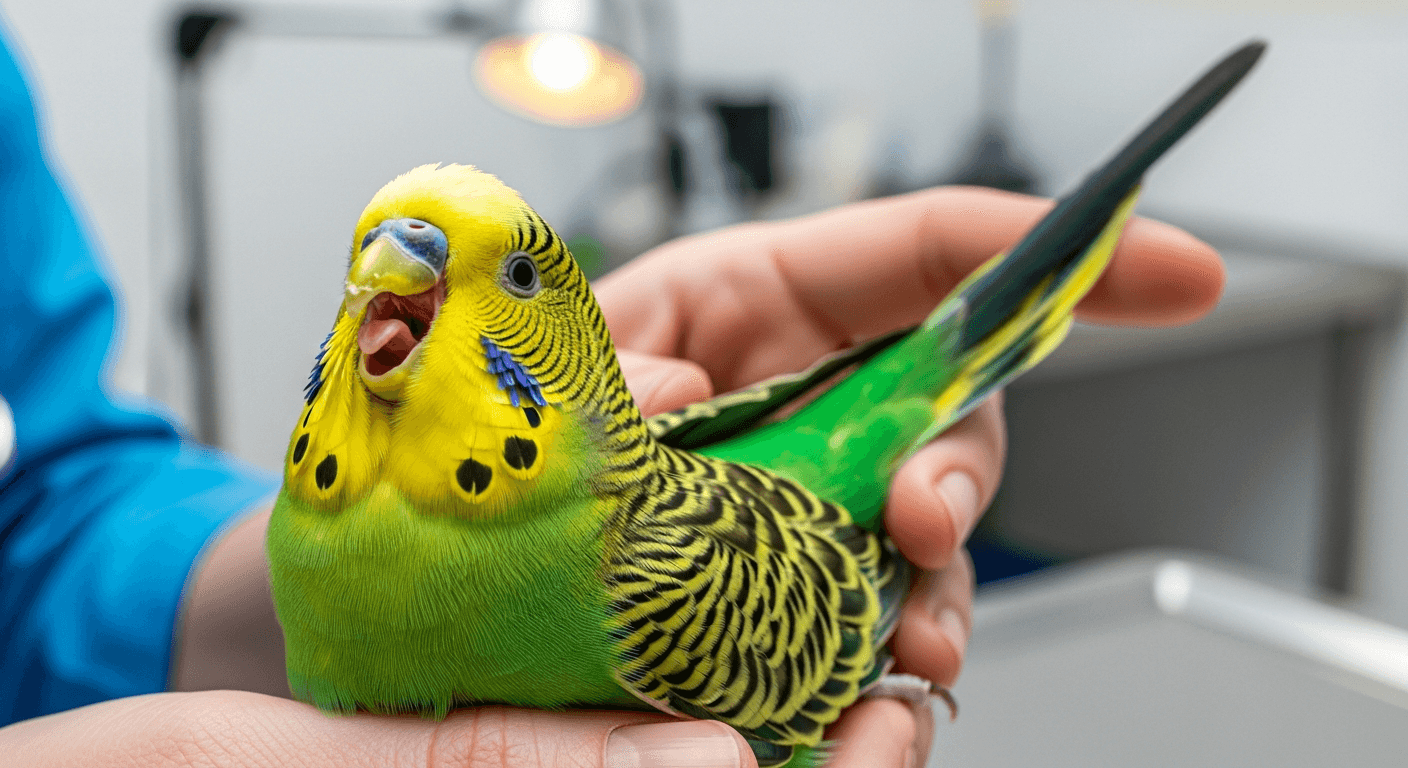
Bird Respiratory Problems: Tail Bobbing, Open-Mouth Breathing, and What to Do
Respiratory disease in birds progresses rapidly. Learn to recognize the signs of respiratory distress, the common causes, and why this is always urgent.
 🦜 Bird & Parrot Health
Daily Bird Care Routine: Essential Health Monitoring for Pet Birds
A consistent daily care routine is the most powerful disease prevention tool available to bird owners. Learn what to observe every day.
 🦜 Bird & Parrot Health
Introducing a New Bird to Your Home: Quarantine and Integration
Every new bird represents a potential disease introduction. Learn the proper quarantine protocol and how to safely introduce a new bird to your existing flock.