
Why Daily Monitoring Is Critical for Bird Health
Birds mask illness with extraordinary effectiveness. By the time visible symptoms appear, a bird may have already lost 15–20% of its body weight and experienced significant organ stress. A daily care routine — including daily weighing — is the only way to catch this decline early enough to intervene effectively. The 10-minute daily routine below, performed consistently, dramatically improves outcomes for pet birds.
The Daily Bird Care Routine
- Morning weigh-in: Weigh before the first feeding, on the same scale, in the same container, at the same time. Log the result. Compare to yesterday's weight. Any loss of more than 2–3% warrants monitoring; 5%+ warrants a vet call.
- Dropping assessment: Examine fresh overnight droppings. Normal bird droppings have three parts: solid green/brown feces, white urates, and clear urine. Changes in any component — green or yellow urates, watery or absent urine, blood-tinged feces — are diagnostic indicators.
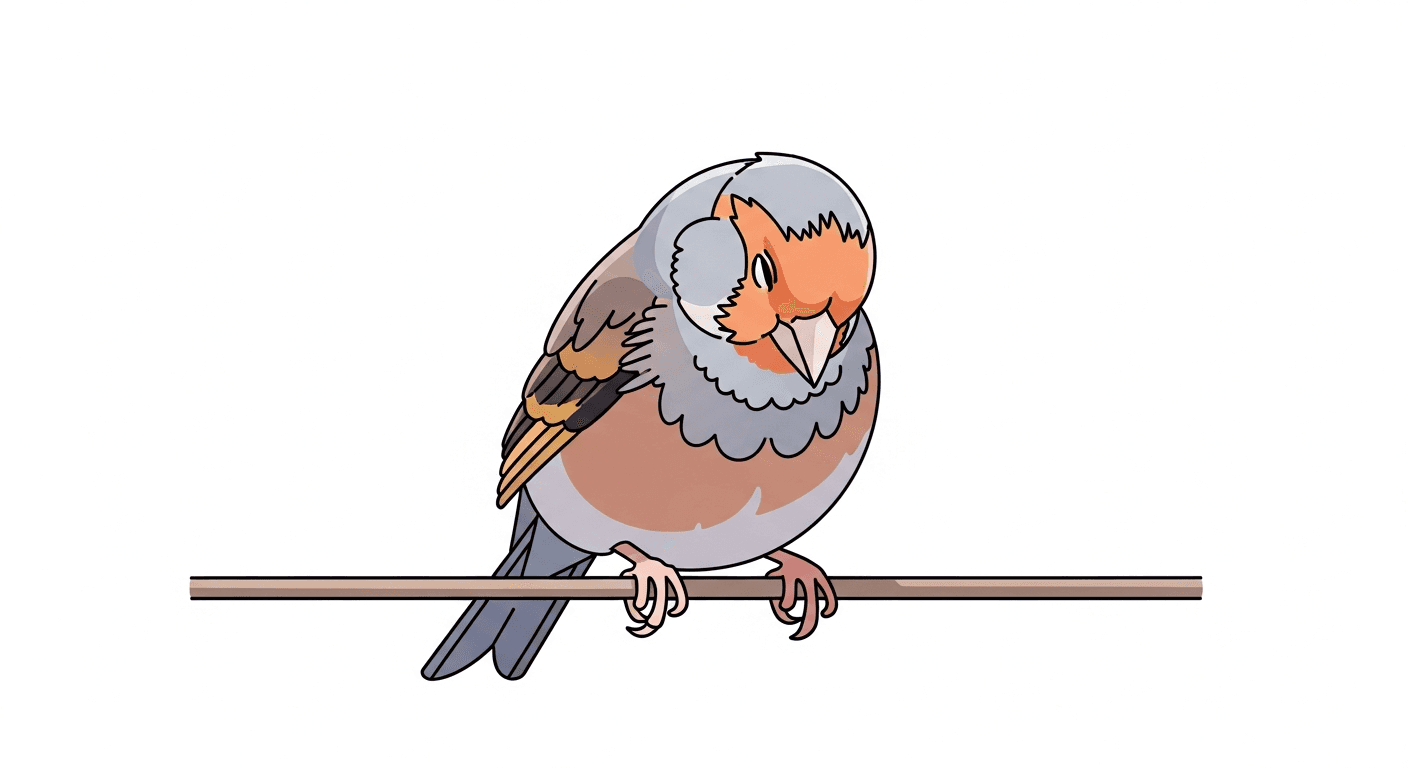
- Visual health assessment: Is the bird perched up high (normal) or on the floor (serious)? Are the feathers smooth and tight to the body (normal) or fluffed (concerning)? Are both eyes fully open and alert? Is there any discharge from the nares?
- Food and water provision: Fresh water, pellets, and daily fresh vegetables. Remove uneaten fresh food after 4 hours to prevent spoilage.
- Social interaction: Out-of-cage time, training sessions, or direct interaction. Birds need daily engagement — this time also provides close observation opportunity.
Weekly Checks
- Full body assessment: check beak, nares, eyes, feathers, feet
- Crop assessment: check that the crop empties overnight
- Review weight trend for the week
When to Call the Vet
- Bird sitting on the cage floor
- Feathers persistently fluffed
- Not eating any food offered
- Weight loss of 5%+ from baseline
- Any respiratory symptoms
Track Daily Care with TailRounds
The TailRounds Daily Log makes the daily weighing and observation routine straightforward to maintain. Build this habit from day one with any new bird.
Book a Vet Appointment
Annual avian wellness exams (at minimum) help catch developing conditions before they become emergencies. Book at Happy Paws with our avian-experienced exotic team.
Summary for Your Clinic Visit
Bring your weight log and dropping observation record, describe any changes in behavior, activity, or physical appearance, and provide the current diet details including all food types offered.
Continue Reading
 🦜 Bird & Parrot Health
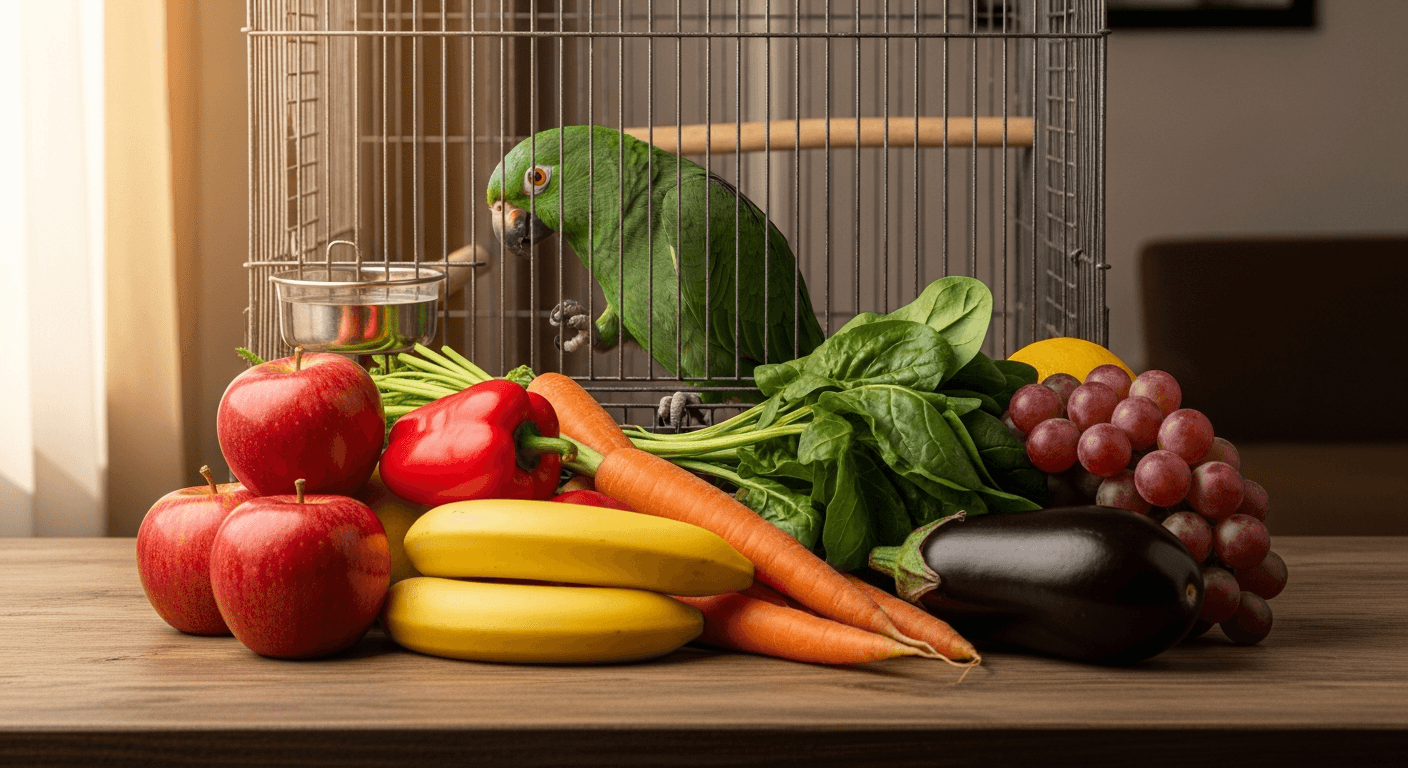
Bird Nutrition Guide: Why Seeds Alone Are Harmful
Seed-only diets cause the majority of preventable disease in pet birds. Learn the correct nutritional approach for common species and how to transition safely.
 🦜 Bird & Parrot Health
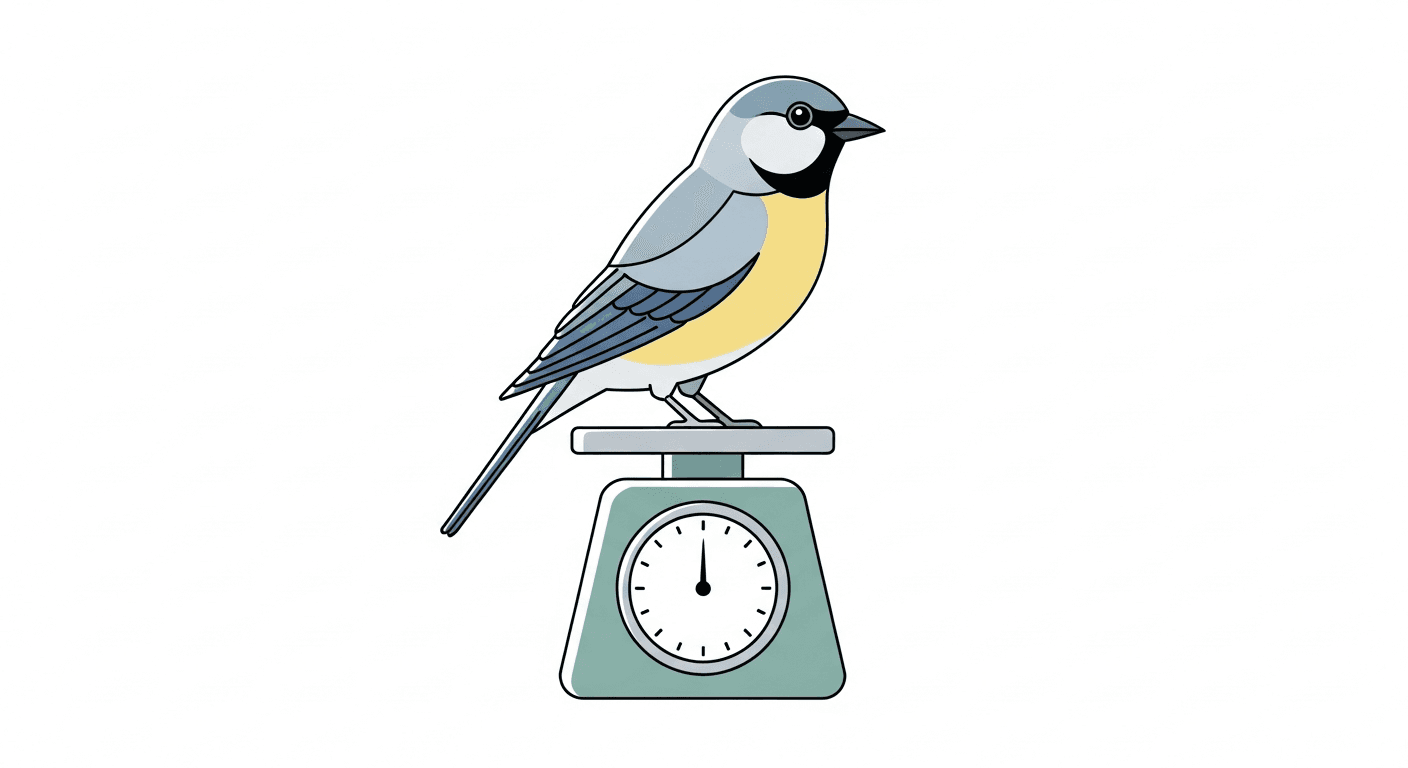
Bird Weight Loss: Why Regular Weighing Is Essential
Birds hide weight loss under their feathers until it's severe. Daily weighing on a gram scale is the most sensitive early disease detection tool for bird owners.
 🦜 Bird & Parrot Health
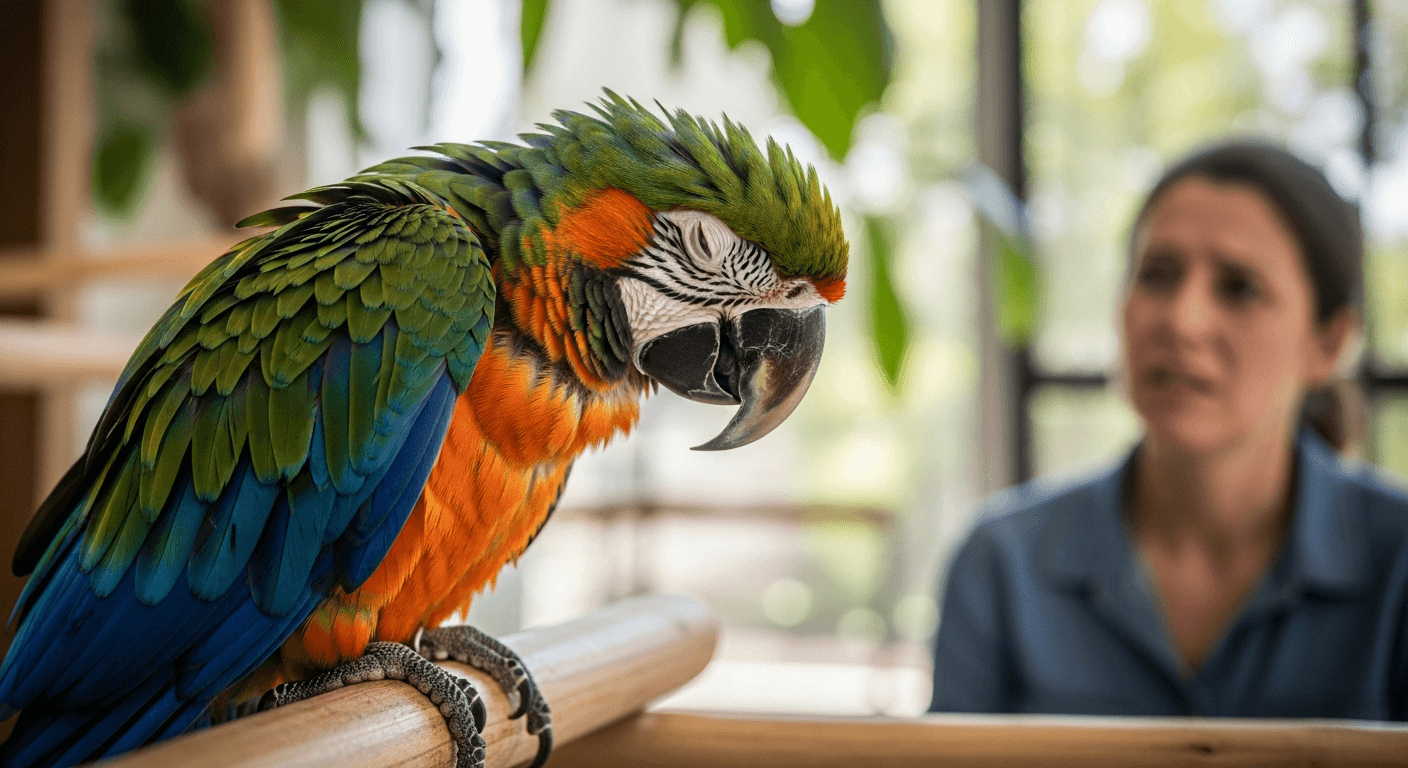
Bird Not Eating: Why It's Always Urgent
Birds hide illness until they cannot compensate. A bird not eating for even one day needs same-day veterinary care. Learn why and what to look for.
 🦜 Bird & Parrot Health
Lethargic Bird: Always Take It Seriously
A bird that appears lethargic — fluffed, quiet, eyes closing — is seriously unwell. Learn why lethargy is always urgent in birds and what to do immediately.